






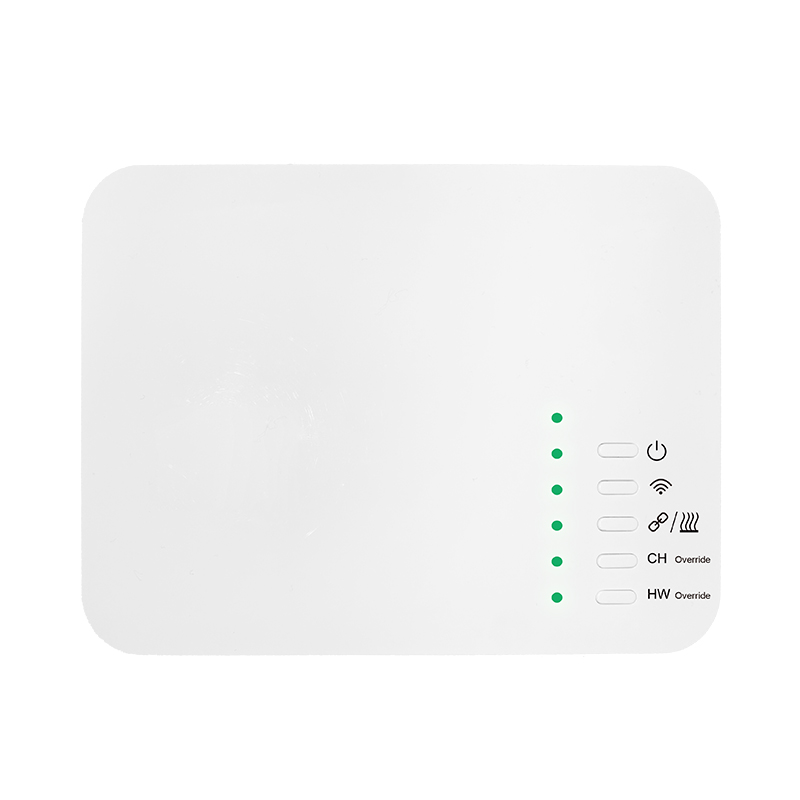
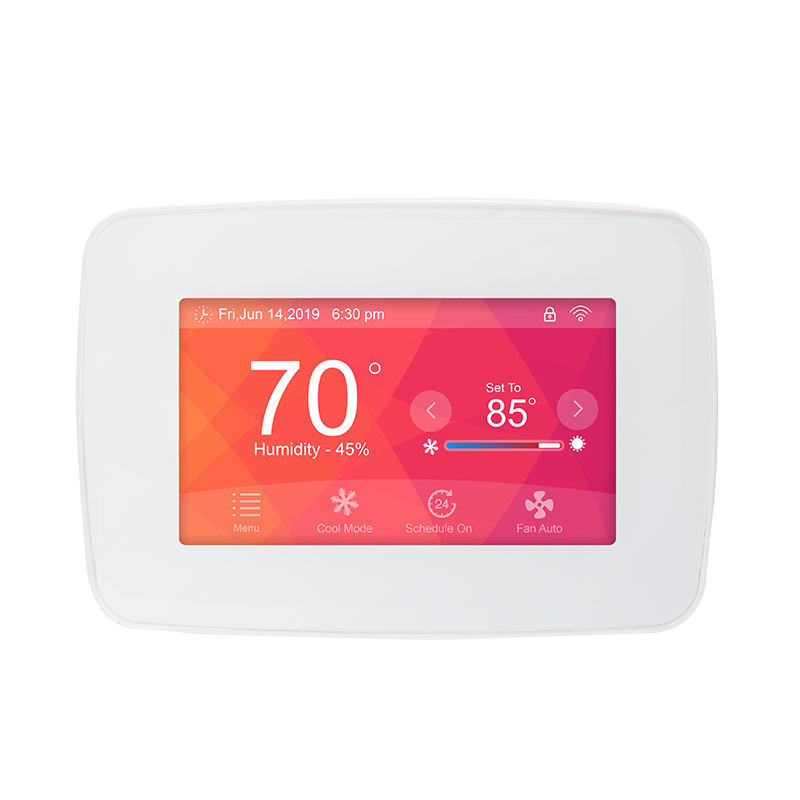
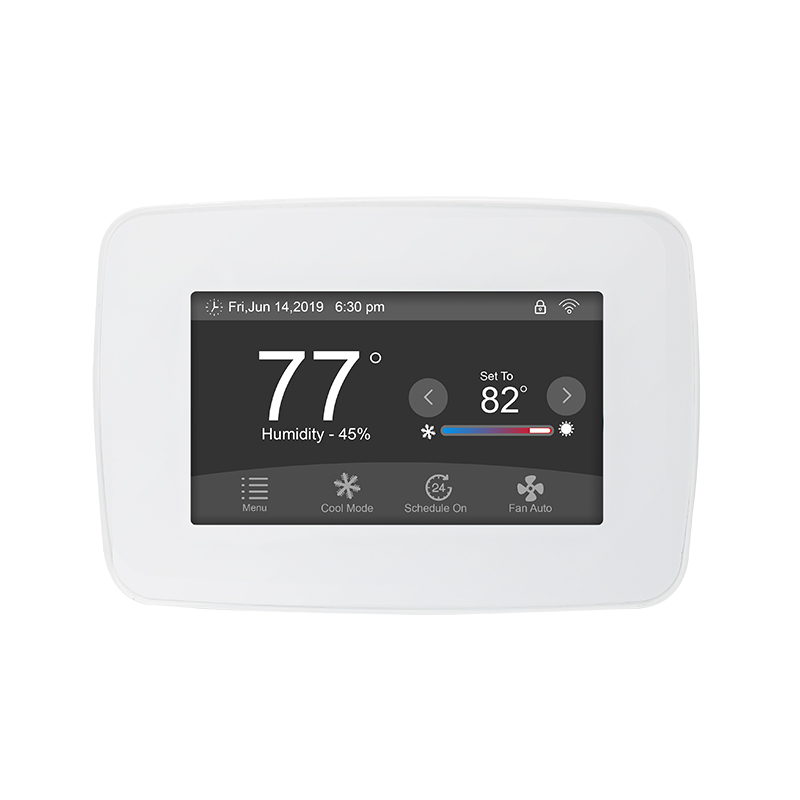
With the rise of smart home technology, heating solutions are evolving rapidly. From traditional electric heaters and radiators to modern intelligent heating systems, users are seeking precise temperature control, energy efficiency, and ease of use. A plug-in thermostat serves as a simple yet powerful tool for creating a smart heating system in homes and offices. This article explores how to use a plug-in thermostat to achieve a comfortable, energy-efficient, and truly intelligent heating experience.
What Is a Plug-In Thermostat?
A plug-in thermostat is a device that directly connects to a power outlet and controls the temperature of electric heating appliances. Equipped with temperature sensors and smart control chips, it adjusts the power output of devices to maintain a stable indoor temperature. Unlike traditional manual thermostats, plug-in thermostats require no rewiring, are easy to install, and offer instant use, making them ideal for households, offices, or rental spaces.
Advantages of Using a Plug-In Thermostat for Smart Heating
Precise Temperature Control
Smart thermostats automatically regulate power based on the desired temperature, preventing overheating or underheating. This not only improves comfort but also reduces energy waste.
Energy Savings and Cost Efficiency
By controlling when and how much electricity is used, plug-in thermostats can significantly lower energy bills. Users can set schedules or temperature curves to reduce heating in unoccupied rooms, maximizing efficiency.
Flexible Expansion and Device Integration
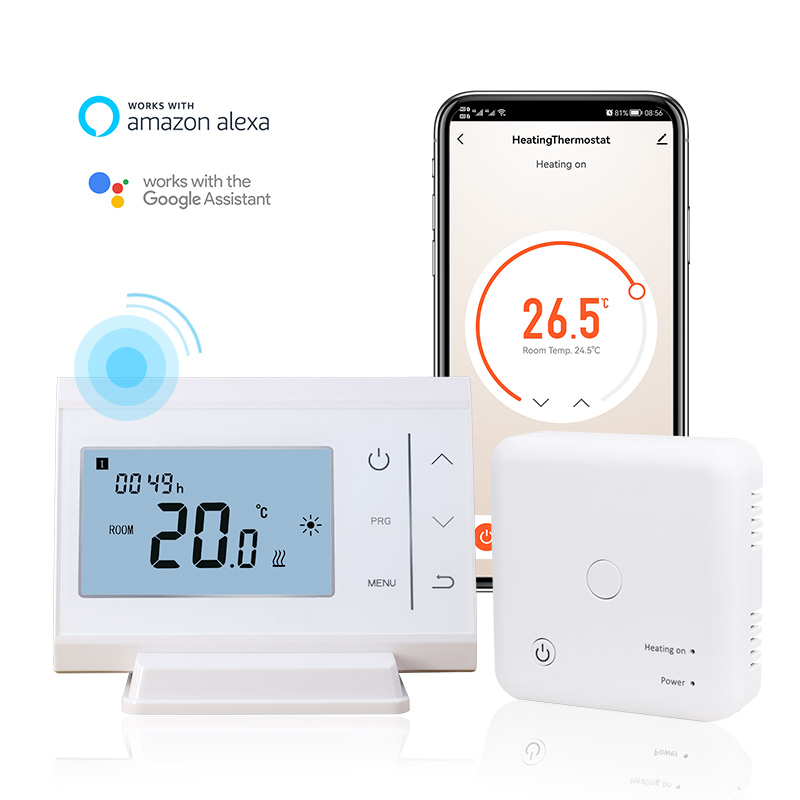
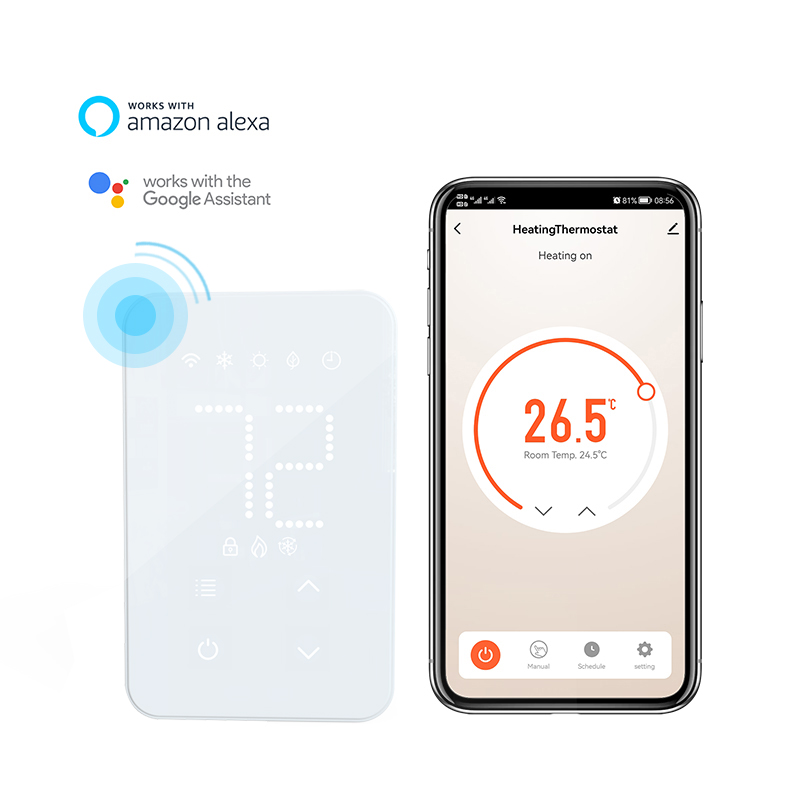
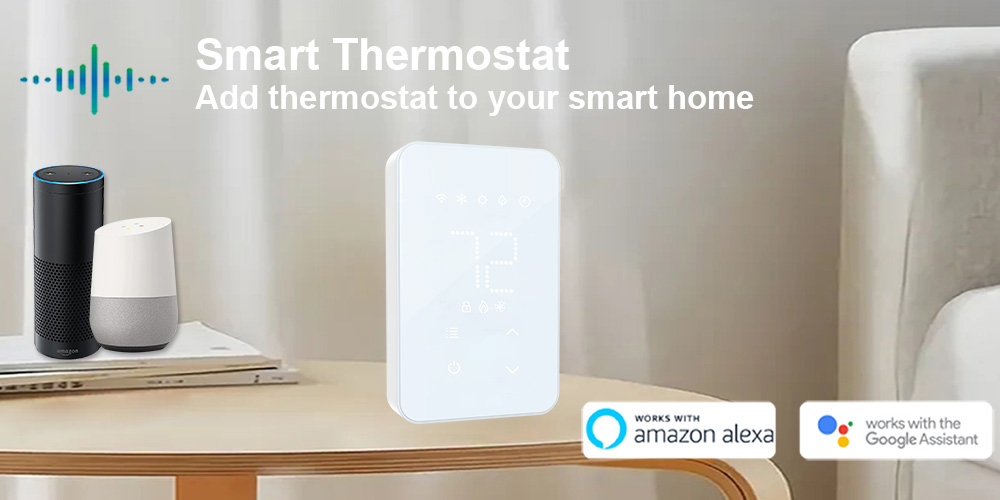
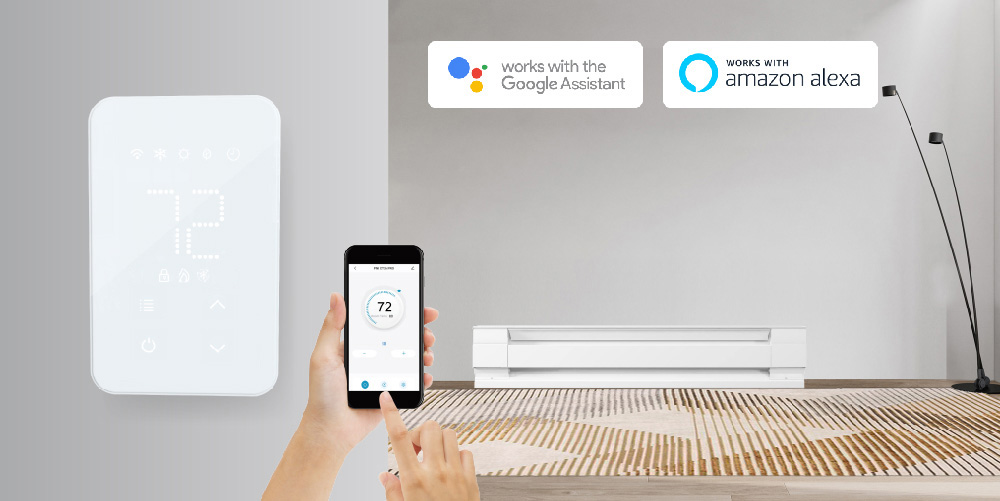
Modern plug-in thermostats often support Wi-Fi or Bluetooth, allowing integration with smart home platforms. Through mobile apps or voice assistants, users can adjust settings remotely and link the thermostat with air conditioners, fans, or humidifiers for coordinated environmental control.
Enhanced Safety
Plug-in thermostats automatically regulate power to prevent overheating or prolonged idle operation, reducing fire risk. Most devices also include overheat protection and alerts for abnormal power interruptions, ensuring safe operation.
Steps to Build a Truly Smart Heating System
Select Compatible Devices
Choose a plug-in thermostat that matches your room size and heater power. Ensure the heating appliance’s power rating aligns with the thermostat’s specifications.
Set Temperature Schedules
Use timing or temperature curve features to adjust the room’s warmth according to daily routines. For example, maintain lower temperatures during work hours and automatically increase warmth before returning home for comfort and energy efficiency.
Remote Monitoring and Integration
Monitor room temperature and energy usage through a smart home app. Adjust settings remotely as needed, or integrate with other smart devices to create a fully automated home environment.
Regular Maintenance and Optimization
Keep heating appliances and thermostat sensors clean to maintain accurate readings. Adjust temperature settings seasonally to optimize both comfort and energy savings.
Conclusion
A plug-in thermostat provides a simple, effective, and economical solution for creating a smart heating system. With precise temperature control, energy management, remote monitoring, and device integration, users can enjoy a comfortable, safe, and truly intelligent heating experience. For households and offices looking to upgrade traditional heaters and improve quality of life, a plug-in thermostat is a key tool for achieving smart heating.