
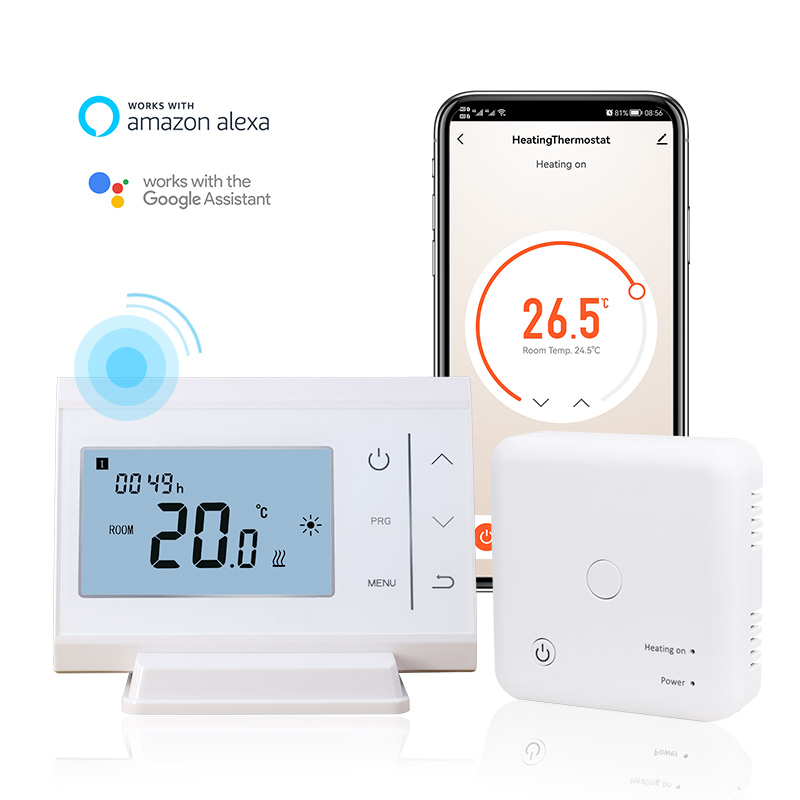
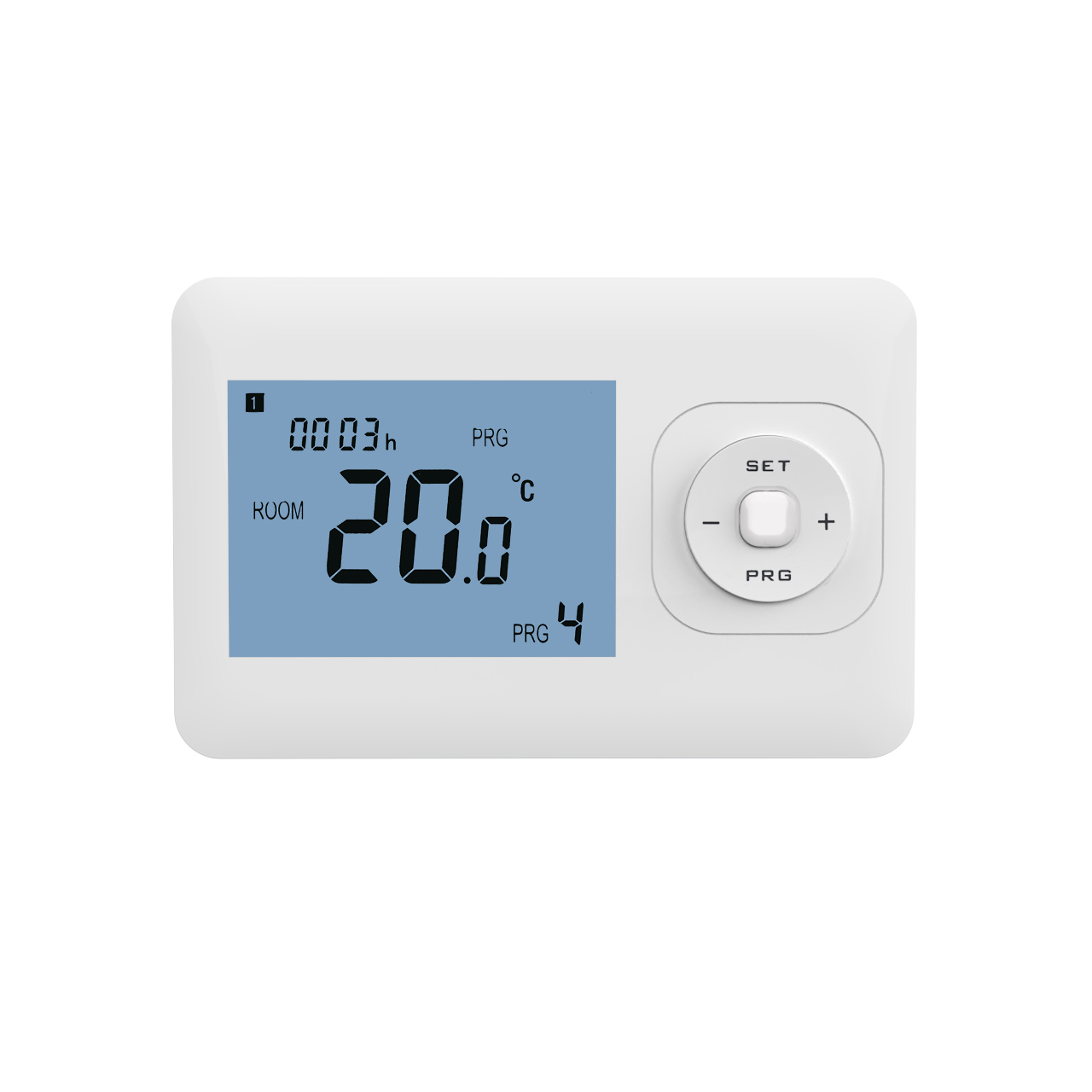
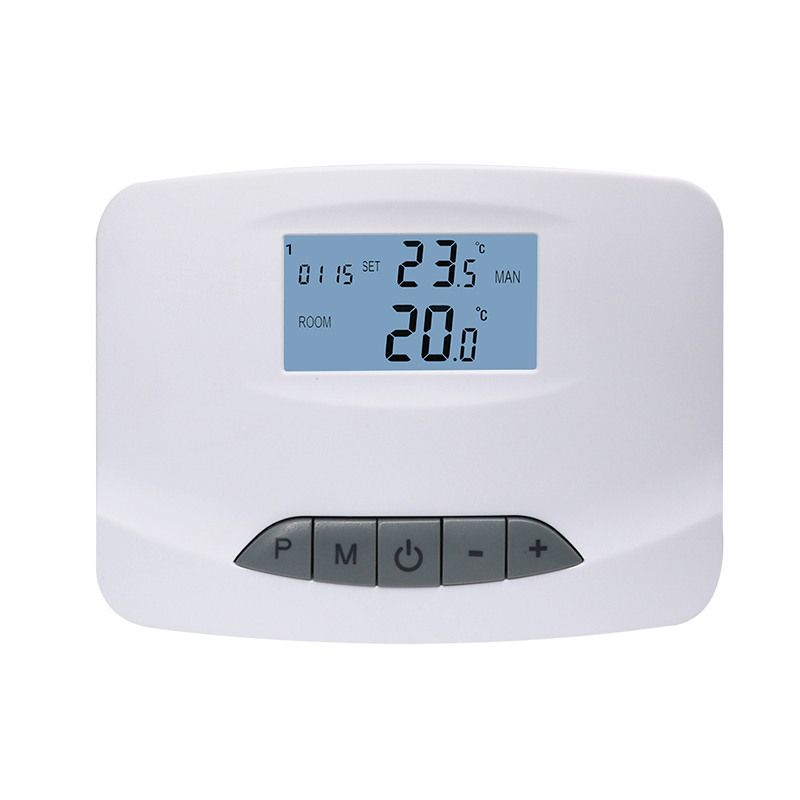
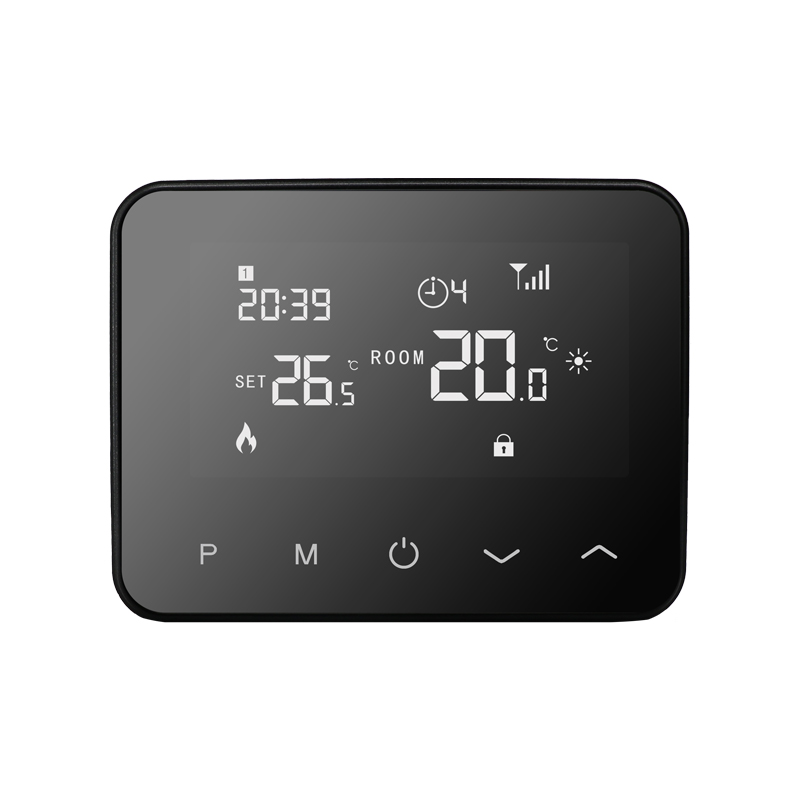
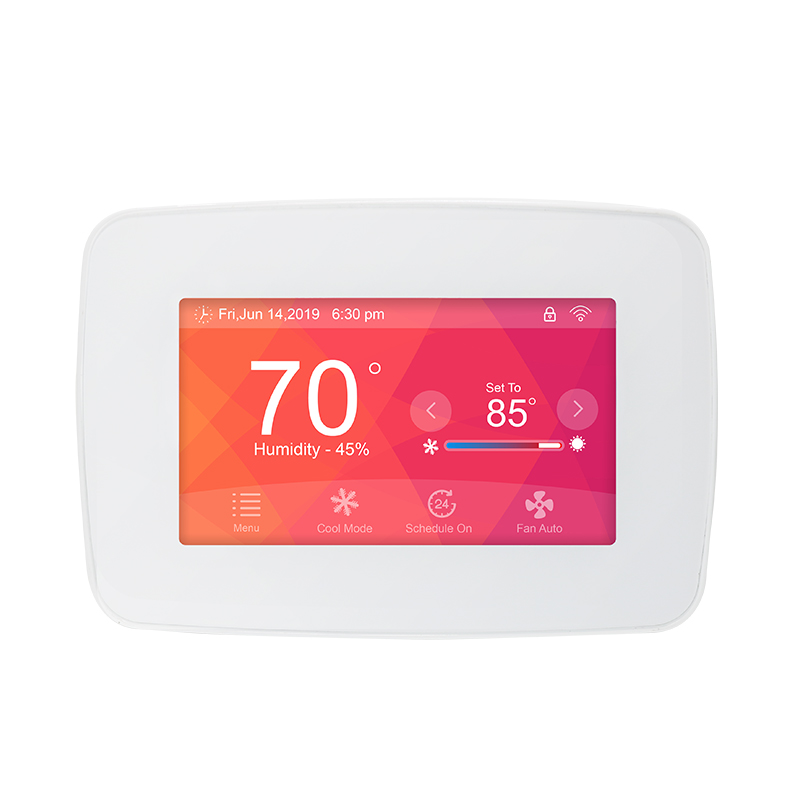
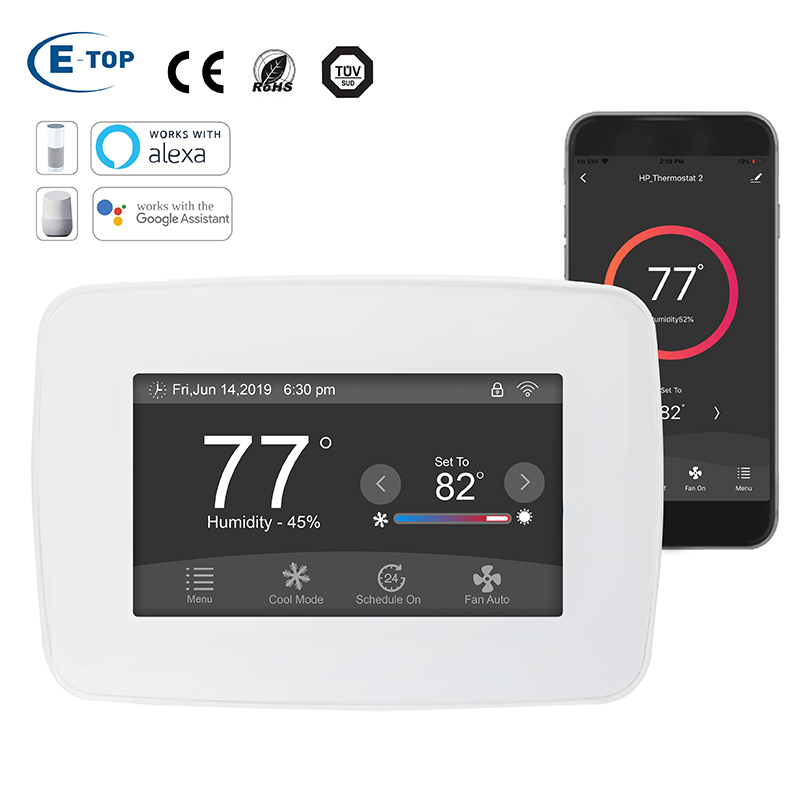
With electricity prices rising, and air conditioners being one of the most energy-consuming devices in homes and offices, many people ask when upgrading their temperature control systems: Can a 24V programmable thermostat reduce electricity bills? The answer is yes, and in many scenarios, the effect is significant. The value of a 24V programmable thermostat isn’t simply about “making the air conditioner more energy-efficient,” but rather about enabling more rational time planning, stable temperature control, and reducing idling and frequent start-stop cycles, allowing the air conditioner to operate closer to actual needs. Whether electricity bills can be reduced depends on whether you can effectively utilize the programmable function, the compatibility of your air conditioning system, and the effectiveness of your building’s insulation. With proper settings, a 24V programmable thermostat can indeed be an effective tool for controlling electricity expenses.
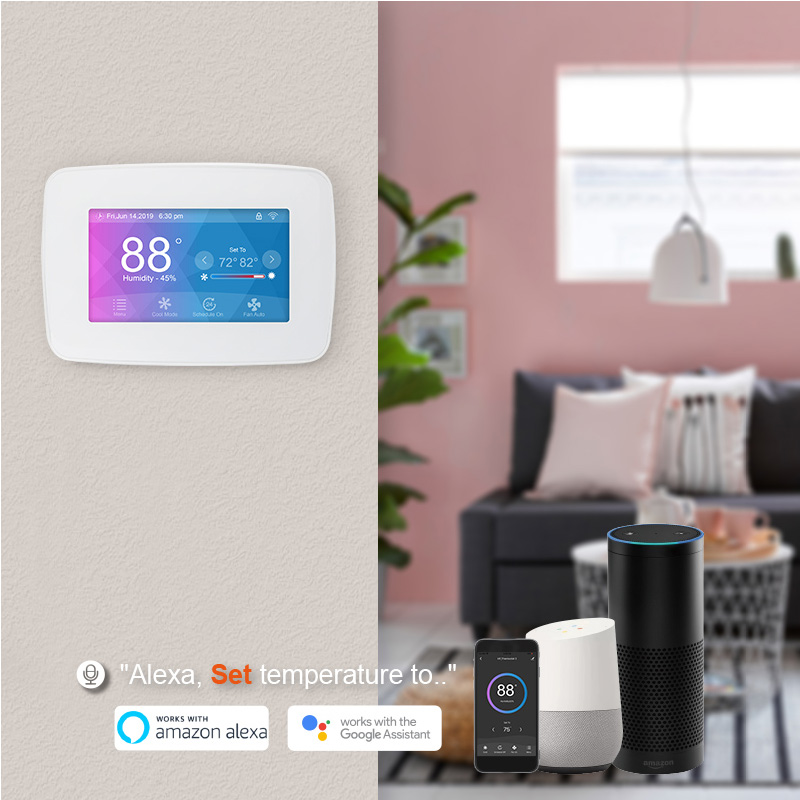
Why can a 24V programmable thermostat affect electricity bills?
The high energy consumption of air conditioners is usually not due to the device constantly “breaking down,” but rather to its unintelligent operation. Many people habitually set the temperature very low and leave it unused for extended periods; or the air conditioner continues to run even when no one is home; or they frequently turn it on and off manually, causing the compressor to start repeatedly. A 24V programmable thermostat can reduce these wasteful processes.
It uses a 24V low-voltage control signal to direct the air conditioning system, allowing you to set target temperatures for different time periods. The air conditioner operates more precisely during times when a comfortable temperature is needed, and automatically enters energy-saving mode during times when strong cooling or heating is not required. Less unnecessary work by the air conditioner naturally leads to lower electricity bills.
Using time-based scheduling reduces air conditioner idling.
Many households have high electricity bills because their air conditioners run when “no one needs them.” A programmable thermostat can be set with temperature strategies for work/school hours and nighttime sleep, allowing the air conditioner to automatically switch to more energy-efficient settings and avoid prolonged idling.
Commonly configurable energy-saving plans include:
(1) Setting a higher temperature to reduce cooling when no one is home during the day
(2) Setting the temperature to a more stable and comfortable range when sleeping at night
(3) Starting the air conditioner before returning home from get off work to avoid prolonged high-power temperature increases upon arrival
(4) Setting separate temperature settings for weekends and weekdays to reduce manual temperature adjustments.
These settings don’t require complicated operations, but they have a direct impact on electricity bills.
Reducing Frequent Start-Stops and Lowering Extra Power Consumption
Air conditioners often consume more power during startup, and frequent start-stops increase the compressor’s load. Programmable thermostats can control temperature differences and operating rhythms more effectively, allowing for more consistent air conditioner operation and reducing waste from short-cycle starts. Smoother operation not only saves more power but also makes the indoor environment more comfortable.
Avoiding Overcooling or Overheating
Many people set the temperature very low to “cool down quickly,” resulting in prolonged high-load operation of the air conditioner and increased electricity bills. Programmable thermostats can control the temperature within a more reasonable range, avoiding increased power consumption due to extreme settings. More reasonable temperature targets reduce the burden on the air conditioner, making electricity bills easier to control. V. Optimizing Fan Operation and Reducing Unnecessary Power Consumption
Many systems support fan mode settings, such as automatic or always-on fans. Programmable thermostats allow fans to run at appropriate times, reducing power consumption caused by prolonged, meaningless airflow and improving noise levels. For some households, more efficient fan control leads to greater comfort and more stable electricity bills.
Who is More Likely to See Energy Savings with 24V Programmable Thermostats
Not everyone will immediately see a change in electricity bills after installing a programmable thermostat, but the following groups are more likely to experience significant improvements.
Use scenarios where energy saving is more likely include:
(1) Office workers whose homes are unoccupied for extended periods during the day
(2) People who frequently travel or have regular schedules
(3) Teams in offices that frequently forget to turn off their air conditioners
(4) People with fixed sleep schedules at home who want more stable nighttime temperatures
(5) Areas where air conditioners are used for extended periods and frequently turned on in summer
These scenarios share the commonality of long air conditioner operation times and significant idling time that can be optimized, making the value of programmable thermostats more readily apparent. VII. For More Energy Saving,
Pay Attention to These Details When Setting Up a Programmable Thermostat
Whether a programmable thermostat can reduce electricity bills largely depends on its settings. Improper settings not only fail to save electricity but may also affect comfort.
Recommended settings include:
(1) Avoid large temperature variations to prevent frequent temperature compensation by the air conditioner.
(2) Raise the set temperature when going to work or going out to reduce cooling time.
(3) Maintain a stable temperature range while sleeping to reduce sudden temperature changes at night.
(4) Use the “temporary overlay” function to avoid disrupting the original schedule.
(5) Avoid frequently turning the air conditioner on and off manually to allow the system to run according to the plan.
By following these details, electricity bills will decrease more steadily, and comfort will be easier to maintain.
Conclusion
Can a 24V programmable thermostat reduce electricity bills? The answer is yes, and the effect is more noticeable in homes or offices with regular schedules, long air conditioner usage times, and frequent idling waste. It reduces idling by scheduling time, reduces frequent starts and stops by more stable temperature control, and avoids overcooling or overheating by setting reasonable parameters, making the air conditioner operate closer to actual needs. Provided the system is compatible, the installation is standardized, and the plan is set reasonably, a 24V programmable thermostat can not only help control electricity costs, but also make the indoor temperature more stable and make daily use more worry-free.