
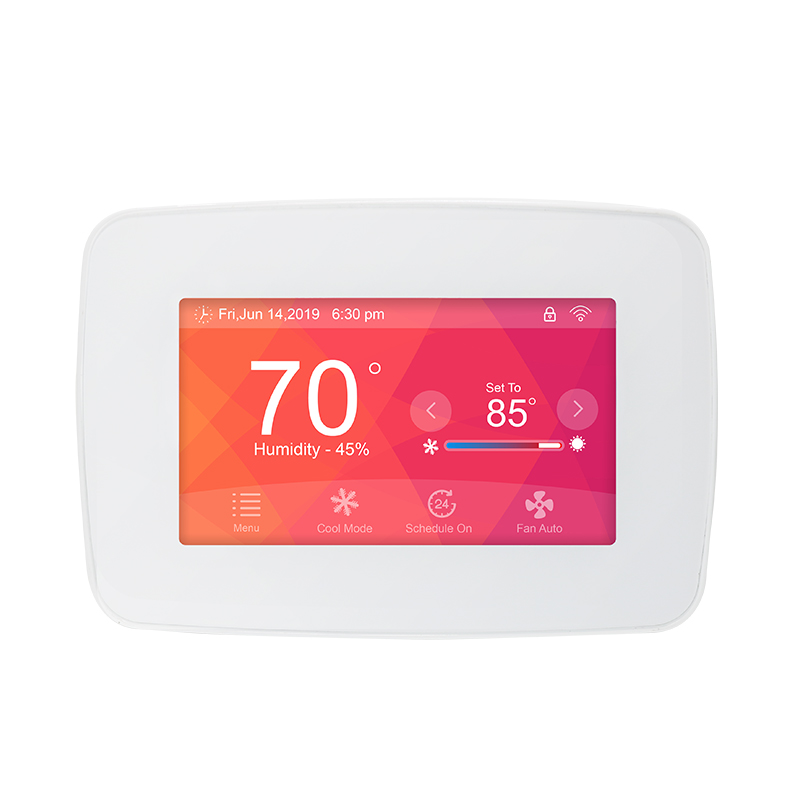
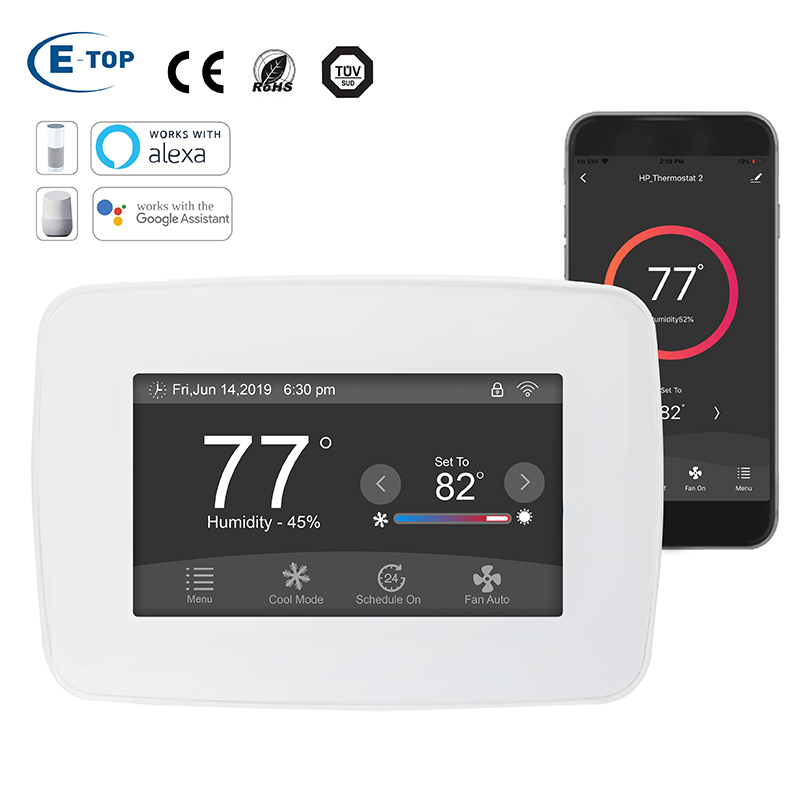

Many people encounter similar situations when using underfloor heating: some rooms are very warm, while others always feel a little lacking; even with a thermostat installed, the overall comfort level is not as expected. This leads some to suspect that the underfloor heating system itself is inadequate, or that the wrong equipment was chosen. In most cases, the problem isn’t with “whether there’s underfloor heating,” but rather with whether the heat is being distributed reasonably and precisely. The essence of an underfloor heating system is to deliver heat to different spaces. However, different rooms have different sizes, orientations, and usage frequencies. If the heat distribution method is still “one-size-fits-all,” it’s naturally difficult to achieve true comfort. The role of a thermostat is to allow each area to be heated “when it should be heated, and turned off when it should be turned off,” achieving precise control. However, for a thermostat to truly achieve precise heat distribution, a single panel is far from sufficient. It requires seamless coordination between actuators, wiring centers, boilers, and water pumps.
Why is “zonal control” the first step to precise distribution?
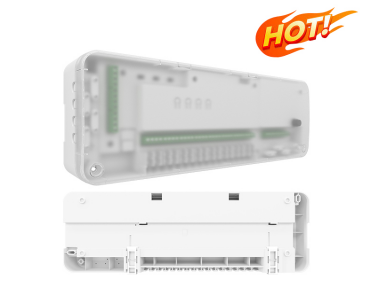
Each thermostat corresponds to an independent heating zone. Only by rationally dividing different rooms and functional spaces into independent zones can the thermostat adjust according to their respective needs. A wiring center supporting 8 or 16 zones provides the foundation for this zoned control. Whether in a small residence or a larger commercial space, zones can be divided according to actual usage, allowing the thermostat to focus on its assigned area rather than “managing too many.”
How does a thermostat “sense temperature”?
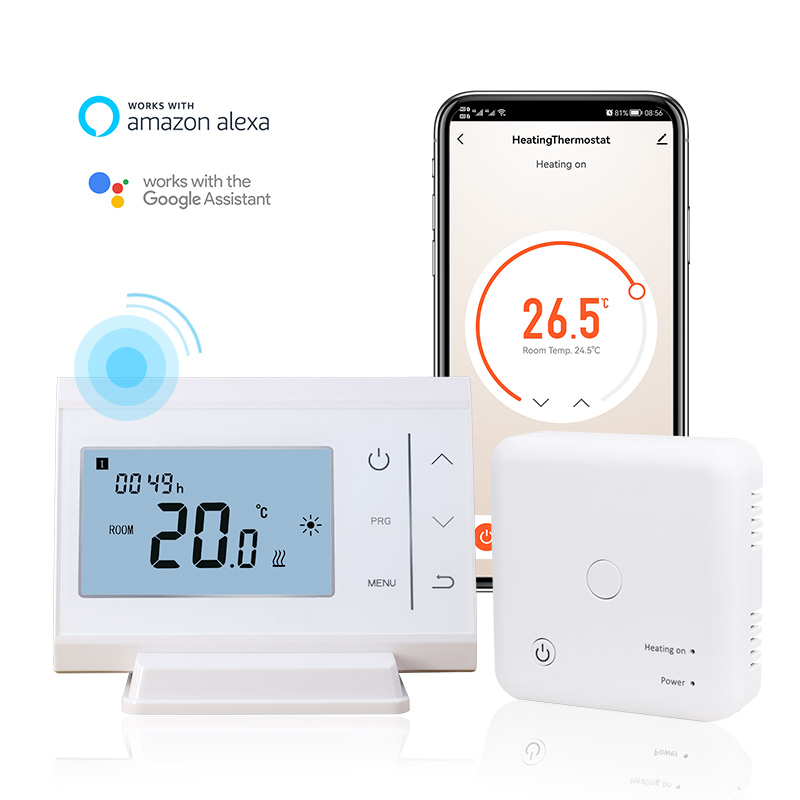
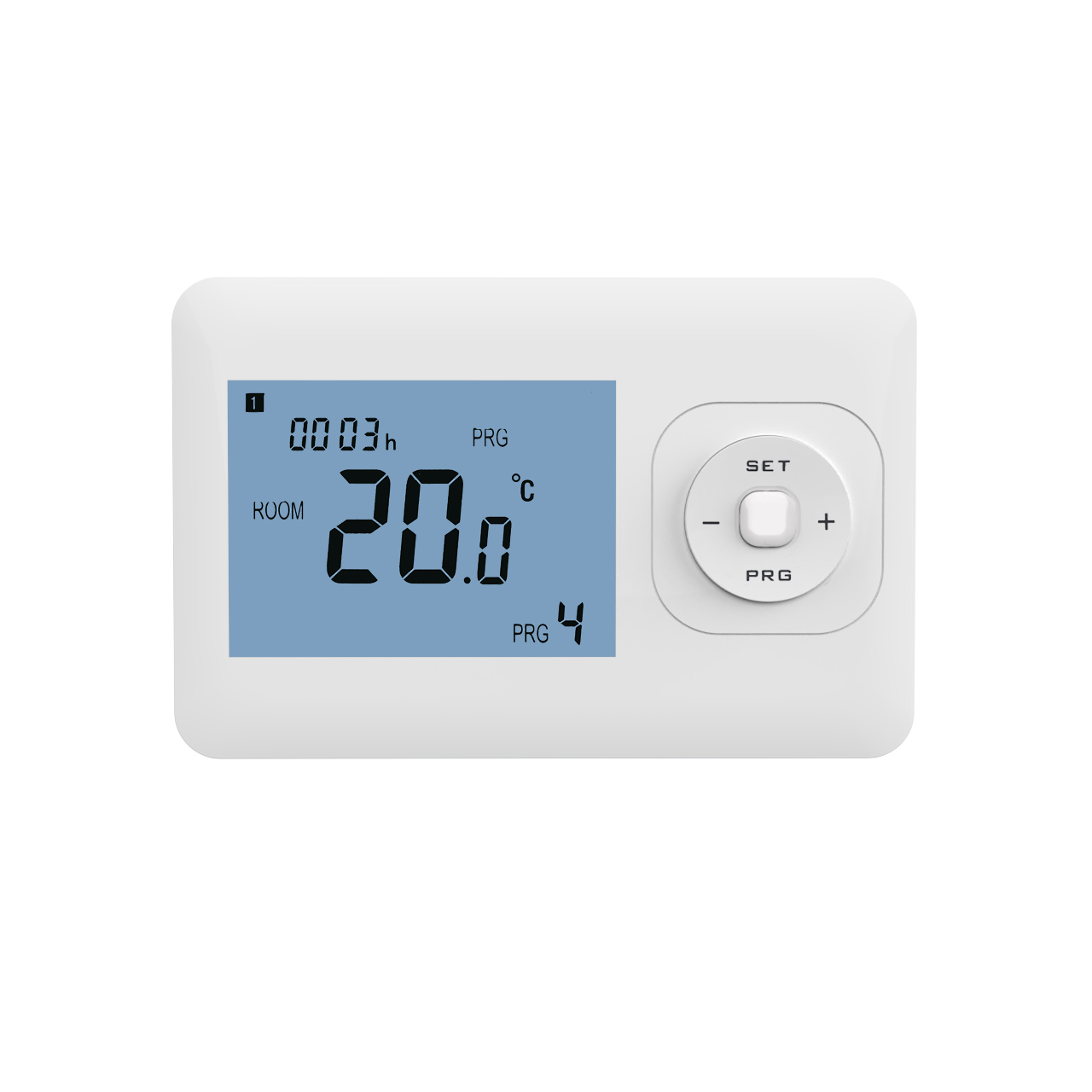
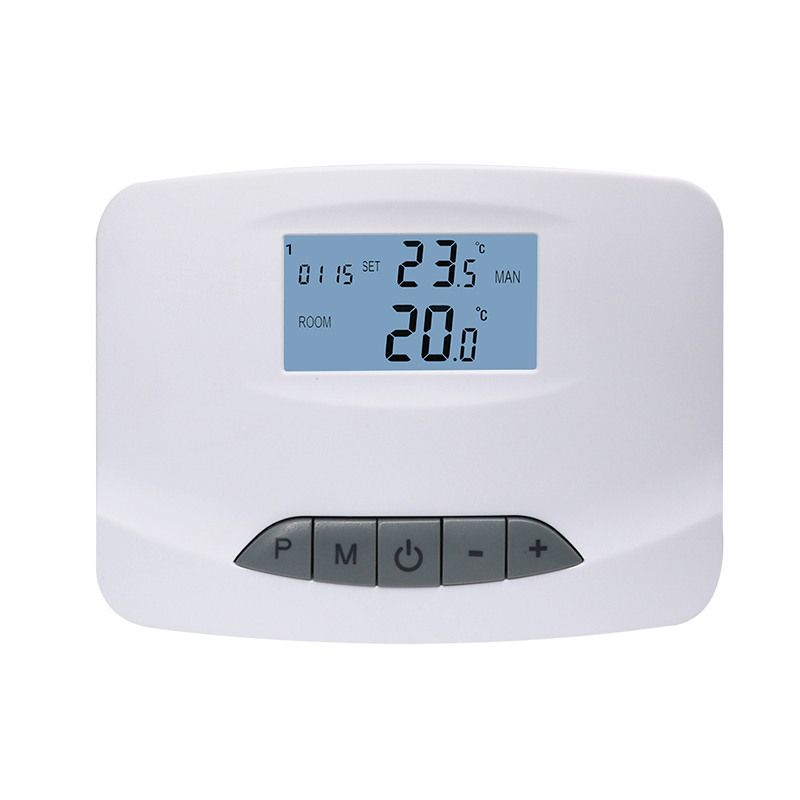
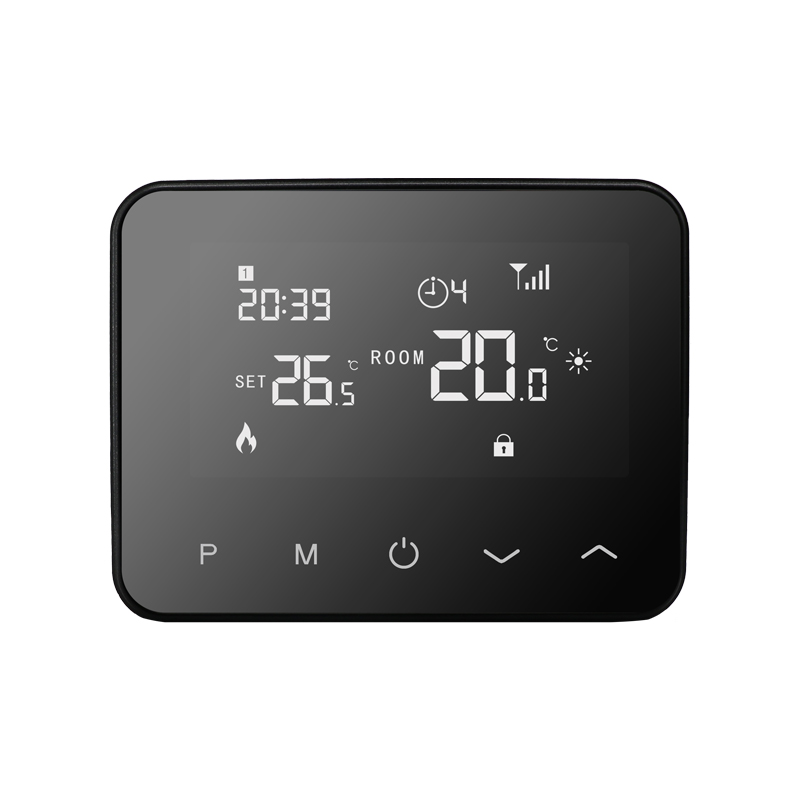
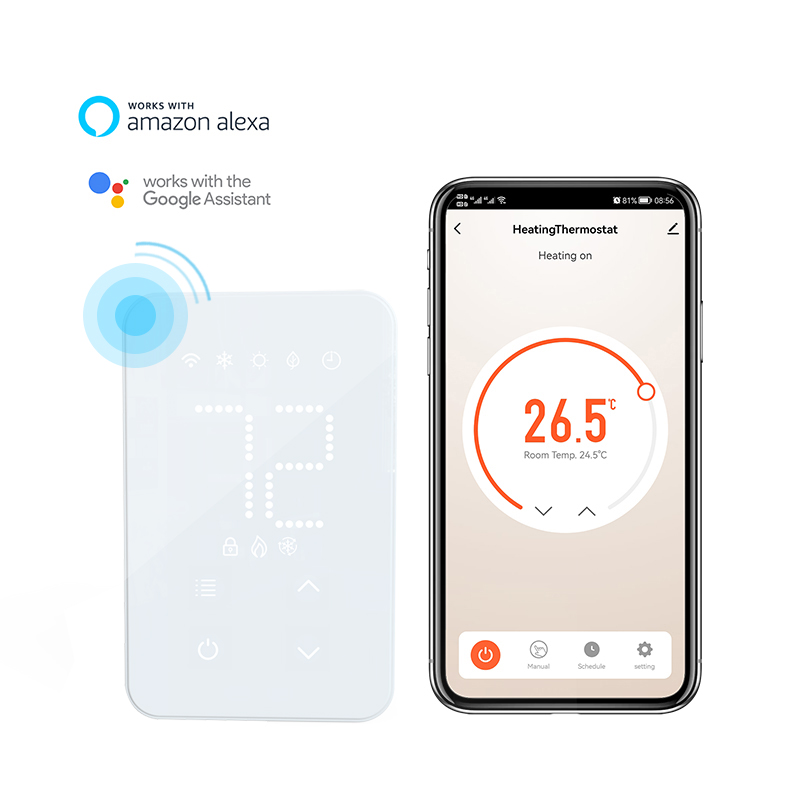
The first step in heat distribution by a thermostat is accurately sensing the ambient temperature. When the indoor temperature is lower than the set value, the thermostat sends a heating demand signal; when the temperature reaches or exceeds the set value, it stops the heating request. The wireless thermostat is responsible for “judging” and “sending signals” in this process. The signal does not directly control the boiler but is first transmitted to the wiring center, which coordinates the backend equipment. This division of labor makes the control logic clearer and more conducive to the accuracy of overall heat distribution.
What role does the actuator play in heat distribution?
If the thermostat is the “brain,” then the thermal actuator is the “valve.” When the thermostat issues a heating command, the actuator opens the loop for the corresponding area, allowing hot water to flow into the underfloor heating pipes; when heating is not needed, the actuator closes, stopping heat from entering that area. Through the wiring center, up to five thermal actuators can be connected to each area, meeting the needs of larger spaces while ensuring unified and coordinated operation. The actuator only serves its corresponding area, which is crucial for the precise distribution of heat to “where it should go.”
Why is the wiring center the “central hub” for precise distribution?
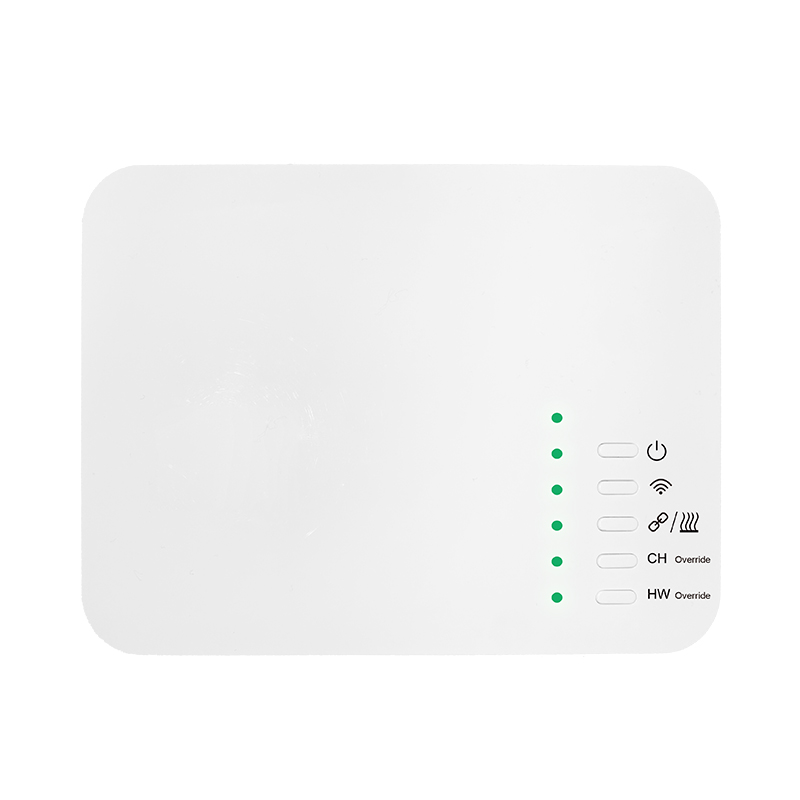
Without a wiring center, the connections between the thermostat, actuators, boiler, and water pump would be highly fragmented, and the control logic could easily become chaotic. As a result, even if the thermostat’s judgment is accurate, the heat distribution process could still be distorted. The wiring center, as the central hub, centrally processes the control signals from all areas. When a certain area requires heating, the wiring center coordinates the corresponding actuator, simultaneously linking the boiler and circulating pump to ensure that heat is delivered to that area promptly and accurately, rather than the entire system operating indiscriminately.
The Coordination of Boiler and Pump: Determining the “Just Right” Heat Distribution
Precise heat distribution doesn’t mean the boiler is constantly running at high load. Instead, a truly efficient system operates on demand, providing heat only when needed. The wiring center provides dedicated output interfaces for the boiler and circulation pump, activating the corresponding equipment only when one or more areas request heating. This on-demand operation not only ensures more precise heat distribution but also avoids waste from ineffective heating.
How Wireless Thermostats Offer More Flexible Control?
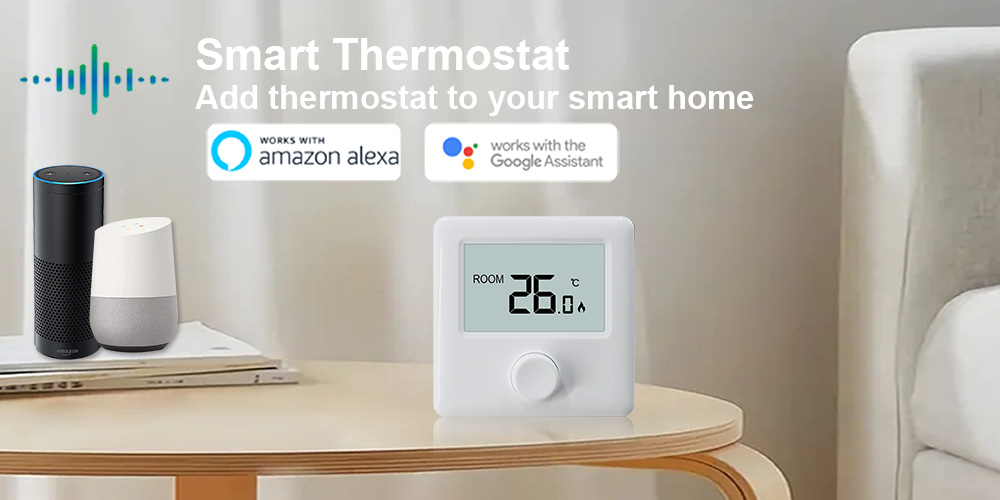
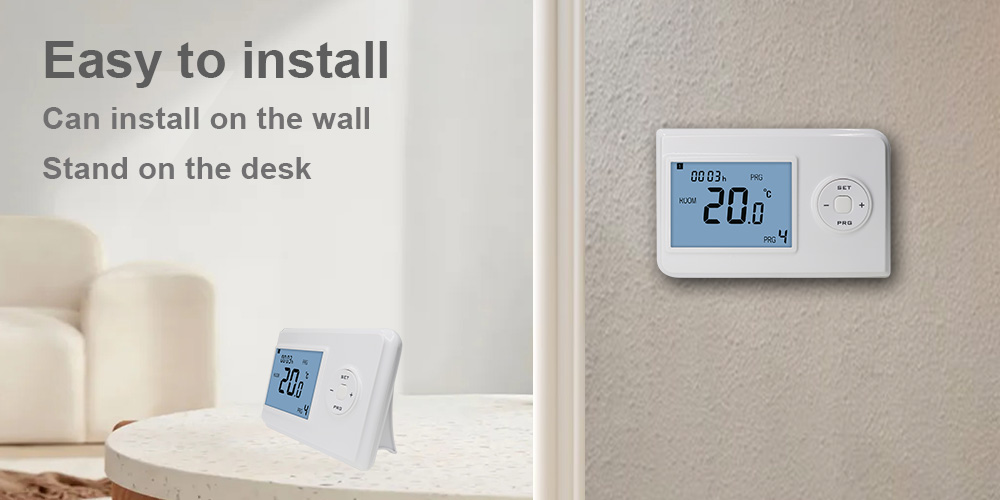
The advantage of wireless thermostats lies in their flexible installation location, allowing for a more accurate reflection of the room’s true temperature, rather than being limited by wiring locations. This is crucial for precise heat distribution. When used in conjunction with a specially designed wiring center, wireless thermostats deliver clear signals and timely responses, quickly sensing and adjusting temperature changes to ensure each area’s heating status always closely matches actual needs.
Precise heat distribution achieved by the thermostat is not a single action but the result of a coordinated system. From temperature sensing and signal transmission to actuator action and the coordinated operation of the boiler and water pump, every step determines the final heating effect. Only through rational zoning design, centralized wiring center management, and seamless collaboration with wireless thermostats can heat truly be delivered to where it’s needed, rather than being given too much or too little. A floor heating wiring center like the HR-02 plays a crucial role in this process—centralizing the processing of complex control logic and ensuring accurate execution of the thermostat’s decisions. For users, a truly comfortable floor heating experience isn’t about the room being as hot as possible, but about each space feeling just right. This is precisely the ultimate value of the thermostat and wiring center working together to achieve precise heat distribution.