
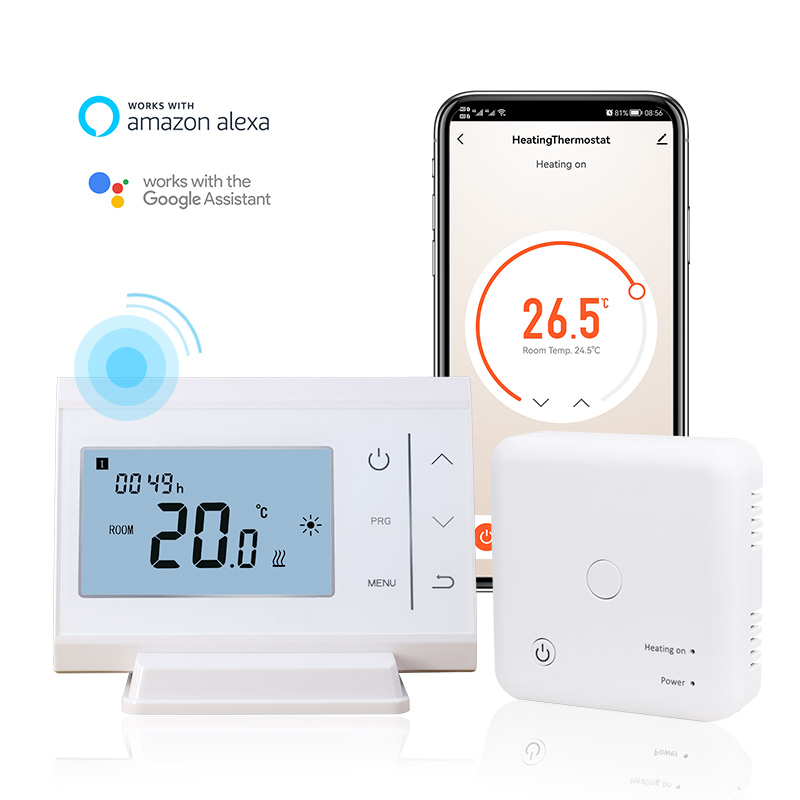
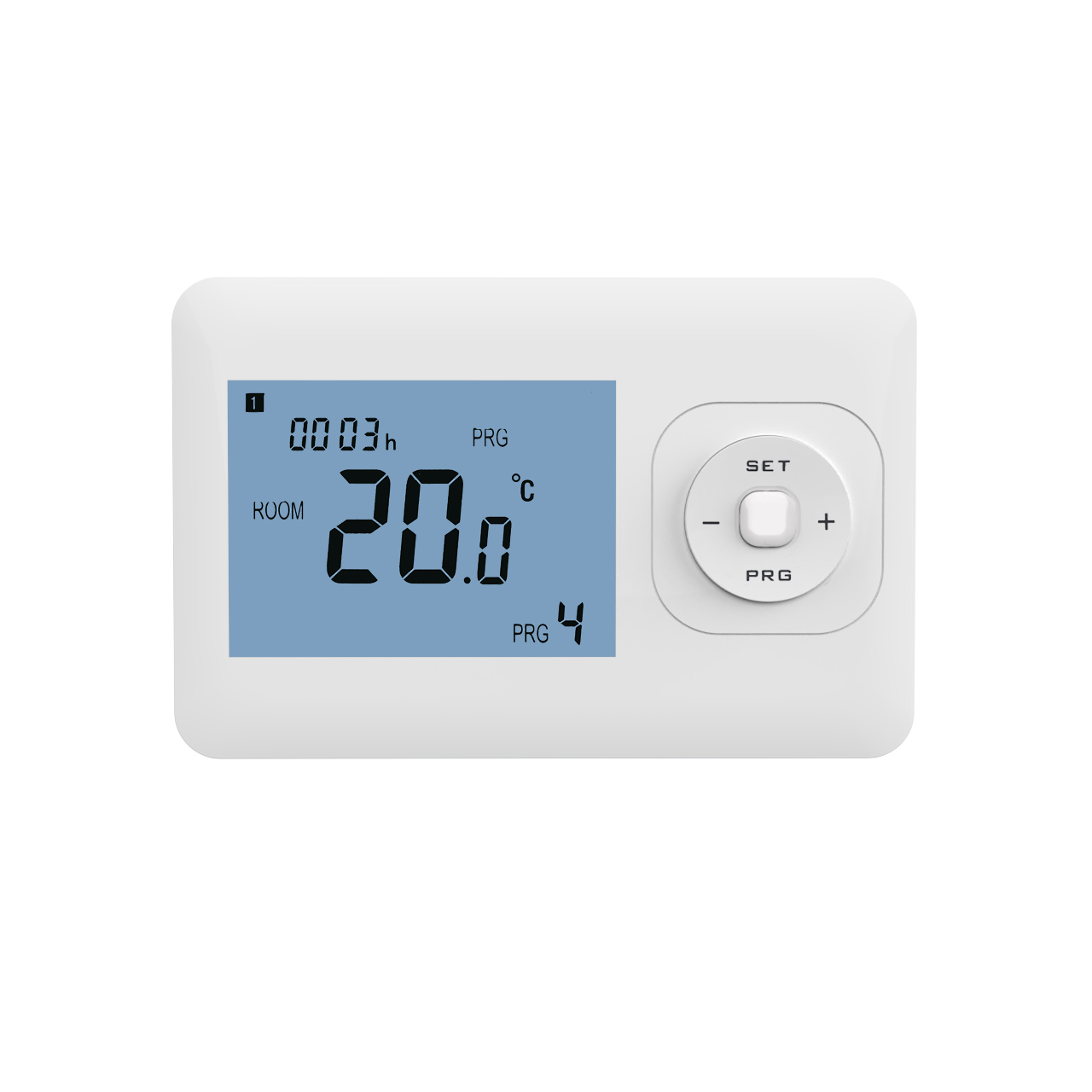
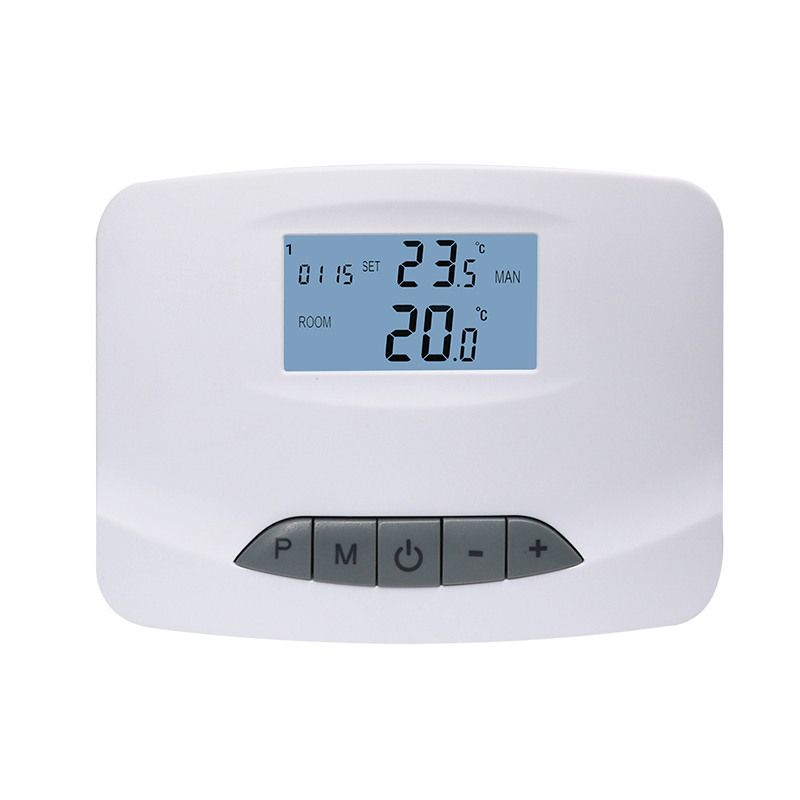
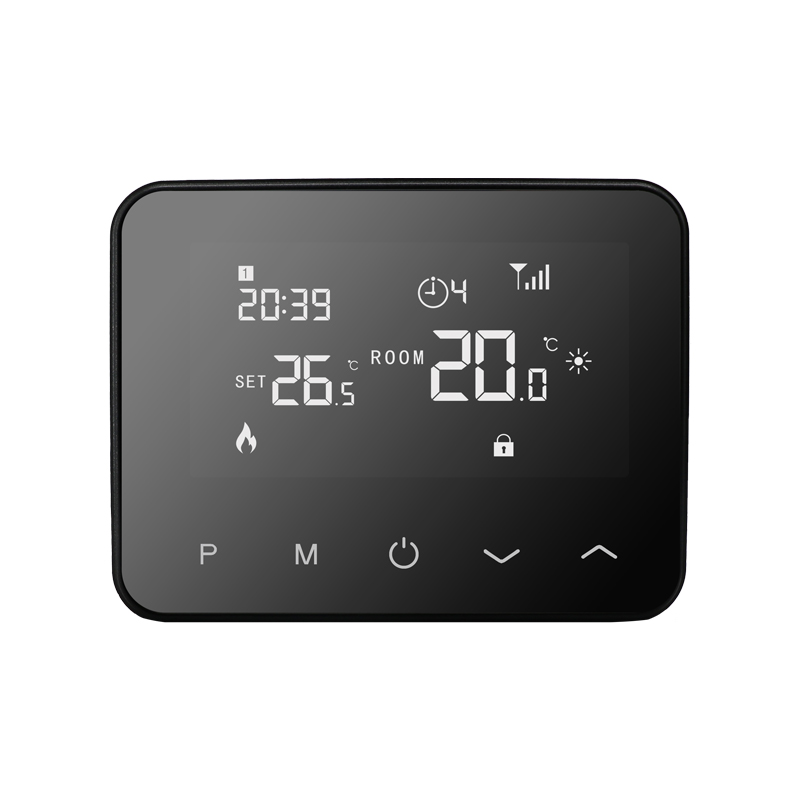
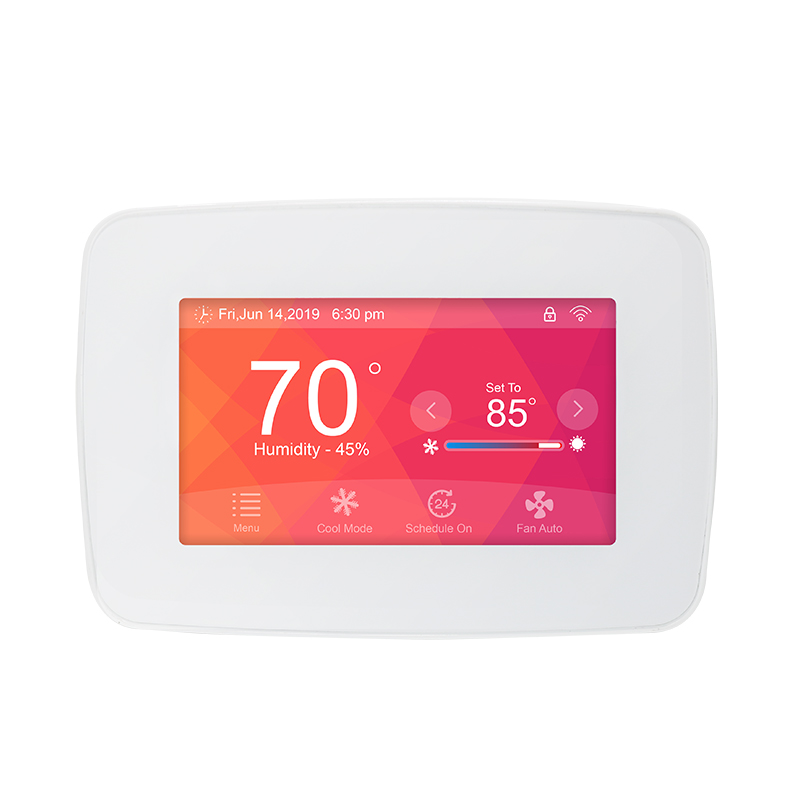
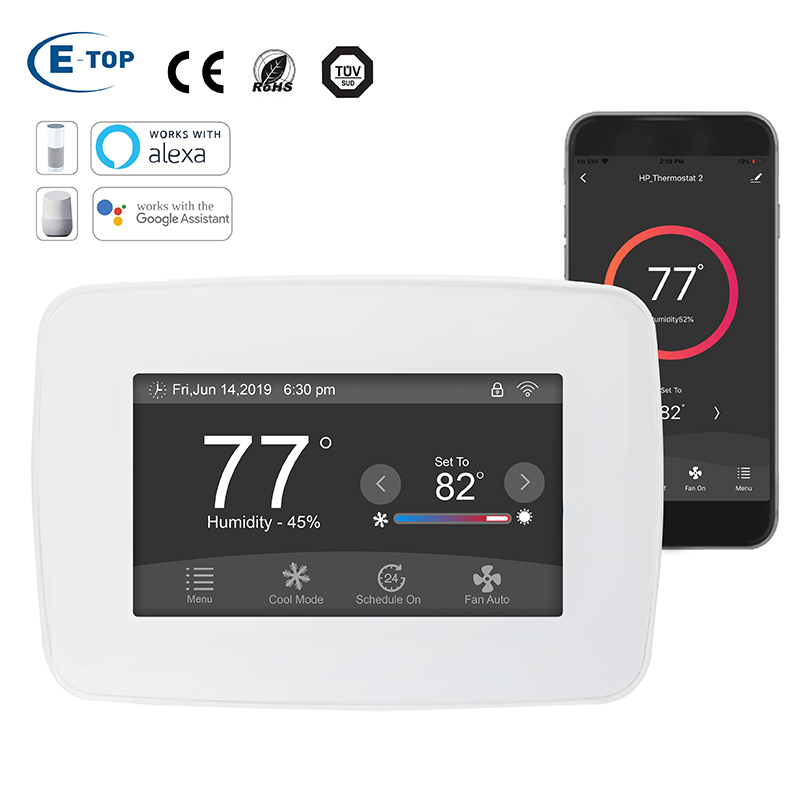
In homes where air conditioning and heating are used frequently, energy bills often rise quickly with seasonal changes. Many people think saving energy simply means “using the system less,” but the way your HVAC system is controlled also has a direct impact on power consumption. The real advantage of a multi-stage 24V thermostat is that it makes HVAC operation more precise. Instead of only turning the system on or off, it adjusts output in stages based on demand, allowing the equipment to maintain temperature in a smarter, more efficient way. When indoor temperatures stay more stable, cycling becomes less frequent, and power output is better managed, energy savings become easier to achieve—without sacrificing comfort. If you want to understand how a multi-stage 24V thermostat saves energy, the five points below explain it clearly and practically.
Multi-Stage Operation Reduces High-Power Waste
With a traditional thermostat, once the system is triggered, it may immediately run at a high intensity. This can cool or heat the room quickly, but it often consumes more electricity than necessary. A multi-stage 24V thermostat divides heating or cooling into different stages. When the temperature difference is small, it starts with a lower stage and uses less power to gradually reach the set point. Only when the difference is larger or the load is heavier does it switch to a higher stage. This type of control works like “smart speed adjustment,” preventing the system from running at full power right away and reducing unnecessary energy use, especially in everyday home environments where temperature changes are not extreme.
Less Cycling Means Lower Startup Power Consumption
In many homes, high energy usage isn’t caused only by long run times—it’s caused by frequent cycling. Compressors and fans draw more power during startup, and the more often the system turns on and off, the more electricity it can waste. Frequent cycling can also make indoor comfort worse, creating noticeable hot-and-cold swings. A multi-stage 24V thermostat uses smoother stage control, allowing the HVAC system to run more steadily instead of short bursts followed by shutdowns. Low-stage operation can maintain a comfortable temperature range, reducing the “off then on again” loop, lowering energy costs, and keeping the system running more smoothly.
More Accurate Temperature Control Prevents Overcooling or Overheating
Energy savings don’t come from setting extreme temperatures—they come from avoiding wasted operation. A common issue is setting the thermostat to 24°C but the room drops to 22°C before the system stops, or setting heating to 20°C but the room climbs to 22°C and feels stuffy. This temperature overshoot makes the system do extra work that doesn’t improve comfort. A multi-stage 24V thermostat adjusts output more precisely: it uses low-stage power when the temperature difference is small, and higher-stage power only when needed. This helps keep the indoor temperature closer to the target range and reduces energy waste caused by unnecessary overcooling or overheating.
Scheduling Improves Efficiency During Low-Use Hours
If your multi-stage thermostat supports programmable scheduling, energy savings become even more noticeable. During work or school hours, or while sleeping, most households don’t need the same strict comfort settings as they do during active hours. A simple schedule can reduce HVAC output during low-demand periods, cutting unnecessary energy use. You don’t need complicated settings—raising the cooling set point slightly when the home is empty, lowering the heating set point a bit, and restoring comfort settings before people return can make a real difference. Multi-stage control also helps the temperature return smoothly, reducing the sudden high-power operation that can cause noise or discomfort.
Smoother Operation Helps Maintain Long-Term System Efficiency
Energy savings aren’t only about short-term electricity bills—they also depend on keeping your HVAC system efficient over time. Frequent high-load operation and constant cycling can wear down key components. As compressors and fans lose efficiency, the system may need more electricity to reach the same indoor temperature, creating hidden energy waste. A multi-stage 24V thermostat supports steadier operation with fewer high-power spikes, helping the system maintain better performance for longer. For homeowners, this means not only lower energy use, but also fewer issues like slower cooling, weaker heating, and increased noise over time.
Conclusion
The energy-saving logic of a multi-stage 24V thermostat is straightforward: it reduces high-power waste through staged output, lowers startup energy use by cutting down on cycling, improves efficiency by preventing temperature overshoot, reduces unnecessary consumption with scheduling, and helps maintain HVAC performance through smoother long-term operation. For families who want both comfort and better energy control, a multi-stage 24V thermostat is a practical upgrade. With proper settings and consistent daily use, it can make saving energy easier and keep electricity costs more manageable.