






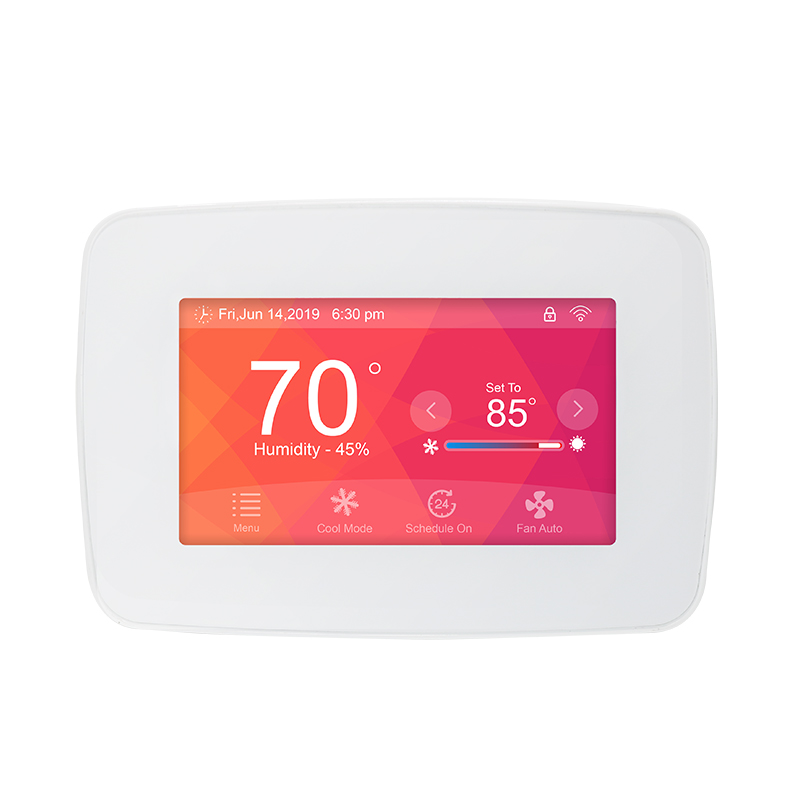
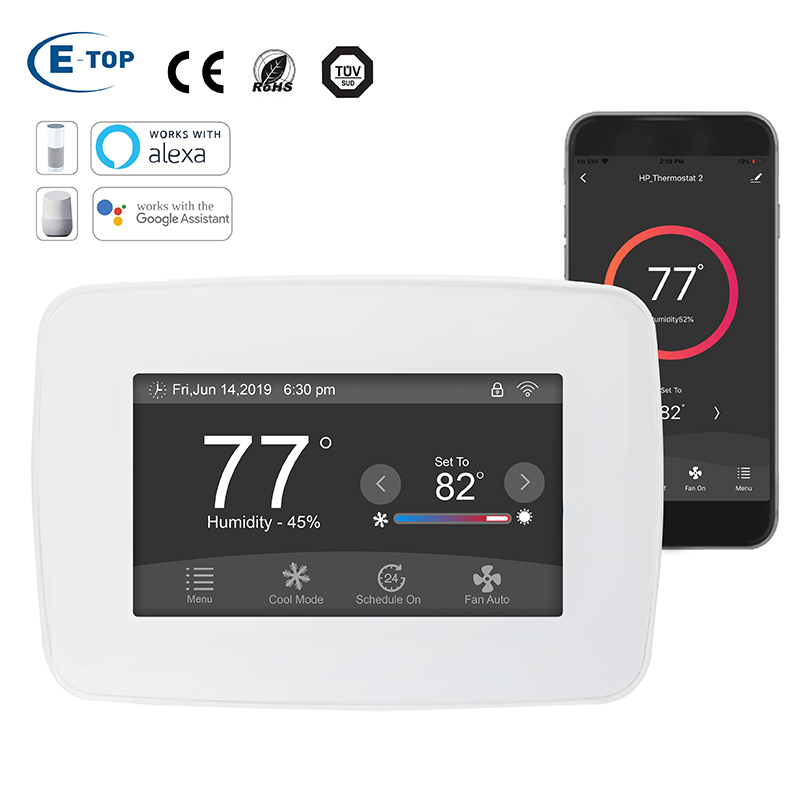
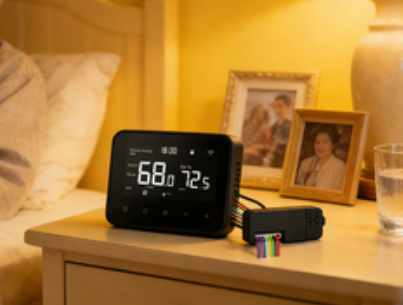
In HVAC systems, the 24V thermostat is a widely used control device, and multi-stage control is commonly applied in environments that require precise temperature regulation. Compared with single-stage control, multi-stage control offers clear advantages in operating logic, energy efficiency, and comfort. Understanding how multi-stage control works in a 24V thermostat helps explain its value in both residential and commercial applications.
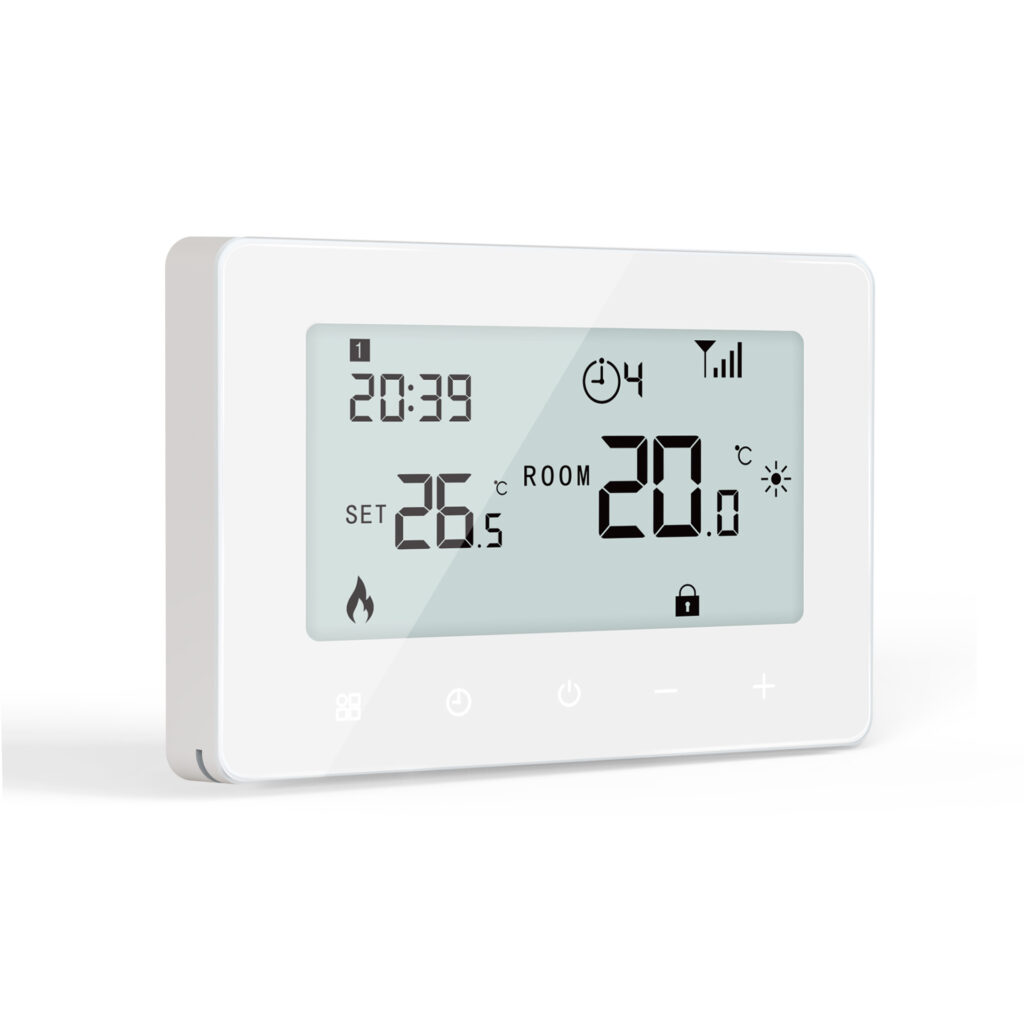
What Is Multi-Stage Control in a 24V Thermostat
Multi-stage control in a 24V thermostat refers to the ability to regulate heating or cooling output in steps. Each stage represents a different level of system capacity or operating mode. The thermostat activates these stages progressively based on the difference between the indoor temperature and the setpoint, rather than running the system at full power immediately.
This stepped approach allows smoother operation and reduces mechanical wear caused by frequent start-stop cycles.
Basic Components of a Multi-Stage Control System
Multi-stage control works through coordination between the thermostat and the HVAC equipment. A typical system includes:
A 24V thermostat control unit
Heating or cooling equipment that supports multi-stage operation
Control wiring and relay modules
These components communicate through low-voltage signals, ensuring that each stage command is executed accurately.
How the Multi-Stage Control Logic Operates
When the indoor temperature deviates from the setpoint, the thermostat first activates the initial stage. This stage usually operates at lower output to adjust the temperature gradually. If the temperature difference remains or persists over time, the thermostat activates the next stage, increasing system capacity.
This step-by-step escalation keeps temperature changes gentle and helps prevent sudden heating or cooling swings.
Multi-Stage Performance in Heating Mode
In heating mode, the multi-stage system responds based on how much the room temperature has dropped. Small deviations trigger only the first stage, while larger or prolonged temperature drops activate additional stages.
The initial stage supplies baseline heat
Intermediate stages increase heating strength
Higher stages are used for faster temperature recovery
This layered result helps maintain stable performance even in colder conditions.
Multi-Stage Performance in Cooling Mode
The same principles apply during cooling operation. As indoor temperatures rise, the thermostat gradually increases cooling capacity.
Lower stages keep the compressor load light for maintaining comfort, while higher stages engage when faster cooling is needed. This process supports efficient energy use and stable indoor conditions.
Impact of Multi-Stage Control on Energy Efficiency
One of the key benefits of multi-stage control is improved energy efficiency. The system operates at higher capacity only when necessary, reducing unnecessary power consumption.
Gradual operation also helps extend equipment lifespan and lower long-term maintenance demands, indicating why multi-stage control is widely adopted in modern HVAC systems.
Role of 24V Control Signals in Multi-Stage Operation
A 24V thermostat sends control signals through different terminals, with each terminal corresponding to a specific stage. The thermostat’s internal logic determines when to activate the next terminal based on temperature behavior.
This low-voltage signaling method provides high safety and simplifies maintenance and system upgrades.
Relationship Between Multi-Stage Control and Comfort
Multi-stage control plays an important role in improving indoor comfort. Temperature adjustments occur more smoothly, reducing noticeable fluctuations and maintaining a consistent environment.
In spaces where temperature stability matters, such as offices, bedrooms, and commercial areas, multi-stage control offers a refined and comfortable climate experience.
Influence of Installation and Settings on Performance
The effectiveness of multi-stage control depends heavily on proper installation and configuration. Correct wiring, compatible equipment stages, and accurate parameter settings all affect how well the system performs.
Verifying supported stages and applying appropriate configurations during installation helps ensure stable and reliable multi-stage operation.
Ending
Multi-stage control in a 24V thermostat manages heating and cooling output through step-based regulation, delivering smoother and more efficient temperature control. Its progressive response mechanism improves energy performance and enhances indoor comfort. As demand for precise HVAC control continues to grow, multi-stage control remains an increasingly valuable feature across many application settings.