
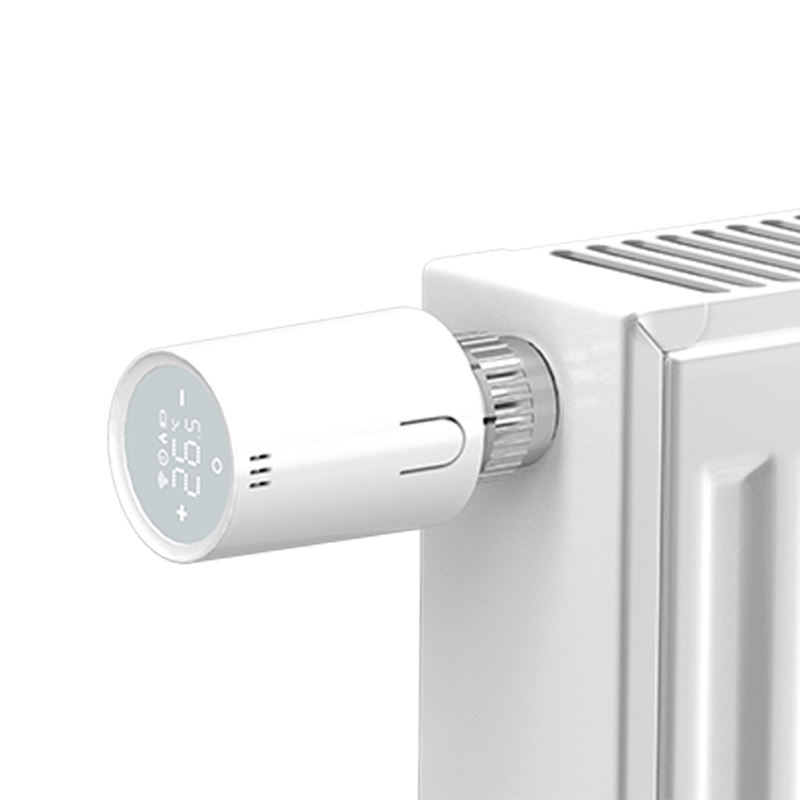
In the cold winter, the thermostatic valve of the radiator, as a key component in regulating indoor temperature, directly affects the comfort of living. However, many users encounter the problem that even though the thermostatic valve is open, the radiators are still not hot. There are several reasons behind this problem, which this article will analyze one by one and provide corresponding solutions.
Air Accumulation Inside the Radiator: The Problem of Air Blockage
Air accumulation inside the radiator is one of the common reasons why radiators are not heating up. When air accumulates inside the radiator, it forms an “air blockage,” hindering hot water circulation and preventing some or all of the radiators from effectively dissipating heat. In this case, users can try opening the manual air vent valve on the radiator to release the air. To do this, prepare a container to catch the drained water, and gently loosen the air vent valve with a screwdriver until a steady flow of water comes out without any bubbling sounds, indicating that the air has been released. For ultra-thin radiators, it may be necessary to remove the decorative cover first to access the air vent valve.
Clogged or Damaged Thermostatic Valve: The Root Cause of Water Flow Obstruction
As a key component controlling water flow to radiators, the thermostatic valve, if clogged with impurities or damaged, will prevent water from flowing properly, thus affecting the heating effect of the radiators. Users should first check if the thermostatic valve is fully open. If it is open but the problem persists, cleaning or replacing the thermostatic valve is necessary. During cleaning, the inlet and outlet valves must be closed, the thermostatic valve removed for internal cleaning, or a new thermostatic valve can be replaced to restore its normal function.
Pipe System Problems: Hidden Dangers of Poor Circulation
Besides problems with the radiators themselves, the condition of the pipe system can also affect the heating effect of the radiators. For example, clogged pipes, dirty filters, reversed inlet and outlet pipes, or reversed main pipe connections can all prevent hot water from flowing smoothly to the radiators. For these problems, users should check the pipe system for blockages or reversed connections, and if necessary, have a professional clean or adjust the pipes. The filter, in particular, should be cleaned regularly to ensure unobstructed water flow.
Insufficient System Pressure and Pressure Differential: Insufficient Water Flow Power
The pressure and pressure differential of the heating system are crucial factors affecting the heating effect of radiators. If the system pressure is too low or the pressure difference between the inlet and outlet water is too small, the water flow will slow down or even stop, preventing the radiators from heating sufficiently. Users can check the system pressure by observing the pressure gauge or consulting the property management. If the pressure is insufficient, contact the heating company or property management for adjustment. Simultaneously, ensure that the inlet and outlet water valves are fully open to maintain a sufficient pressure differential to promote water circulation.
Insufficient Radiator Configuration: Mismatch Between Heat Output and Demand
In some cases, even if the radiator thermostatic valve is open normally and the system is fault-free, the radiators may still not heat up. This may be due to insufficient radiator configuration, meaning the heat output cannot meet the indoor heat load demand. For example, poor building insulation, poorly sealed windows, or too few radiators can all lead to insufficient indoor temperature. In this case, users can consider increasing the number of radiators or replacing them with radiators with higher wattage ones to improve overall heat dissipation.
The problem of radiators not heating up even when the thermostat valve is open can be caused by a variety of reasons, including air buildup inside the radiator, a blocked or damaged thermostat valve, problems with the piping system, insufficient system pressure or differential pressure, and inadequate radiator configuration. By troubleshooting each possibility and taking appropriate solutions, users can effectively resolve the issue of radiators not heating up and enjoy a warm and comfortable winter.