
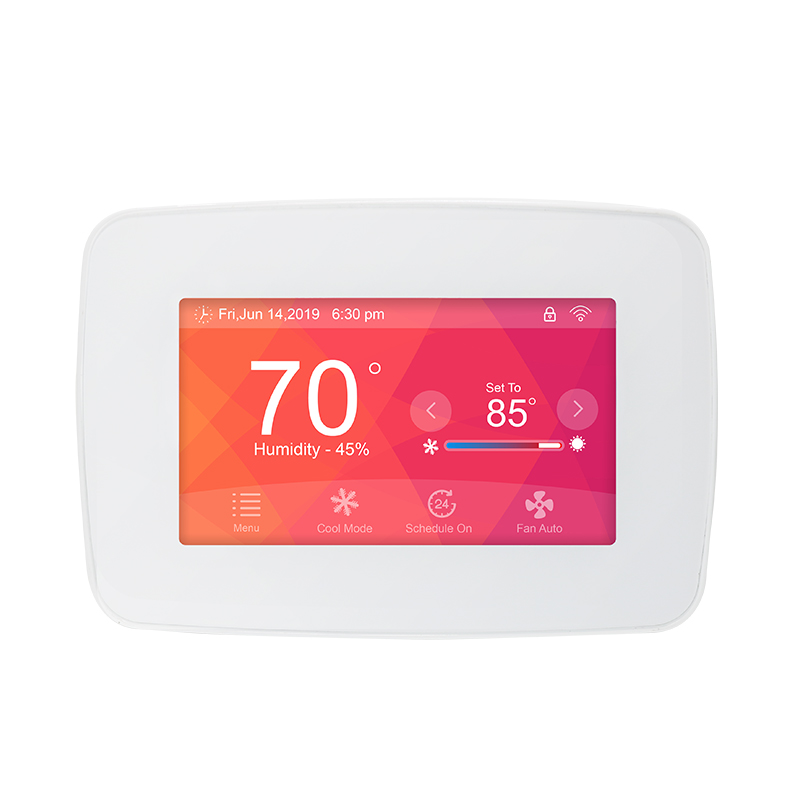
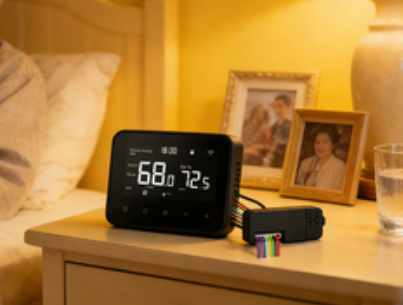
With the development of smart home technology, plug-in thermostats have gradually become an essential part of home automation systems. Not only do they improve living comfort, but they also help households manage energy more efficiently and reduce electricity costs. This article will analyze the role of plug-in thermostats in smart homes and how they are transforming daily life.
What is a Plug-in Thermostat?
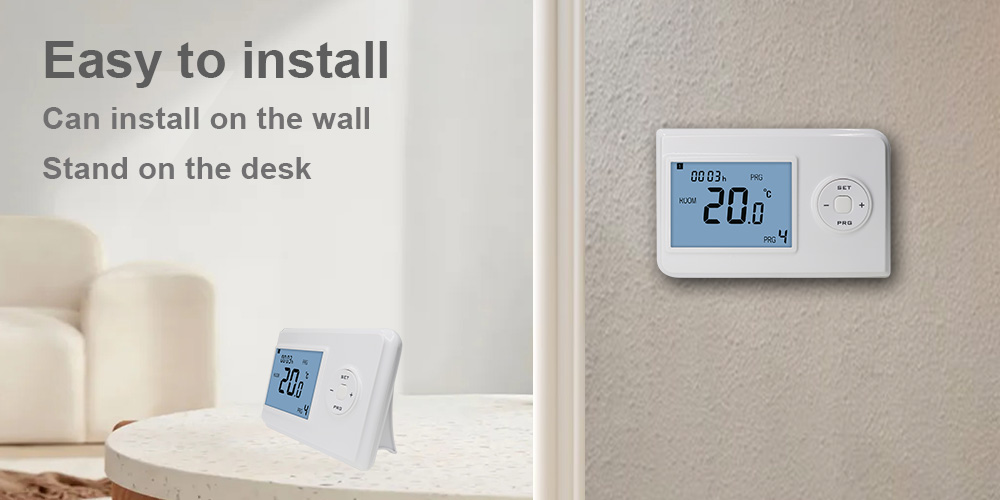
A plug-in thermostat is a device that controls heating equipment (such as electric heaters, oil radiators, and electric water heaters) by plugging it into a power outlet. Unlike traditional wall-mounted thermostats, plug-in thermostats are easy to install. You only need to plug them into an existing power outlet to activate the temperature control function, making them especially suitable for rental homes or spaces where wiring modifications are not possible.
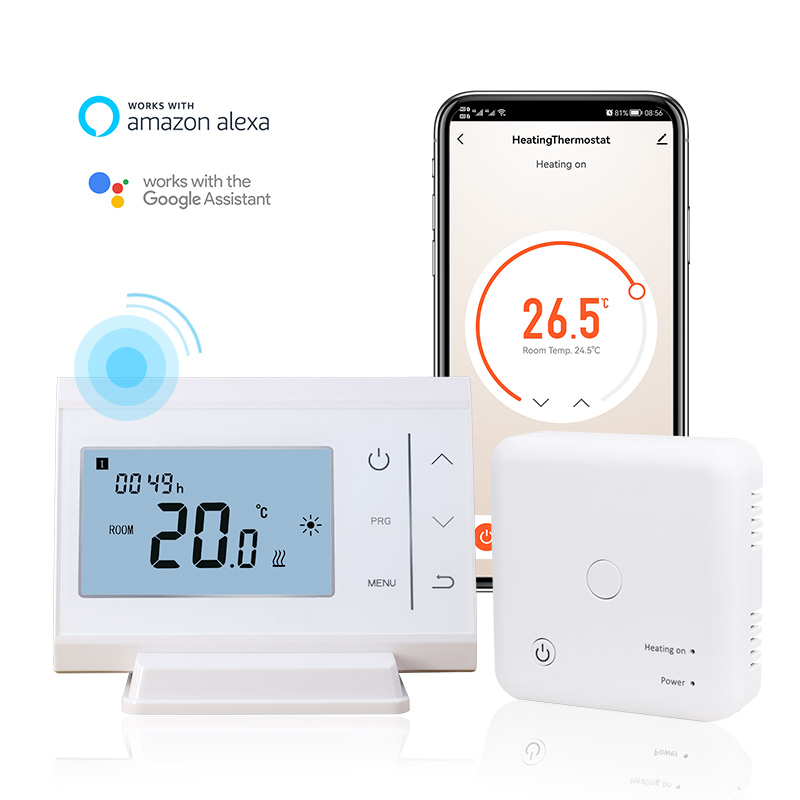
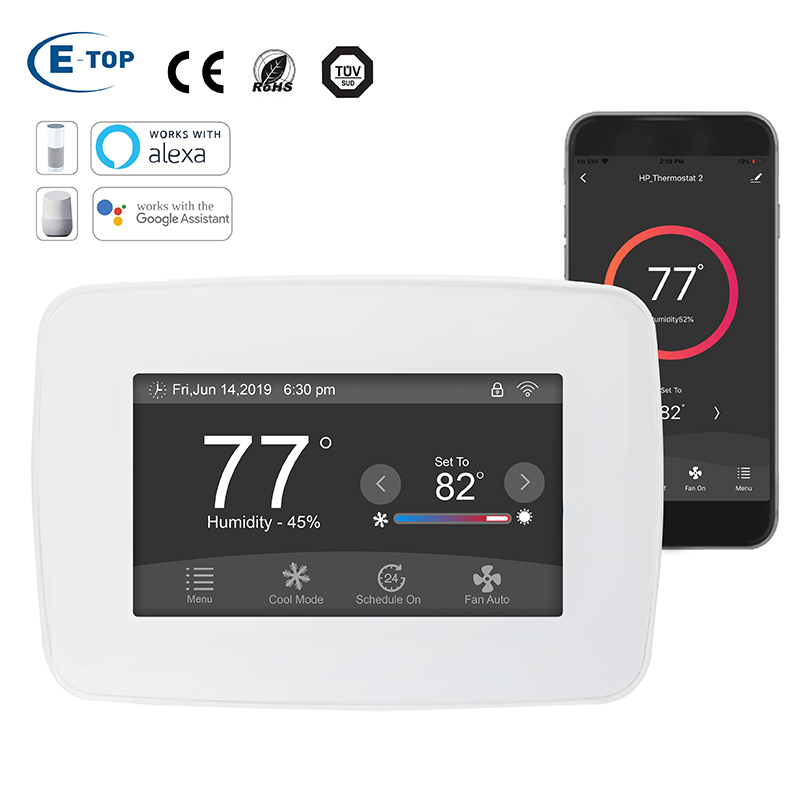
With the rise of smart homes, plug-in thermostats have also integrated wireless communication features, enabling them to work with smartphones, voice assistants, and other devices for smarter temperature control.
Core Functions of Plug-in Thermostats in Smart Homes
1. Remote Control and Smart Adjustment
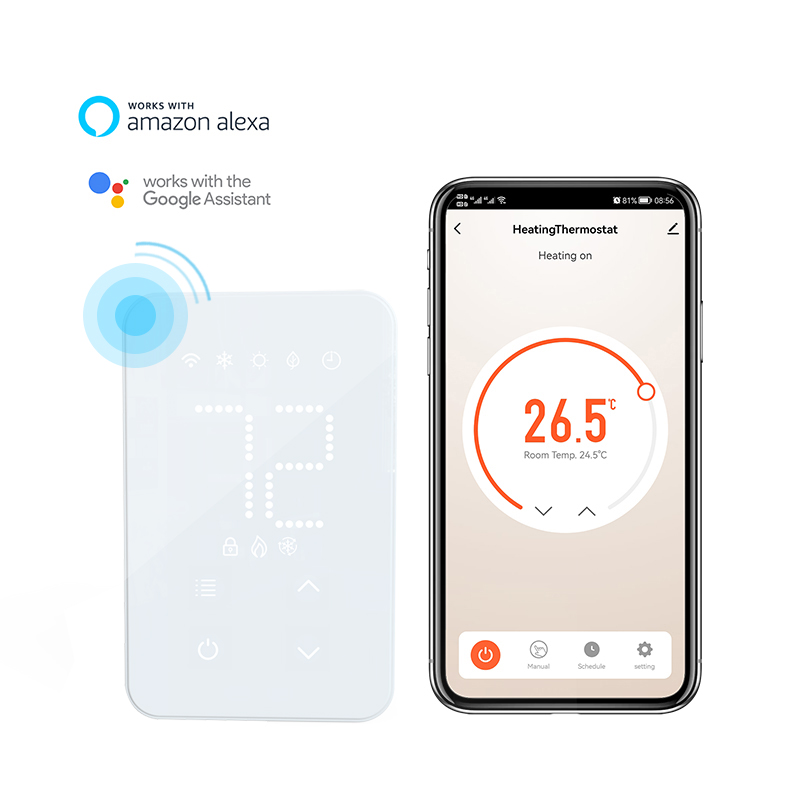
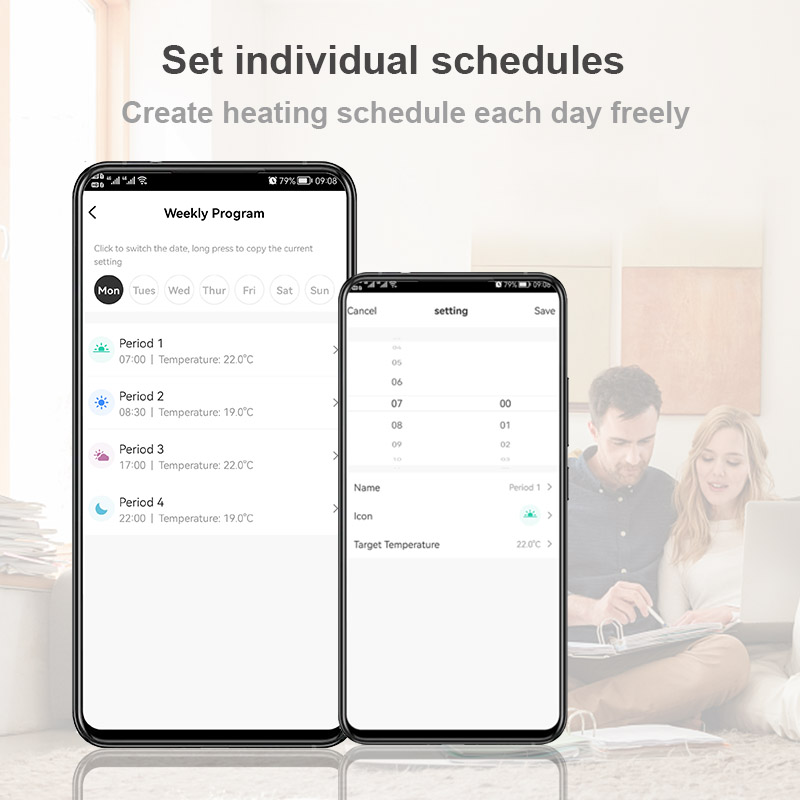
One of the highlights of plug-in thermostats in smart homes is their remote control capability. Users can adjust the temperature at home anytime and anywhere via a smartphone, tablet, or voice assistant. For example, users can remotely turn on the thermostat before they return home, ensuring the home is at the desired temperature when they arrive. Many plug-in thermostats also support automatic adjustment, changing the temperature based on a preset schedule or environmental changes to suit the household’s needs.
2. Integration with Smart Home Devices
Modern plug-in thermostats can integrate with other smart home devices to form a connected network. For example, when a smart lock detects that someone has returned home, the plug-in thermostat can automatically turn on, providing a comfortable temperature. Similarly, when a smart curtain detects that the outside temperature is too high, the thermostat can automatically shut off to save energy. This intelligent linkage greatly enhances convenience and comfort in daily life.
3. Voice Control Integration
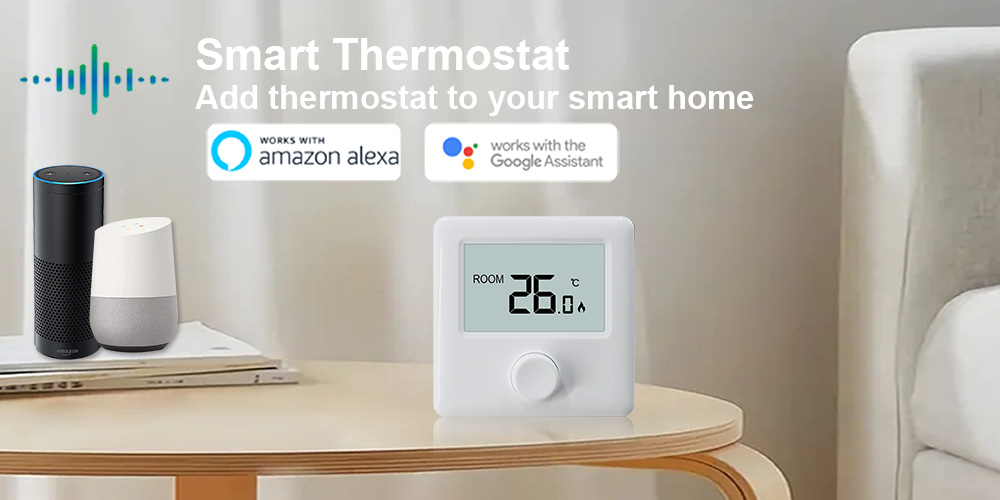
With the widespread use of voice assistants such as Alexa, Google Assistant, and Siri in smart homes, plug-in thermostats now also offer voice control functionality. Users can easily adjust the home temperature with simple voice commands, such as “Alexa, set the living room temperature to 22°C.” This feature not only makes operation convenient but also improves the quality of life, especially for the elderly or those with mobility issues.
4. Energy Management
Energy efficiency is one of the key roles of plug-in thermostats in smart homes. Smart plug-in thermostats can learn the user’s temperature habits and automatically adjust settings based on environmental changes. For example, the system can lower the temperature when no one is at home or automatically turn off the heater at night, avoiding energy waste. With precise temperature control and efficient energy management, households can significantly reduce electricity costs.
5. Data Analysis and Reporting Features
Many smart plug-in thermostats come with data analysis features that track and analyze the household’s temperature usage patterns. Users can view temperature data and energy consumption reports through a mobile app, gaining better insight into how energy is used in their home. Some devices even provide energy-saving recommendations, helping users further reduce energy consumption.
Advantages of Plug-in Thermostats in Smart Homes
1. Improved Comfort
By providing precise temperature control and automated management, plug-in thermostats ensure that the home remains within a comfortable temperature range at all times. Users no longer need to manually adjust the thermostat frequently or worry about temperature instability caused by changing weather conditions. This improves convenience and overall comfort.
2. Energy Savings
One of the core benefits of smart homes is energy efficiency. Plug-in thermostats reduce unnecessary heating or cooling time through automatic adjustments and remote control, helping to lower overall energy consumption. With energy-saving modes, the device minimizes unnecessary on/off cycles, resulting in lower electricity bills.
3. Lower Installation Costs
Compared to wall-mounted thermostats, plug-in thermostats are easy to install and require no professional installation. Users simply plug the device into an existing outlet, making them ideal for renters or households where electrical system modifications are not an option. Additionally, plug-in thermostats are typically user-friendly, requiring no additional setup costs after installation.
4. Remote Control and Flexibility
With the ability to integrate with other smart home devices, plug-in thermostats allow users to control the temperature remotely at any time. Whether in the office, traveling, or on the way home, users can adjust the temperature via a mobile app, ensuring a comfortable environment. This flexibility and convenience make plug-in thermostats an increasingly important feature in smart homes.
Conclusion
As an integral component of smart homes, plug-in thermostats offer numerous features, including remote control, voice commands, energy management, and automatic temperature adjustment. These devices not only help households achieve temperature automation but also optimize energy consumption and enhance overall convenience. With the ability to integrate seamlessly into smart home networks, plug-in thermostats play a crucial role in creating a more comfortable and efficient living environment. In today’s smart homes, plug-in thermostats are undoubtedly essential tools for improving quality of life and reducing energy waste.