






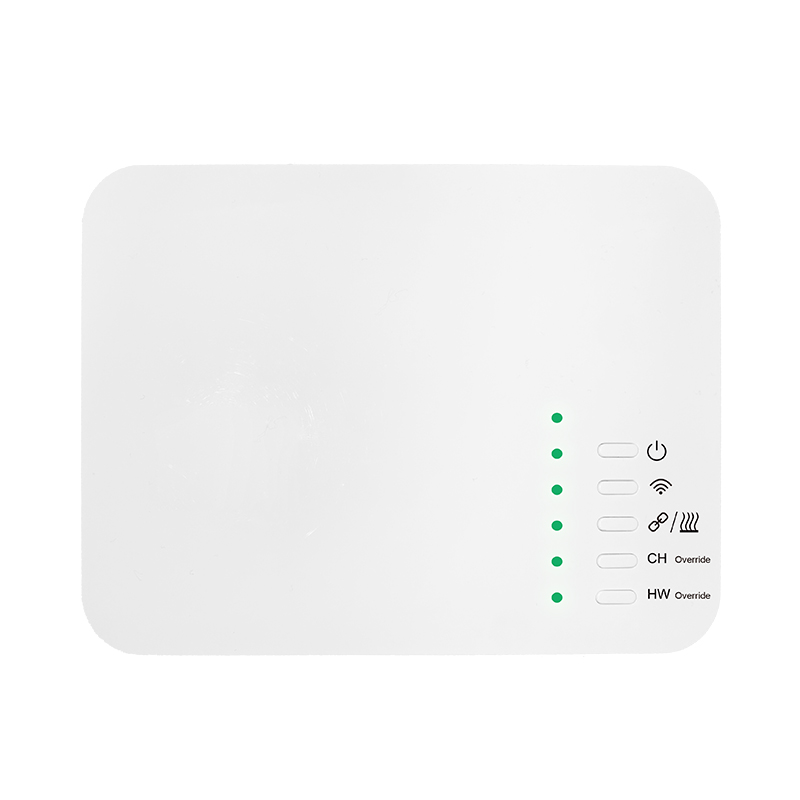
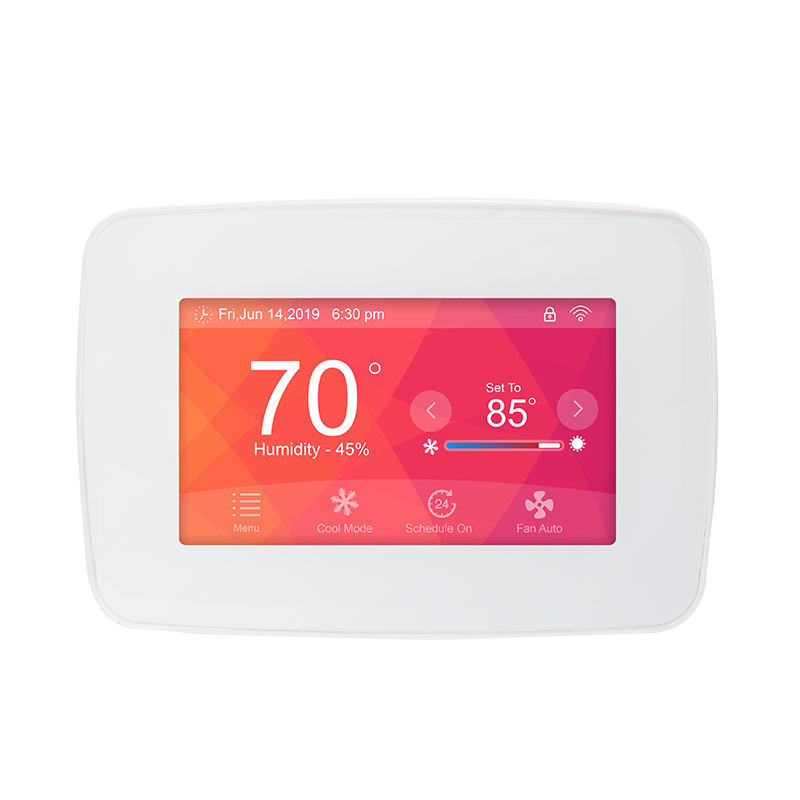
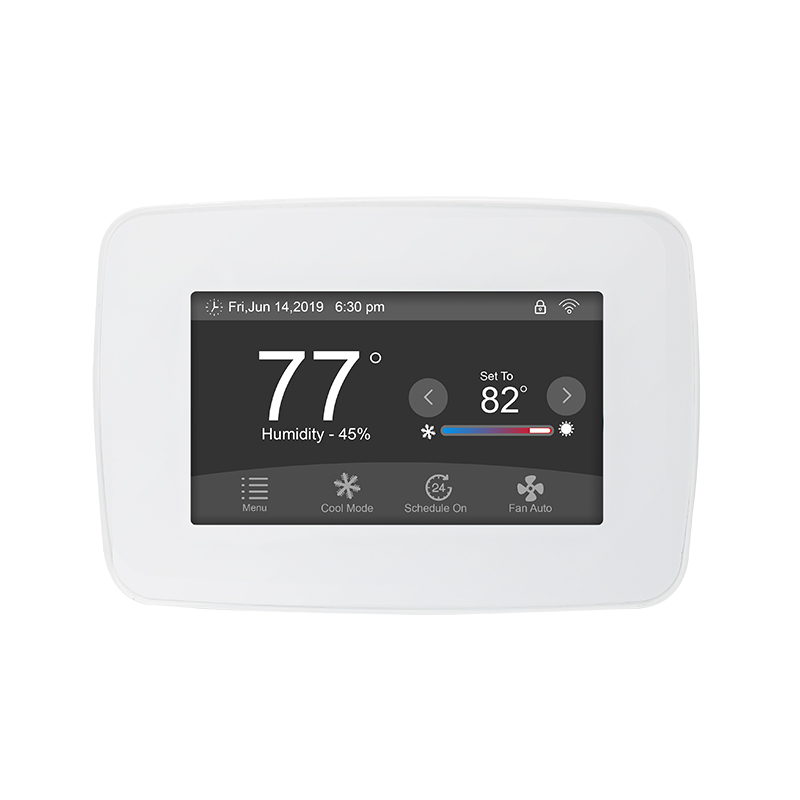
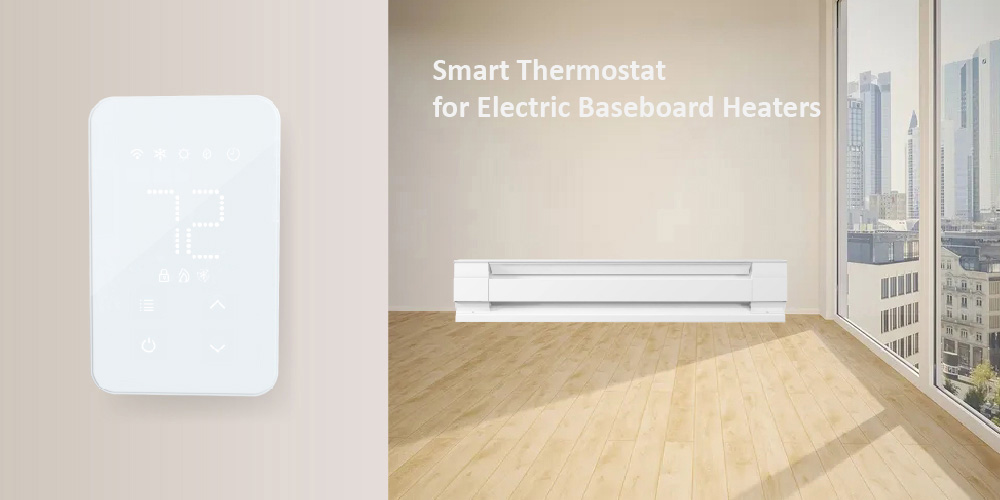
In modern buildings and residential environments, people’s requirements for air conditioning and heating systems are no longer limited to simply “working,” but rather focus on comfort, stability, energy efficiency, and ease of use. Heat pump PTAC thermostats have gradually demonstrated their advantages against this backdrop. Represented by product number CH7400, these thermostats integrate multiple practical functions to meet the needs of different system types and usage scenarios. They are not only suitable for heat pump systems but also compatible with heating-only and cooling-only systems, offering great flexibility in installation and application. Furthermore, they align with the development trend of smart homes, supporting voice control and remote operation via mobile phone, making temperature management simpler and more intuitive. Overall, the advantages of heat pump PTAC thermostats are not reflected in a single function but rather in their comprehensiveness and practicality. Whether for ordinary users or for centrally managed venues such as hotels and apartments, these thermostats can improve comfort while helping to achieve more reasonable energy consumption control. With its stable hardware design and clear control logic, it performs reliably in daily use, reducing issues such as misoperation and system incompatibility.
Strong System Compatibility
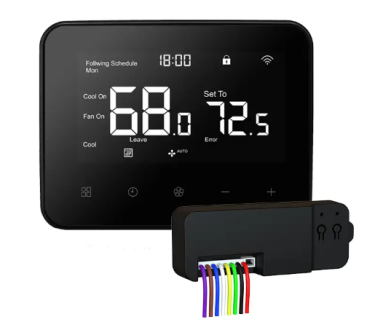
A major advantage of heat pump PTAC thermostats is their excellent system compatibility. Taking the CH7400 as an example, it supports two-stage heating and two-stage cooling (2H/2C), adapting to various operating needs. This multi-stage control method allows the system to make more precise adjustments based on changes in indoor temperature, rather than simply turning it on or off, thereby improving comfort. Furthermore, this thermostat is not only suitable for standard heat pump systems but also for systems that only provide heating or only cooling. This means that the same type of thermostat can be used under different building conditions and equipment configurations, reducing the complexity of selection and replacement. For users managing multiple rooms or multiple projects, this versatility effectively reduces maintenance costs and management difficulty. At the same time, all systems require a single C-line power supply, making the thermostat’s operation more stable and avoiding control anomalies caused by insufficient power. This unified and clear power supply requirement also helps installers to conduct standardized construction.
Precise Control and Stable Operation
The heat pump PTAC thermostat boasts significant advantages in control precision and system stability. Its two-stage heating and two-stage cooling design allows the device to select the appropriate operating level based on actual load, avoiding frequent start-stop cycles. This not only helps maintain stable indoor temperature changes but also reduces equipment wear and extends the lifespan of the air conditioning system. This thermostat effectively controls heat pump systems with or without auxiliary heating devices. When outdoor temperatures are low and heat pump efficiency decreases, auxiliary heating can be activated as needed, ensuring that indoor temperature is not significantly affected. This intelligent control logic provides users with a relatively stable and comfortable experience under various climatic conditions. From a long-term usage perspective, a stable system is easier to maintain and less prone to malfunctions, which is one of the key advantages of the heat pump PTAC thermostat in practical applications.
High Level of Intelligence
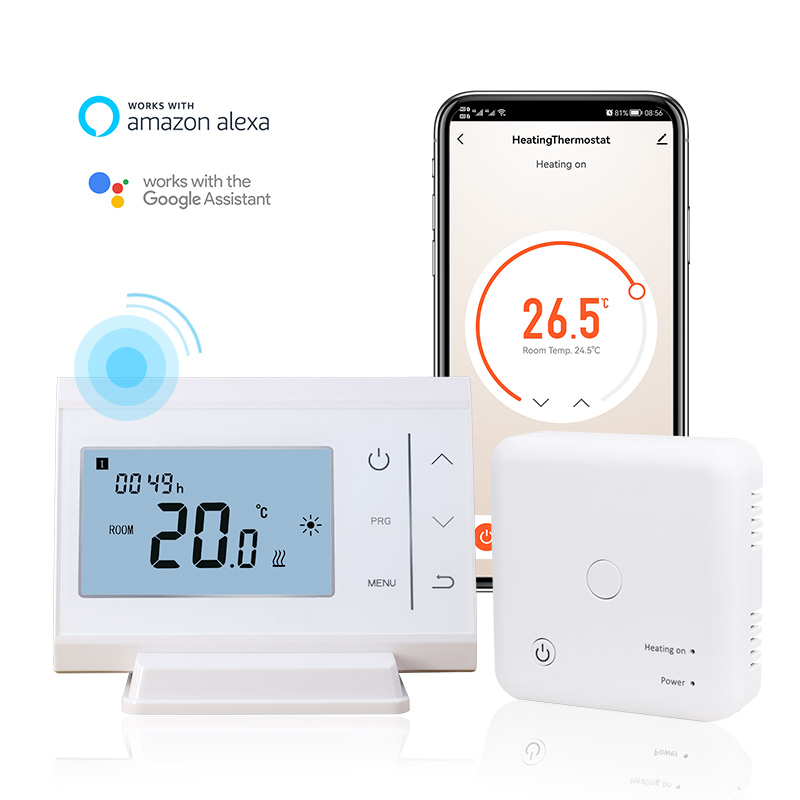
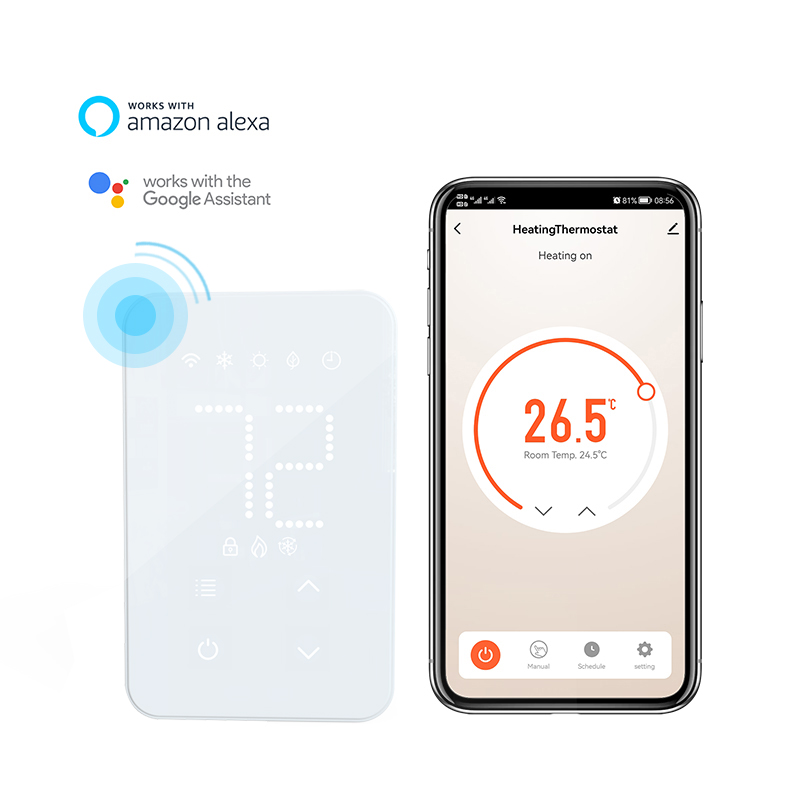
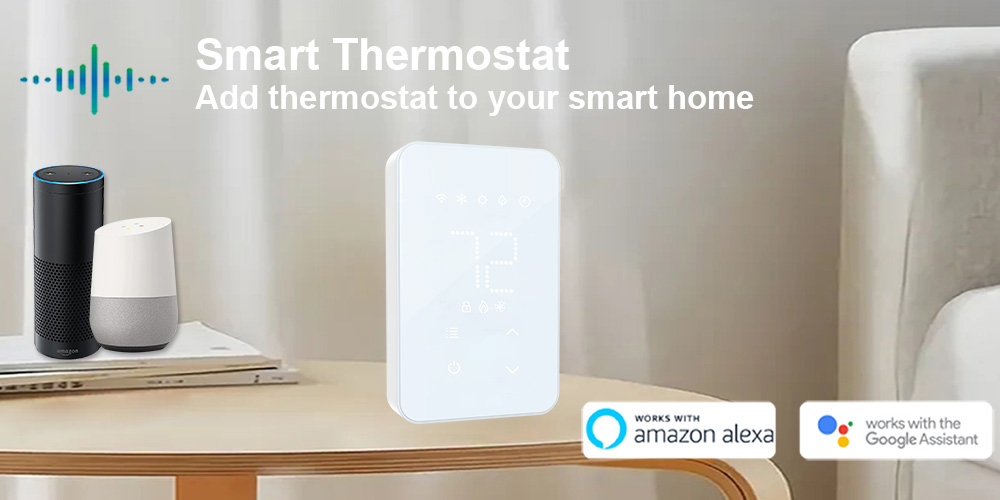
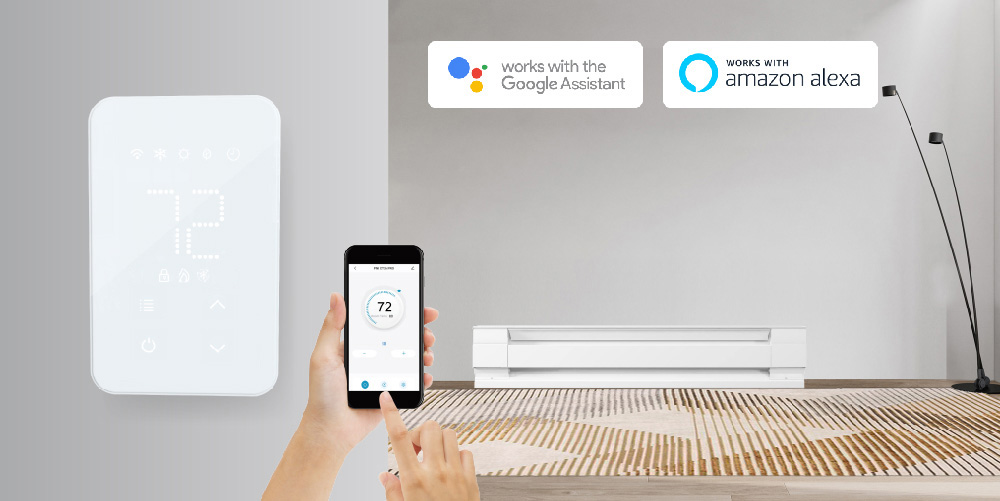
Intelligence is another prominent advantage of the heat pump PTAC thermostat. The CH7400 supports integration with Amazon Alexa and Google Assistant, allowing users to adjust the temperature and switch modes via voice commands. This operation method reduces manual settings, making it particularly suitable for users who prioritize convenience. Meanwhile, users can remotely control their home’s temperature using a free mobile application available for Android and iOS devices. Even when not physically present, they can pre-activate or adjust the air conditioning system to ensure the indoor environment is ideal before returning home. This remote control function is highly practical in daily life and management scenarios. For hotel or apartment management, intelligent features also mean more efficient centralized management capabilities, allowing for reasonable control of the overall operation without disturbing users.
Ease of Use and Efficient Management
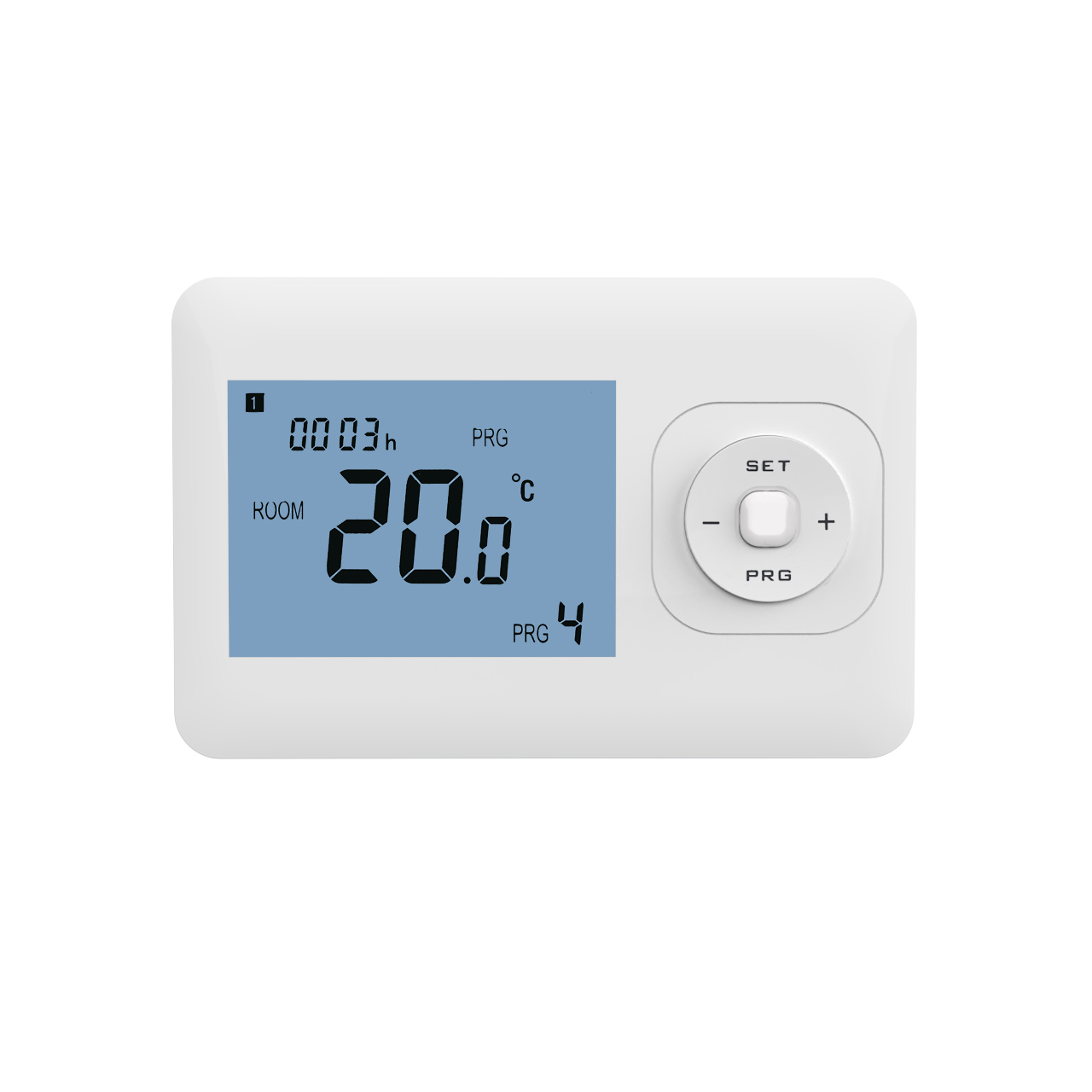
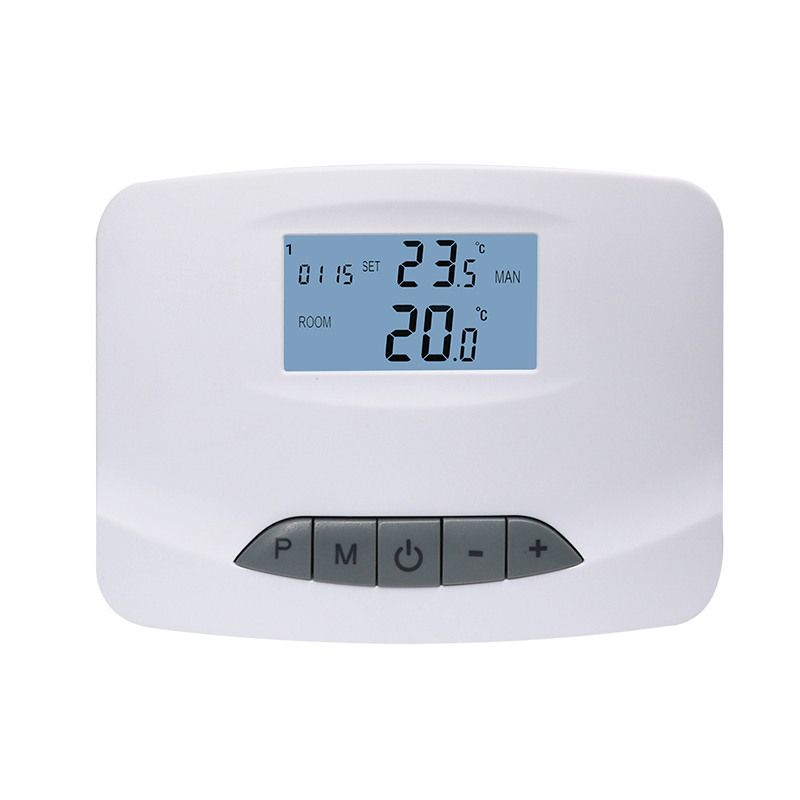
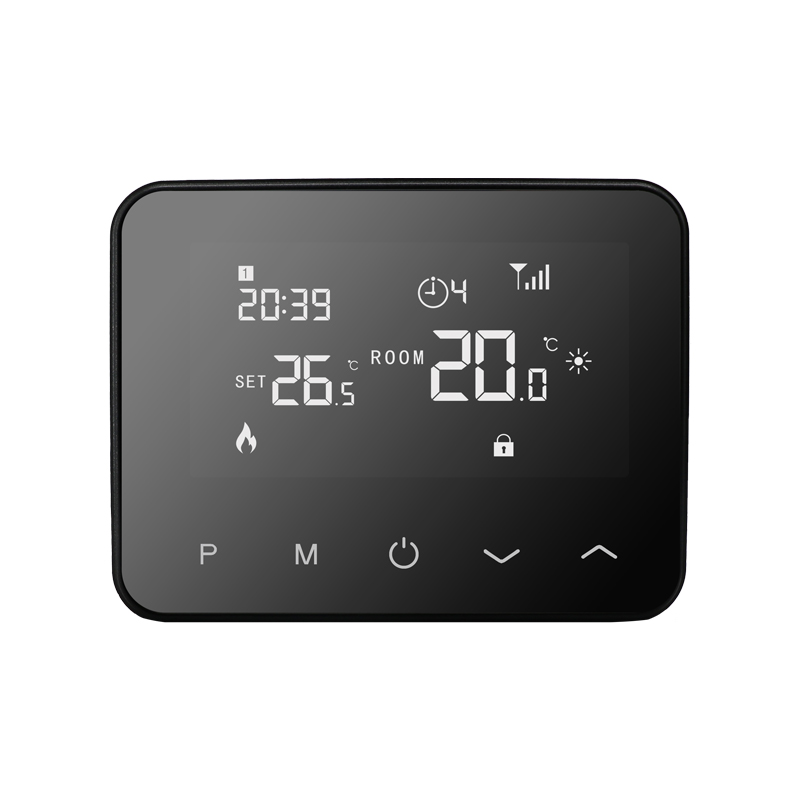
Heat pump PTAC thermostats are designed with intuitive operation and ease of use in mind. A clear interface and simple buttons or touch controls allow users of different ages and habits to quickly get started. Even those unfamiliar with air conditioning systems can easily complete basic settings. At the management level, these thermostats can achieve reasonable limitations on temperature ranges and operating modes through standardized function configurations, thereby avoiding unnecessary energy waste. For locations requiring long-term operation, this efficient management method helps control overall operating costs while ensuring comfort.
Heat pump PTAC thermostats demonstrate significant advantages in system compatibility, control precision, intelligence, and ease of use. Products like the CH7400, by supporting multiple system types, two-stage heating and cooling control, and a stable C-line power supply, provide reliable solutions for various application scenarios. Meanwhile, intelligent functions such as voice control and remote operation via mobile phone make temperature management more flexible and better suited to modern user habits. In practical use, these thermostats not only improve indoor comfort but also play a crucial role in operational stability and management efficiency. Whether for residential users or high-density applications such as hotels and apartments, heat pump PTAC thermostats offer comprehensive and practical advantages beyond meeting basic functional requirements.