






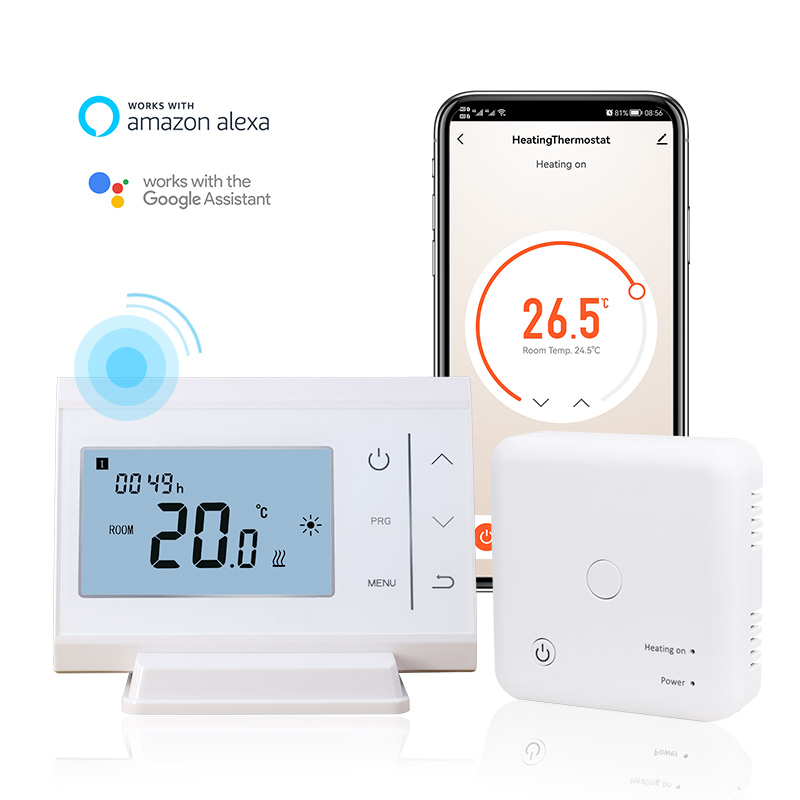
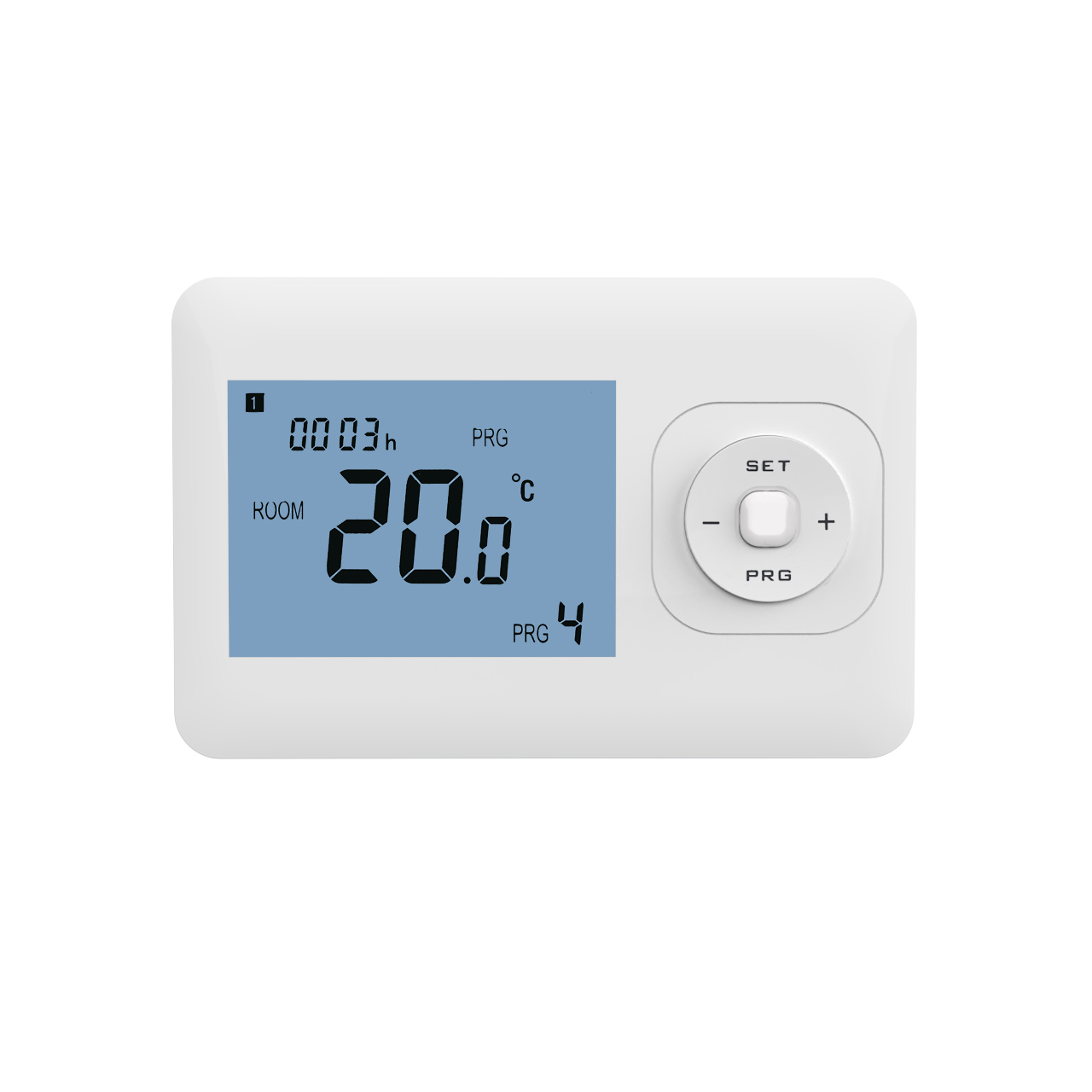
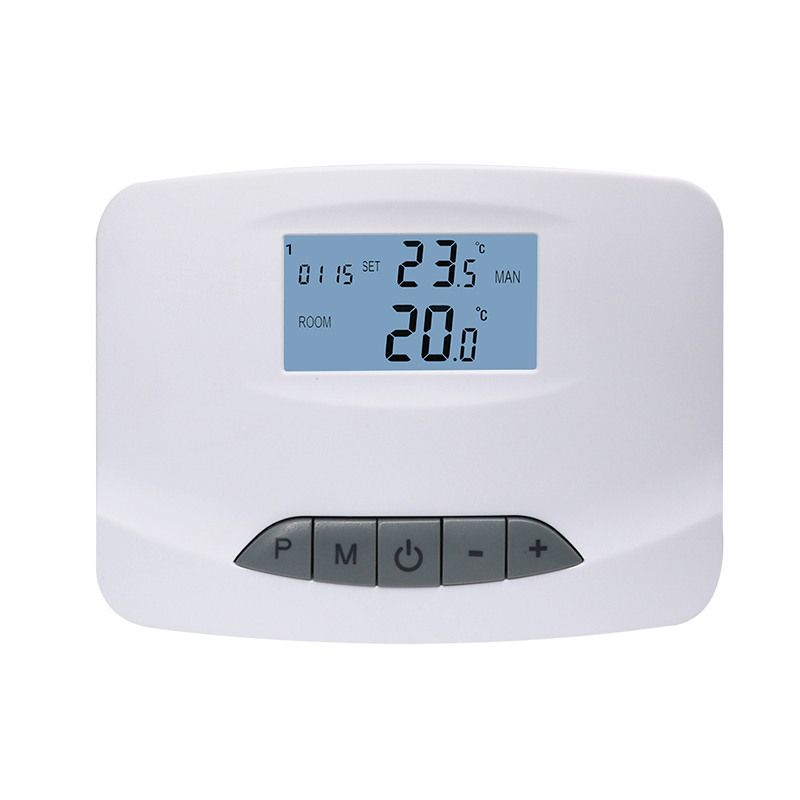
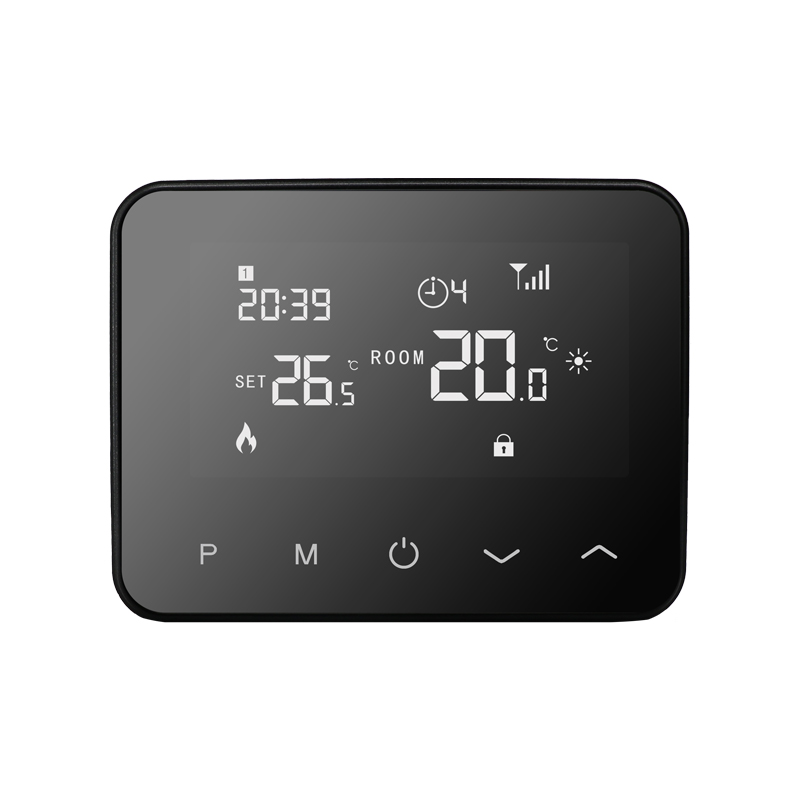
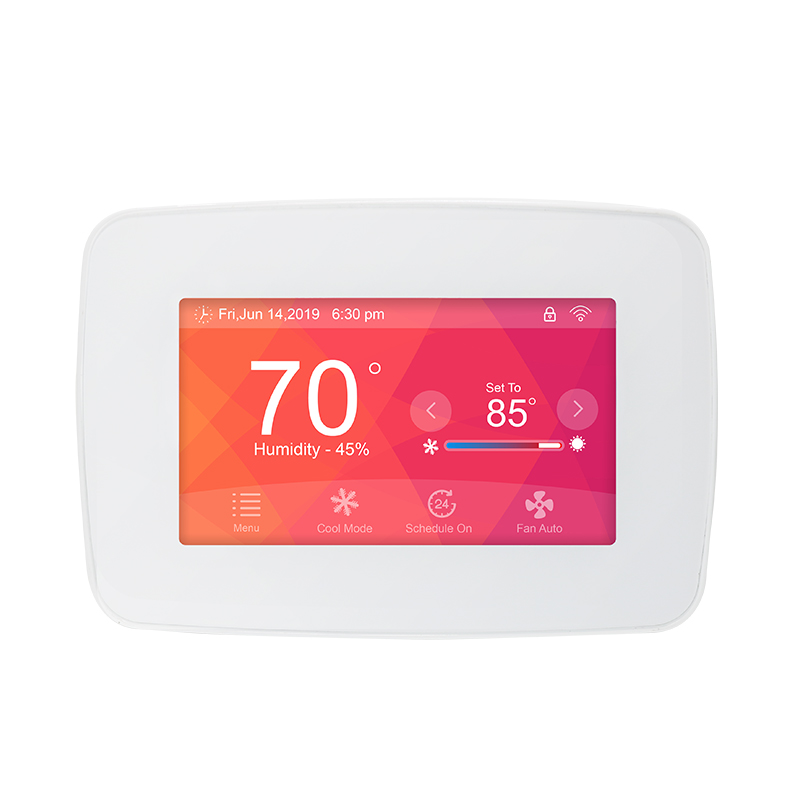
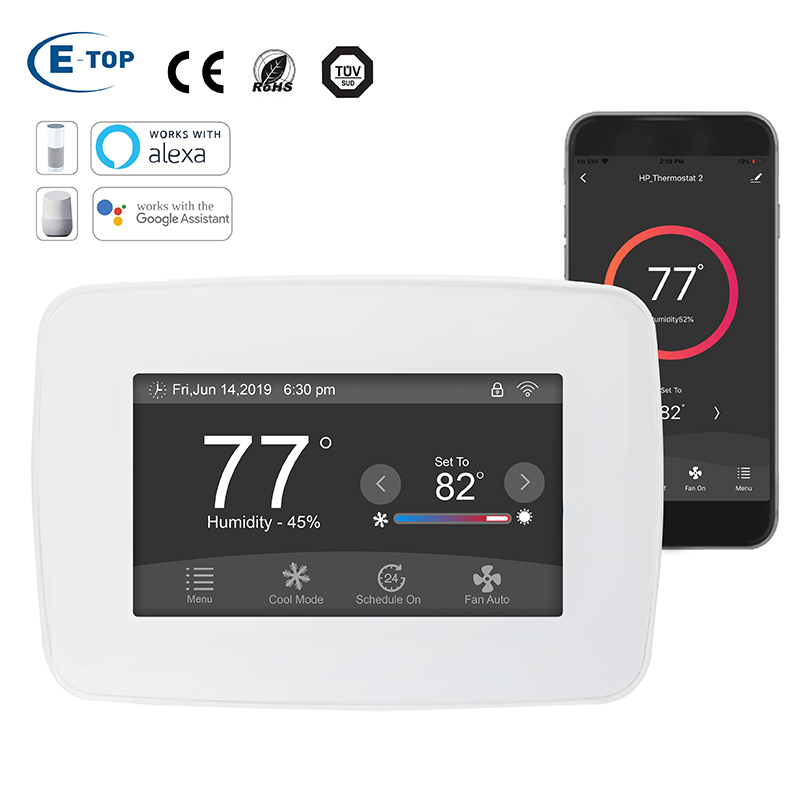
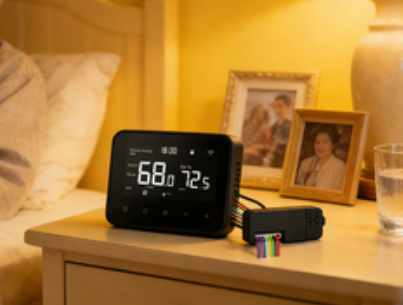
When choosing hotel air conditioning systems, many people notice an interesting phenomenon: whether it’s budget chain hotels, business hotels, or some mid-to-high-end serviced apartments, the guest rooms are often equipped with wall-mounted PTAC (Packaged Terminal Air Conditioner) heat pump systems instead of traditional central air conditioning terminals, each with its own independent thermostat. This configuration has become the mainstream solution in hotel projects in North America, Europe, and some domestic hotels.
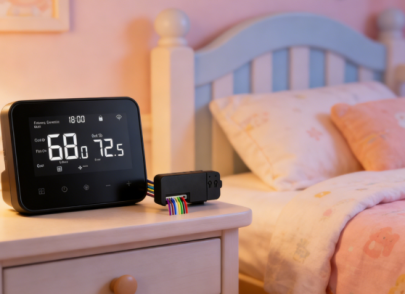
On the surface, these devices are bulky and exposed, seemingly less “advanced” than central air conditioning. However, from the hotel operator’s perspective, they offer comprehensive advantages in terms of cost, maintenance, energy saving, user experience, and management efficiency. The hotel industry highly values operational efficiency and controllable costs; the energy consumption, failure rate, and repair time of any room directly impact profits. PTAC heat pump thermostats are widely adopted precisely because of this demand. From a long-term operational perspective, it’s not just a simple air conditioning unit, but a self-controllable, easily managed, and energy-saving guest room environment solution. Below, we’ll break down the reasons why hotels prefer PTAC heat pump thermostats from multiple perspectives.
More Affordable Initial Investment
Core Features: Low initial investment, quick return on investment
· No complex chilled water system required
· No large machine room needed
· Less piping work
· Independent installation per room
Compared to central air conditioning, PTAC is “one unit per room,” eliminating the need for cooling towers, main machine rooms, water pump systems, or extensive ductwork. Installation only requires pre-drilled wall holes and power supply, significantly reducing civil engineering and electromechanical costs. For hotels with hundreds of rooms, this price difference is very significant, often saving 20%–40% of the initial budget.
Advantages of PTAC
PTAC’s biggest advantage is that “if one unit fails, only one room is affected.” If the central system malfunctions, an entire floor or even the whole building may be unable to cool or heat, directly causing rooms to be unavailable for sale. Hotels highly value occupancy rates, therefore this independent maintenance model is safer and more reliable.
High Energy Efficiency → On-Demand Operation Saves More Electricity
The machine doesn’t need to be turned on when guests are not in their rooms.
PTAC heat pumps, when paired with thermostats, can achieve:
· Timed on/off
· Automatic standby when guests are away
· Individual room billing
·Temperature limiting control Central air conditioning often requires the entire area to operate simultaneously, while PTAC only serves the rooms currently in use. Especially during off-seasons or when occupancy is low, the energy-saving effect is very significant, with long-term electricity bills reduced by more than 30%.
Enhanced Guest Experience
Imagine two scenarios:
Scenario A: Central Air Conditioning
Guests feel too cold → Call front desk → Wait for engineers to adjust → Long waiting time
Scenario B: PTAC Thermostat
Guests press the panel directly → Instantly raise or lower the temperature
The result is clear:
PTAC = Self-adjustment + Instant response + Higher satisfaction
Modern hotels increasingly emphasize a “self-service experience,” and independent temperature control perfectly aligns with this trend.
Suitable for Renovation and Remodeling
Many hotel projects are:
· Old building renovation
· Commercial building converted to hotel
· Apartment converted to guesthouse
These types of buildings often lack pre-designed space for central air conditioning.
PTAC’s advantages are:
✔ No ceiling space required
✔ No large ductwork needed
✔ Can be installed in the wall
✔ Short renovation cycle
Therefore, it has become the preferred solution for renovation projects.
Convenient Management (Summary List)
Hotel managers favor PTAC for another important reason:
·Unified backend control
·Lockable maximum/minimum temperature
·Integration with guest room control systems
·Remote on/off control
·Support for energy consumption statistics
These features help hotels:
→ Control energy costs
→ Prevent guests from running extreme temperatures for extended periods
→ Achieve intelligent operation
This is especially important for chain brands.
Heat Pump Function
Ordinary air conditioners can only cool, while PTAC heat pumps offer cooling, heating, and automatic switching.
In temperate climates, heat pumps are 40%–60% more energy-efficient than electric heating.
A single unit addresses both summer and winter needs, reducing equipment types and maintenance complexity.
From initial investment control to ease of maintenance during daily operation, to long-term energy savings and enhanced guest experience, it demonstrates stability and reliability across almost every key indicator. For the hotel industry, which prioritizes high occupancy rates, high turnover rates, and low operating costs, this “independent, modular, and highly controllable” air conditioning solution naturally possesses a commercial advantage. Meanwhile, competition in the hotel industry is intensifying, and profit margins are constantly shrinking. Any technological solution that can reduce energy costs, shorten maintenance time, and minimize downtime losses will be highly sought after. PTAC heat pump thermostats perfectly meet these practical needs. They provide each room with an independent microclimate system, ensuring guest comfort while allowing managers to more easily control overall energy consumption and service quality. Therefore, whether for new hotels or renovation projects, PTAC heat pump thermostats will continue to be a cost-effective choice. For hotels that prioritize cost control and operational efficiency, it’s not just an air conditioning unit, but a proven and mature operational tool.