






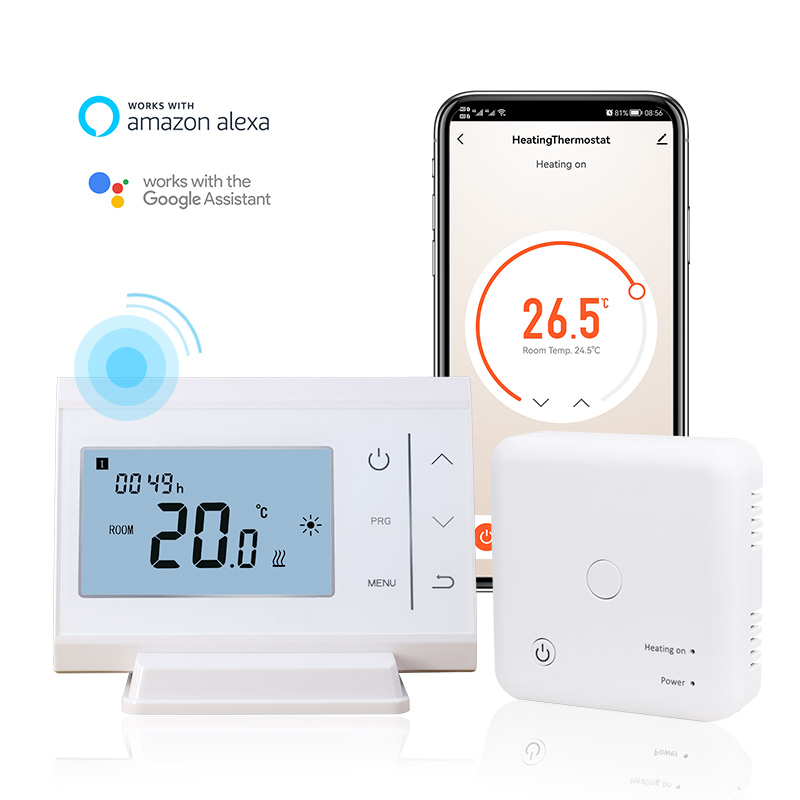
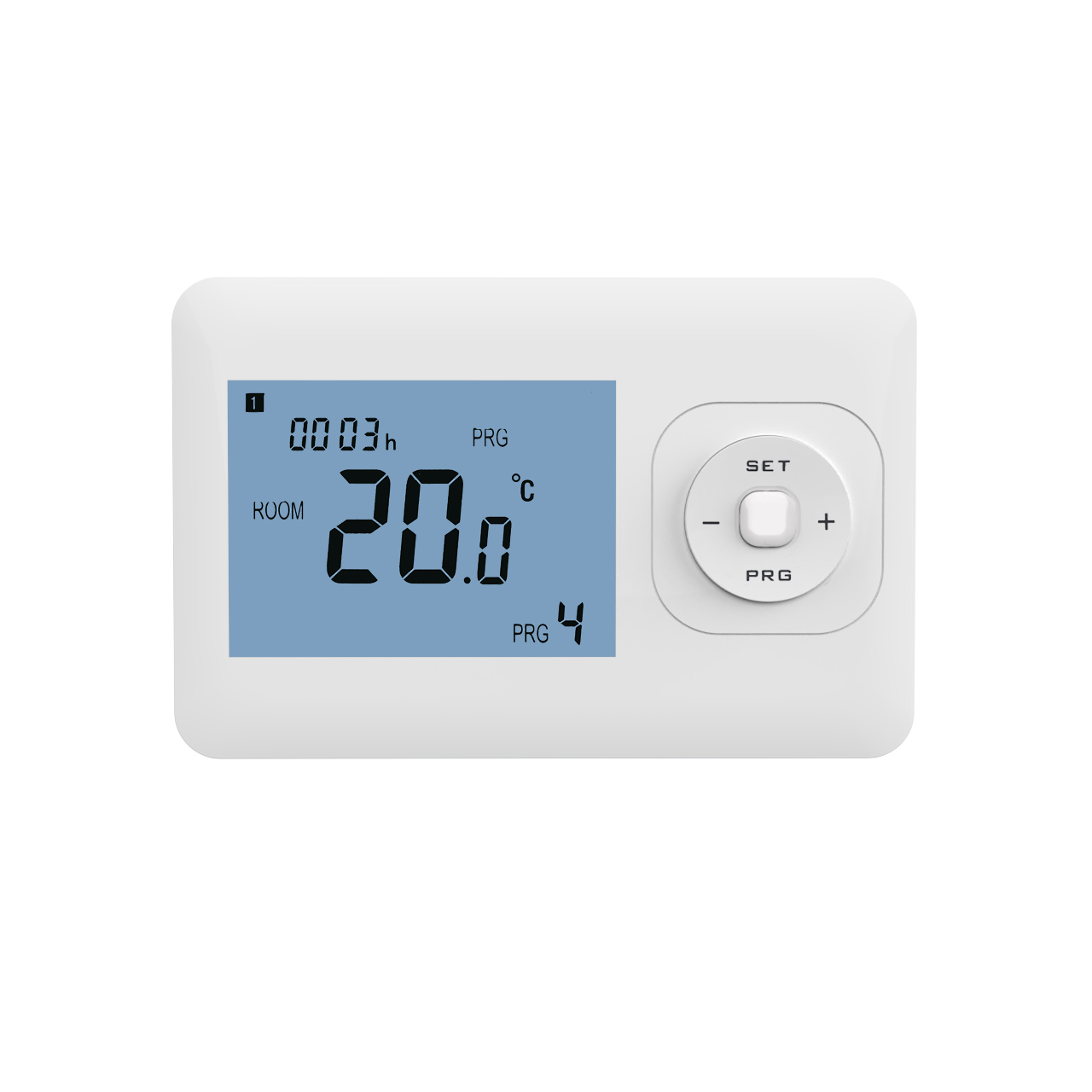
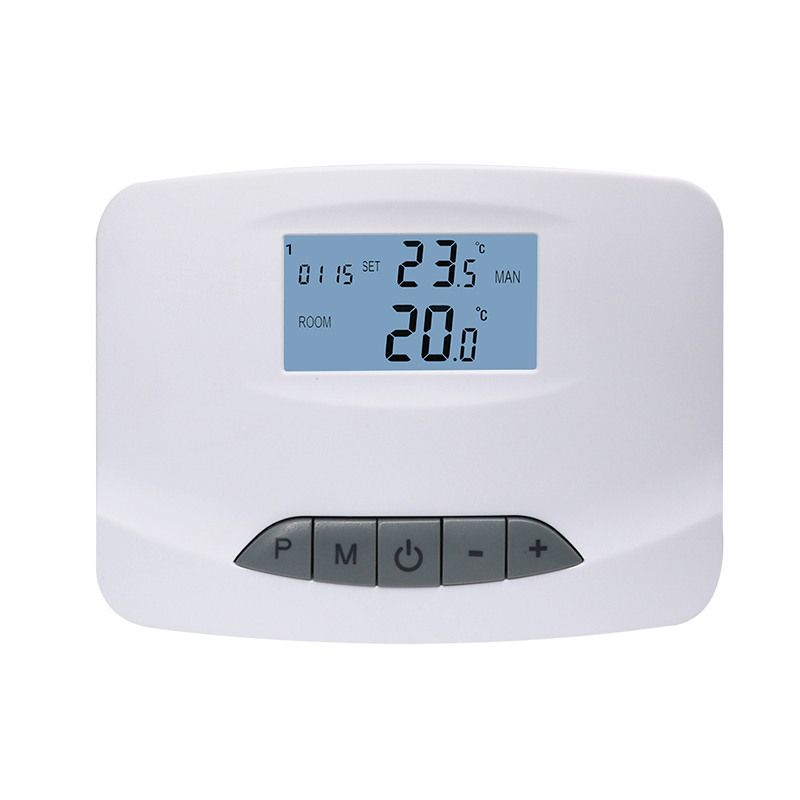
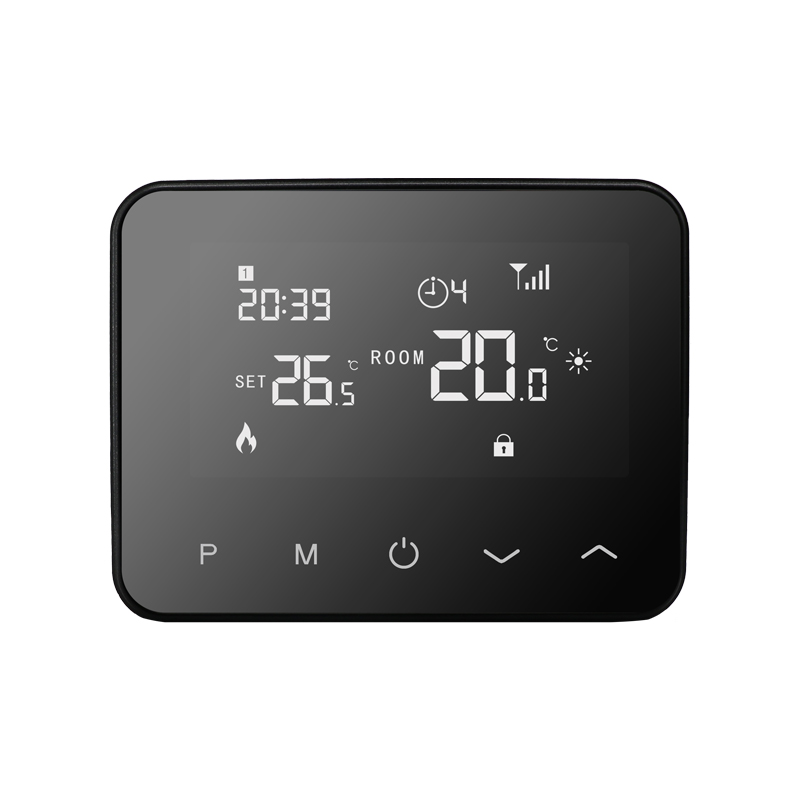
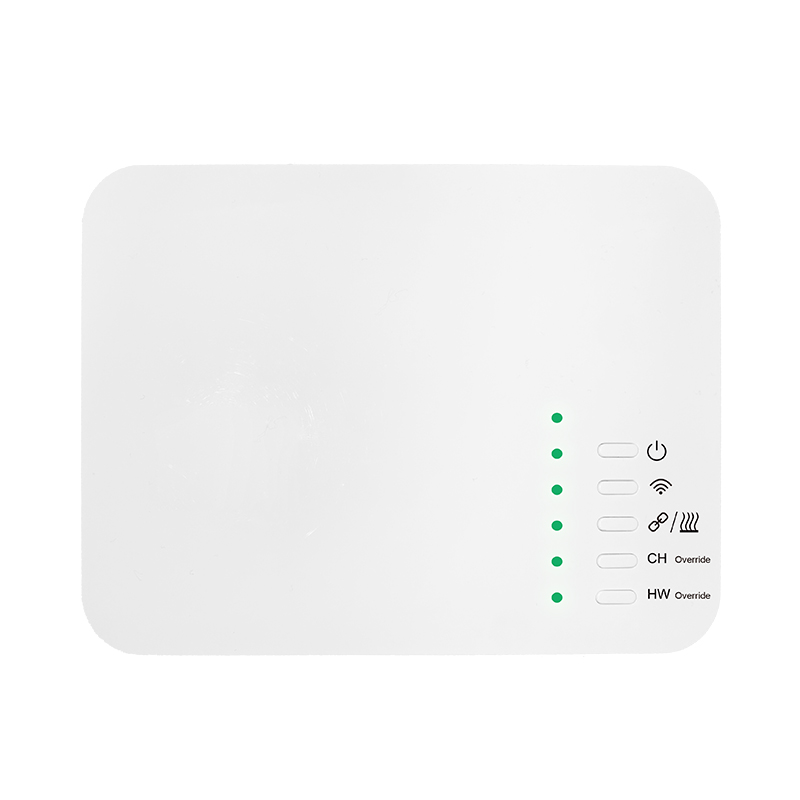
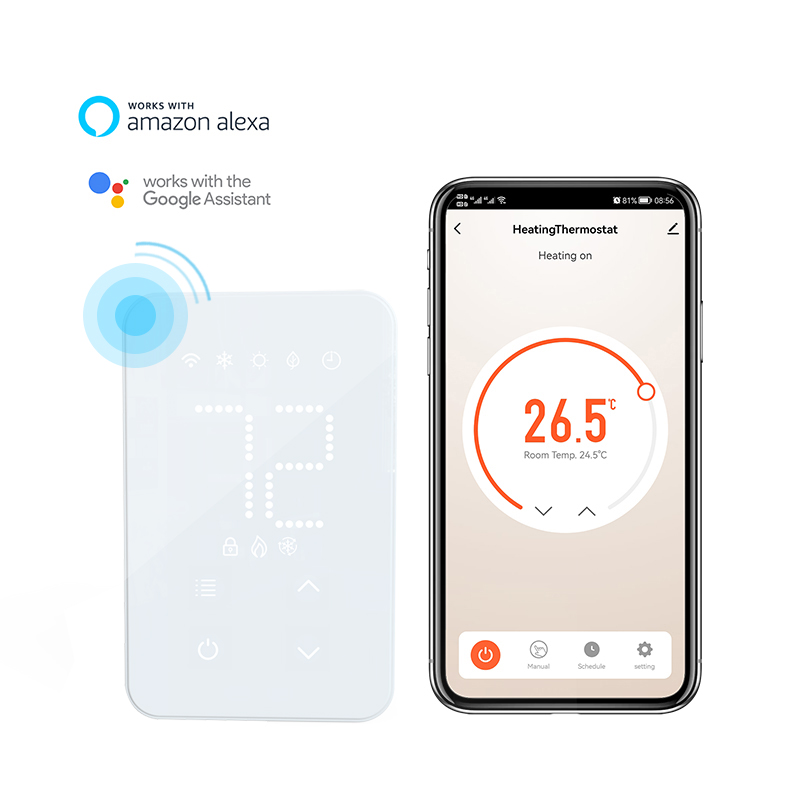
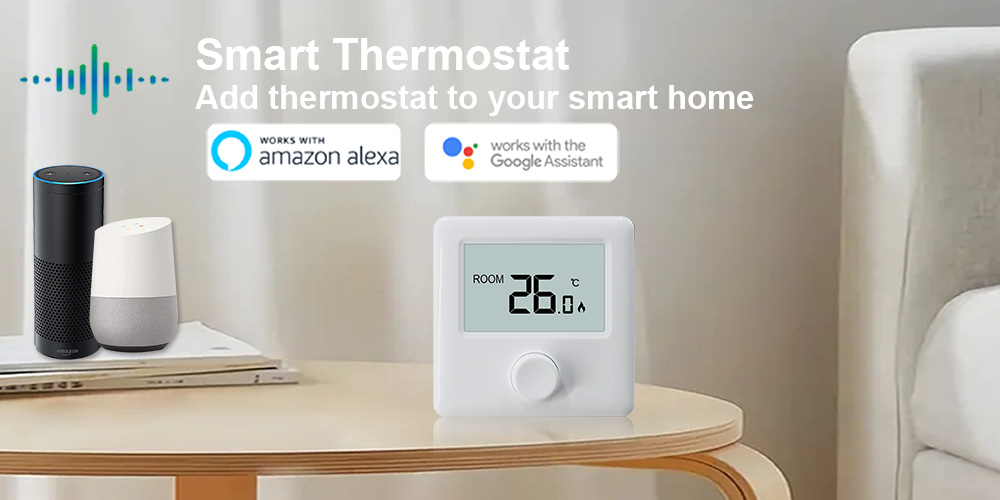
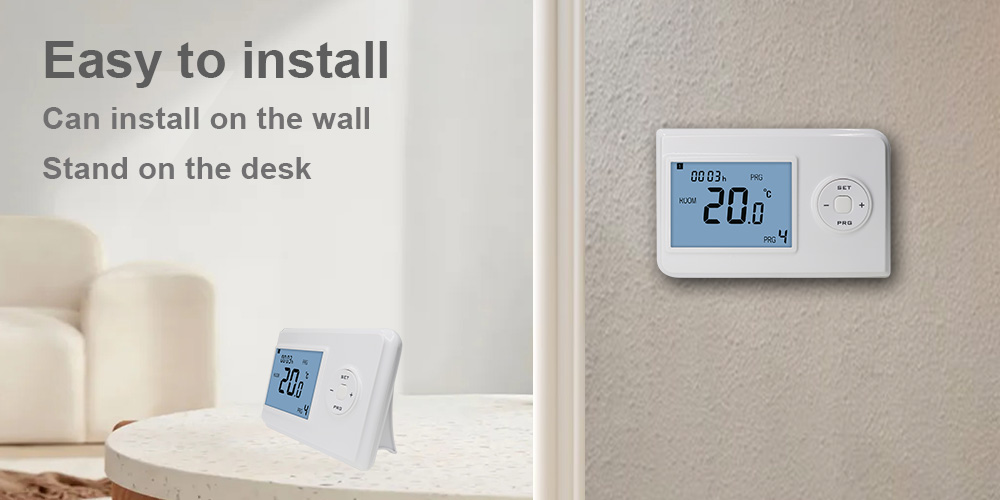
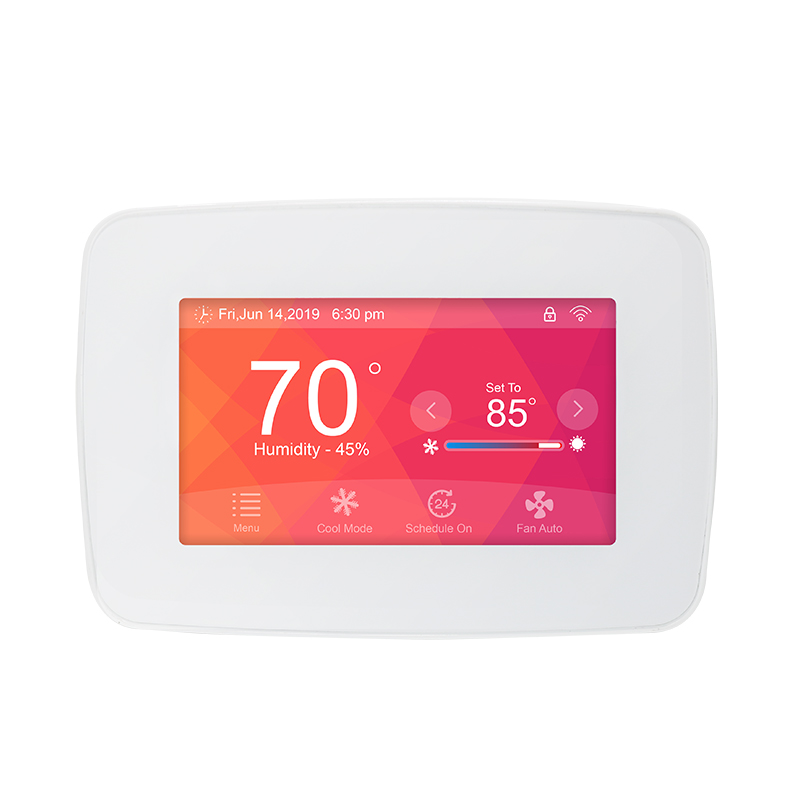
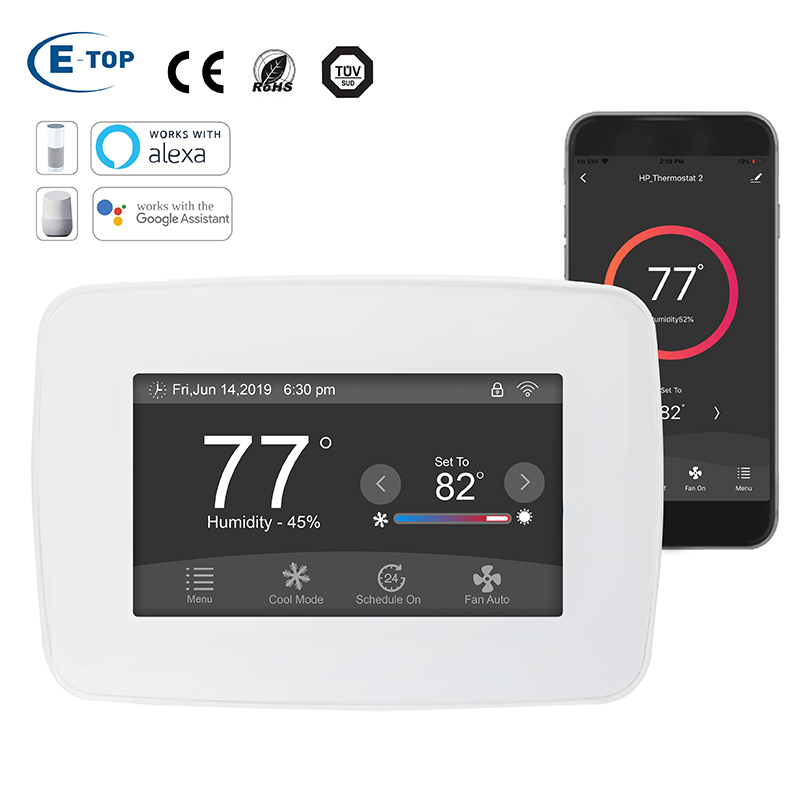
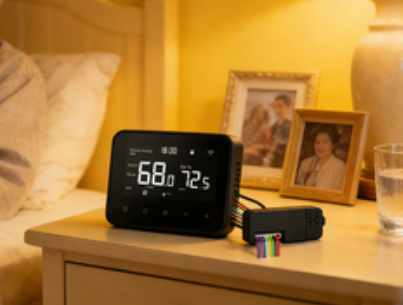
Underfloor heating systems are increasingly favored by families for their comfortable and even heating. However, many people overlook a crucial component in actual use—the thermostat. Underfloor heating is not simply a heating device; its operation is affected by indoor temperature, usage habits, and environmental changes. Without effective temperature control, not only is comfort compromised, but the system’s stability may also be affected. The thermostat serves as a vital bridge connecting the underfloor heating system with user needs.
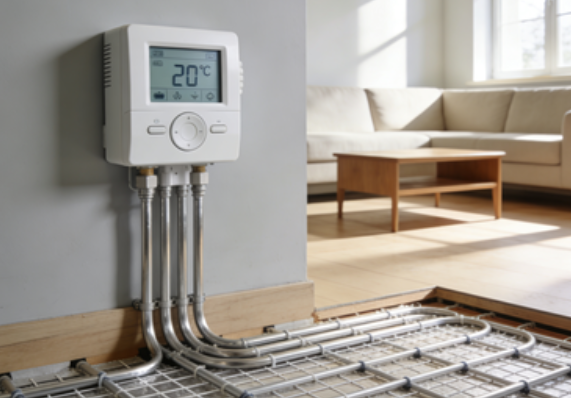
The Role of the Thermostat in Temperature Regulation
Underfloor heating systems have a certain lag in heat release; if the temperature becomes too high or too low, adjustments are not rapid. The thermostat can sense changes in indoor temperature in real time and adjust the underfloor heating according to the set value, maintaining the room temperature within a relatively stable range.
In this way, the indoor environment does not experience sudden temperature fluctuations, the floor temperature is more even, and the user experience is more comfortable. The thermostat allows the underfloor heating system to operate more in accordance with actual needs, rather than continuously outputting a fixed amount of heat.
The Significance of Thermostats for Energy Saving and System Protection
Without a thermostat, underfloor heating systems may operate under high load for extended periods, leading to energy waste. A thermostat automatically reduces or stops heating once the set temperature is reached, minimizing unnecessary energy consumption.
Simultaneously, proper temperature control helps reduce the operational stress on system components, preventing damage caused by prolonged high-temperature operation. This stable operation not only improves energy efficiency but also helps extend the lifespan of the underfloor heating system.
Thermostats Enhance User Convenience
Thermostats make operating underfloor heating systems more intuitive and flexible. Users can set temperatures according to the needs of different times and rooms, making heating more compatible with daily life.
This controllability reduces the inconvenience of manual intervention and makes underfloor heating systems easier to integrate into daily living environments. Stable and comfortable heating can be achieved through simple settings, improving the overall quality of life.
Conclusion
Underfloor heating systems require thermostats not only for temperature control but also for achieving a balance between comfort, energy saving, and stable operation. Through precise adjustment, reasonable control, and convenient operation, thermostats allow underfloor heating systems to realize their full potential. Paying attention to the role of thermostats helps improve the user experience of underfloor heating and makes the heating system more efficient and reliable.