
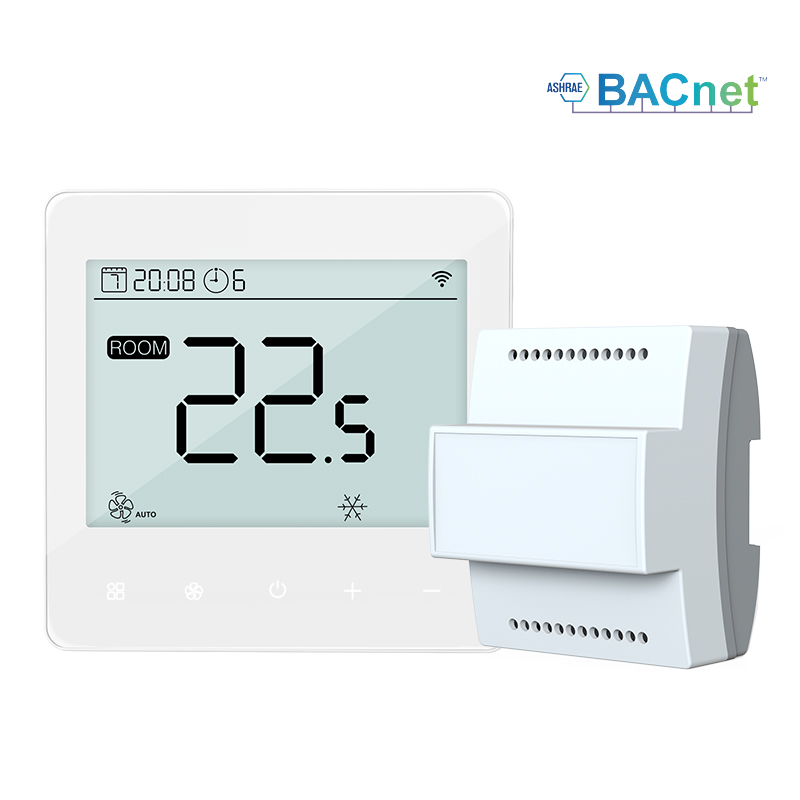
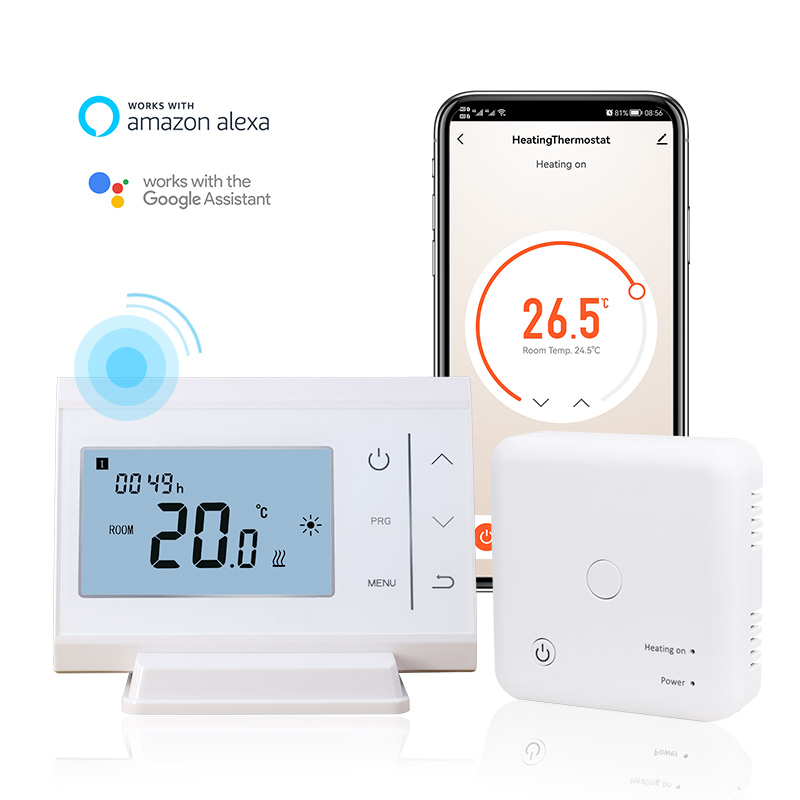
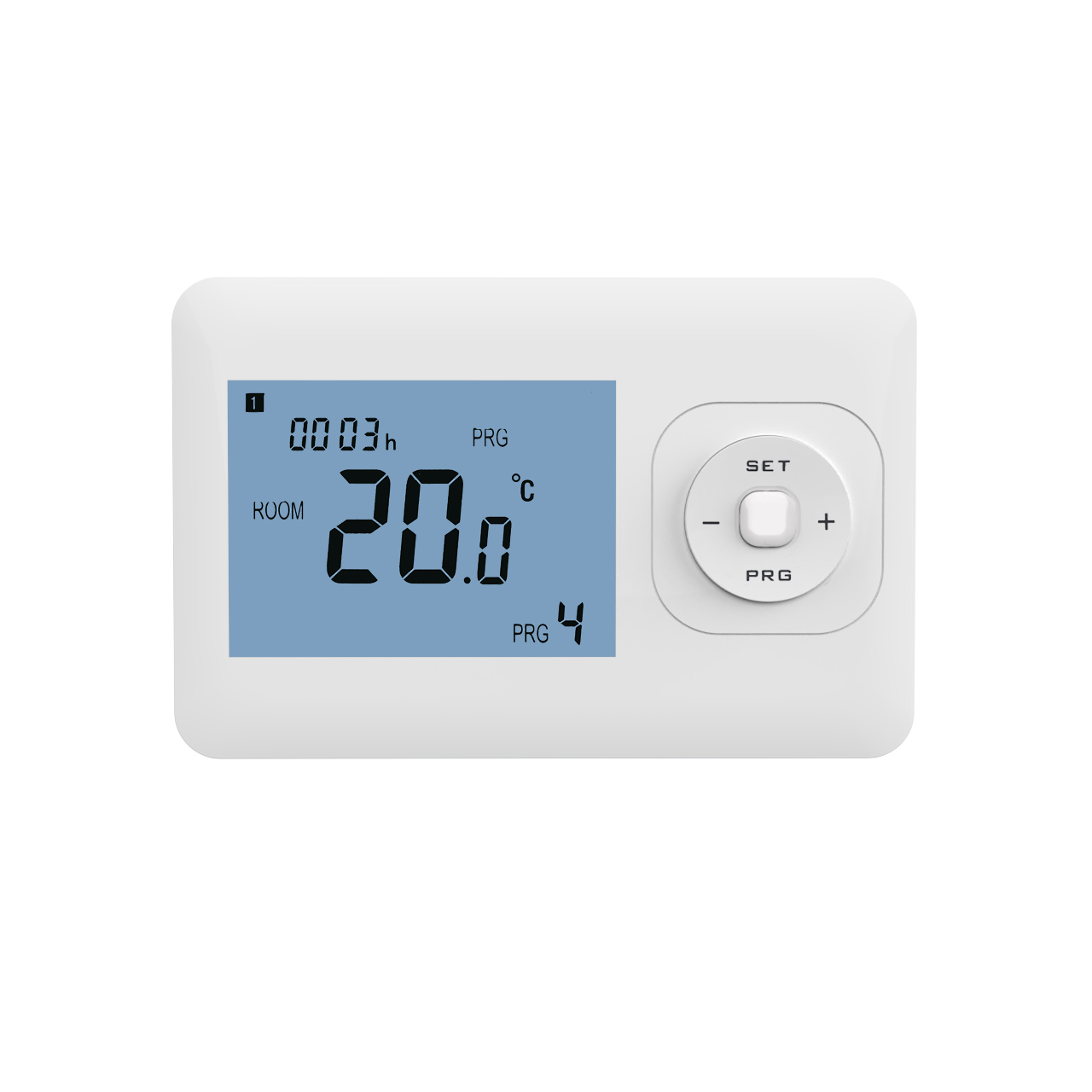
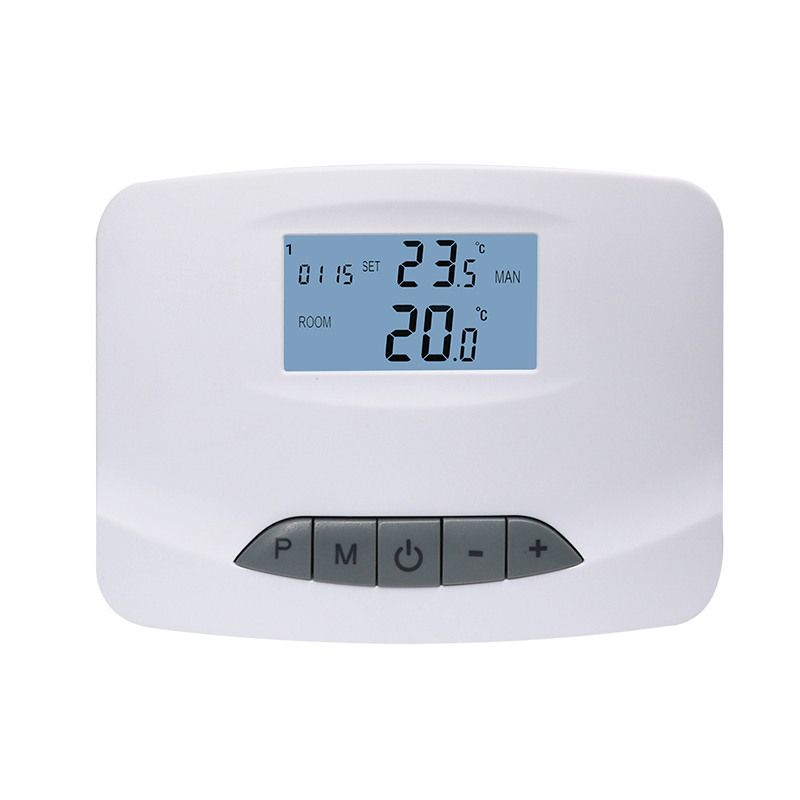
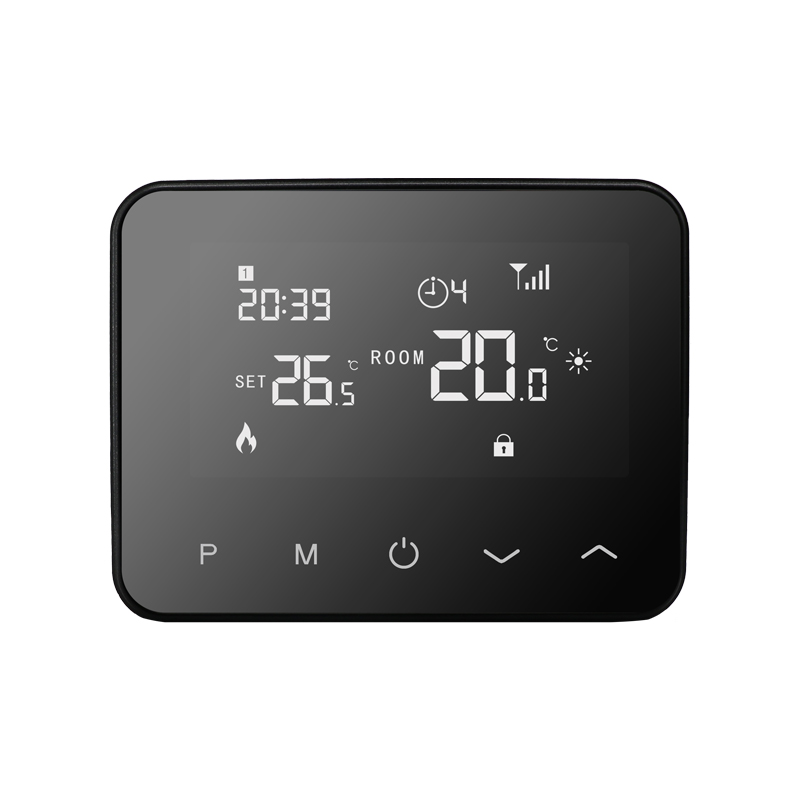
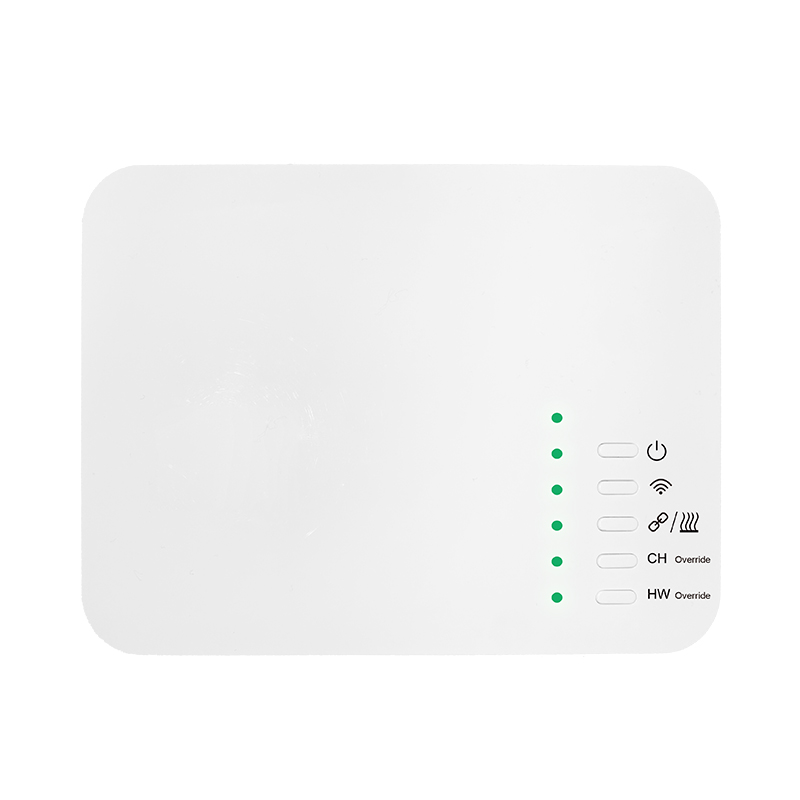
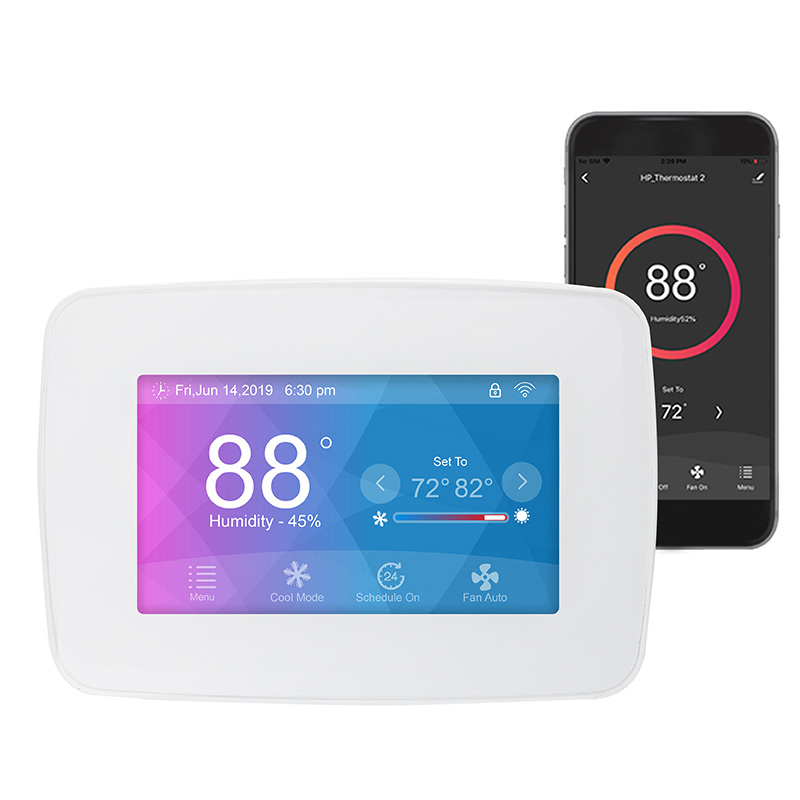
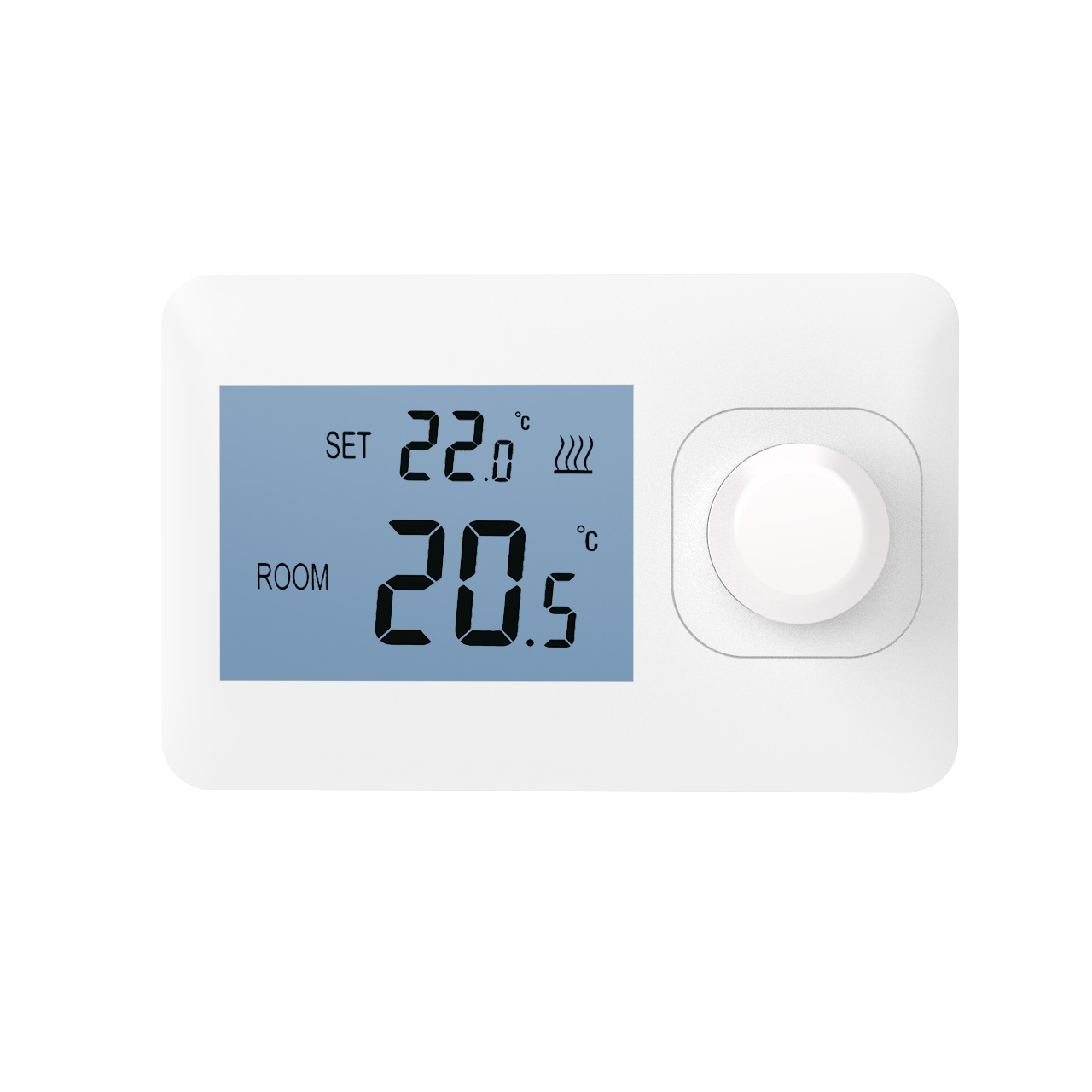
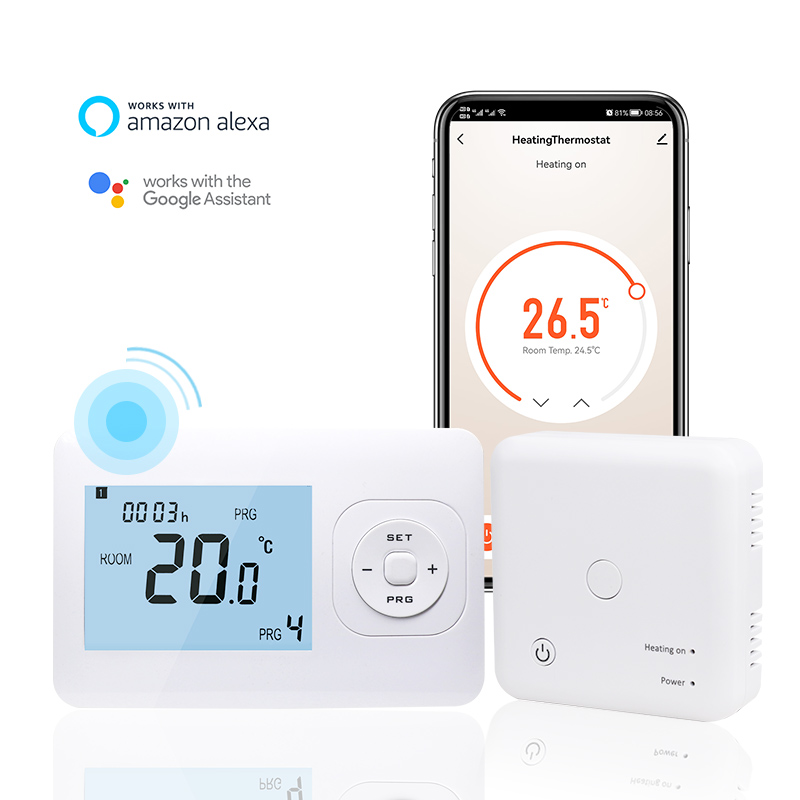
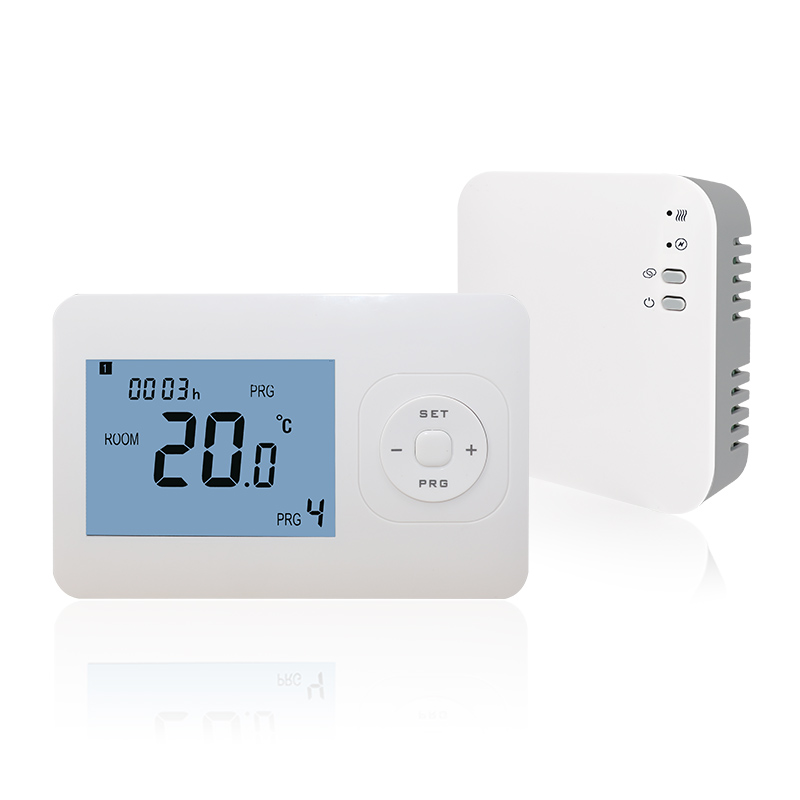
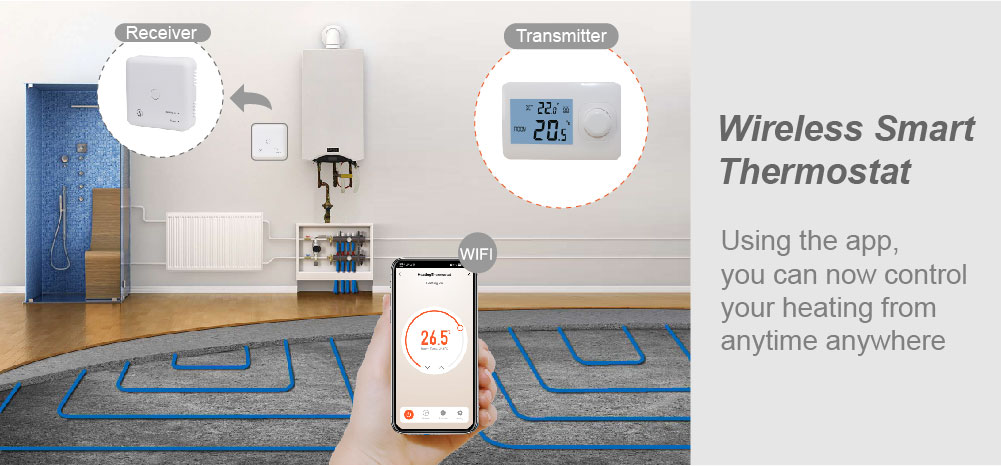
With the continuous upgrade of home heating solutions, electric underfloor heating has become increasingly popular due to its comfort, quiet operation, and clean appearance. Within the entire heating system, the thermostat plays a key role in determining user comfort, energy efficiency, and operational safety. Mastering practical thermostat usage tips can significantly improve indoor comfort while helping households manage electricity consumption more effectively.
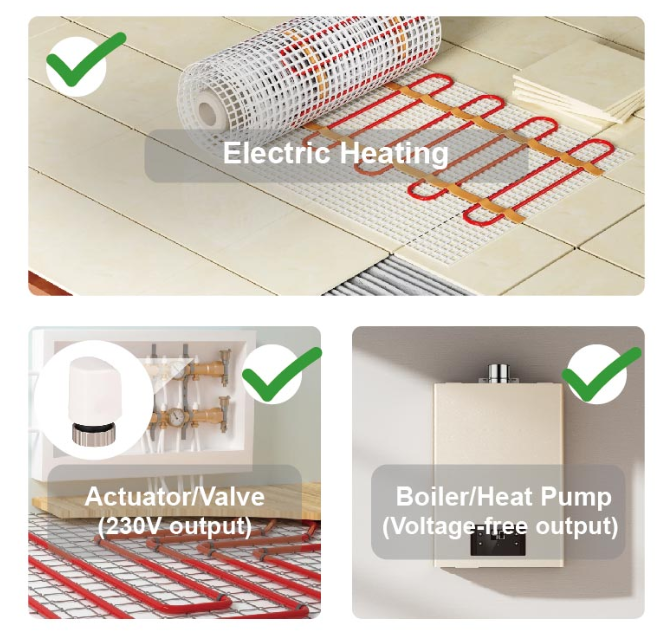
Set an Appropriate Constant Temperature Range
Electric underfloor heating systems perform best under stable, constant temperature conditions rather than frequent adjustments. For most living spaces, setting the room temperature between 20°C and 24°C provides a comfortable balance. Excessively high temperatures can cause dryness and discomfort while increasing energy consumption. Maintaining a consistent temperature range helps the system operate smoothly and enhances overall comfort.
Make Full Use of Scheduling and Time-Based Control
Most electric underfloor heating thermostats are equipped with scheduling or time-segment control functions. Using these features wisely allows the heating system to match household routines. For example, temperatures can be reduced during sleeping hours, raised before waking up, lowered when the house is unoccupied during the day, and restored in the evening. This approach improves comfort while reducing unnecessary energy use.
Combine Floor Temperature and Room Temperature Control
Thermostats that support both floor temperature and room temperature control offer clear advantages in home environments. Floor temperature mainly affects foot comfort, while room temperature reflects the overall indoor climate. Setting a reasonable maximum floor temperature helps prevent overheating, improves comfort, and reduces potential safety concerns. In most cases, a floor temperature range of 28°C to 30°C is suitable for long-term use.
Minimize Frequent Manual Adjustments
Many users tend to adjust thermostat settings frequently whenever they feel slight temperature changes. However, frequent manual intervention can negatively affect system stability. Electric underfloor heating systems require time to heat up and cool down, so short-term temperature fluctuations do not always require immediate adjustment. Once optimal settings are established, allowing the thermostat to operate automatically often results in a more stable and comfortable heating experience.
Pay Attention to Seasonal Adjustments and Maintenance
At the beginning and end of the heating season, thermostat settings should be adjusted according to outdoor temperature changes. During early winter and spring, slightly lowering the set temperature can prevent unnecessary energy consumption. Regularly checking the thermostat display, buttons, and operating status also helps identify potential issues early and ensures safe operation.
Conclusion
Overall, using a home electric underfloor heating thermostat effectively is less about complex operation and more about thoughtful setup and consistent habits. By maintaining a stable temperature range, making use of scheduling functions, combining floor and room temperature control, and reducing frequent manual adjustments, households can achieve a better balance between comfort and energy efficiency. These practical tips help ensure that electric underfloor heating remains comfortable, reliable, and cost-effective over the long term.