
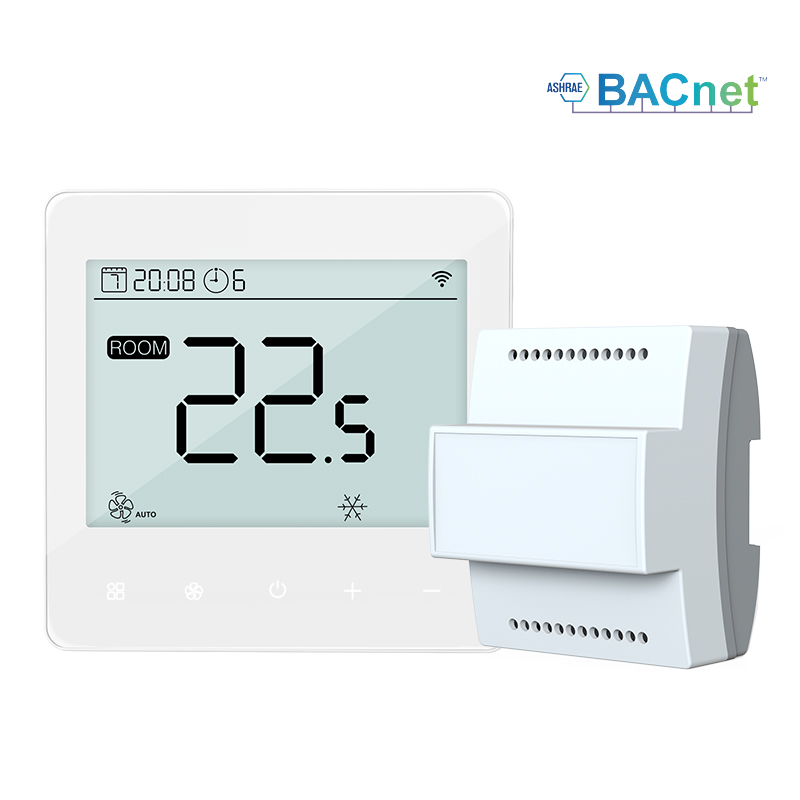
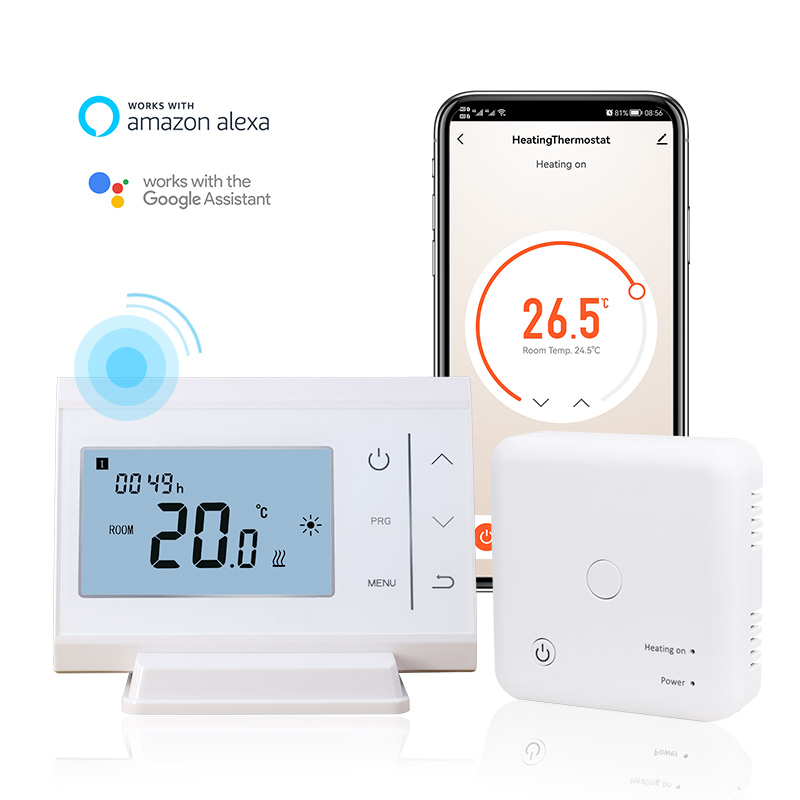
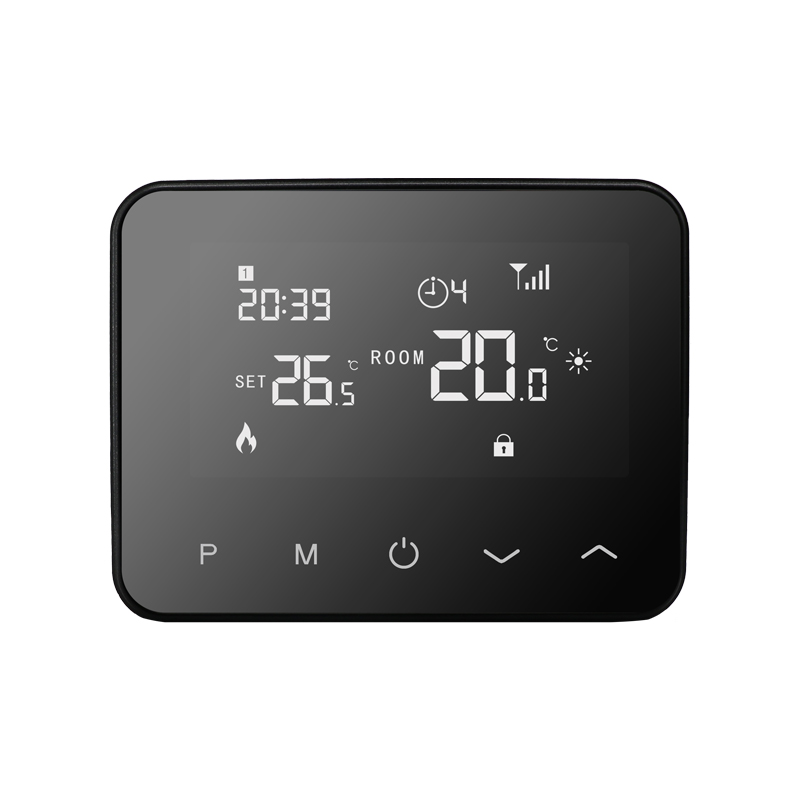
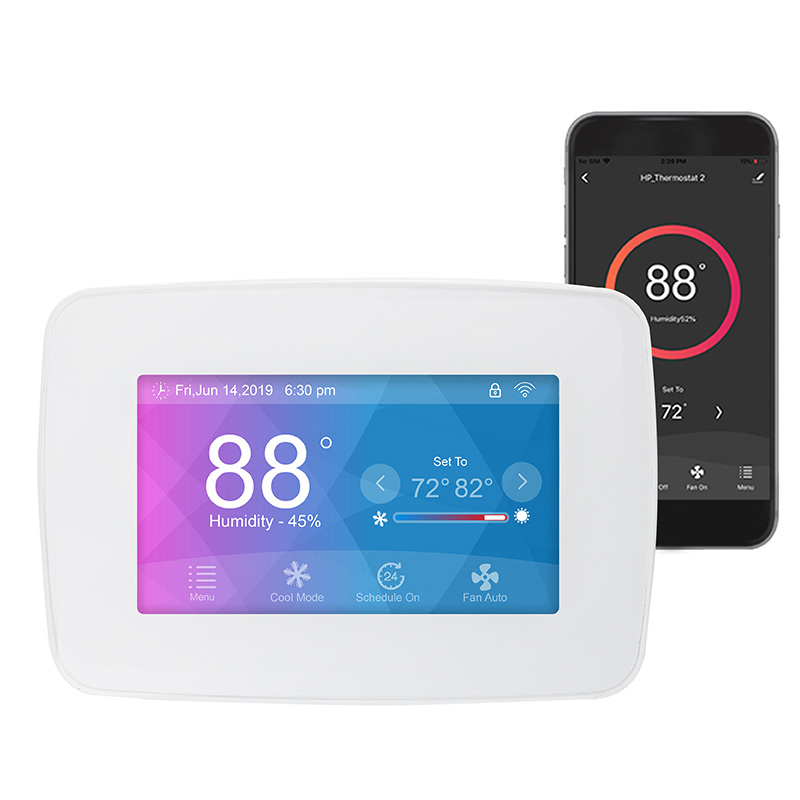
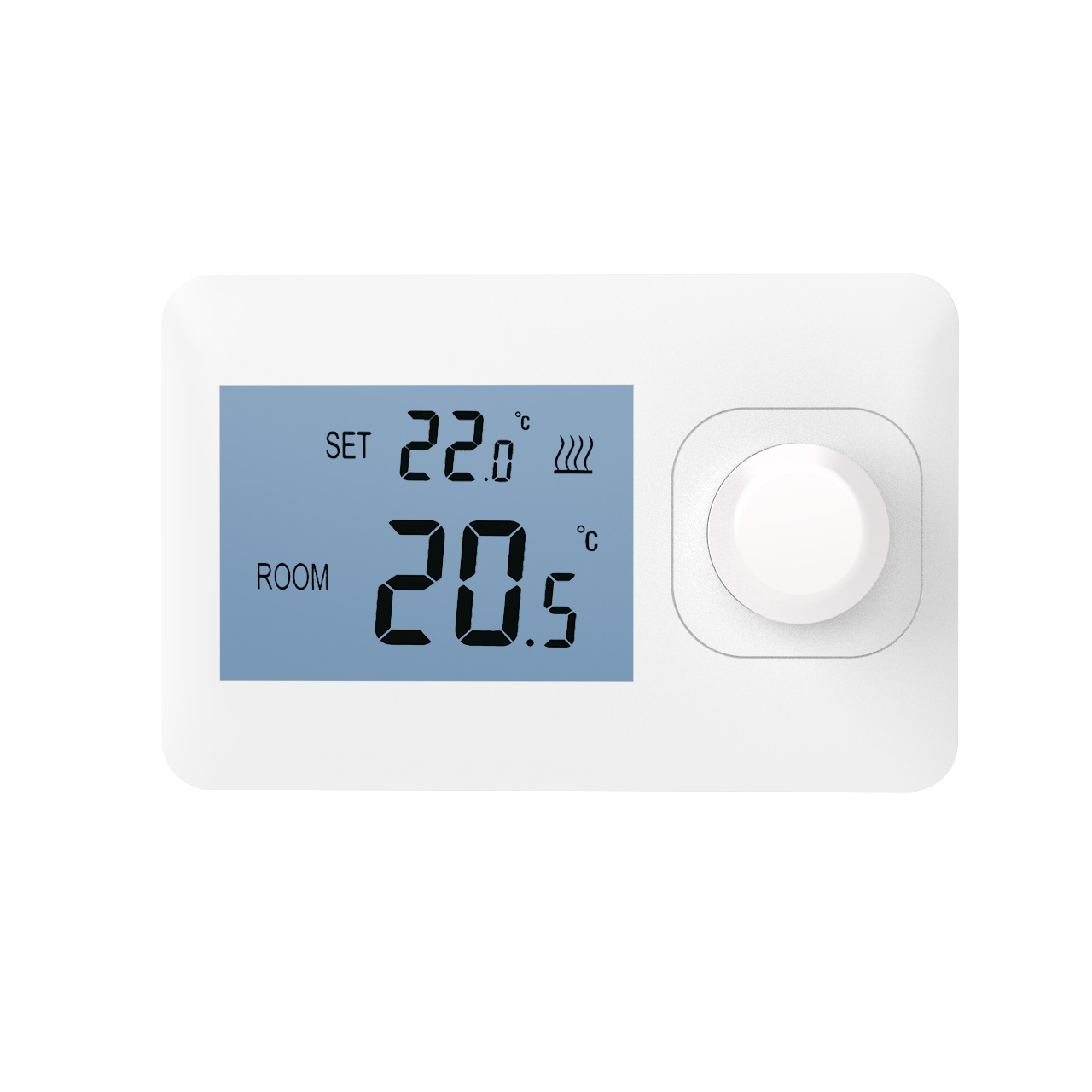
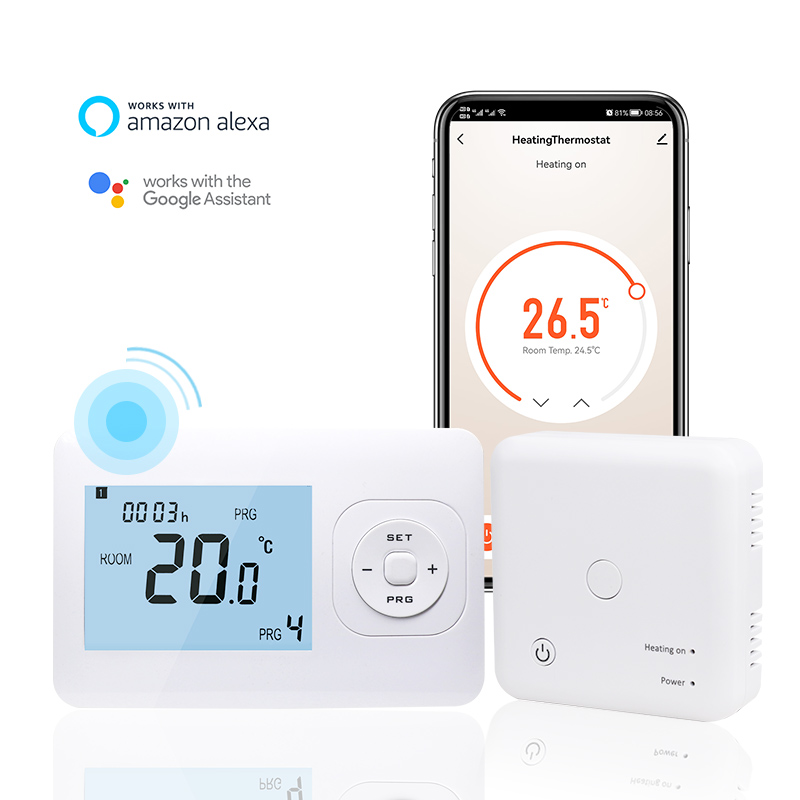
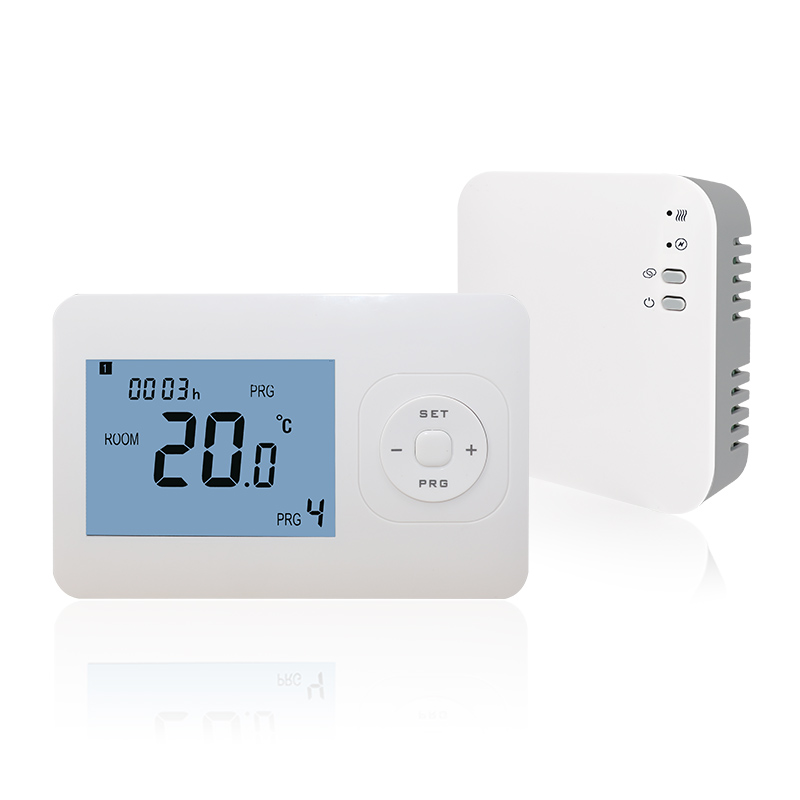
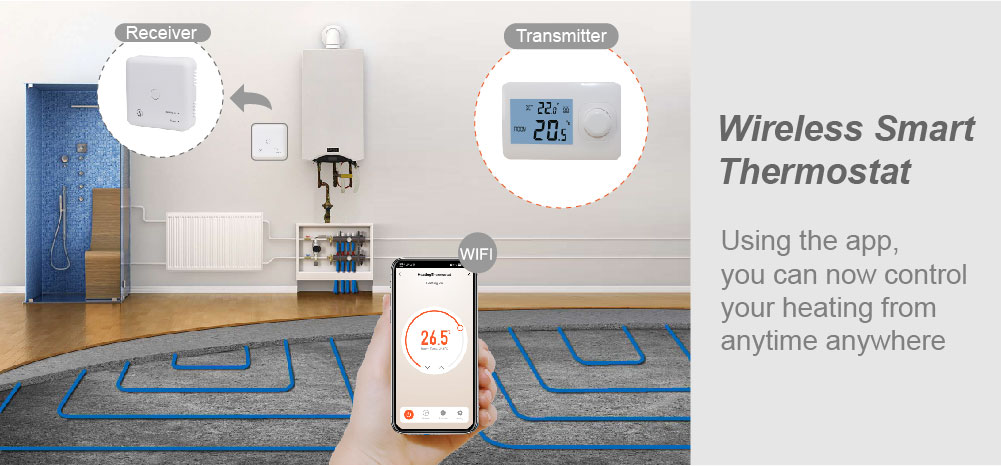
Fan coil unit (FCU) systems are essential terminal devices in modern building HVAC systems, providing indoor temperature regulation and air circulation. As the control terminal of an FCU, the thermostat is responsible not only for temperature control but also for regulating fan operation. In many FCU systems, thermostats use a three-speed fan control method to adapt to different load conditions and enhance indoor comfort. Understanding the principle of three-speed control is crucial for correct installation, commissioning, and system optimization.
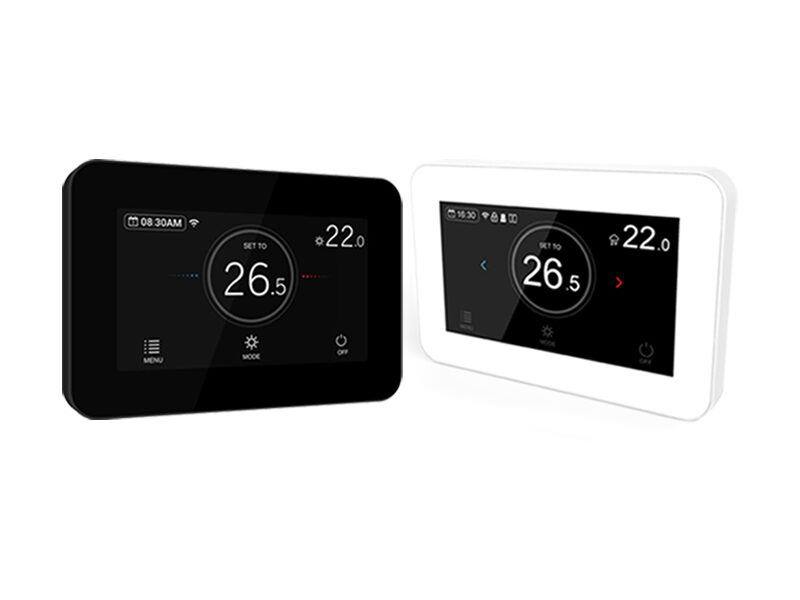
Basic Concept of Three-Speed Fan Control
Three-speed fan control means the FCU thermostat adjusts the fan motor to low, medium, or high speed, thereby varying the airflow. By controlling airflow, the thermostat regulates the rate of temperature change and maintains indoor comfort.
Low speed: Used when the temperature difference is small or during nighttime energy-saving mode. Provides minimum airflow, low noise, and high comfort.
Medium speed: Suitable for regular daytime load. Balances airflow and energy use, achieving fast temperature adjustment while maintaining comfort.
High speed: Used when the temperature difference is large or rapid heating/cooling is required, such as during initial system startup to quickly reach the setpoint.
This stepped control allows the FCU system to maintain comfort while conserving energy and preventing unnecessary full-speed fan operation.
Principle of Thermostat Three-Speed Control
Thermostats achieve three-speed control mainly through two technologies:
Voltage control or multi-speed relay switching
Traditional thermostats use relays or electronic switches to connect fan low, medium, and high-speed lines. When the room temperature deviates from the setpoint, the thermostat triggers the appropriate relay to switch the fan to the required speed. Low speed handles minor adjustments, while higher speeds increase airflow to accelerate temperature correction.
Voltage or 0–10 V signal control (for EC fans)
Modern thermostats paired with electronically commutated (EC) fans can use 0–10 V signals or PWM control to continuously adjust fan speed. The thermostat calculates the required airflow based on temperature deviation and sends the signal to the fan, achieving low, medium, high, or even variable-speed operation. This method provides smoother transitions and higher temperature control accuracy compared to traditional step switching.
Control Logic and Temperature Response
The three-speed control logic is typically based on temperature deviation:
When the temperature difference is small, the thermostat selects low speed to avoid excessive airflow.
When the difference is moderate, it switches to medium speed to improve adjustment efficiency.
When the difference is large or rapid temperature change is required, it switches to high speed to quickly reach the setpoint.
This graded control ensures smooth temperature transitions, reduces uneven heating or cooling, and minimizes fan noise and energy consumption.
Benefits of Three-Speed Control
Energy savings: Low-speed operation meets minor load requirements, reducing unnecessary energy use.
Improved comfort: Fan speed automatically adjusts based on temperature deviation, avoiding drafts and large temperature fluctuations.
Extended equipment lifespan: Prevents continuous full-load fan operation, reducing mechanical wear and motor stress.
Versatile for various environments: Offices, hotels, and conference rooms can all benefit from precise temperature control using three-speed operation.
Installation and Commissioning Considerations
Wiring must follow the thermostat manual, ensuring low, medium, and high-speed lines match the fan terminals.
For EC fans, verify signal type (0–10 V or PWM) compatibility with the thermostat.
During commissioning, observe temperature deviation and fan speed response to confirm correct three-speed control logic.
Regular maintenance of the fan and thermostat ensures smooth speed switching and accurate temperature control.
Conclusion
The three-speed control in fan coil unit thermostats adjusts fan speed according to indoor temperature deviations, achieving precise, comfortable, and energy-efficient temperature regulation. Whether using traditional relay control or modern EC fan voltage control, the core principle is the same: modulate airflow based on temperature difference. Understanding three-speed control is essential for proper installation, HVAC system optimization, and improving building energy efficiency and occupant comfort.