






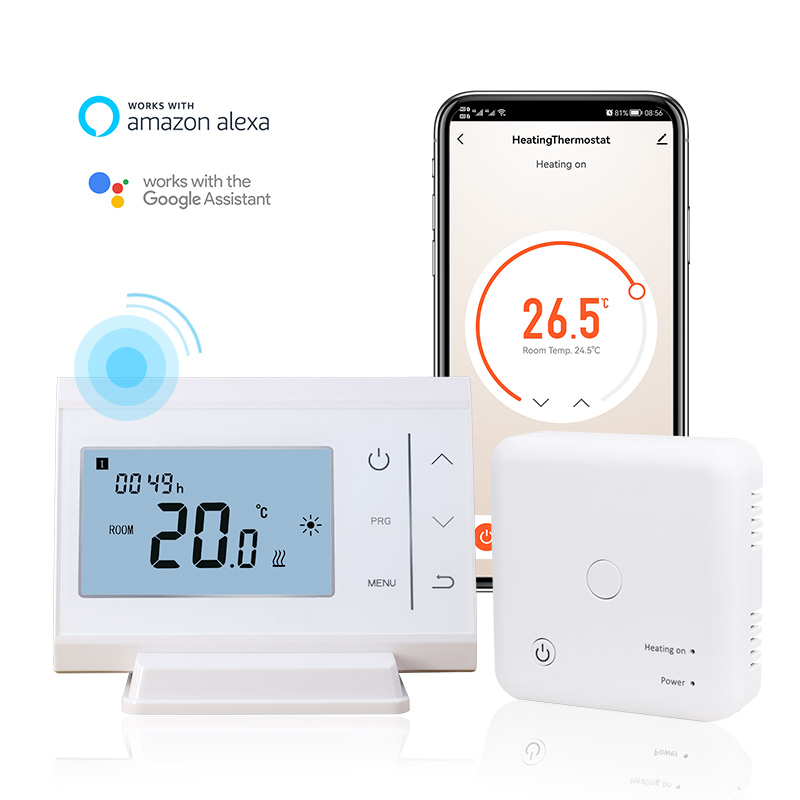
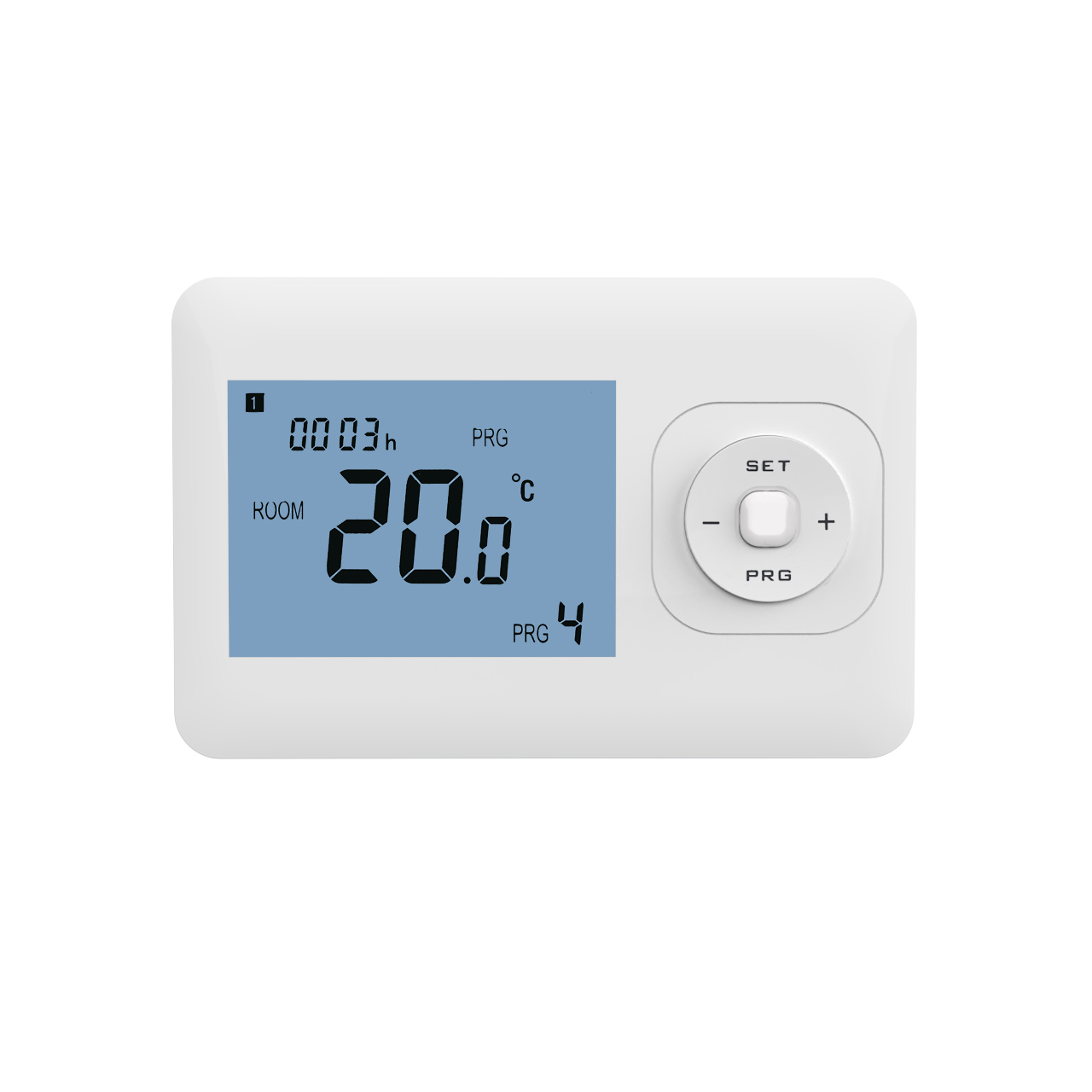
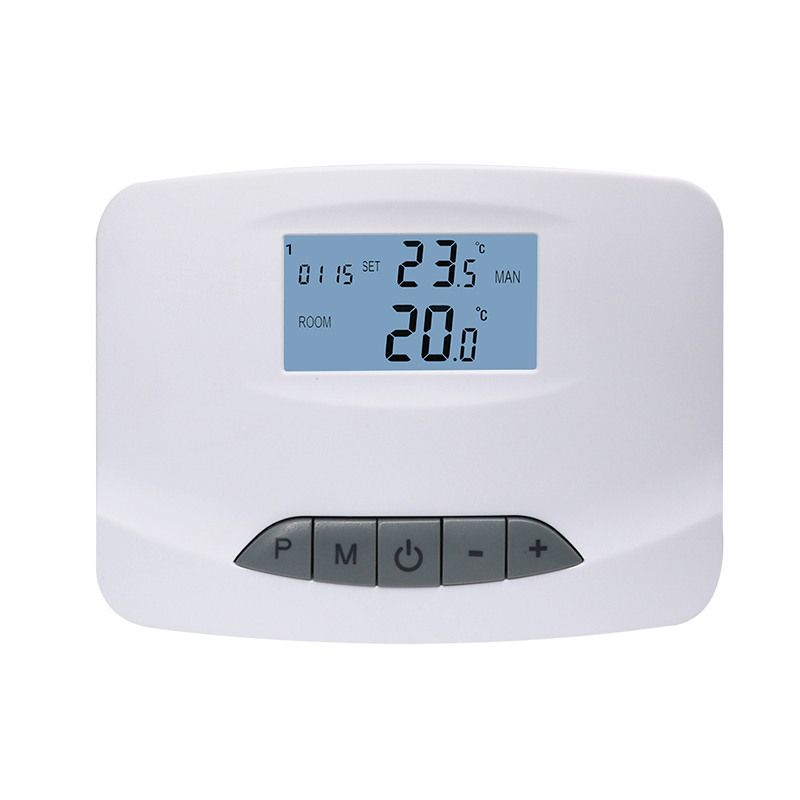
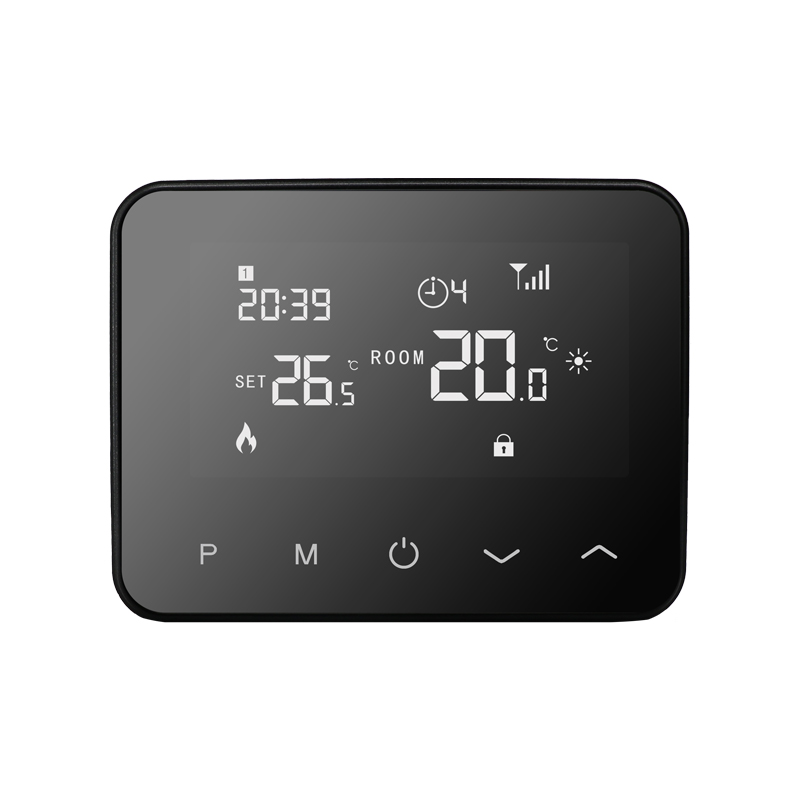
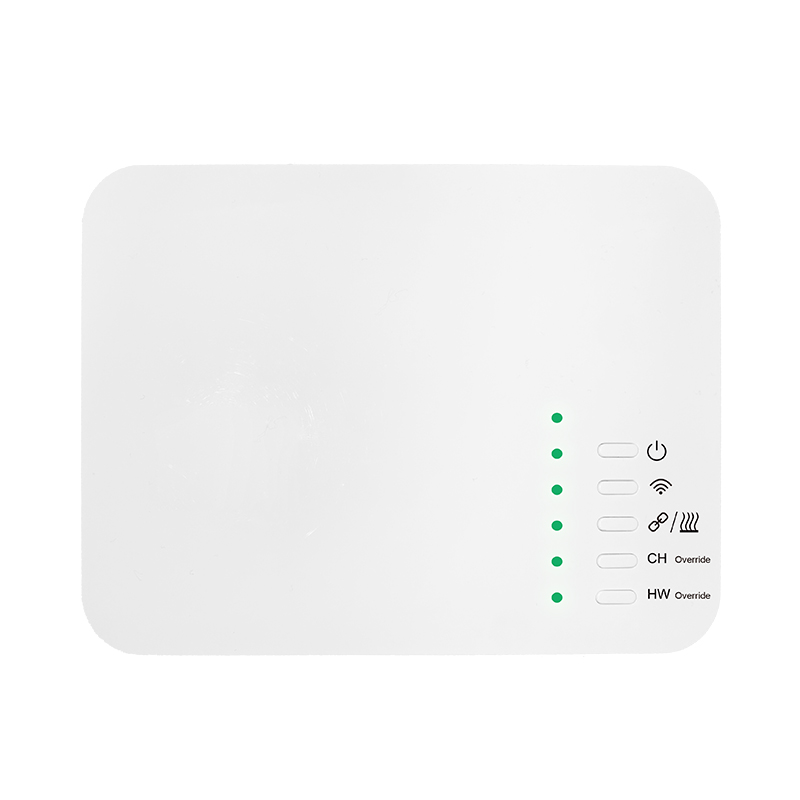
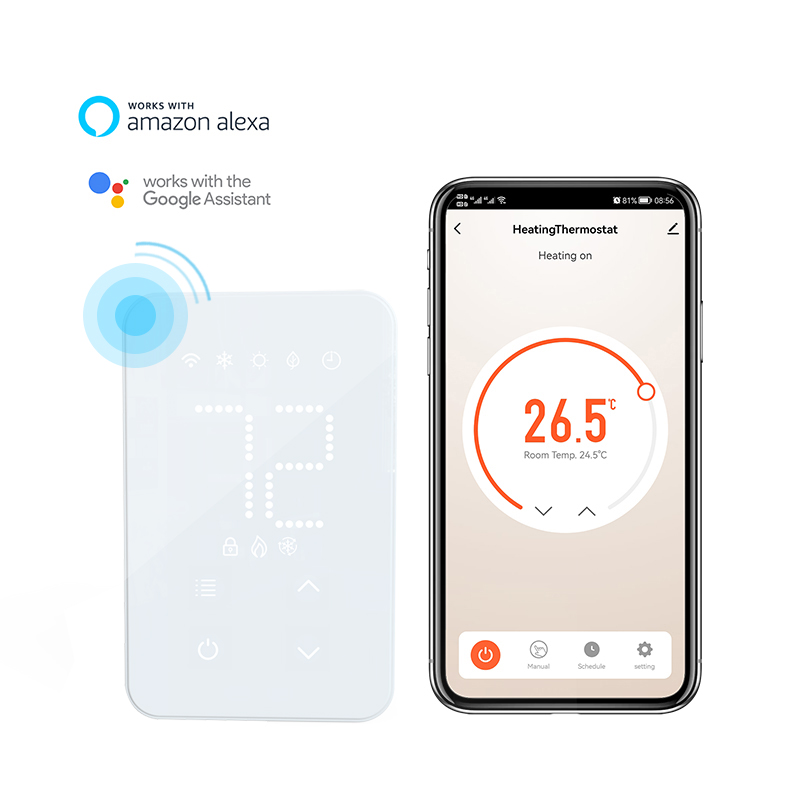

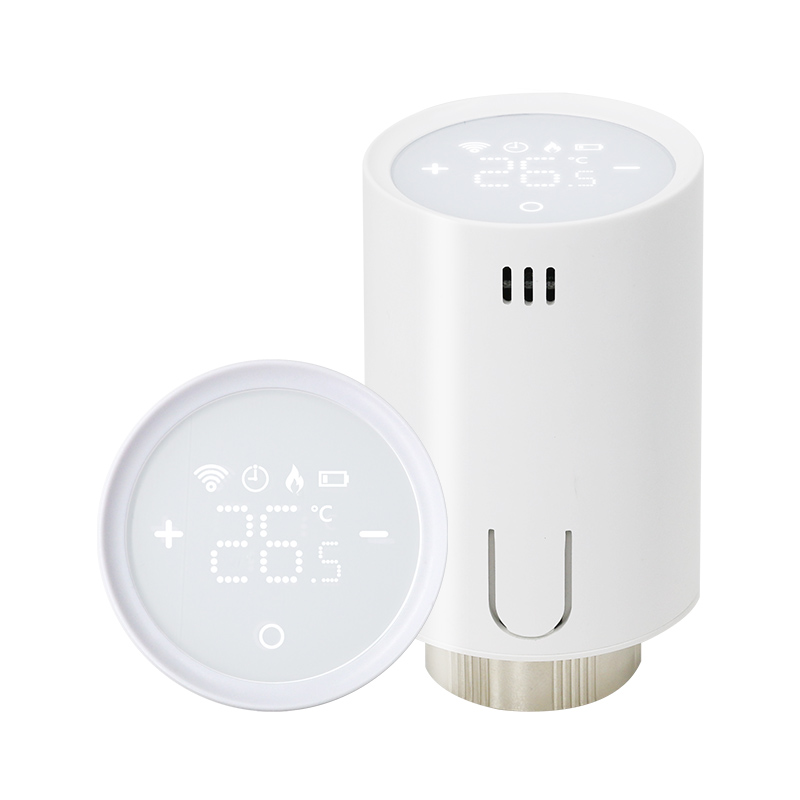
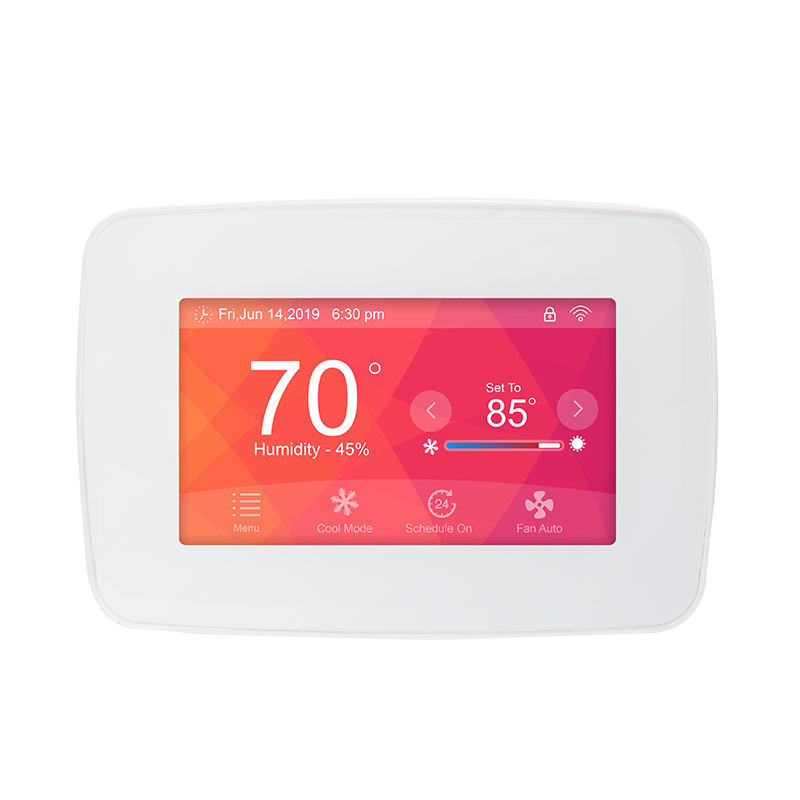
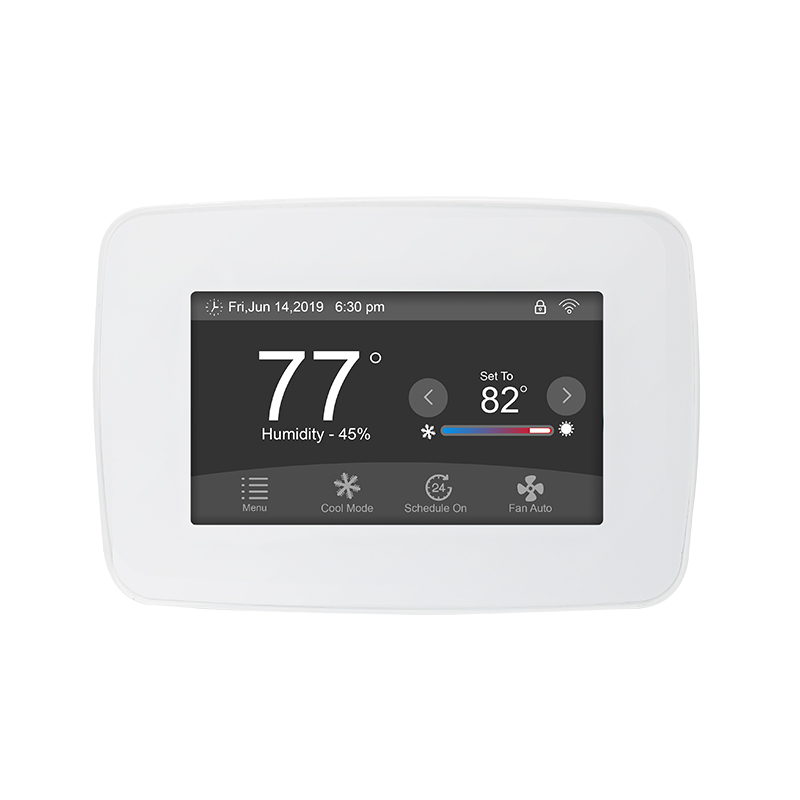
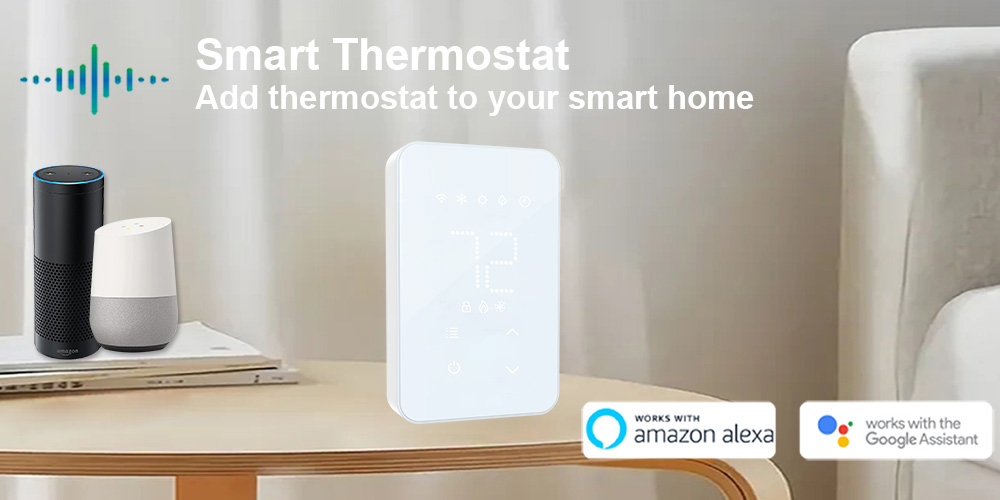
With the rise of smart homes, more households are seeking convenient and intelligent temperature control solutions. Alexa voice-controlled plug-in thermostats have become popular due to their voice interaction, remote control, and scheduling features. This article provides a comprehensive review of the user experience, covering installation, voice operation, daily use, energy-saving performance, and usage tips.
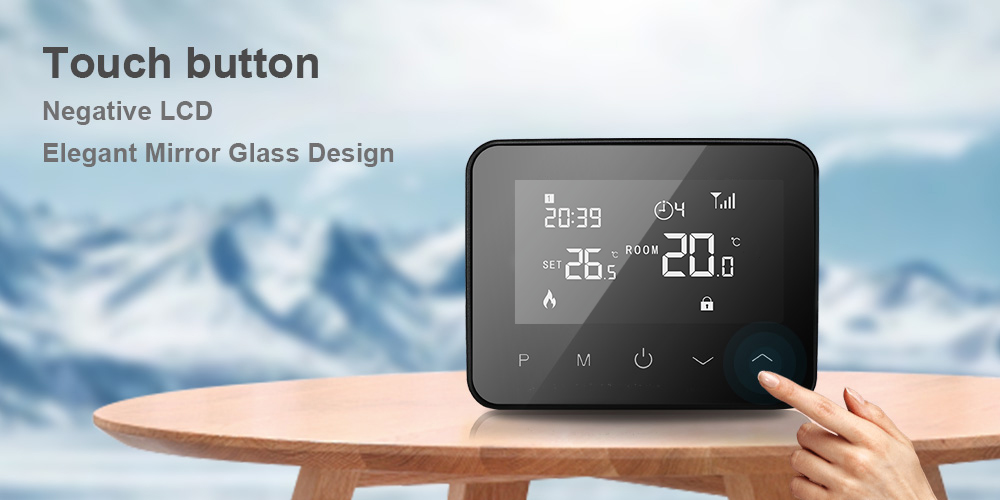
Installation Experience: Quick and Easy
Alexa plug-in thermostats typically feature a plug-and-play design. Users simply insert the thermostat into a power outlet and link it with the companion app and Alexa device. Most models support Wi-Fi connectivity and require no complex wiring. During setup, the app guides users through basic configuration, including naming the device, setting temperature modes, and syncing Alexa voice permissions.
In practice, initial setup usually takes only 5–10 minutes. The interface is intuitive, making it suitable even for smart home beginners.
Voice control is the core feature of these thermostats. Using Alexa, users can:
Adjust temperature: e.g., “Alexa, set the living room temperature to 22°C.”
Switch modes: such as cooling, heating, auto mode, or eco mode.
Check status: obtain real-time information about indoor temperature or set temperature.
User experience shows that Alexa recognizes commands with over 95% accuracy, and response times are fast, usually requiring no repeated instructions. Voice control significantly enhances convenience, especially for users who are busy or have limited mobility.
Daily Use Experience
In everyday use, plug-in thermostats demonstrate the following advantages:
Stable temperature control
The thermostat monitors the ambient temperature with built-in sensors and adjusts outlet power to maintain the desired temperature. Rooms like the living room, bedroom, or study can stay consistently comfortable.
Convenient remote control
Through the app, users can adjust home temperature remotely while at work or outside. Scheduling features allow automatic on/off to match daily routines, ensuring a comfortable home upon return.
Energy-saving performance
By setting appropriate temperatures and using schedules, the thermostat can reduce electricity consumption. For instance, lowering the temperature or turning off power during night or absence minimizes unnecessary energy use.
Usage Precautions
Although the overall experience is positive, users should note:
Network stability
The thermostat relies on Wi-Fi and Alexa devices. Unstable connections may cause delays or failures in voice or remote control.
Device compatibility
Ensure the thermostat is compatible with the Alexa device and app version to avoid functional limitations or connectivity issues.
Safety considerations
As a plug-in device, avoid covering it or placing it near flammable materials to ensure safe operation.
Usage Tips
For the best experience, users are advised to:
Plan temperature modes intelligently: Set temperatures according to different rooms and schedules to maximize scheduling and energy-saving features.
Check network connection regularly: Ensure stable Wi-Fi to avoid interruptions in voice control.
Integrate with smart home scenarios: Combine with smart lighting, door locks, or other devices to achieve fully connected home automation.
Conclusion
Overall, the Alexa voice-controlled plug-in thermostat provides high convenience, precise temperature control, and energy-saving benefits in a smart home environment. Through voice commands, remote control, and scheduling, users can easily manage home temperatures, balancing comfort and efficiency. For households seeking a smarter and more convenient lifestyle, this type of thermostat is an effective tool to enhance everyday living.