
When a cold wave sweeps in from the north, bringing sub-zero temperatures, and the damp, chilly south sends shivers down your spine, a highly efficient and energy-saving heating system becomes a necessity for every household. However, traditional heating methods often fall into the dual predicament of “temperature imbalance” and “soaring energy consumption”: the living room is so hot you need to wear short sleeves, while the bedroom is so cold you need to wrap yourself in a blanket; the heating is on full blast when no one is home during the day, and the room temperature is excessively high after you fall asleep at night… These scenarios not only significantly reduce comfort but also lead to alarming electricity bills. With heat pump heating becoming the mainstream trend, thermostatic radiator valves are redefining the smart home heating experience with their dual advantages of “precise temperature control + intelligent energy saving.”
The “Natural Partner” of Heat Pump Heating: From Technological Adaptation to Scenario Integration
Heat pump heating systems extract low-grade heat energy from the air, soil, or water and convert it into high-grade heat energy to achieve heating. Their core advantage lies in their high energy efficiency ratio of “producing 3-4 units of heat with 1 unit of electricity.” However, the key to fully realizing the energy-saving potential of heat pumps lies in the adaptability of the terminal heat dissipation equipment. Traditional radiator valves rely on manual adjustment and cannot dynamically adjust the water flow according to changes in room temperature, leading to frequent start-stop cycles or prolonged inefficient operation of the heat pump, resulting in energy consumption exceeding the design value. The addition of thermostatic valves for radiators completely solves this problem.
Taking a heat pump renovation project in a residential community in Tongzhou, Beijing as an example, the project team installed smart thermostatic valves that support remote control via mobile phone on each radiator. The system senses room temperature through a temperature sensor and automatically adjusts the valve opening: when sunlight shines through the windows and raises the room temperature, the valve automatically closes to reduce hot water flow; when the temperature drops sharply at night, the valve opens to enhance heat dissipation. In the first heating season after the renovation, the community’s heat pump energy consumption was reduced by 28% compared to the traditional valve system, and the user complaint rate decreased by 41%, truly achieving “on-demand heating.”
The Energy-Saving Secret: From “Passive Adjustment” to “Active Prediction”
The energy-saving logic of thermostatic valves for radiators stems from their “end-to-end optimization” of the heating system. First, through proportional control, the valve can precisely control the hot water flow based on the difference between the room temperature and the set value, avoiding heat waste caused by “large flow rate with small temperature difference”. For example, when the room temperature rises from 18℃ to 20℃, the valve will not suddenly close, but will gradually reduce its opening to ensure a smooth transition in room temperature and reduce energy consumption from frequent start-stop cycles of the heat pump.
Second, the “learning function” of the intelligent thermostatic valve further improves energy efficiency. Taking the Danfoss Eco™ smart valve as an example, its AI algorithm can analyze the user’s daily routine: if the user raises the bedroom temperature at 7 pm for a week, the system will start heating 15 minutes earlier to avoid the heat pump running at full load due to temporary temperature increases. After deploying this system in a villa project, by optimizing the temperature settings during unoccupied periods (such as lowering the room temperature from 22℃ to 16℃ during the day), gas costs alone were reduced by 28%.
Scenario-based applications: comprehensive coverage from homes to commercial spaces
The applicability of radiator thermostatic valves extends far beyond home scenarios. In a renovation project at a five-star hotel in Shanghai, the radiators in all 300 guest rooms were upgraded to smart valves that support cloud management. The system dynamically adjusts its heating strategy based on occupancy rates: during peak seasons, priority is given to maintaining the temperature in public areas such as the lobby and restaurant, while during off-seasons, valves on vacant floors are shut off. In the first heating season after the renovation, the hotel’s energy costs decreased by 26%, and customer satisfaction increased by 35% through scenario-based settings such as “elderly mode” and “sleep mode.”
In commercial office settings, the “zoned temperature control” function of thermostatic valves is equally valuable. After adopting a “heat pump + smart valve” system, offices on different floors can independently adjust their temperature according to usage time: the R&D department requires 24-hour constant temperature, while meeting rooms only need heating activated one hour before meetings. This “on-demand heating” model reduced the park’s overall energy consumption by 32%, saving over 500,000 yuan in heating costs annually.
Selection Guide: A “Pitfall Avoidance Guide” from Technical Parameters to Installation Standards
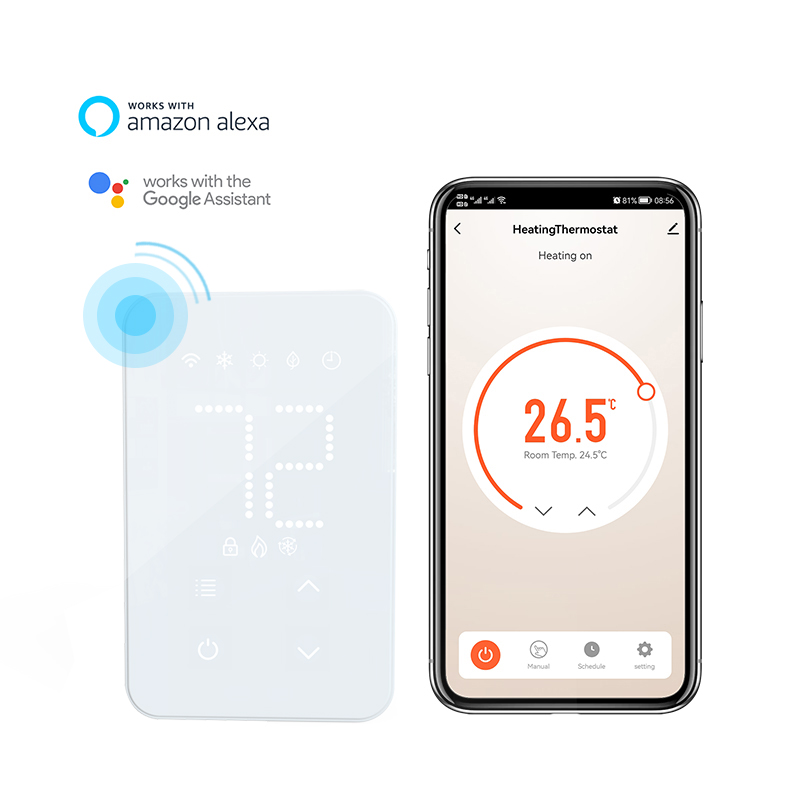
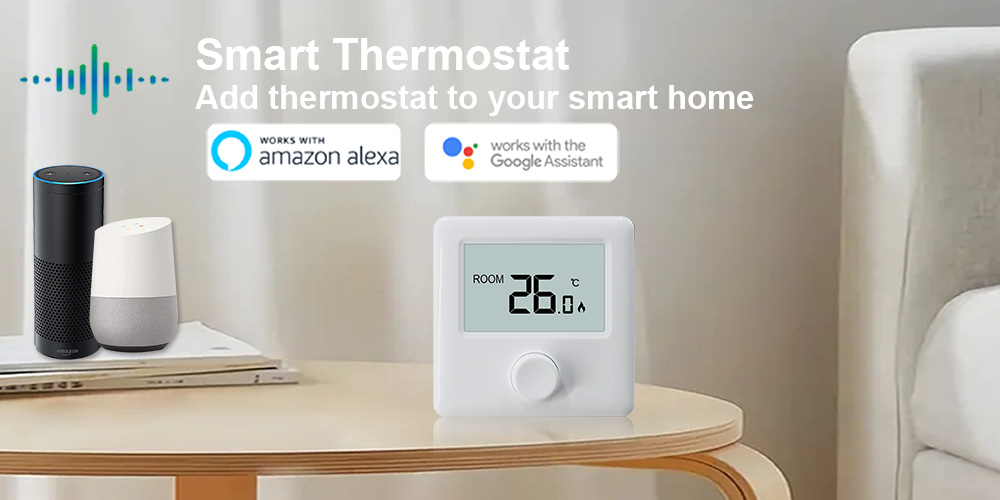
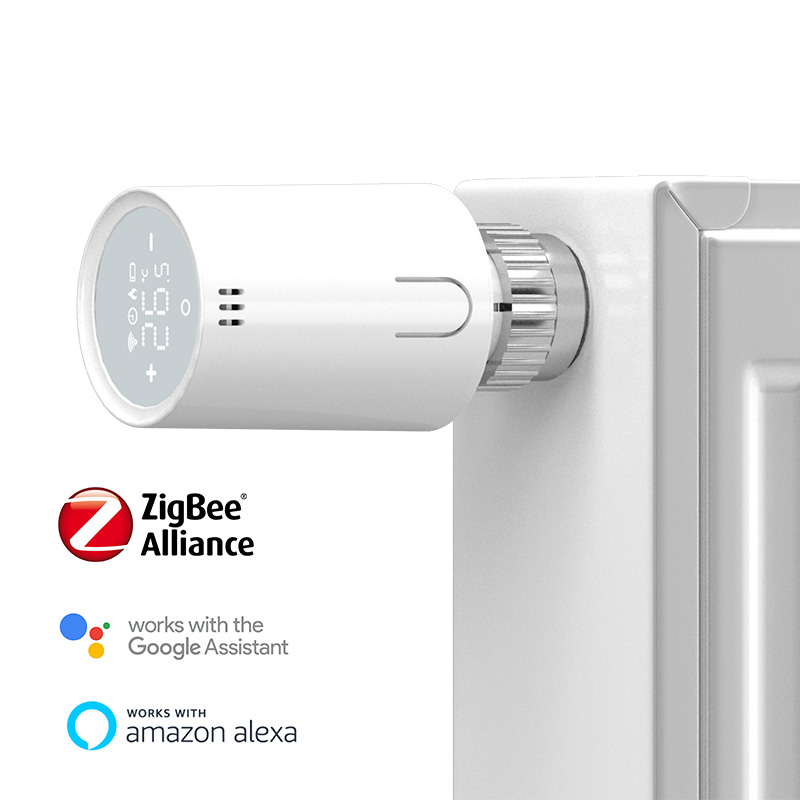
Faced with a dazzling array of thermostatic valve products on the market, how can users choose the most suitable model for their heat pump system? First, communication protocol compatibility is crucial: prioritize smart valves supporting Wi-Fi, Bluetooth, or Zigbee to ensure seamless integration with the heat pump unit, mobile app, or voice assistant (such as Amazon Alexa). Second, temperature control accuracy is a core indicator; ±0.5℃ accuracy avoids energy waste caused by room temperature fluctuations. Additionally, battery life (for products with built-in lithium batteries, charging cycles are important) and water resistance coefficient (low water resistance valves are better suited for low-flow heat pump operation) are also important considerations.
The installation process is equally critical. Heat pump heating systems must be designed for low supply water temperatures of 35℃-55℃. If the existing radiator size is insufficient, increasing the number of sections or replacing them with low-temperature-specific models will improve heat dissipation efficiency. In terms of piping design, a mixing valve should be installed to balance water temperature, and a buffer tank interface should be provided to cope with extreme low temperatures. Professional team commissioning and optimization are essential: by testing parameters such as the radiator inlet/outlet temperature difference and water flow rate, ensure the heat pump and thermostatic valve operate in tandem to achieve the designed heat dissipation effect and energy-saving goals.
As technology and life become deeply integrated, the evolution of radiator thermostatic valves is a microcosm of the development of smart homes. From mechanical knobs to digital touch controls, from local adjustment to cloud control, each technological leap redefines the meaning of “warmth.” For modern families pursuing a quality life, choosing a smart thermostatic valve compatible with heat pumps is not only an upgrade to heating equipment but also a wise choice to embrace a future lifestyle—ensuring that every unit of electricity is converted into just the right amount of warmth, making the warmth of technology truly tangible.