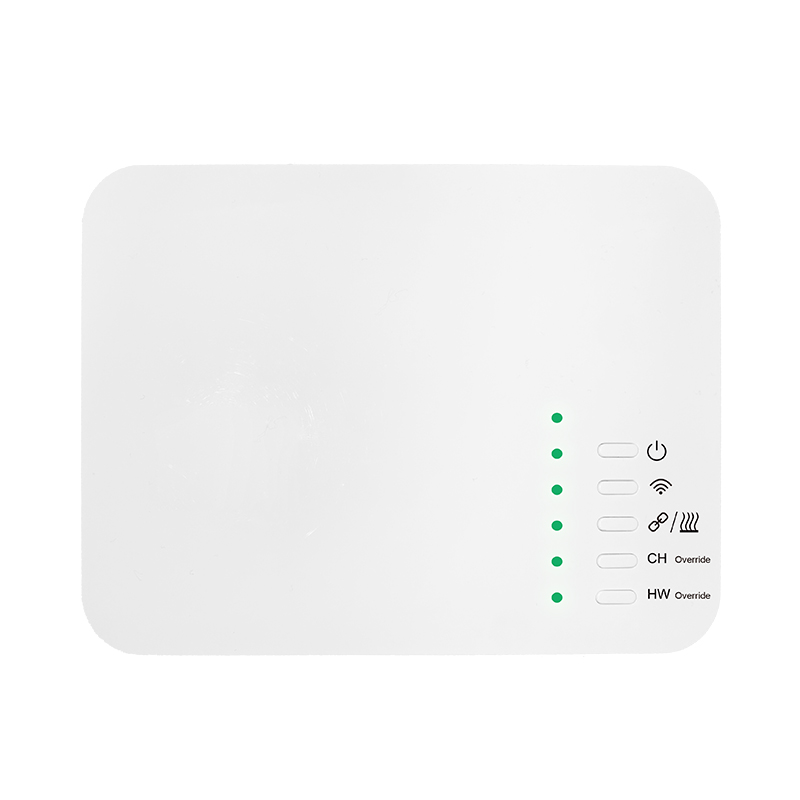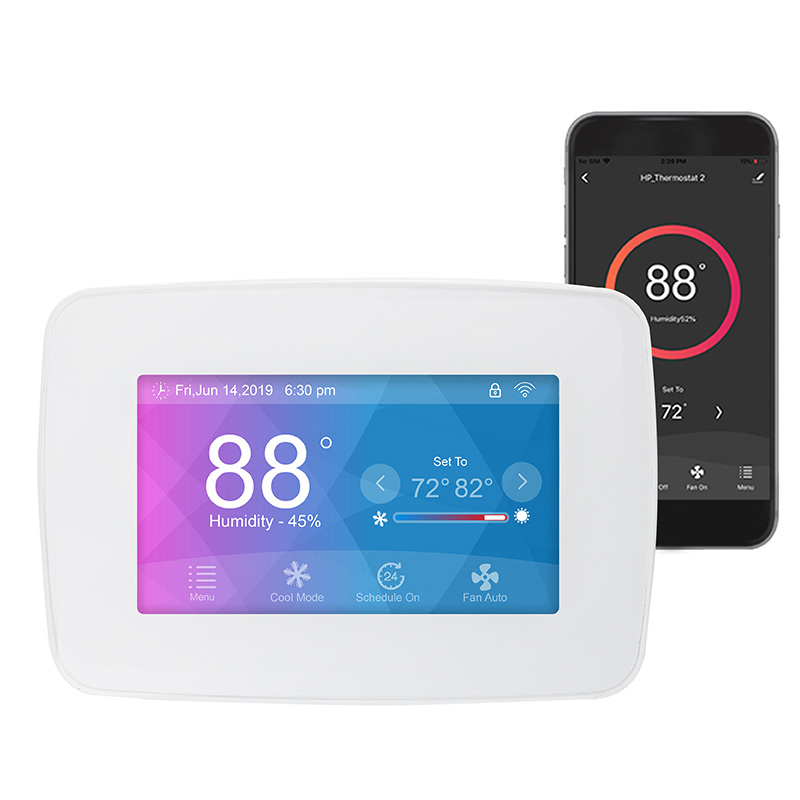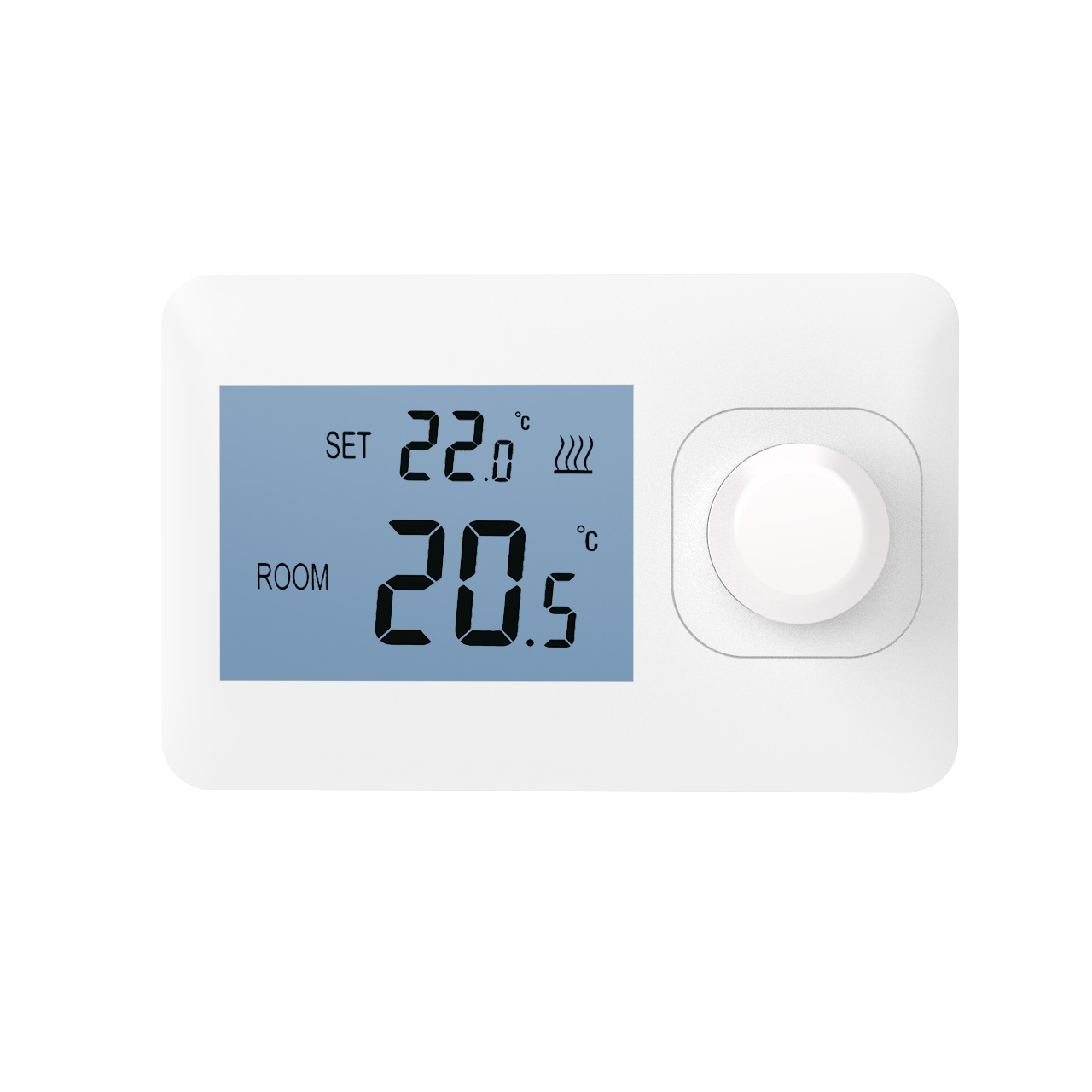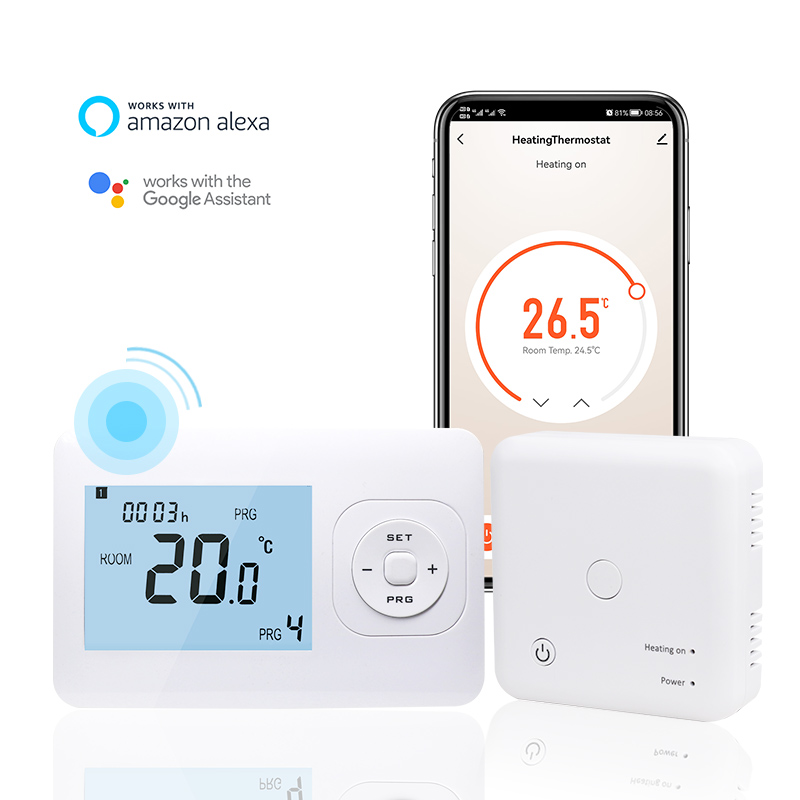

In fan coil heat pump systems, the controller plays a critical role in connecting equipment operation with user experience. Whether applied in residential projects or commercial buildings, controller selection directly affects system stability, energy consumption, and long-term maintenance costs. As heat pump applications continue to expand, controller options on the market have become increasingly diverse, with clear differences in functionality. Making an informed selection helps reduce operational risks during system design and improves overall system performance.
Role of the Controller in Fan Coil Heat Pump Systems
The controller is responsible for temperature regulation, equipment start-stop management, operating mode switching, and safety protection within the fan coil heat pump system. Through the controller, users can set target indoor temperatures, allowing the system to adjust heat pump output and fan coil operation based on real-time feedback. The controller also coordinates the operating rhythm of system components, reducing unnecessary cycling and supporting stable heat pump operation. In multi-room or multi-zone applications, the controller must support zoning functions to meet different environmental requirements.
Key Performance Factors to Consider When Selecting a Controller
Performance compatibility is a primary consideration when selecting a fan coil heat pump system controller. The controller must work seamlessly with the selected heat pump unit, fan coil models, and sensor types to ensure reliable operation. Several performance factors have a significant impact on control quality and user comfort:
Temperature control accuracy and response speed: High-precision controllers detect temperature changes more accurately and minimize fluctuations
Supported operating modes: Controllers that support heating, cooling, and dehumidification provide greater flexibility throughout the year
These performance elements directly influence comfort levels and energy efficiency and should be evaluated based on the specific project requirements.
Control Methods and User Convenience
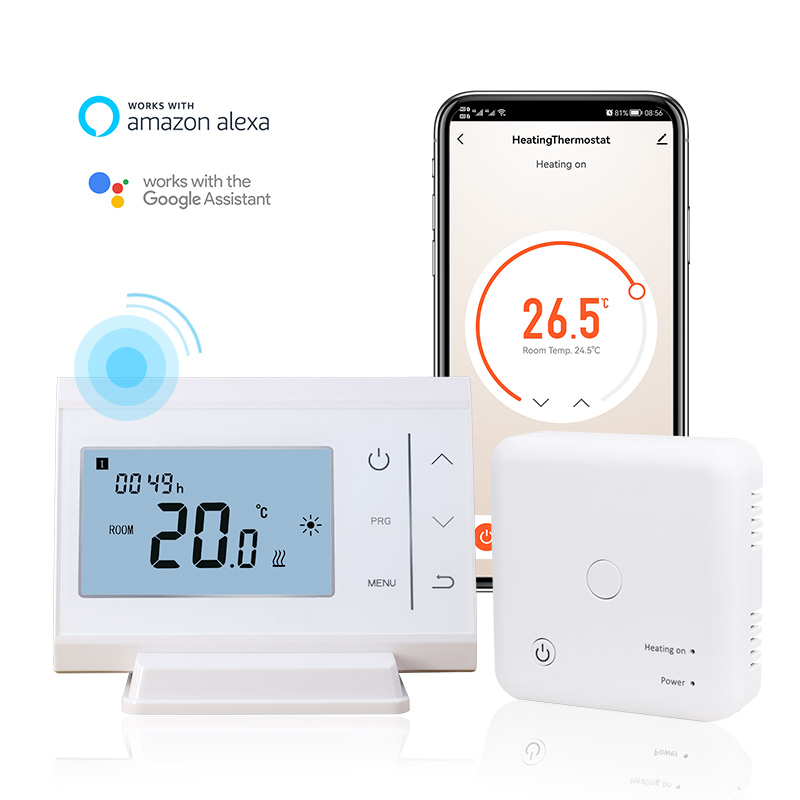
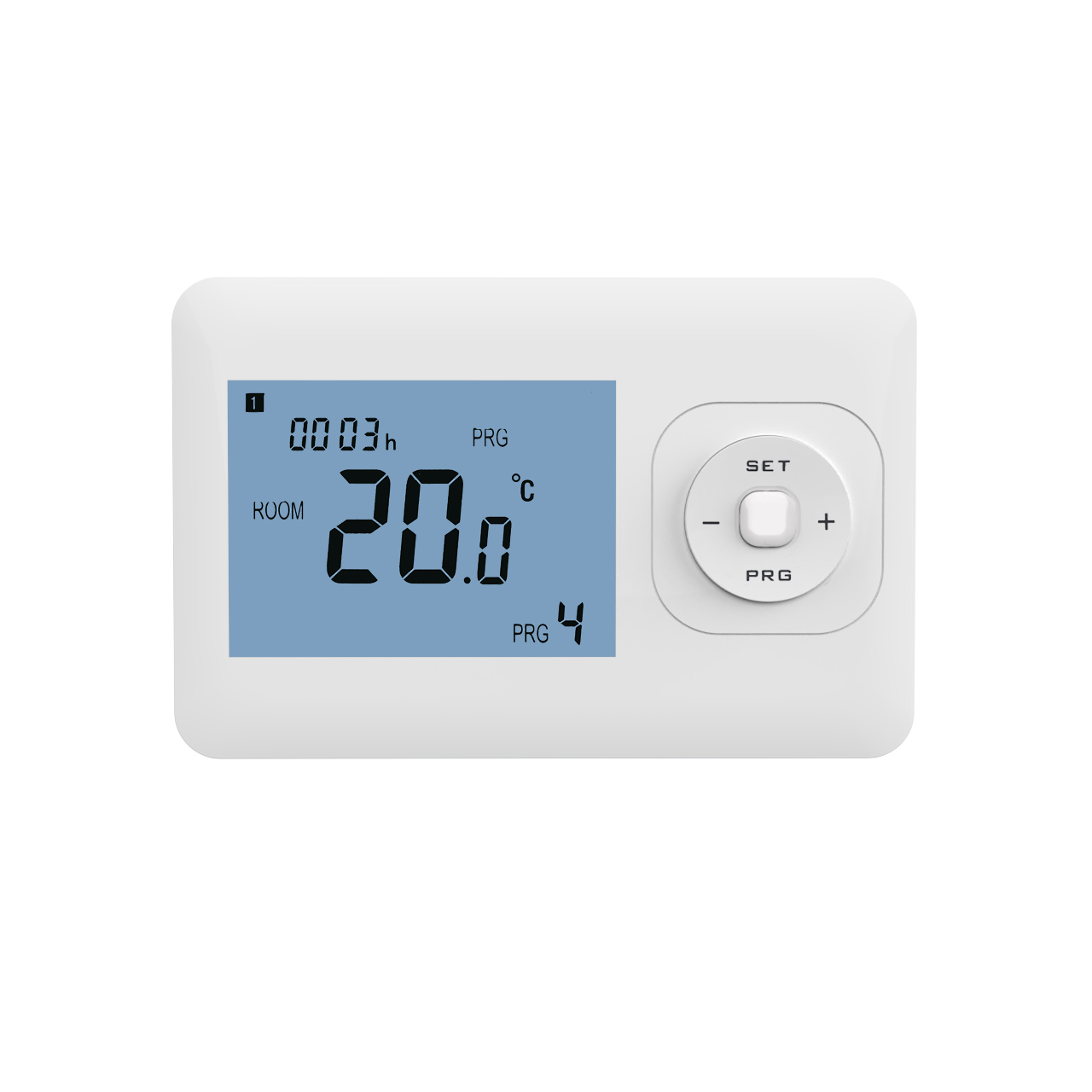
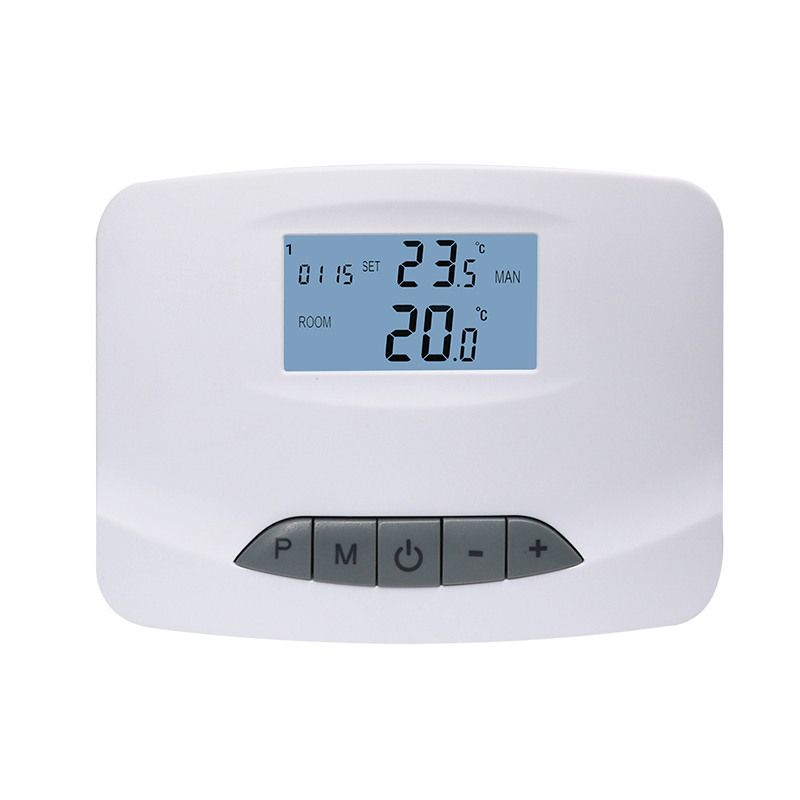
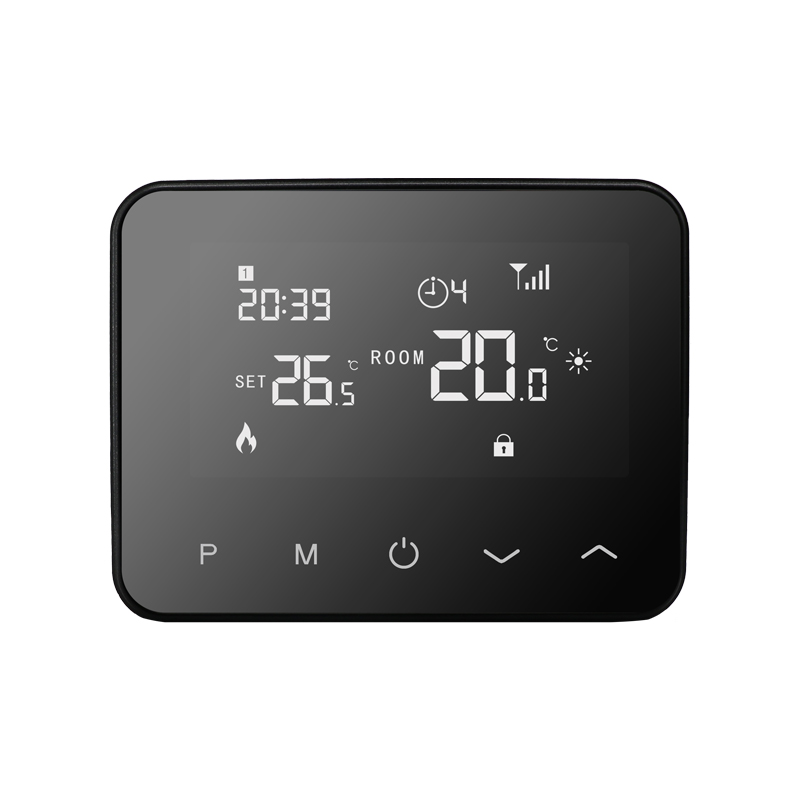
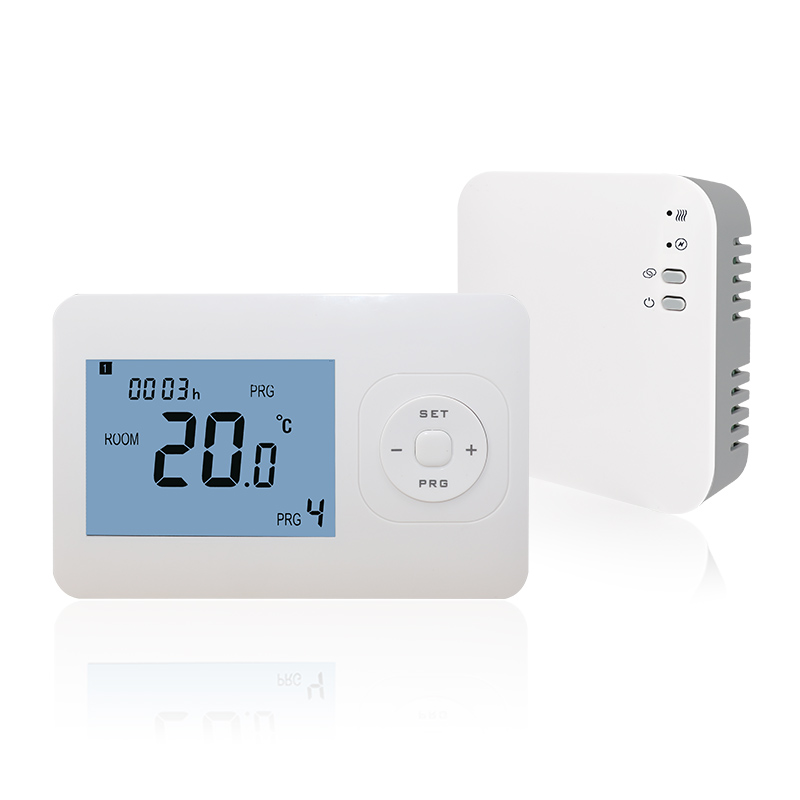
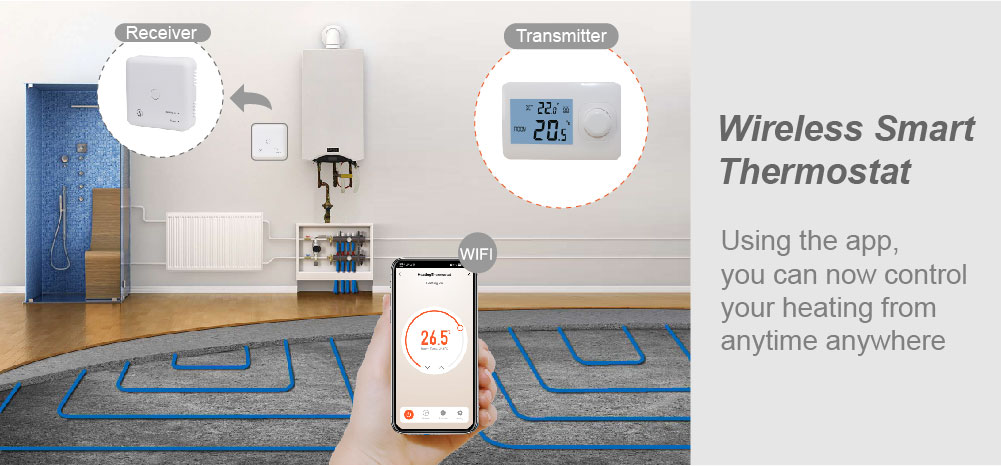
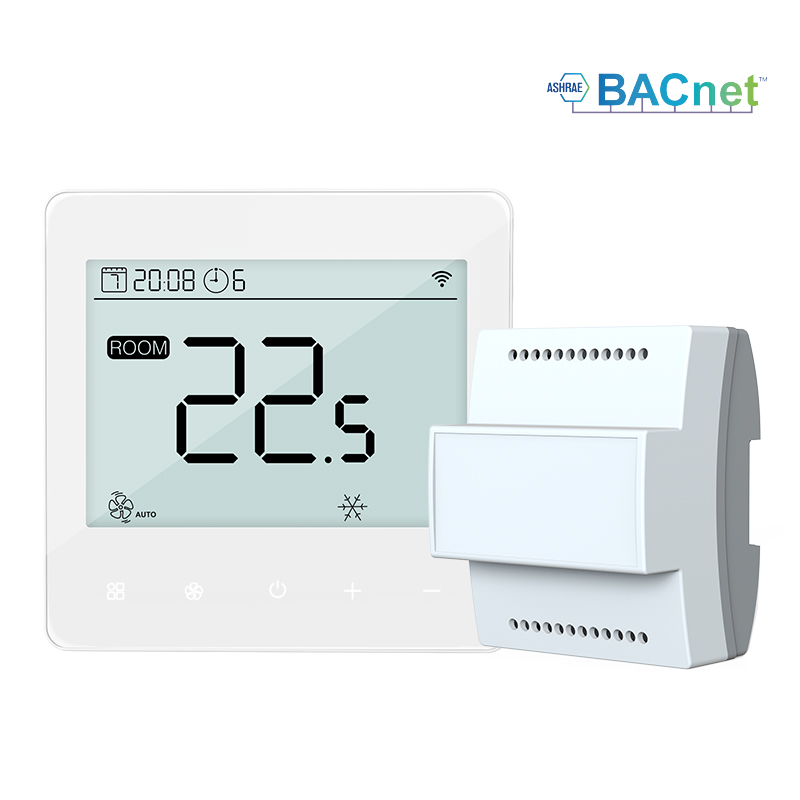
Controllers differ in operation methods, including traditional button-based designs, touch-screen interfaces, and smart-enabled controls. For residential users, clear interfaces and intuitive operation reduce the likelihood of misuse. Commercial and centralized management environments place greater emphasis on features such as centralized monitoring, remote adjustment, and unified parameter management. With the development of smart building technologies, controllers that support network connectivity are becoming more attractive, enabling users to monitor system status and adjust settings through mobile devices or management platforms.
Relationship Between Controllers and Energy Efficiency
Controllers play an essential role in improving energy efficiency. By applying optimized operating logic, the controller helps prevent prolonged high-load operation and reduces unnecessary energy consumption. For example, when indoor temperature approaches the set value, the controller can lower fan speed or reduce heat pump output, allowing the system to operate in a more economical state. Some controllers support scheduling functions that adjust operation based on usage patterns, aligning energy use more closely with actual demand.
Installation Environment and Reliability Considerations
Fan coil heat pump system controllers are typically installed on interior walls or within control cabinets, making reliability and environmental adaptability important factors. Stable electrical design and strong anti-interference performance help ensure consistent operation in complex electrical environments. In engineering projects, wiring layout, installation depth, and ease of maintenance also influence long-term usability. Controllers with well-designed structures and clearly labeled wiring terminals help simplify installation and commissioning processes.
Selection Priorities for Different Application Scenarios
In residential projects, fan coil heat pump system controllers prioritize ease of use and aesthetic compatibility, with control logic focused on stable and user-friendly operation. Commercial environments such as offices and hotels emphasize centralized management capabilities and system scalability to support complex operational requirements. Industrial or specialized facilities require controllers with enhanced durability and long-term continuous operation capability. Aligning controller selection with the specific application environment helps avoid functional redundancy or performance limitations and supports reliable system operation.