
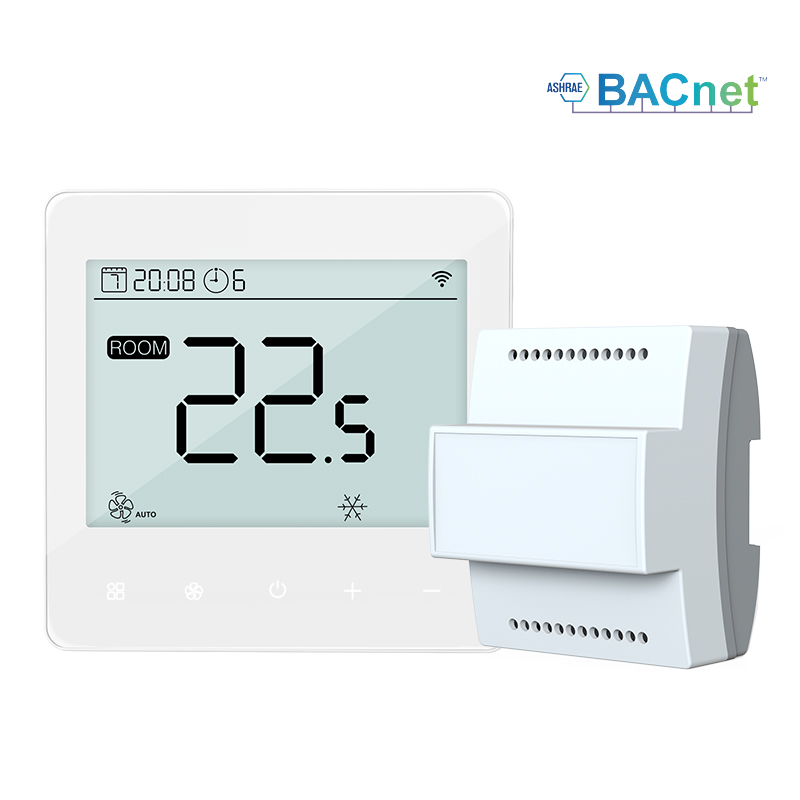
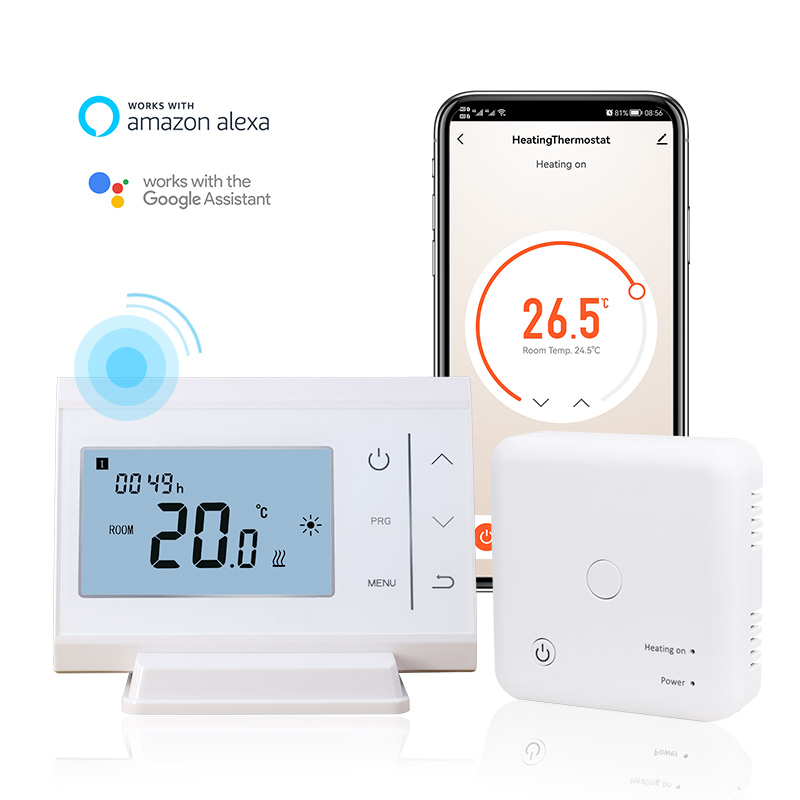
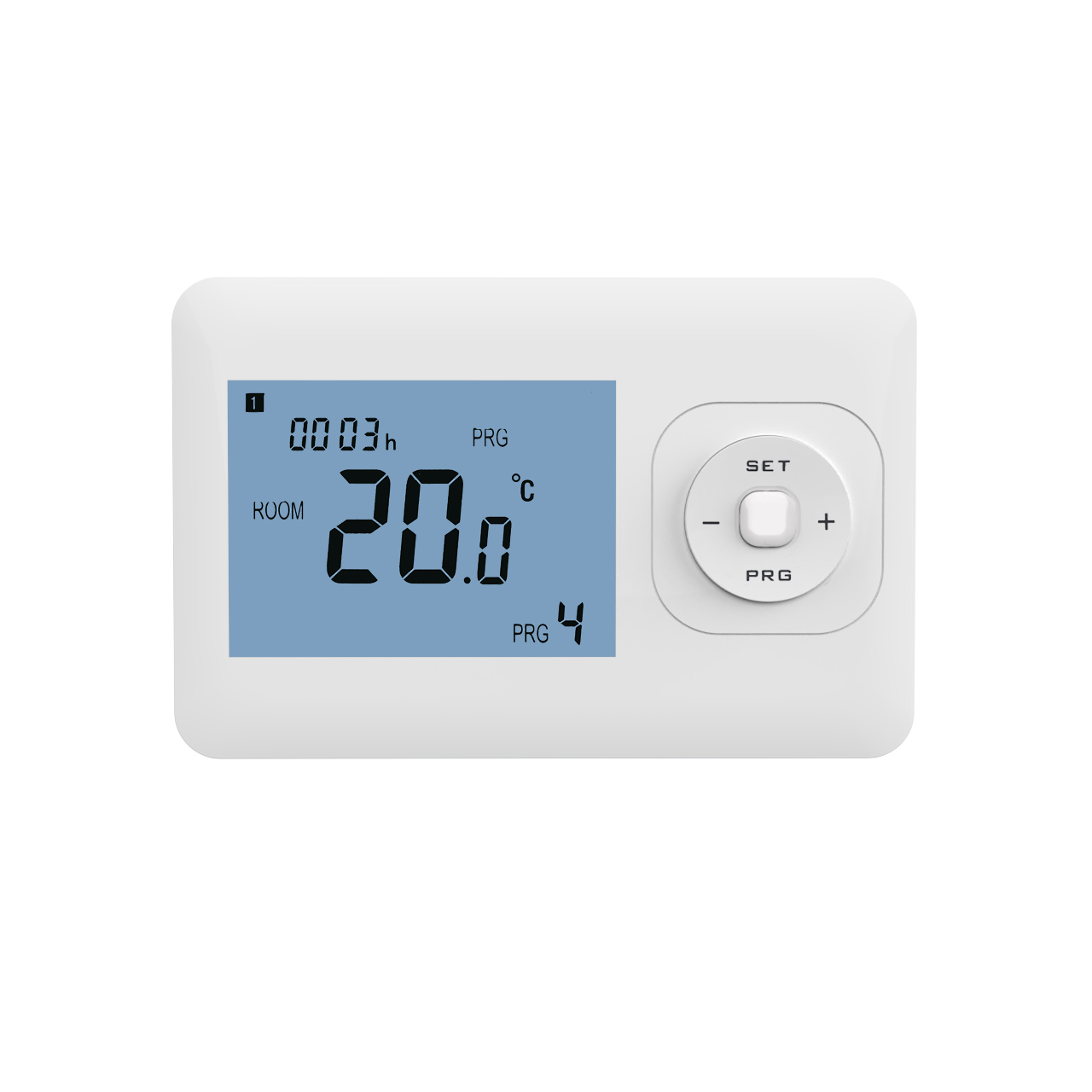
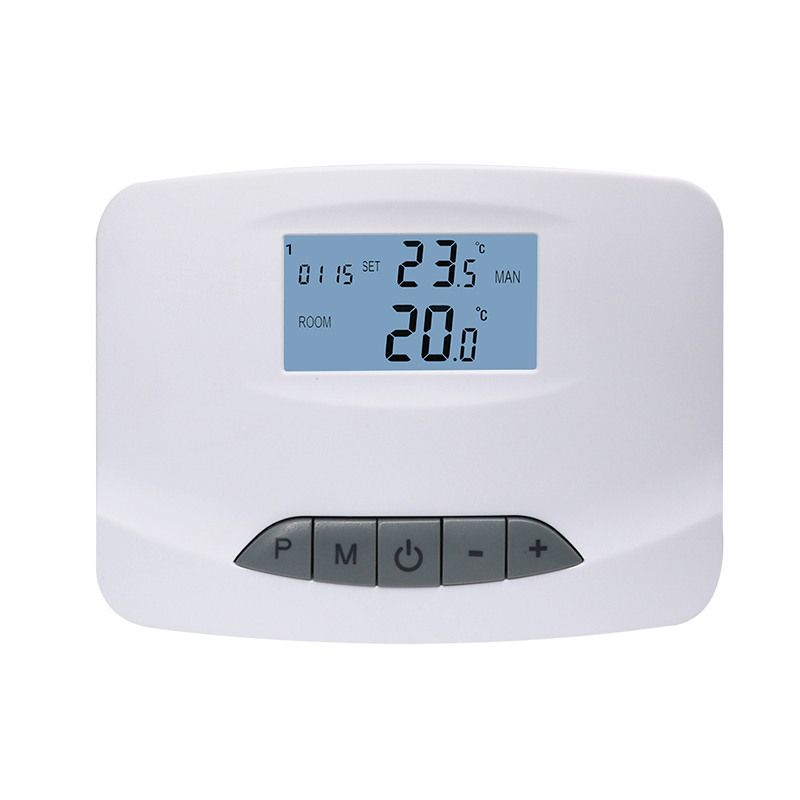
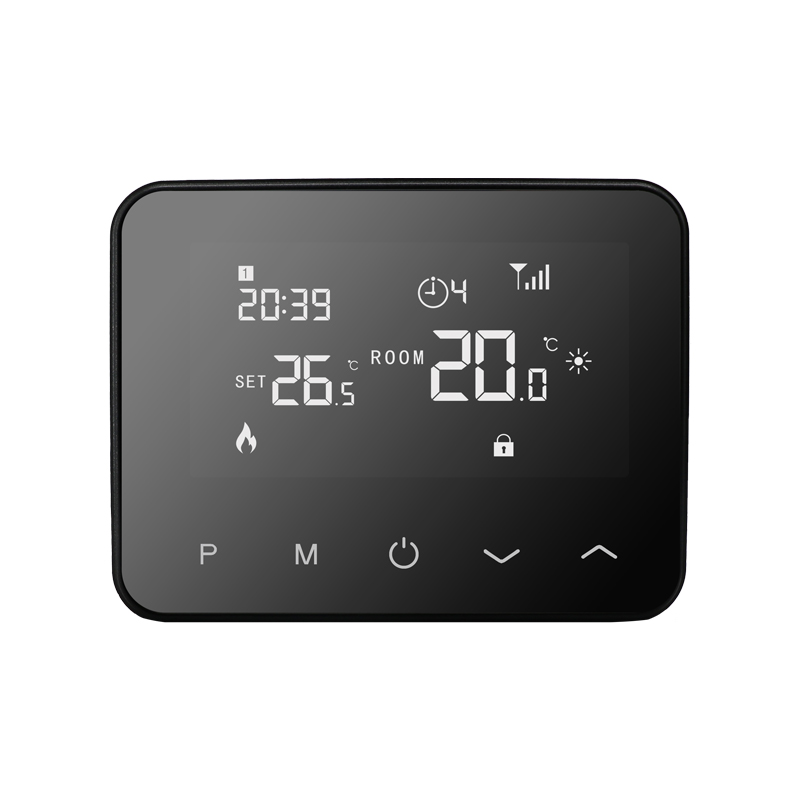
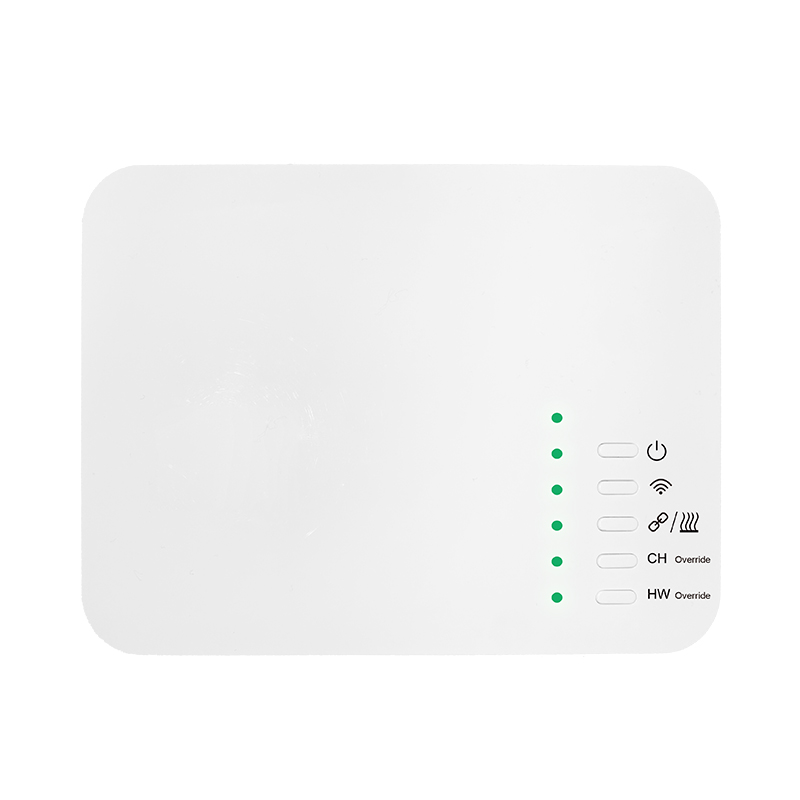
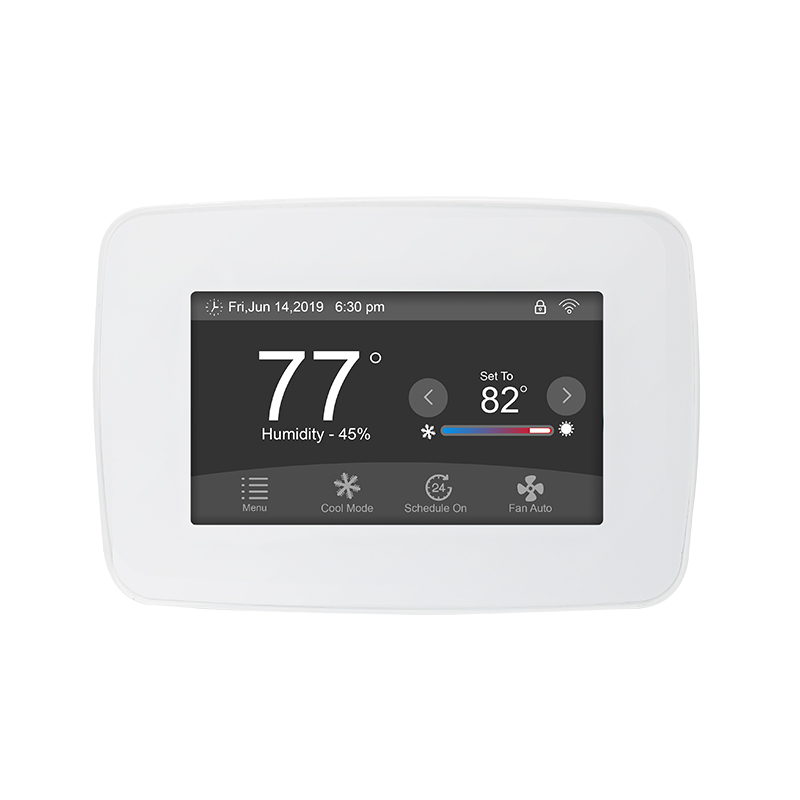
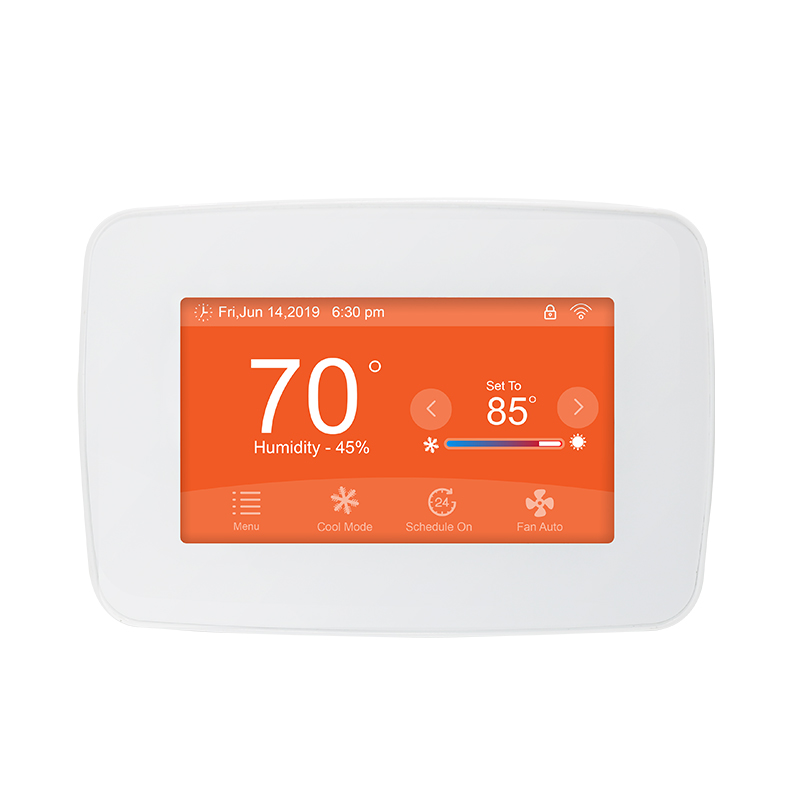
A wireless RF thermostat is a modern smart home device that controls the temperature of heating or air conditioning systems through wireless signals, achieving efficient energy management and enhanced comfort. Proper installation ensures stable operation and maximizes the thermostat’s benefits. The following guide details the installation steps and important considerations for a wireless RF thermostat.
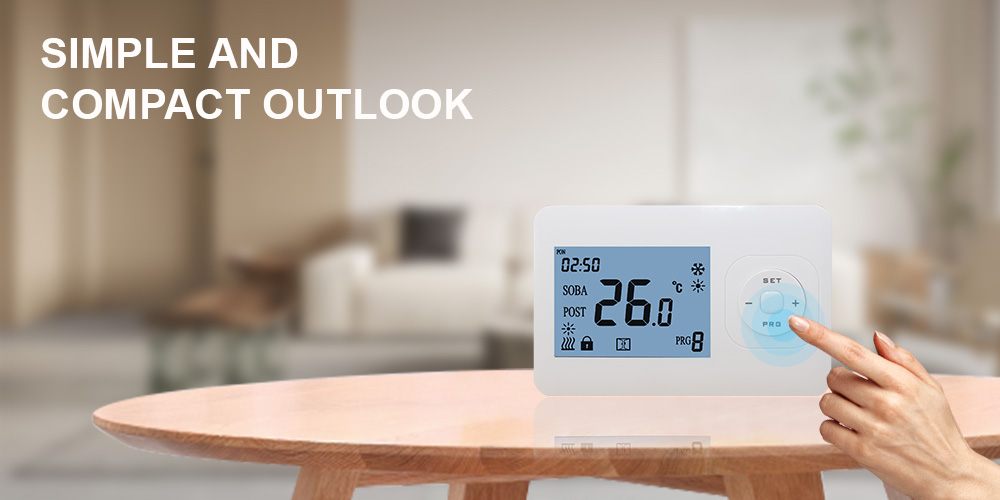
Preparation and Tool Check
Before installing the thermostat, thorough preparation is necessary. First, confirm that the thermostat is compatible with the home heating or cooling system, and check that the package includes the main unit, mounting base, batteries, screws, and the instruction manual. Prepare essential tools such as a screwdriver, electric drill, and level to ensure smooth installation and secure mounting. Choose an installation area free from high heat, excessive humidity, or strong magnetic interference to ensure stable operation and reliable signal transmission.
Choosing the Installation Location
The location of the thermostat directly affects temperature accuracy and wireless signal performance. Select a wall near the main living areas, avoiding direct sunlight and locations near heating vents or air conditioner outlets. A height of approximately 1.5 meters is recommended for easy access and accurate temperature measurement. For multi-room or multi-floor setups, arrange the thermostats according to their multi-zone capabilities to maintain balanced temperature control throughout the home.
Detailed Installation Steps
The installation of the thermostat can be divided into the following steps:
- Mount the Base: Secure the thermostat base to the wall using screws. Ensure it is level to prevent tilting, which could affect operation and display.
- Insert the Batteries: Install the batteries according to the instructions, paying attention to correct polarity. The device will power on and display the initial interface once the batteries are correctly installed.
- Attach the Thermostat: Align the main unit with the base slot and gently press it into place. Ensure the device is securely mounted without any wobbling.
- Pair the Device: Follow the instructions to pair the thermostat with the main controller or receiver. This usually involves pressing a button or scanning a QR code for wireless pairing.
- Test the Functionality: After pairing, adjust the set temperature and check if the heating or cooling system responds correctly. Confirm that the system is functioning normally before regular use.
Once these steps are completed, the wireless RF thermostat will operate reliably and provide intelligent temperature control.
Important Considerations and Tips
During installation, prioritize safety and avoid touching exposed power wires. Ensure the batteries are fully charged and replace them periodically to maintain stable operation. If the signal is weak or control is unstable, try adjusting the installation location or adding a signal repeater. To extend the device’s lifespan, avoid high humidity or dusty environments, and adjust temperature settings based on seasonal and household needs.
Post-Installation Calibration and Maintenance
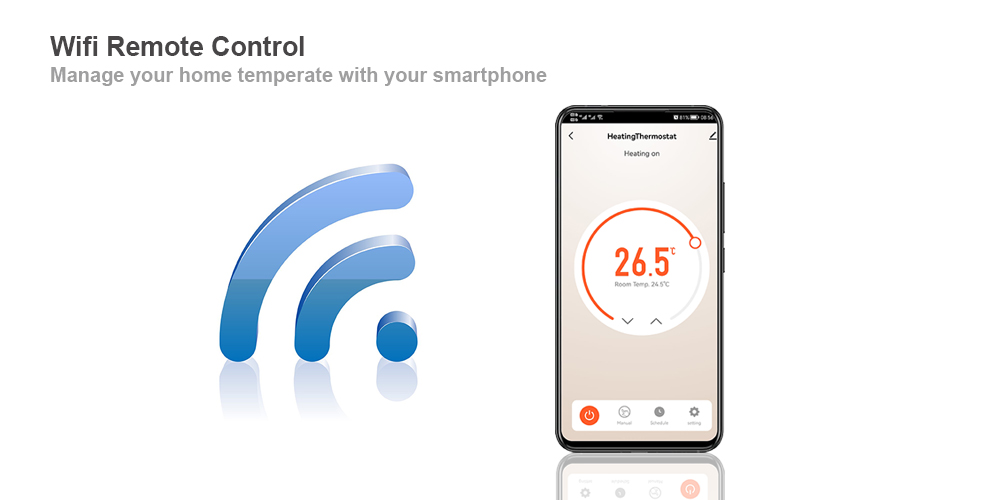
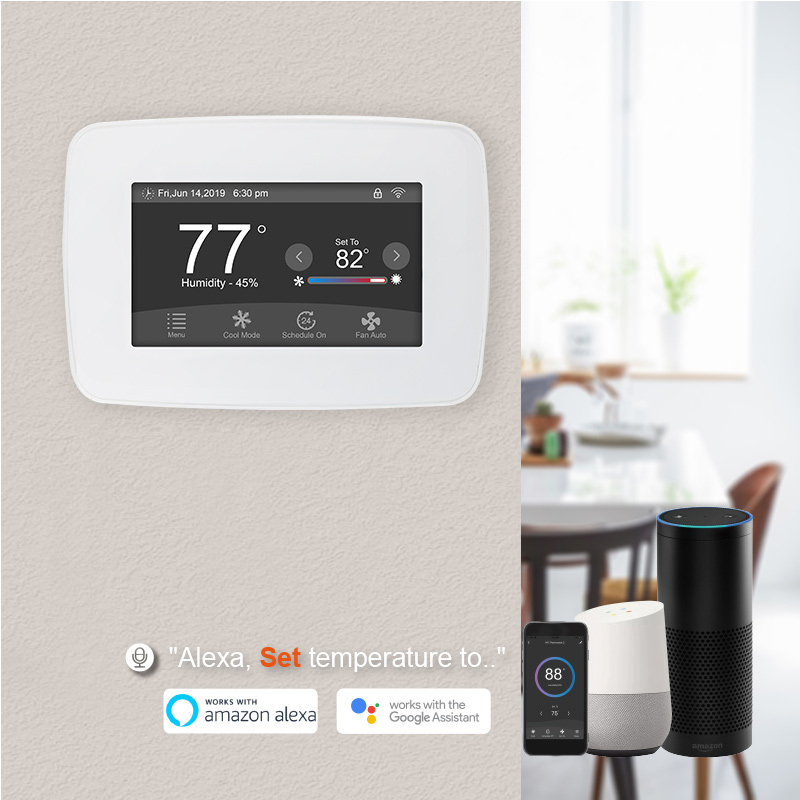
After installation, users can customize settings according to household requirements, such as adjusting modes, setting timers, and optimizing energy-saving strategies. Regularly check battery status, circuits, and wireless connectivity to ensure long-term reliability. Advanced models support integration with smartphones or smart home systems, enabling remote control and multi-zone temperature management, providing greater convenience and enhanced comfort in daily living.
Installing a wireless RF thermostat is straightforward, but attention to detail at each step is essential. From preparing tools and selecting the location to mounting, pairing, and functional testing, every stage ensures the device operates correctly. Proper installation and calibration not only guarantee stable operation but also fully leverage the thermostat’s intelligent temperature control and energy-saving features, making home life more comfortable, efficient, and convenient.