
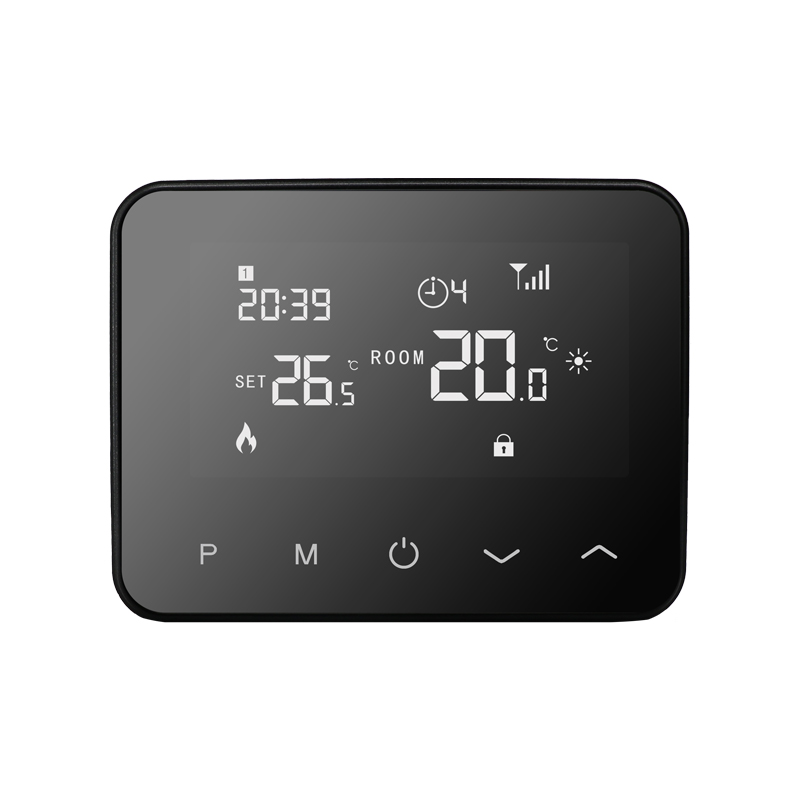
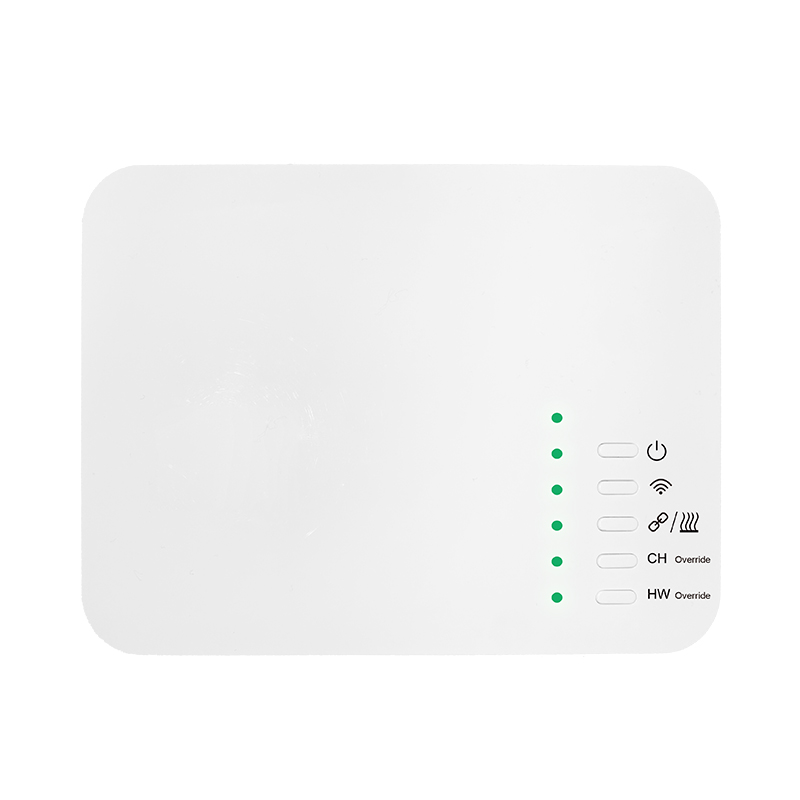
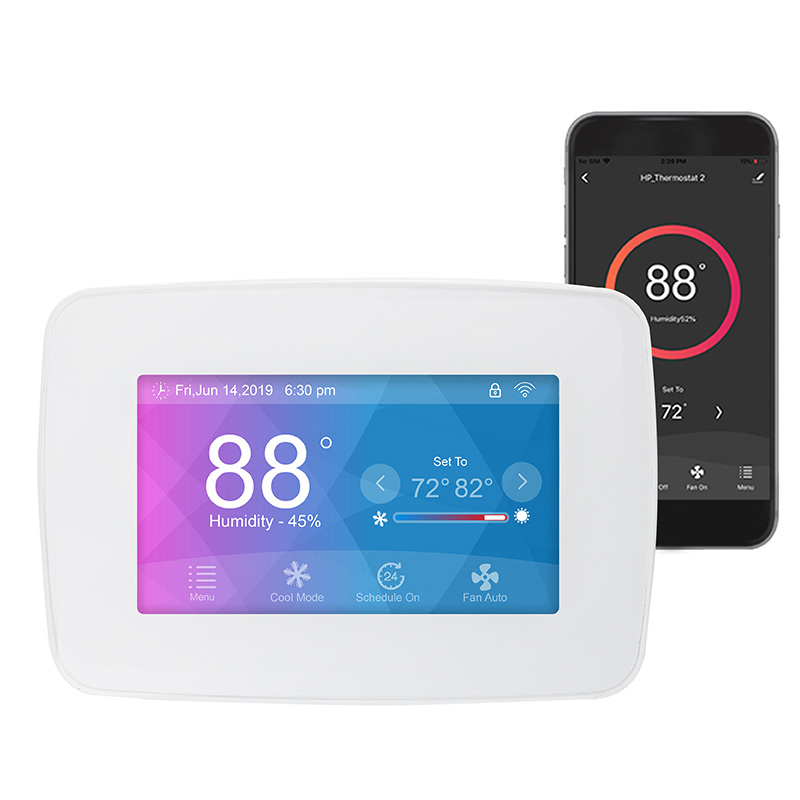
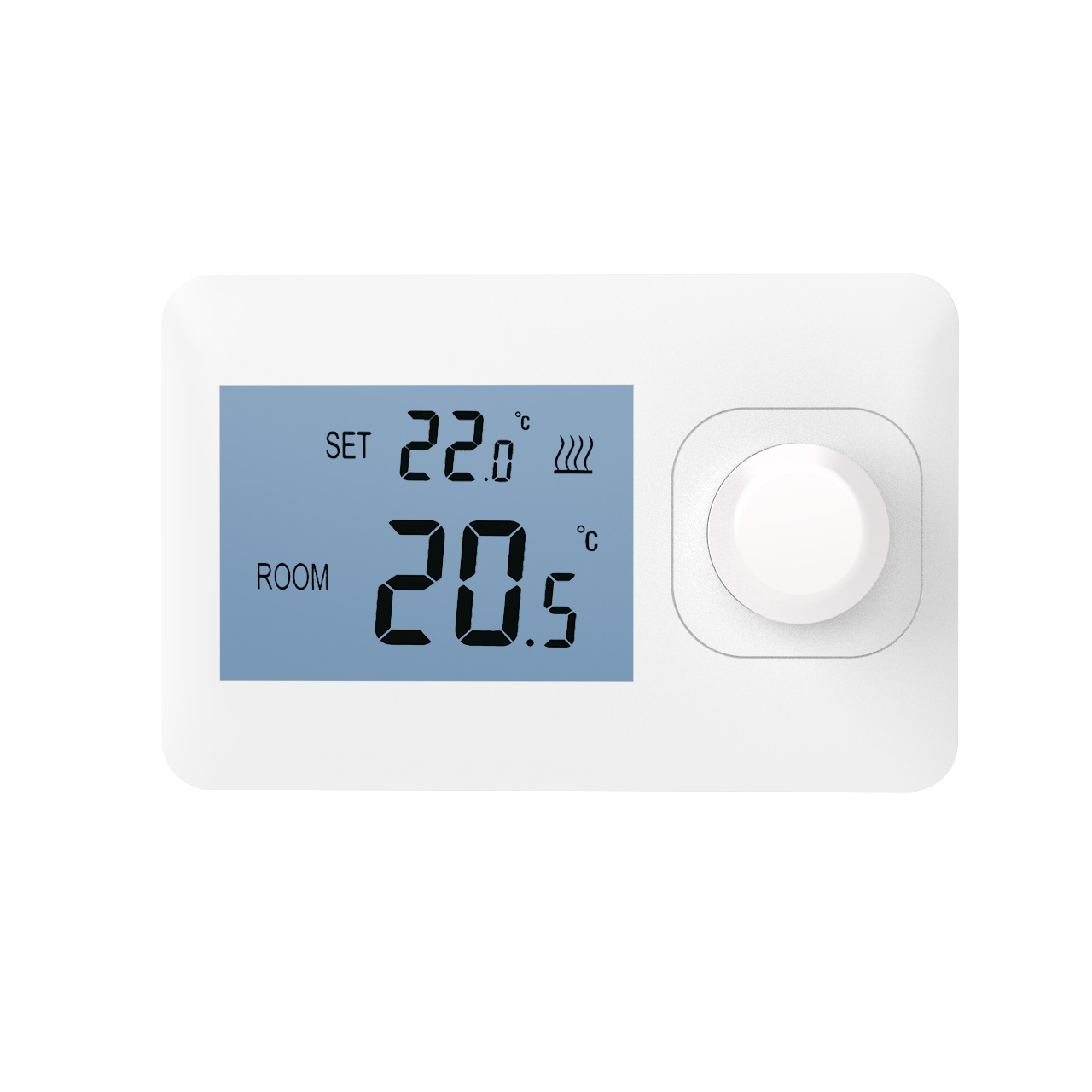
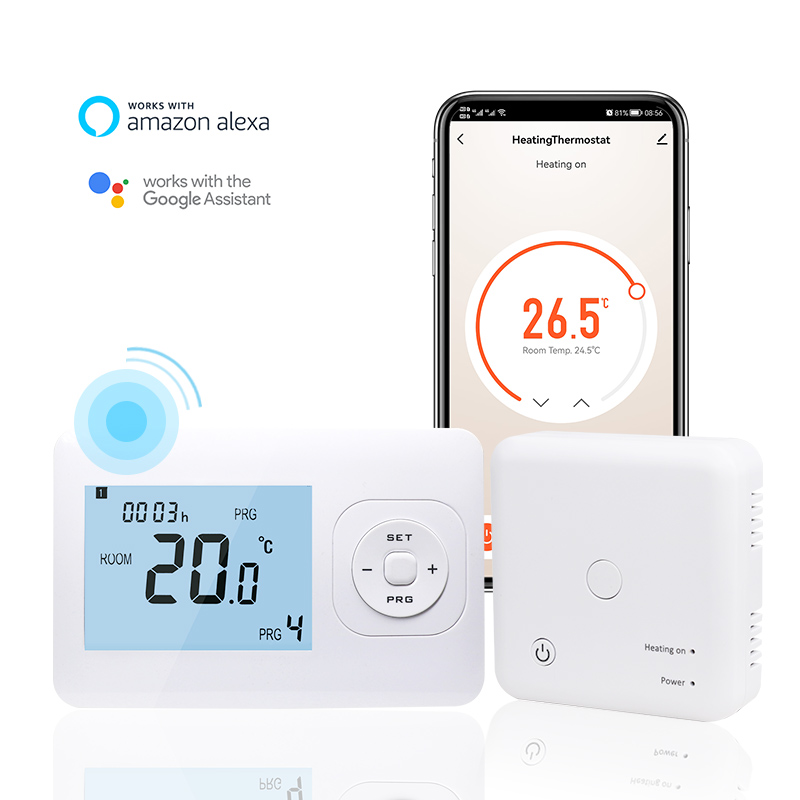
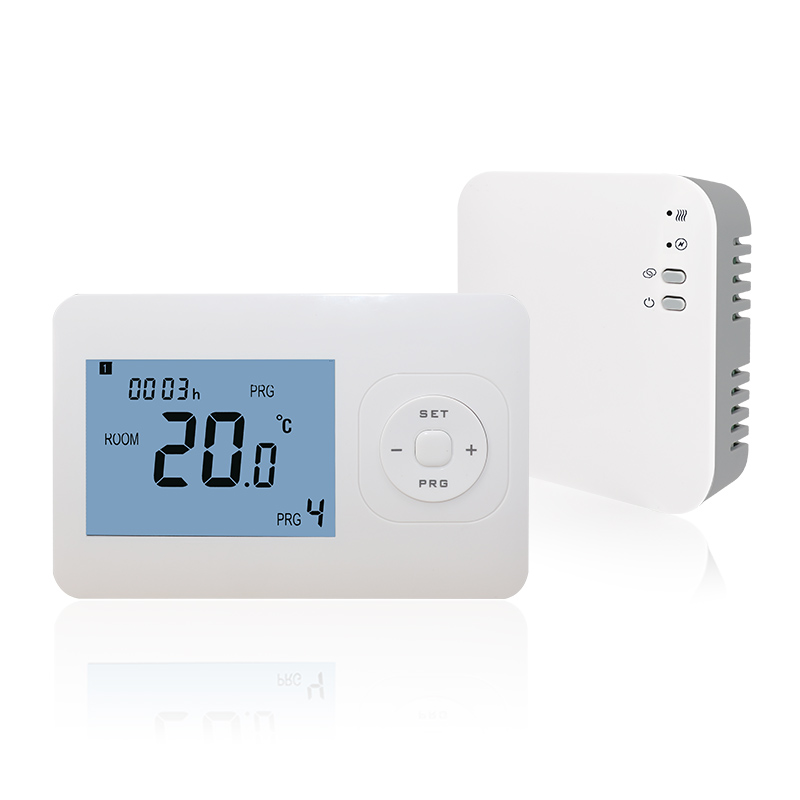
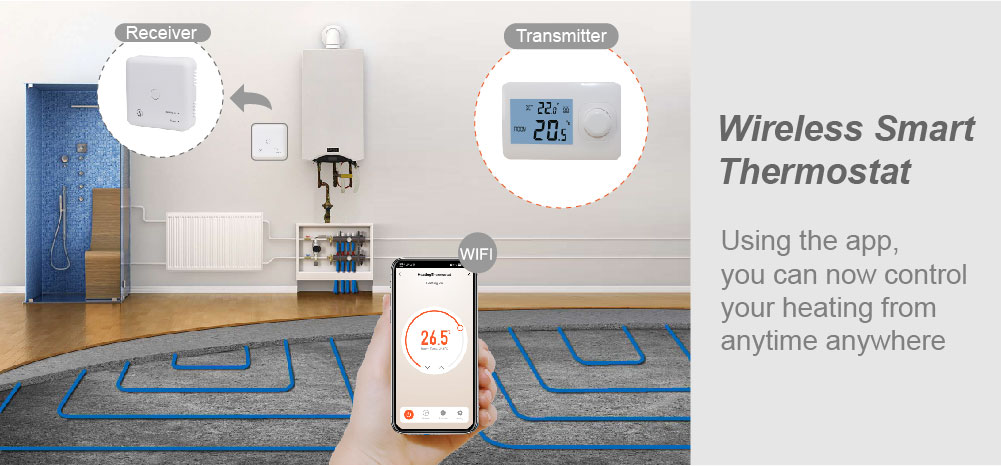
With the development of smart homes, more electric floor heating systems are equipped with smart thermostats. Smart thermostats not only allow precise temperature control but also offer remote management and automation features to save energy. However, many users still face issues due to improper operation, resulting in reduced comfort or wasted electricity. This article provides the correct methods to control electric floor heating temperature using a smart thermostat, focusing on temperature settings, scheduling, mode selection, remote control, and maintenance management.
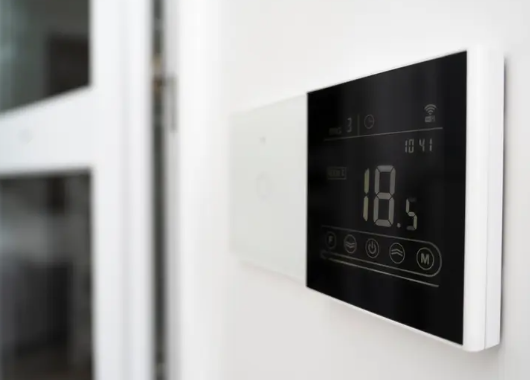
1. Set a Scientific Temperature Range
The primary role of a smart thermostat is to maintain a stable indoor temperature. Setting temperatures too high or too low can affect both comfort and energy consumption. Recommendations include:
Winter temperature: Maintain 18°C–22°C for optimal comfort.
Different room settings: Bedrooms can be slightly cooler, while living areas maintain moderate warmth, achieving local comfort and energy savings.
Avoid frequent adjustments: Smart thermostats respond with a delay, and frequent changes can increase energy use and reduce system lifespan.
By setting a reasonable temperature range, you can maintain comfort while minimizing unnecessary energy consumption.
2. Use Timers and Scene Functions Effectively
Smart thermostats often provide scheduling and scene functions for on-demand heating:
Timer function: Lower temperatures at night and raise them before returning home, avoiding long periods of idle heating.
Scene modes: Create “away” or “home” modes based on daily routines to automate heating, improving convenience and energy efficiency.
Proper scheduling and scene planning ensure comfort while saving energy.
3. Choose the Appropriate Operating Mode
Different modes suit different needs:
Comfort mode: Maintains a stable temperature, ideal for long periods at home.
Energy-saving mode: Reduces power output, suitable for nighttime or when away.
Manual mode: Allows full control over temperature and timing for special needs or temporary adjustments.
Beginners are advised to start with comfort mode, then switch to energy-saving or manual modes as needed for flexible control.
4. Remote Control and Smart Integration
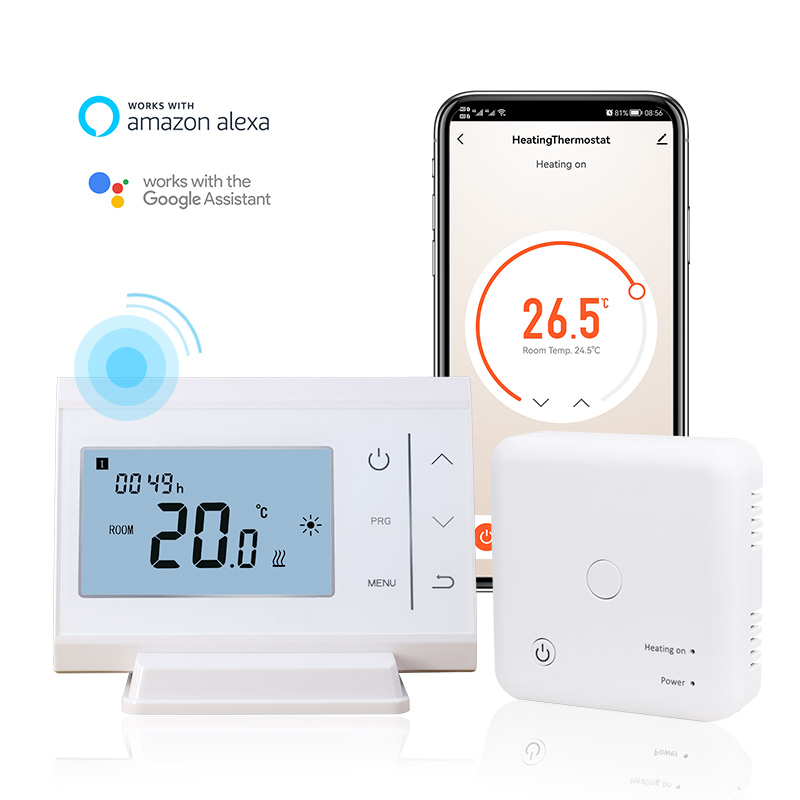
Smart thermostats support app and voice control, providing greater convenience:
Remote control: Adjust temperatures while away to ensure comfort upon returning home without wasting energy.
Smart integration: Connect with door/window sensors, air quality sensors, or home automation systems to automatically raise, lower, or cut off heating based on environmental changes, enhancing system intelligence.
Remote and integrated control improves comfort while optimizing energy usage dynamically.
5. Routine Maintenance and Precautions
Long-term efficient operation requires proper maintenance:
Clean sensors and panels regularly to ensure accurate temperature detection.
Check network and power stability to guarantee proper remote control and automation functionality.
Maintain a sealed indoor environment to reduce heat loss and improve thermostat efficiency.
Follow the user manual to avoid disassembly or modification that could cause malfunctions.
Proper operation and maintenance extend thermostat lifespan and ensure efficient heating system performance.
Conclusion
In summary, the correct way to control electric floor heating with a smart thermostat includes setting an appropriate temperature, effectively using timers and scene modes, choosing the right operating mode, leveraging remote and smart integration, and maintaining the system regularly. Mastering these practices ensures precise, comfortable temperature control while effectively reducing energy consumption, providing an efficient, intelligent, and energy-saving heating experience for the home.