
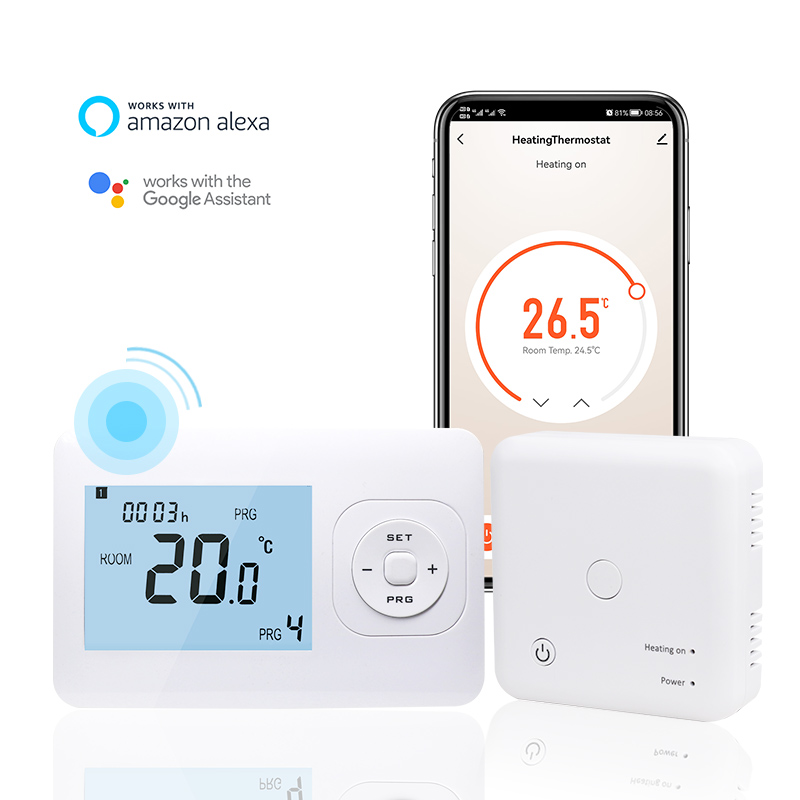
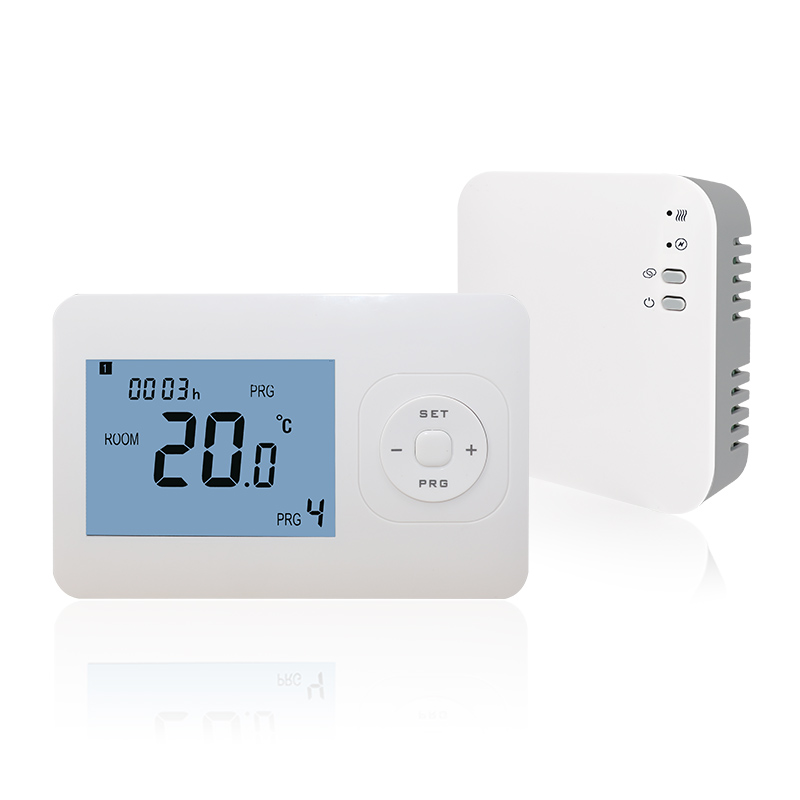
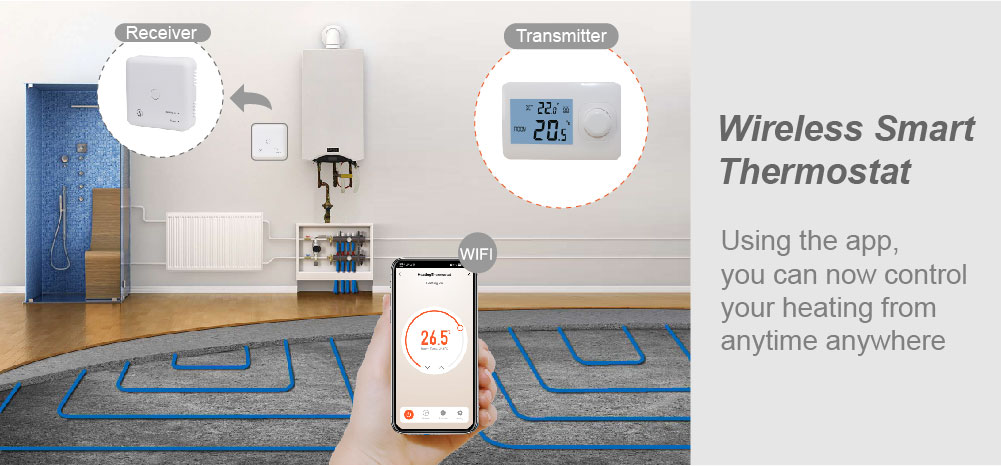
In modern homes, intelligent and energy-efficient heating systems have become increasingly popular. Thermostatic radiator valves, as a key component of heating systems, are gradually becoming the preferred solution for home heating due to their precise temperature control and significant energy-saving effects. They not only automatically adjust the hot water flow based on room temperature for a personalized warmth experience, but also save money by reducing unnecessary energy consumption. However, many users still have misconceptions about the use of thermostatic radiator valves, preventing them from fully realizing their potential. This article will provide a detailed explanation of the correct usage of thermostatic radiator valves, helping you easily achieve a balance between warmth and energy saving.
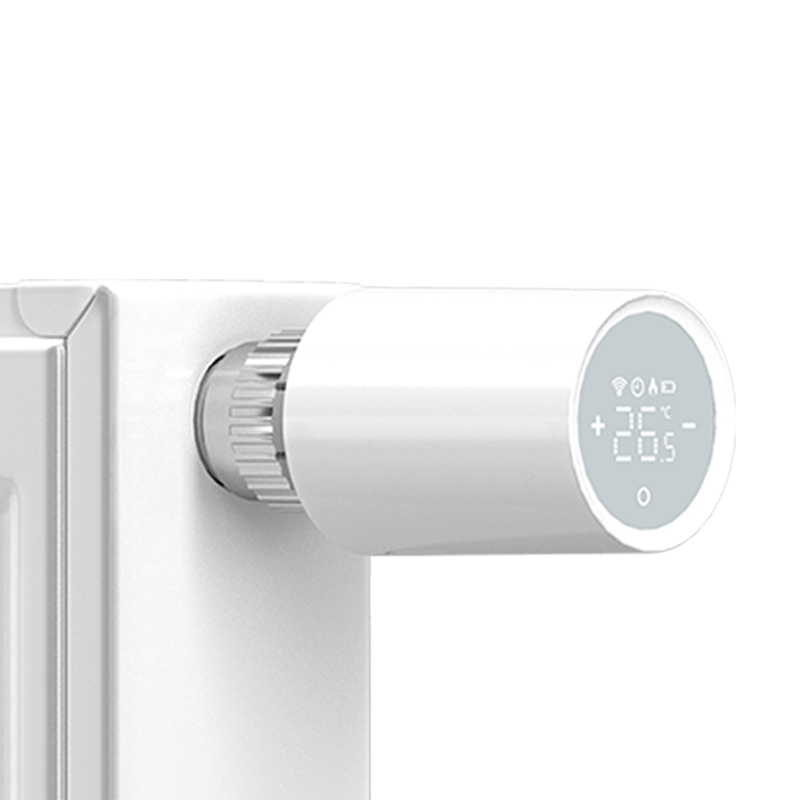
The core principle of a thermostatic radiator valve lies in its built-in temperature-sensing element. When the room temperature rises, the temperature-sensing element expands due to heat, pushing the valve stem to close the valve slightly, reducing the flow of hot water into the radiator and thus lowering the room temperature. When the room temperature drops, the temperature-sensing element contracts, causing the valve stem to spring back and open the valve wider, increasing the hot water flow and raising the room temperature. This process requires no external energy drive and relies entirely on changes in indoor temperature for self-regulation. Therefore, proper installation and use of thermostatic radiator valves are crucial to ensuring their effectiveness.
During installation, the thermostatic radiator valve should ideally be installed at the outlet of the radiator’s inlet pipe. This position ensures the thermostatic valve accurately senses the radiator’s inlet water temperature and adjusts the flow rate according to room temperature requirements. For built-in sensors, special attention must be paid to their installation direction—horizontal installation is optimal to avoid interference from the valve body and pipe thermal effects caused by vertical installation, which could lead to malfunctions of the thermostat. If the radiator is obstructed by curtains, radiator covers, or other heat sources (such as stoves or strong lighting fixtures) near the thermostatic valve, an external sensor should be used. This involves extending the temperature sensor away from the interference source via a capillary tube to ensure accurate temperature sensing.
During use, users can adjust the desired room temperature by adjusting the knob or button according to personal comfort and seasonal changes. Most thermostatic radiator valves have a temperature range between 6°C and 28°C. A “0” mark typically indicates the valve is fully closed, while “5” represents the maximum opening. In cold winter weather, the set temperature can be increased; during spring and autumn transitions or at night when no one is around, the temperature can be decreased to save energy. It is worth noting that thermostatic radiator valves have an automatic control function. When the room temperature reaches the set value, the valve will automatically close or reduce its opening, eliminating the need for frequent manual adjustments by the user.
To ensure the long-term stable operation of thermostatic radiator valves, regular maintenance and cleaning are equally important. Regularly check for blockages or obstructions around the thermostatic valve to avoid affecting its normal operation. At the same time, keep the ventilation holes on the thermostatic valve casing clear to ensure accurate temperature control. When cleaning, use a mild detergent to wipe the casing; never use alcohol, bleach, or organic solvents, as these may damage the casing material. Furthermore, for individual household heat metering systems, each radiator should be equipped with a thermostatic valve to balance the water flow and prevent system imbalance caused by excessive or insufficient flow from some radiators.
The energy-saving effect of thermostatic radiator valves should not be underestimated. By precisely regulating the hot water flow, it not only avoids energy waste caused by opening windows to dissipate heat due to excessively high room temperature, but also effectively alleviates uneven heating between floors or rooms. After the implementation of heat metering billing, the proper use of thermostatic radiator valves can further help users effectively control room temperature and save on heating costs. As a smart choice for modern heating systems, the proper use and maintenance of thermostatic radiator valves are crucial for improving living comfort and energy efficiency. By mastering installation points, setting appropriate temperatures, and performing regular maintenance and cleaning, you can not only easily enjoy a warm and comfortable living environment but also save your family a considerable amount on energy costs. Choose thermostatic radiator valves to achieve both warmth and energy savings, and start a new era of smart heating.