
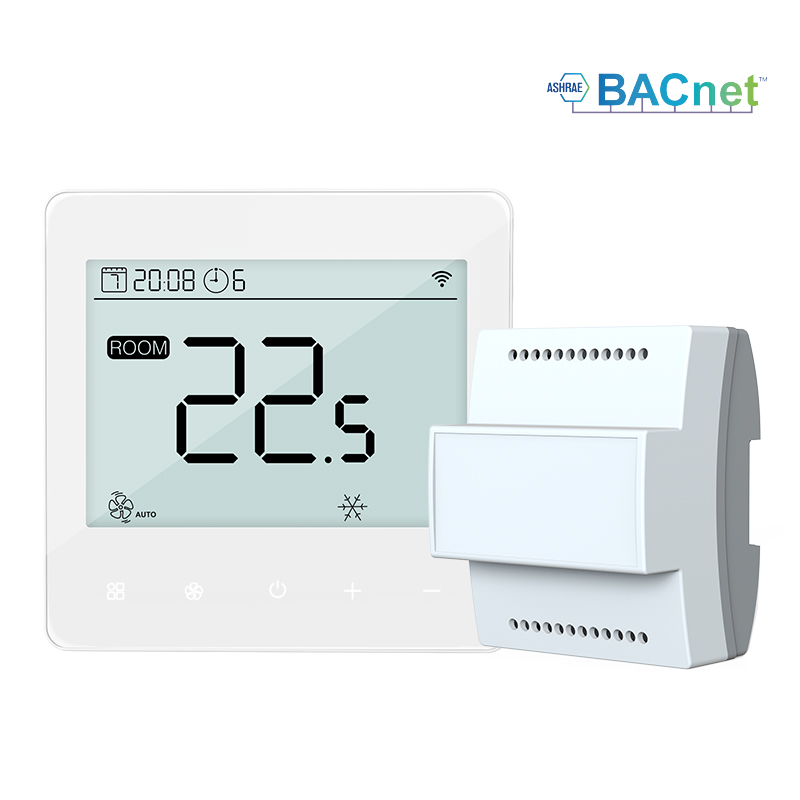
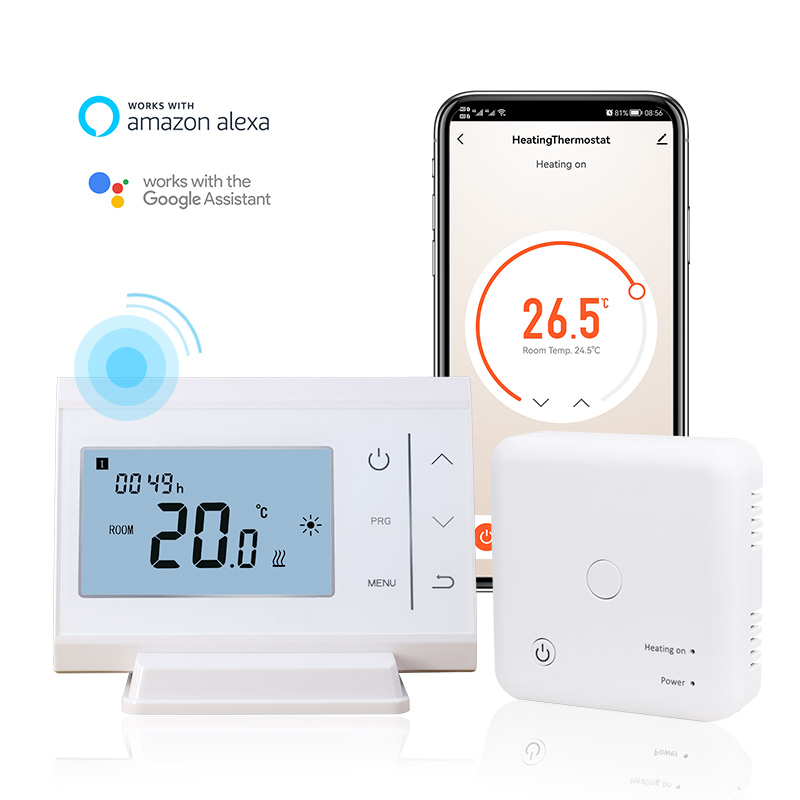
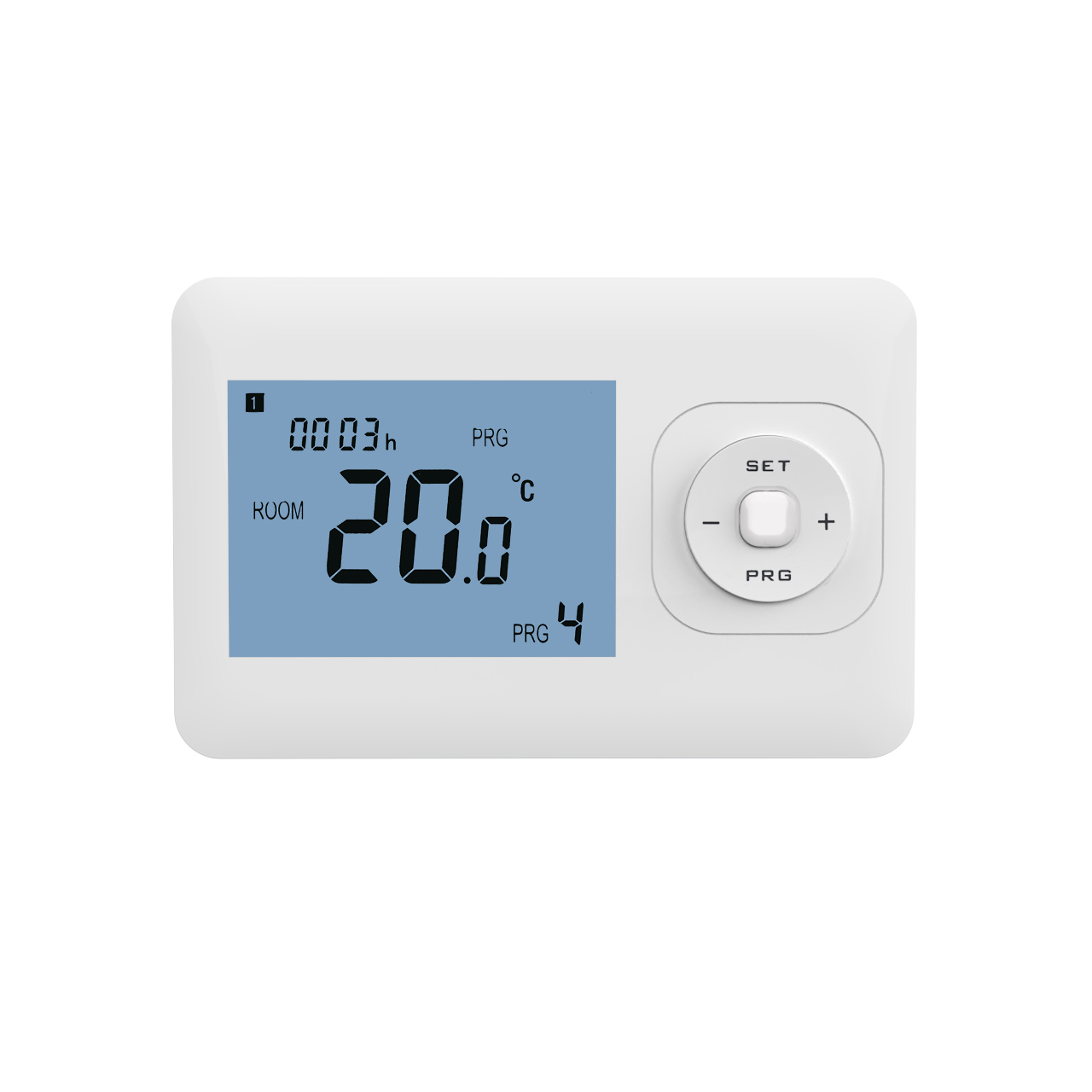
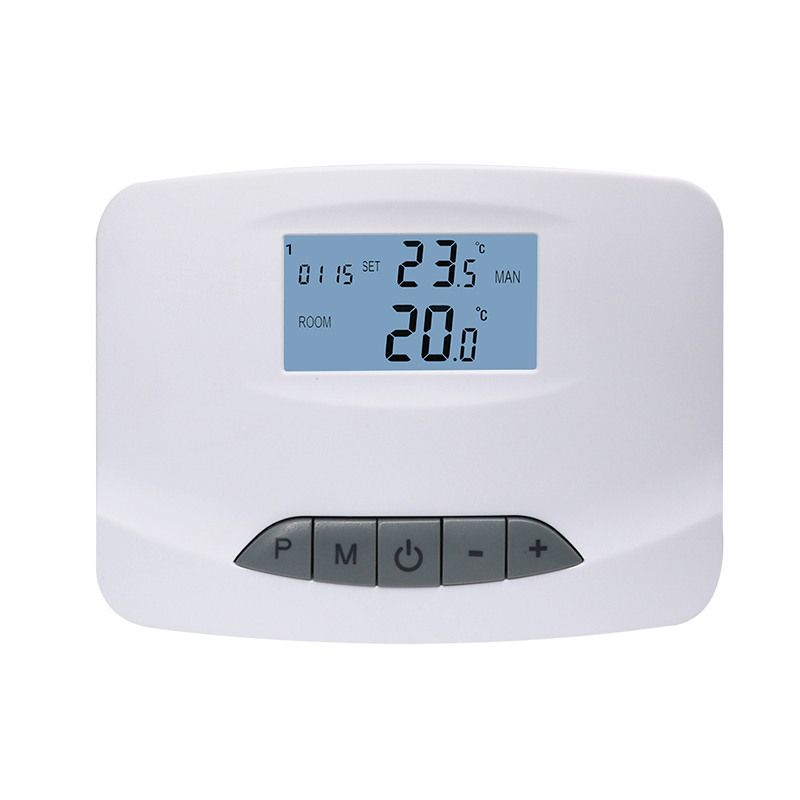
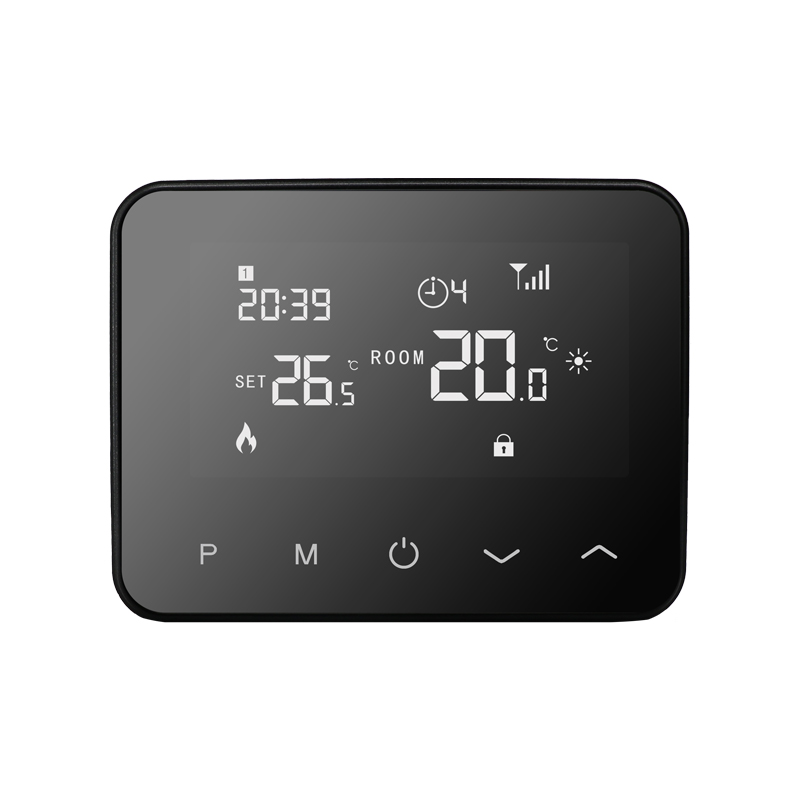
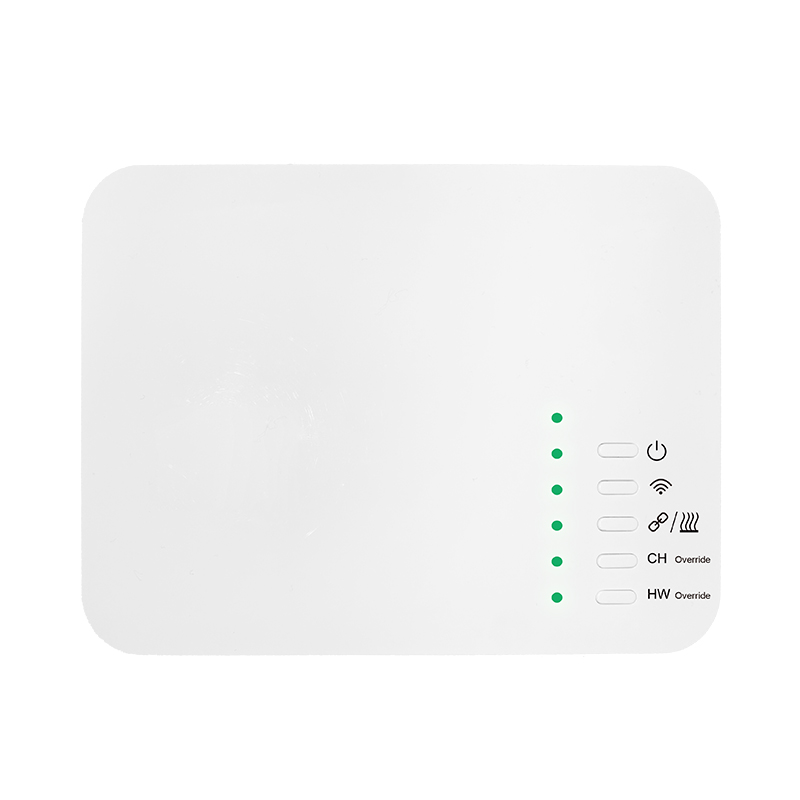
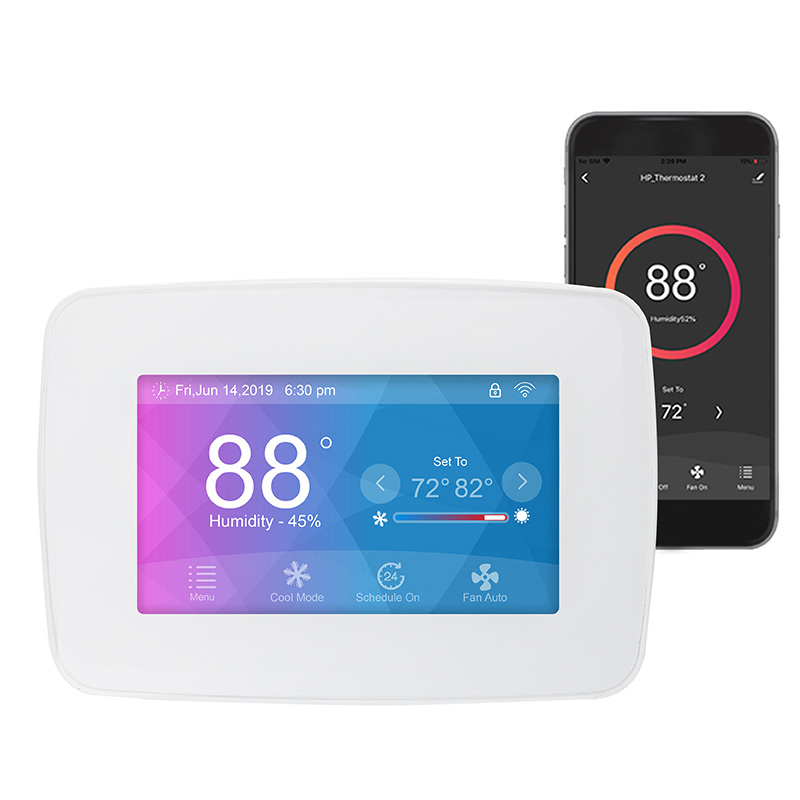
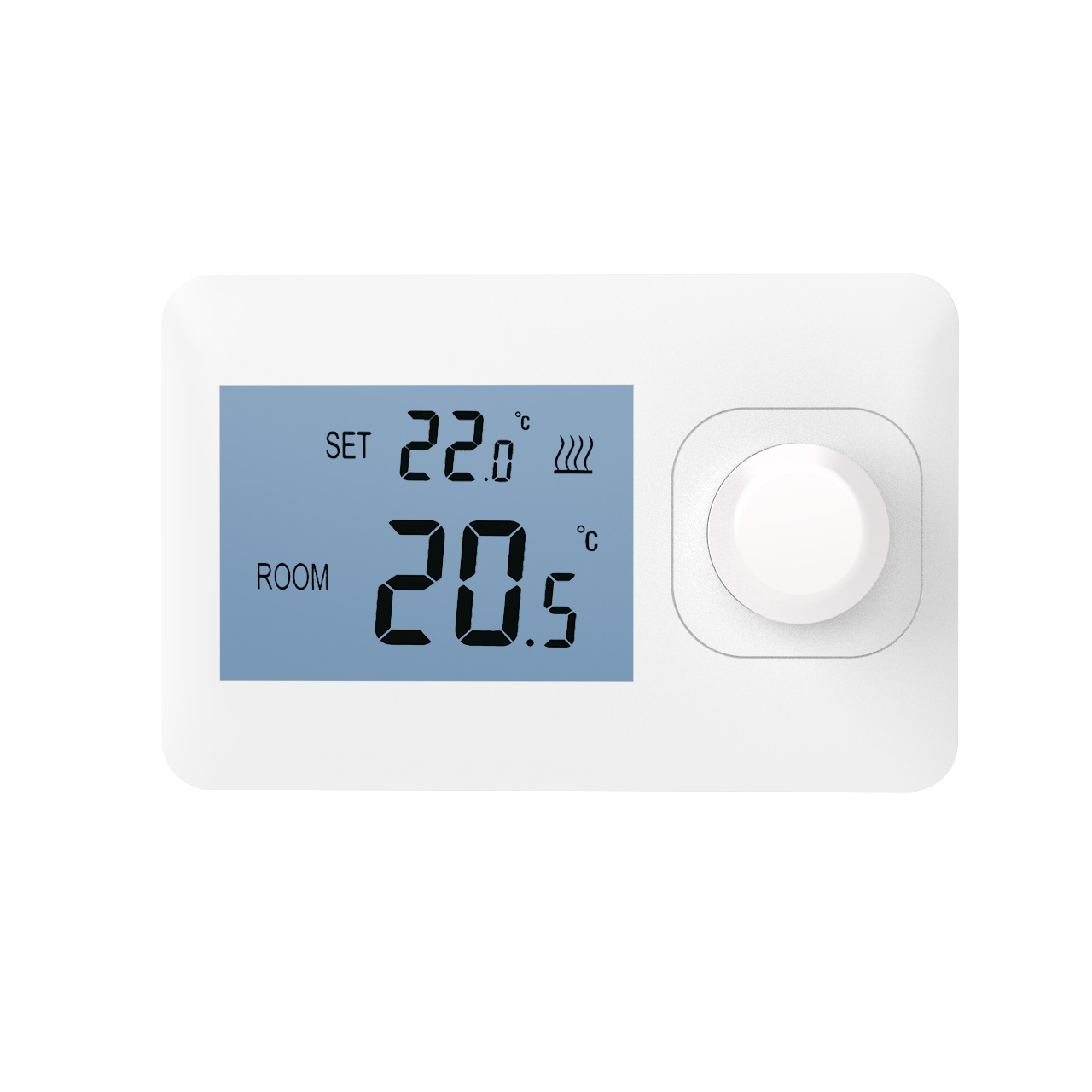
Fan coil unit (FCU) thermostats play an essential role in building HVAC systems by monitoring temperature and coordinating with fans, valves, and other terminal devices. They typically communicate with control systems through digital protocols to achieve precise operation. In real-world applications, however, issues such as unstable communication, signal loss, or delayed response are common. These problems can affect indoor comfort and may even trigger system alarms or abnormal equipment operation. A clear troubleshooting approach helps identify root causes and restore reliable communication.
Check Communication Bus and Wiring
FCU thermostats commonly communicate via protocols such as Modbus or BACnet. Loose connections, damaged cables, poor contact, or improper wiring practices are among the most frequent causes of communication instability.
Troubleshooting actions:
Inspect whether bus cable connections are secure.
Check cables for damage, bending, or moisture exposure.
Verify correct wiring polarity and terminal connections according to system requirements.
Confirming wiring integrity helps eliminate physical connection issues.
Verify Power Supply Stability
Stable power supply is essential for reliable thermostat communication. Voltage fluctuations, electrical noise, or insufficient power can interrupt data transmission and cause intermittent communication failures.
Troubleshooting actions:
Measure the supply voltage to ensure it is within the rated range.
Avoid sharing power circuits with high-power equipment to reduce interference.
Install voltage regulators or power filters if necessary.
Power stability forms the foundation of reliable communication.
Review Communication Protocol and Parameter Settings
Incorrect communication settings between the thermostat and the control system—such as mismatched protocol, address conflicts, baud rate errors, or incorrect data format—can lead to frequent disconnections or total communication loss.
Troubleshooting actions:
Confirm that both devices use the same communication protocol.
Check device addresses, baud rate, parity, and data bits.
Ensure each device has a unique address on the network.
Correct parameter configuration eliminates most protocol-related issues.
Identify Interference and Environmental Factors
Electromagnetic interference, high ambient temperature or humidity, strong lighting, or mechanical vibration can negatively affect thermostat performance and communication stability.
Troubleshooting actions:
Keep thermostats away from transformers, variable frequency drives, and other high-interference equipment.
Ensure proper ventilation and suitable ambient conditions.
Secure devices firmly to minimize vibration-related issues.
Optimizing the installation environment significantly improves communication reliability.
Inspect Thermostat Hardware and Firmware
Hardware defects or outdated firmware versions can also cause unstable communication.
Troubleshooting actions:
Check display and keypad functionality to identify hardware abnormalities.
Verify the firmware version and perform upgrades when available.
Replace suspected faulty devices for comparison testing if needed.
Regular maintenance and firmware updates reduce communication failure risks.
Apply a System-Level Troubleshooting Approach
In large-scale HVAC systems, communication instability may result from excessive bus length, high node density, or signal attenuation.
Troubleshooting actions:
Check whether total bus length exceeds manufacturer recommendations.
Use repeaters or segmented wiring to optimize network topology.
Balance device distribution to ensure reasonable load per communication segment.
Proper system design is essential for long-term communication stability.
Conclusion
Communication instability in fan coil unit thermostats can be caused by wiring issues, power supply fluctuations, incorrect protocol configuration, environmental interference, device faults, or poor system design. A systematic troubleshooting approach—covering wiring, power, parameters, environment, and system architecture—helps resolve communication problems effectively. Mastering these troubleshooting strategies enables HVAC technicians to improve system reliability, reduce downtime, and maintain stable indoor comfort.