
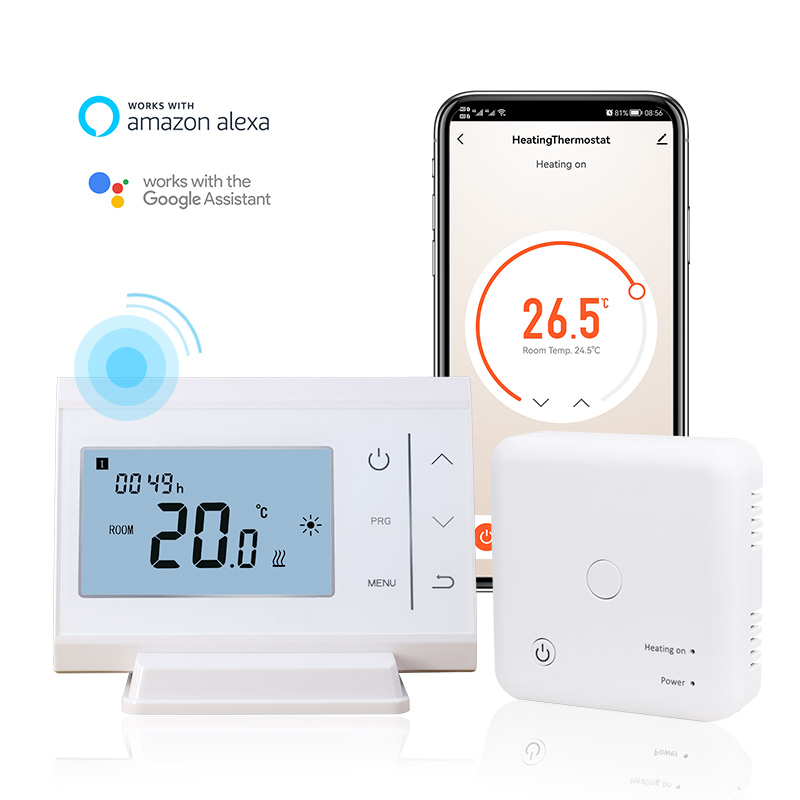
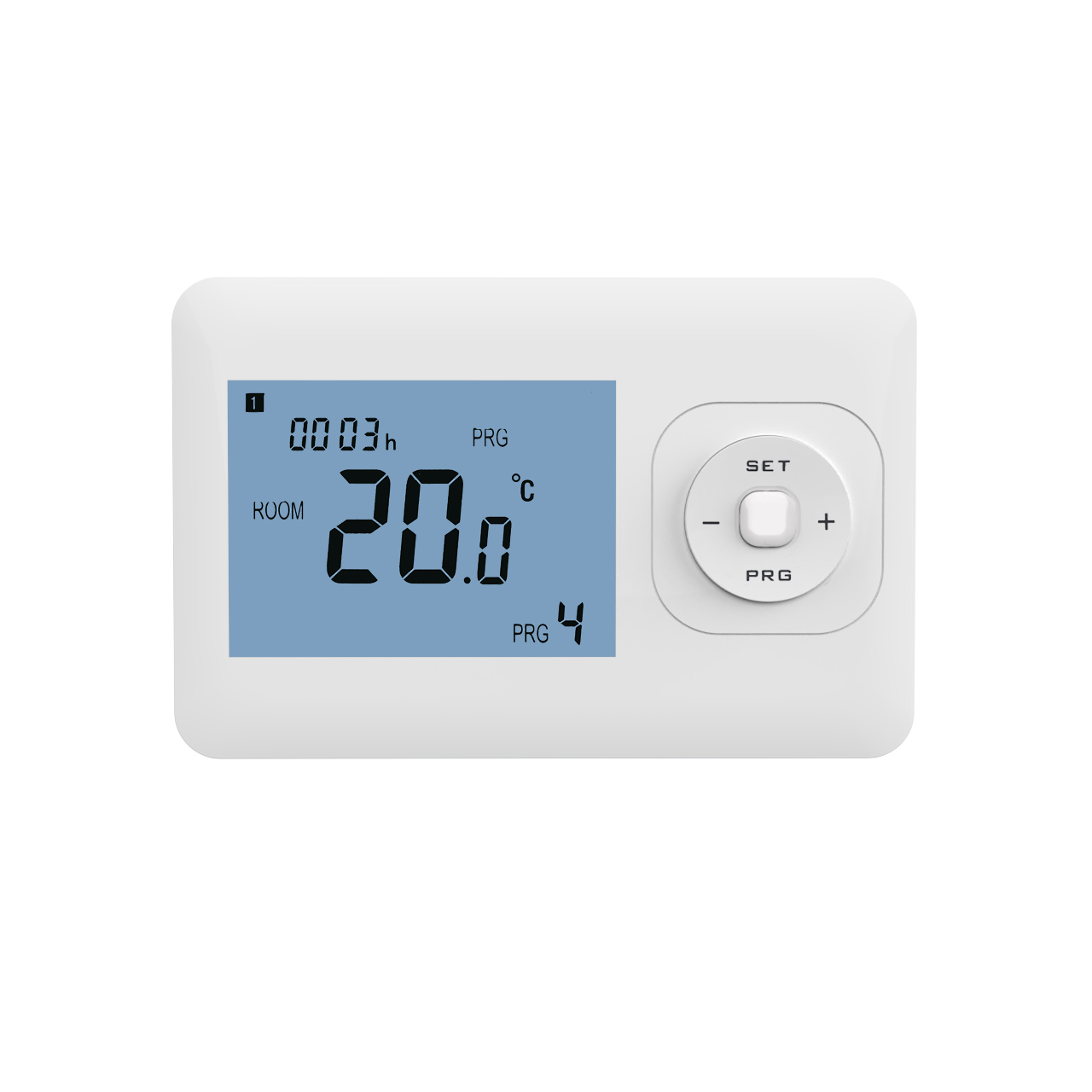
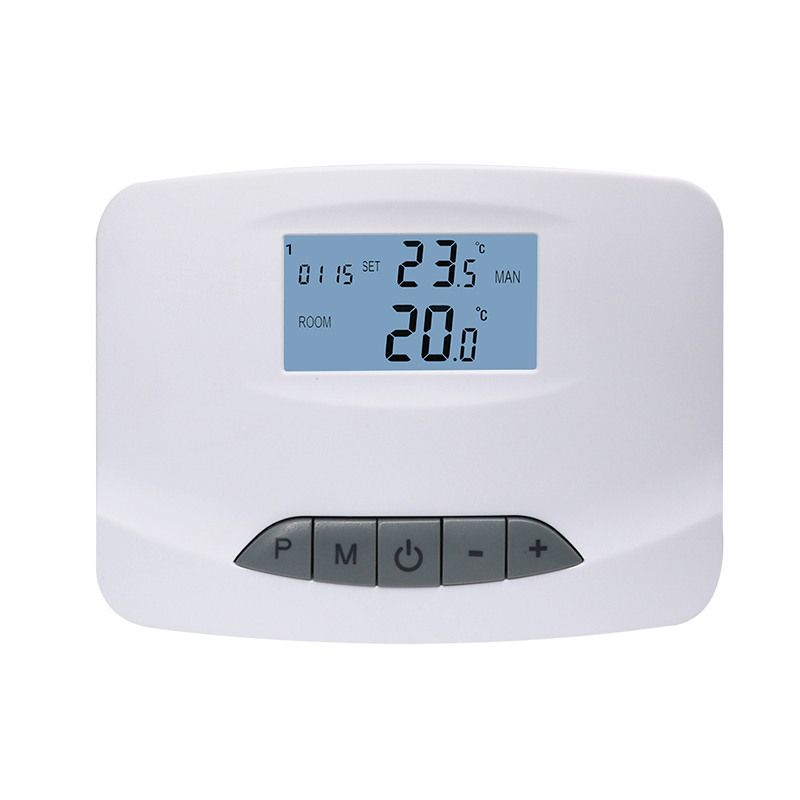
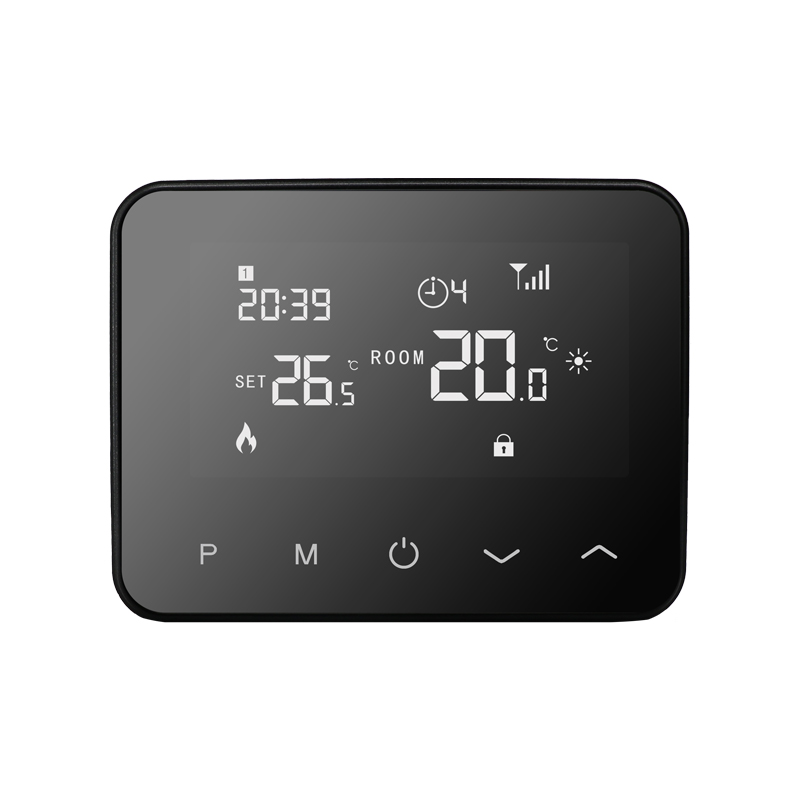
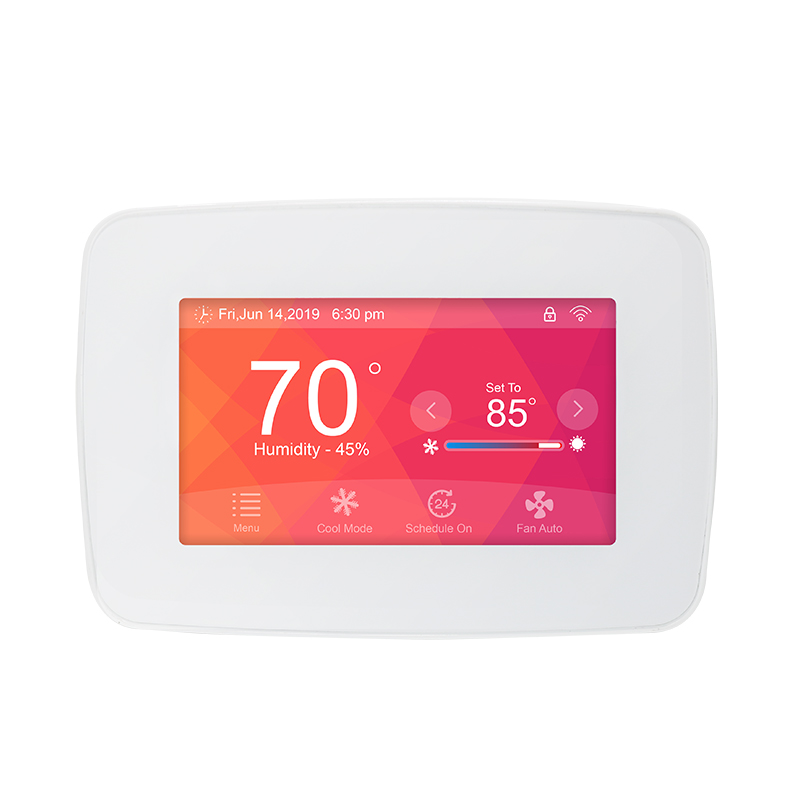
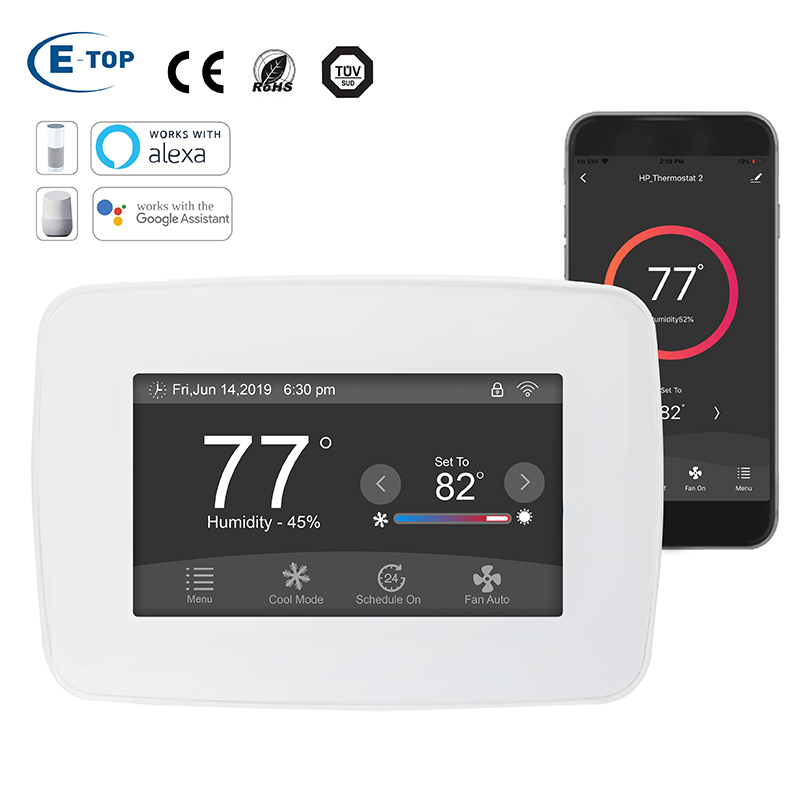
In hotels, apartments, dormitories, and office buildings, heat pump PTAC systems are widely used due to their independent control and ease of installation. As the core control unit of the entire system, any malfunction of the thermostat directly affects heating and cooling performance, and may even cause the equipment to malfunction completely. Many users’ first reaction to problems is to replace the equipment. However, many malfunctions are not serious faults, but rather caused by improper settings, wiring problems, or environmental factors. If a clear troubleshooting approach is followed, normal operation can often be restored without replacing the equipment.
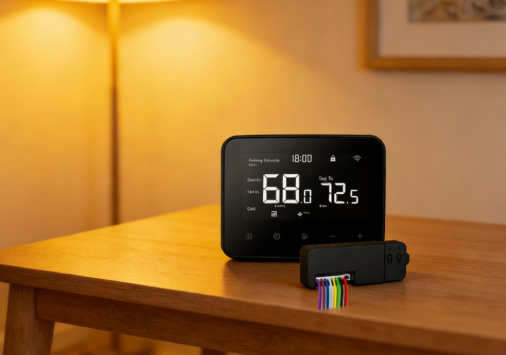
The manifestations of heat pump PTAC thermostat malfunctions are varied, such as inability to start, inaccurate temperature, failure to start heating or cooling, and frequent start-stop cycles. These problems may seem complex, but most can be systematically checked to pinpoint the cause. A standardized troubleshooting process not only saves time and maintenance costs but also prevents new problems caused by misoperation.
Power Supply and Basic Condition Checks
When troubleshooting heat pump PTAC thermostat malfunctions, the first step should be to check the most basic power supply conditions. Adequate power supply to the thermostat is a prerequisite for all its functions. Check that the power is on and that the circuit breaker or fuse is functioning correctly. If the thermostat screen displays nothing or fails to start, it is likely related to the power supply. For thermostats requiring C-line power, focus on checking that the C-line is securely connected and free from looseness, disconnection, or poor contact. Aging wiring or improper installation can lead to unstable power supply, causing malfunctions. Confirming the power supply and wiring are normal before proceeding to the next step of troubleshooting can avoid unnecessary repetitive checks.
Thermostat Settings and Mode Confirmation
After confirming a normal power supply, check that the thermostat’s basic settings are correct. Many malfunctions are not due to equipment failure but rather to improper mode selection or temperature setting. For example, setting the system to heating mode while expecting cooling, or setting the temperature too close to the actual indoor temperature, may prevent the system from starting. For heat pump PTAC thermostats that support multiple system types, it is also necessary to confirm that the system mode setting matches the actual device. If the thermostat is set to heat pump mode but is actually connected to a cooling-only or heating-only system, malfunctions may occur. Rechecking the system type settings is a crucial step in troubleshooting.
Troubleshooting Heating and Cooling Function Malfunctions
When the thermostat displays normally, but the heating or cooling function fails to start, the relevant control logic should be further checked. Adjusting the set temperature can help observe if the device responds. If the temperature changes significantly but the device still doesn’t respond, the control signal may not be transmitted correctly. For heat pump systems, it’s also necessary to confirm that the auxiliary heating function is set correctly. In low-temperature environments, if auxiliary heating fails to start properly, it may manifest as poor heating or no heating at all. In this case, check the auxiliary device settings in the thermostat to ensure they match the actual device configuration.
Sensor and Environmental Factor Checks
The thermostat’s temperature judgment relies on a built-in or external temperature sensor. If the sensor is obstructed, improperly installed, or directly affected by heat or cold sources, it may cause inaccurate temperature display, leading to control malfunctions. For example, installing a thermostat in direct sunlight or near an air vent can affect its readings. During troubleshooting, confirm that the surrounding environment meets the usage requirements and adjust the installation location if necessary. Also, if the displayed temperature significantly differs from the actual temperature, consider the possibility of a faulty sensor.
Troubleshooting Wiring and Communication Issues
In multi-module or intelligent control systems, wiring and communication problems are also common causes. Check that the control lines are connected correctly and that there are no broken or reversed connections. For thermostats with wireless or network capabilities, confirm that the communication status is normal. If the thermostat supports remote control but cannot be operated via mobile phone or system, check the network connection for stability and whether related functions have been mistakenly disabled. Communication abnormalities often do not affect the local display but can lead to control failure and require close attention.
Most malfunctions of heat pump PTAC thermostats can be resolved through a step-by-step, focused troubleshooting approach. Starting with basic conditions such as power supply and wiring, and then checking settings, modes, sensors, and communication one by one, can effectively narrow down the problem area. Instead of blindly replacing equipment, it’s better to conduct a systematic check first. This not only saves costs but also helps in better understanding the equipment’s operating logic. Through a standardized troubleshooting process, users and maintenance personnel can more quickly pinpoint the cause of the problem and restore the heat pump PTAC system to normal operation.