
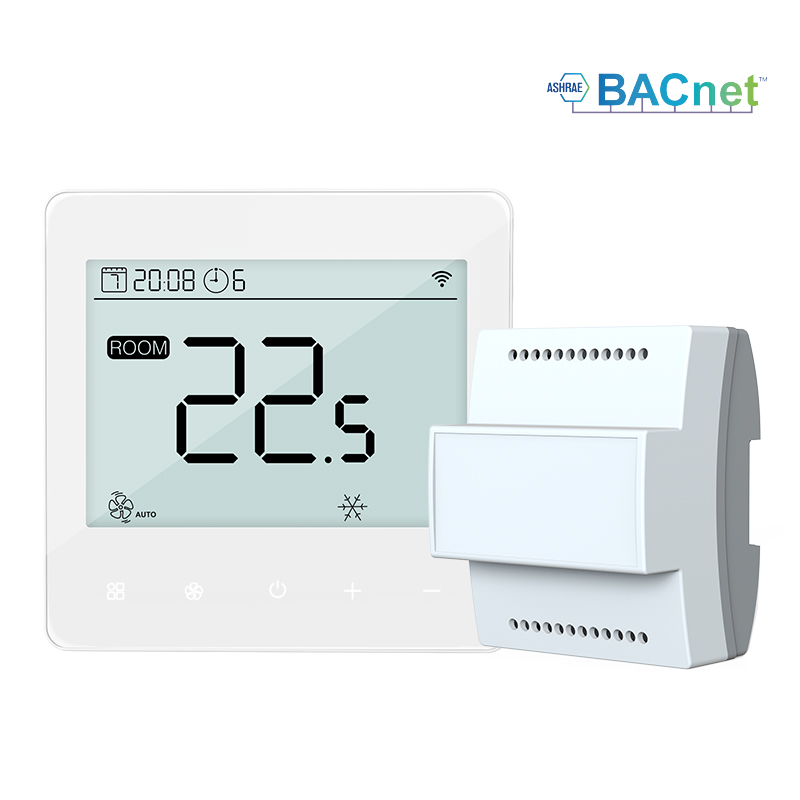
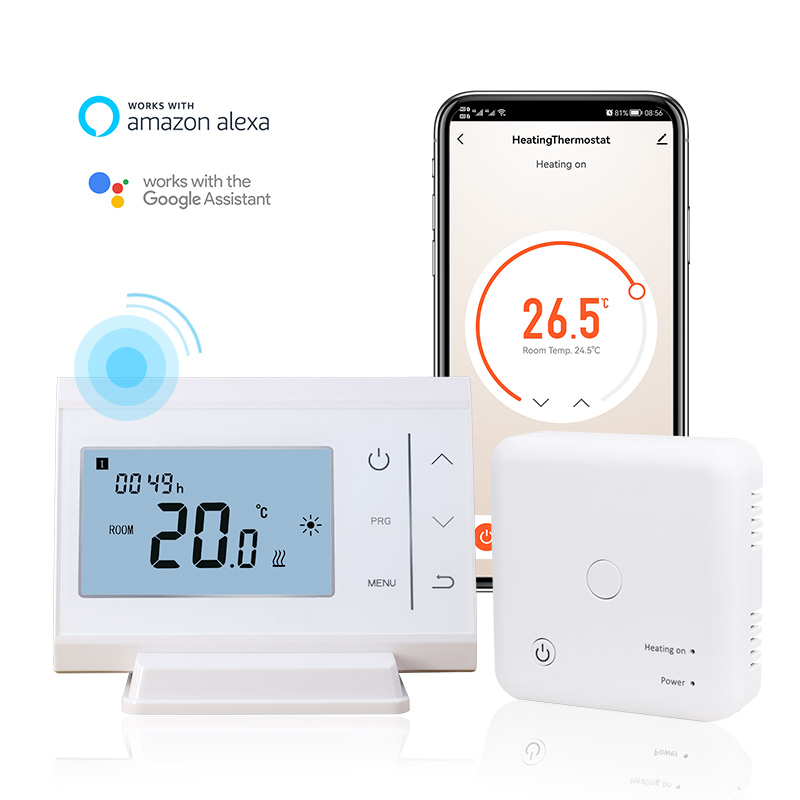
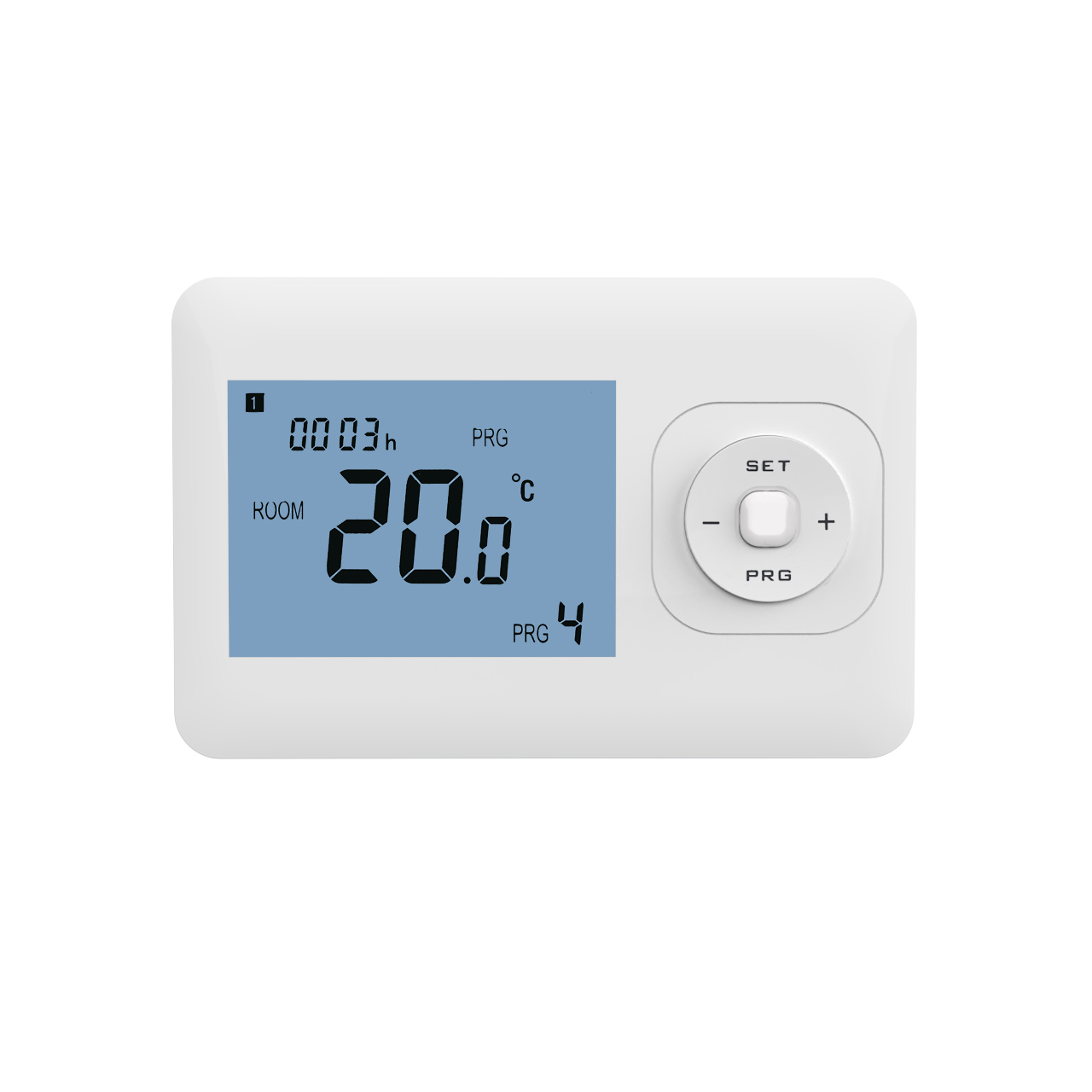
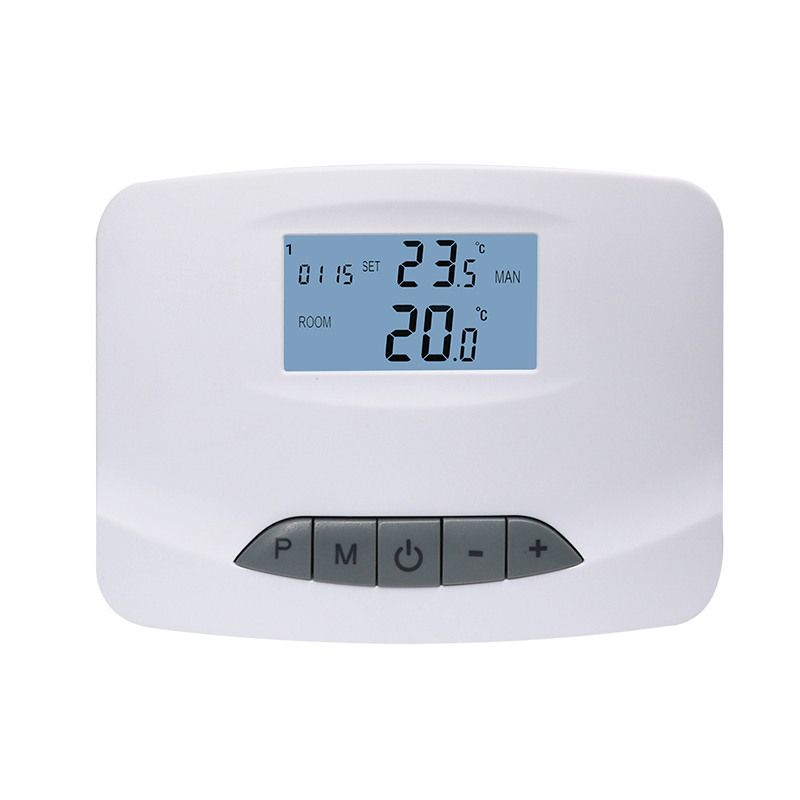
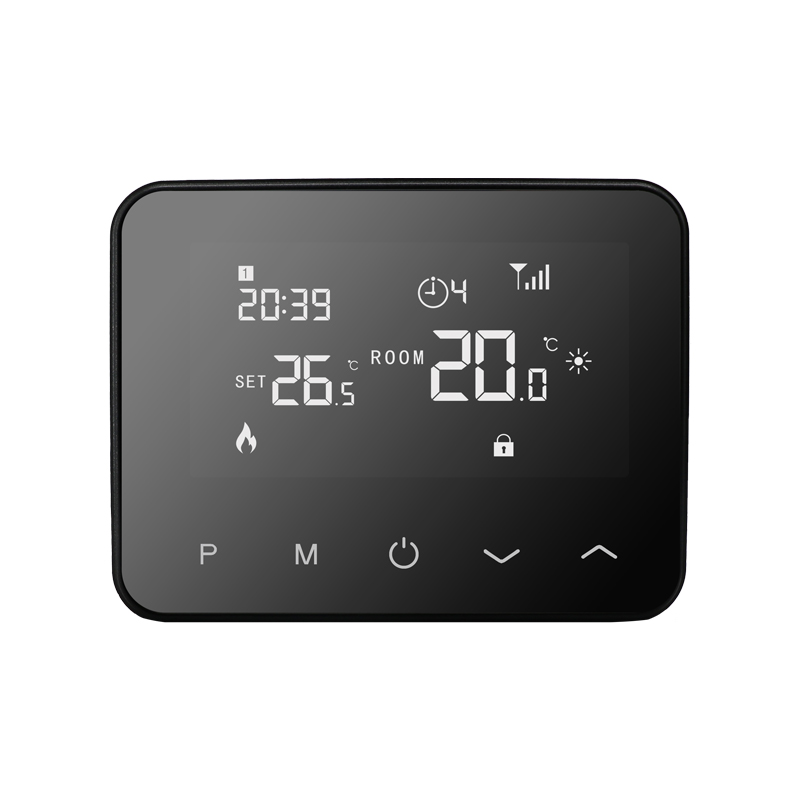
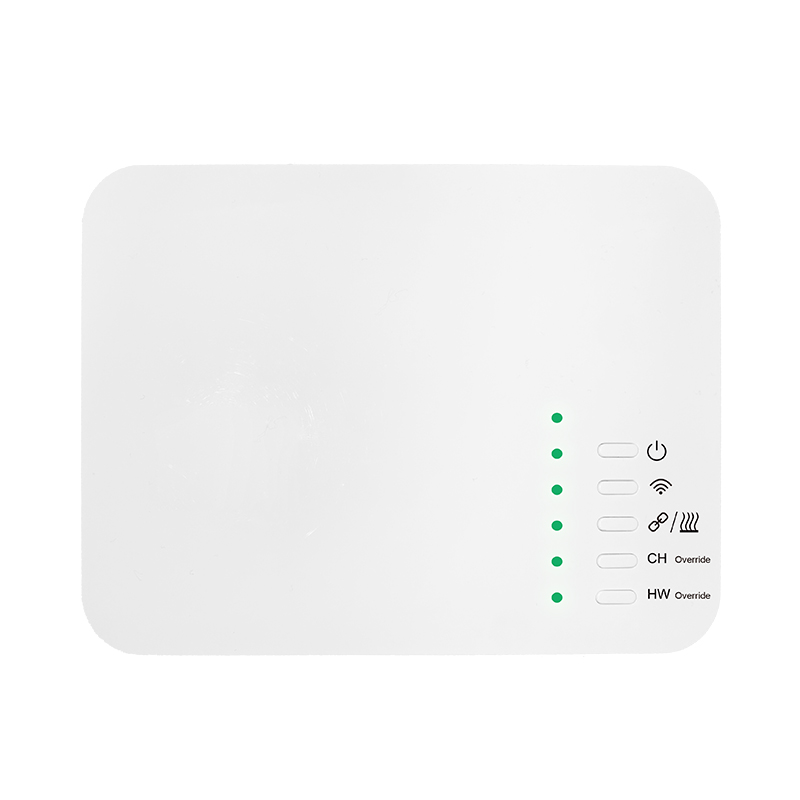
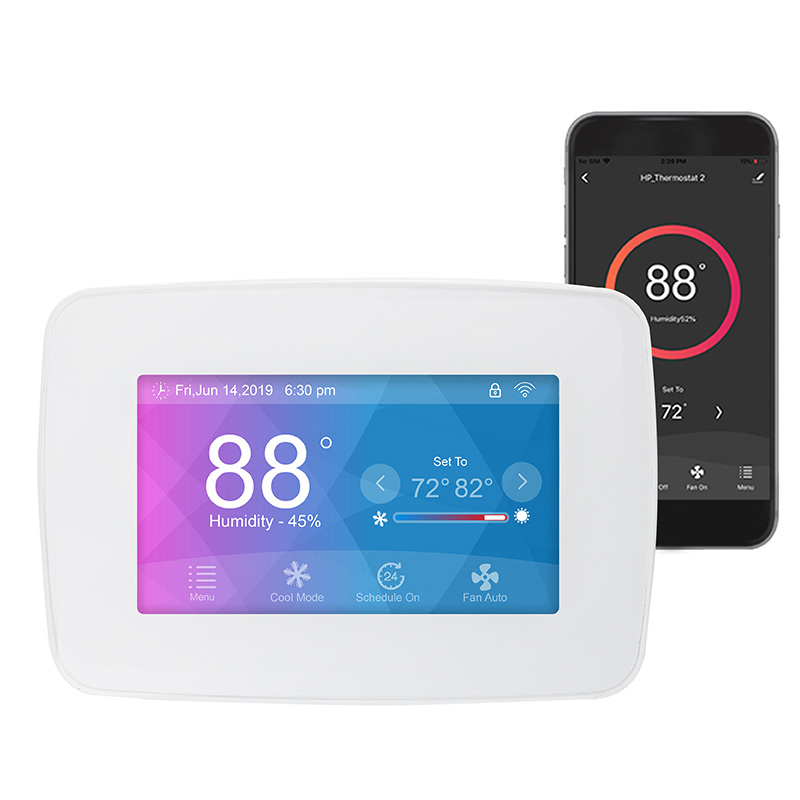
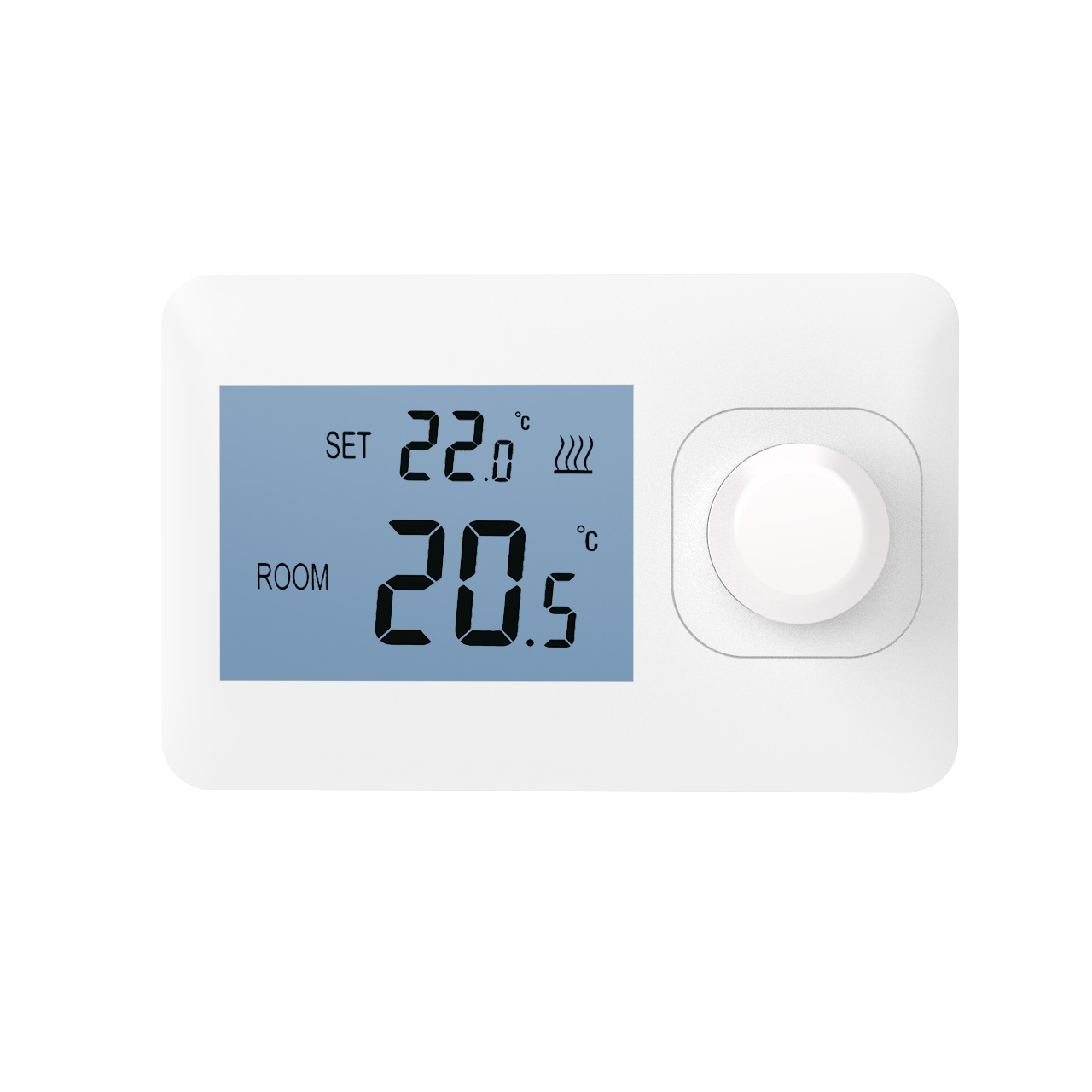
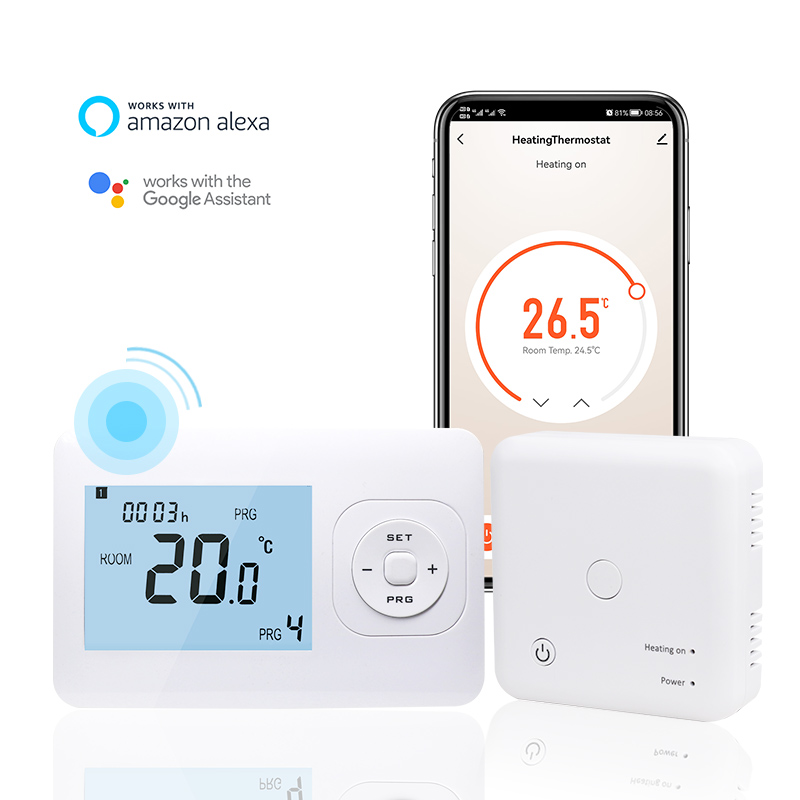
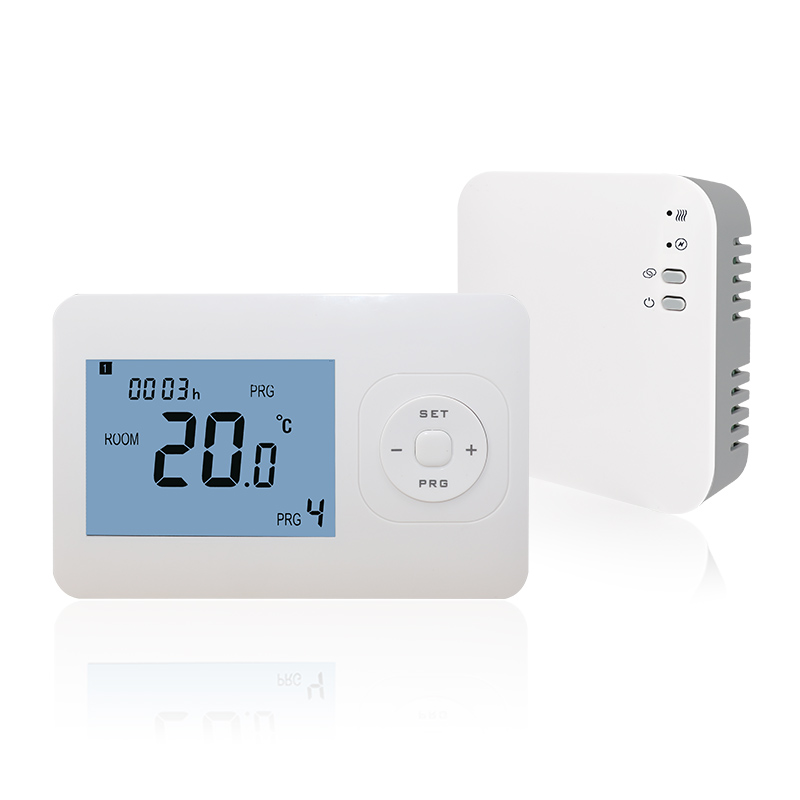
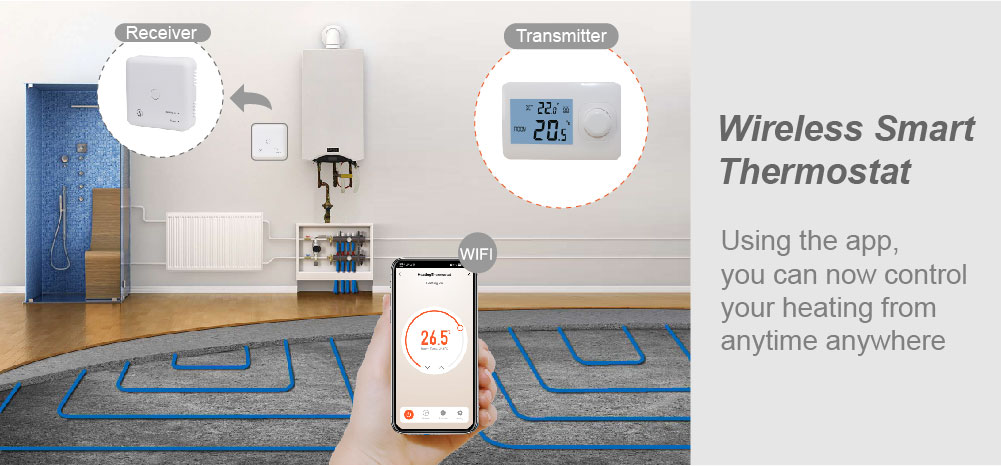
Fan coil heat pump systems are widely applied in residential buildings, offices, and commercial spaces. These systems use a heat pump as the primary source of heating and cooling, with fan coil terminals regulating indoor temperature. Compared to traditional air conditioning systems, this solution offers clear advantages in energy efficiency and indoor comfort. Proper usage techniques can enhance the user experience, reduce energy consumption, and minimize equipment wear. Mastering practical usage tips helps maintain system stability over time.
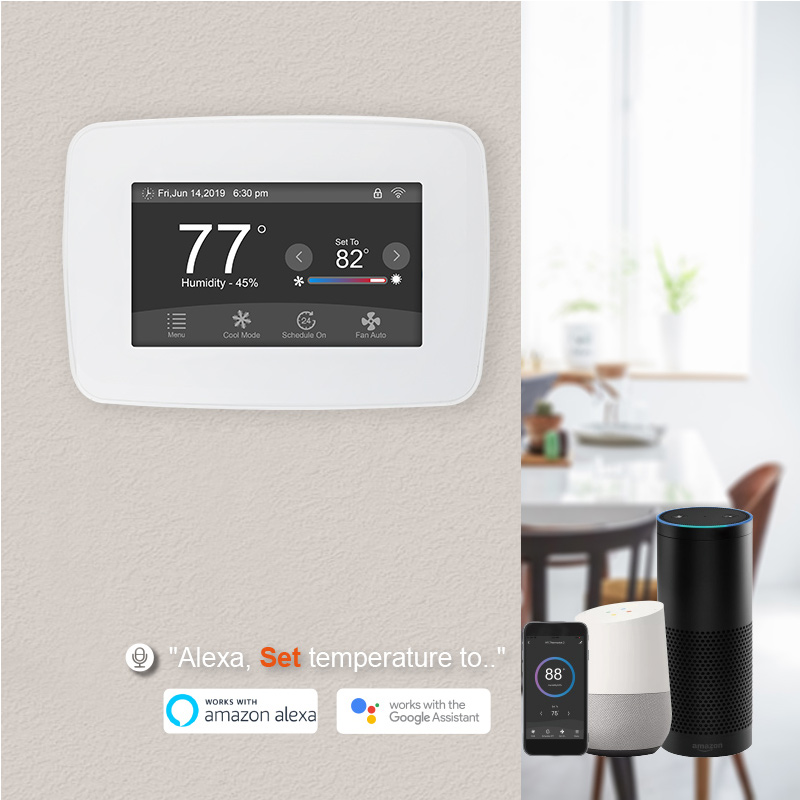
设置合适的运行模式和温度
Temperature settings significantly affect system performance. It is recommended to adjust settings based on actual usage needs rather than frequently changing setpoints. Extremely high or low temperature settings increase system load and reduce efficiency. Maintaining a stable temperature range in regularly used areas allows the system to run smoothly. During nighttime or periods when rooms are unoccupied, setpoints can be moderately adjusted to save energy without compromising comfort.
Optimizing Fan Coil Operation
The operation mode of fan coil units directly impacts comfort and energy consumption. Fan speed should be selected according to room size and occupancy levels. During periods of low load, using medium or low fan speed can reduce noise and improve comfort. Scheduling fan operation to avoid continuous high-load running helps extend equipment life. Correct operation practices enhance overall system performance and user satisfaction.
Key Actions to Improve System Performance
The following actions can help optimize fan coil heat pump system performance in daily use:
Keep air outlets unobstructed to prevent airflow blockage from furniture or decorations
Regularly clean fan coil filters to maintain smooth air circulation
Adjust running schedules according to seasonal demands to avoid unnecessary long operation periods
Monitor operational noise to detect abnormal conditions early
Although simple, these practices significantly enhance system stability and comfort.
Proper Use of Zoning Control
Many fan coil heat pump systems include zoning capabilities, allowing independent adjustment for different rooms based on usage frequency and function. Low-use areas can operate at reduced intensity, while primary living or working zones maintain comfortable temperatures. Zoning control reduces energy waste and increases operational flexibility. It also minimizes frequent system cycling, protecting equipment from unnecessary wear.
Usage Considerations During Seasonal Transitions
During transitions between heating and cooling modes, the system requires time to adjust. Before operation, verify that the correct mode is set to prevent reduced performance. At the beginning of a new season, gradually adjust temperature settings to allow the system to stabilize in the new operating condition. A proper transition method helps reduce equipment load and ensures stable operation.
Monitoring Operation and Daily Adjustments
Users should regularly observe system performance. Indoor temperature response, fan operation noise, and energy consumption provide useful indicators of system status. If temperature adjustment becomes slower or unusual operational signs appear, settings should be checked or maintenance personnel consulted. Daily monitoring and minor adjustments prevent small issues from developing into larger problems, ensuring long-term reliable operation.
Impact of Usage Habits on System Longevity
Good usage habits positively affect the lifespan of fan coil heat pump systems. Avoid frequent on/off cycling to reduce stress on compressors and fans. Schedule operation so that the system works under optimal conditions, lowering component wear. Consistently following proper usage practices helps maintain stable system operation and supports continuous, reliable performance.