
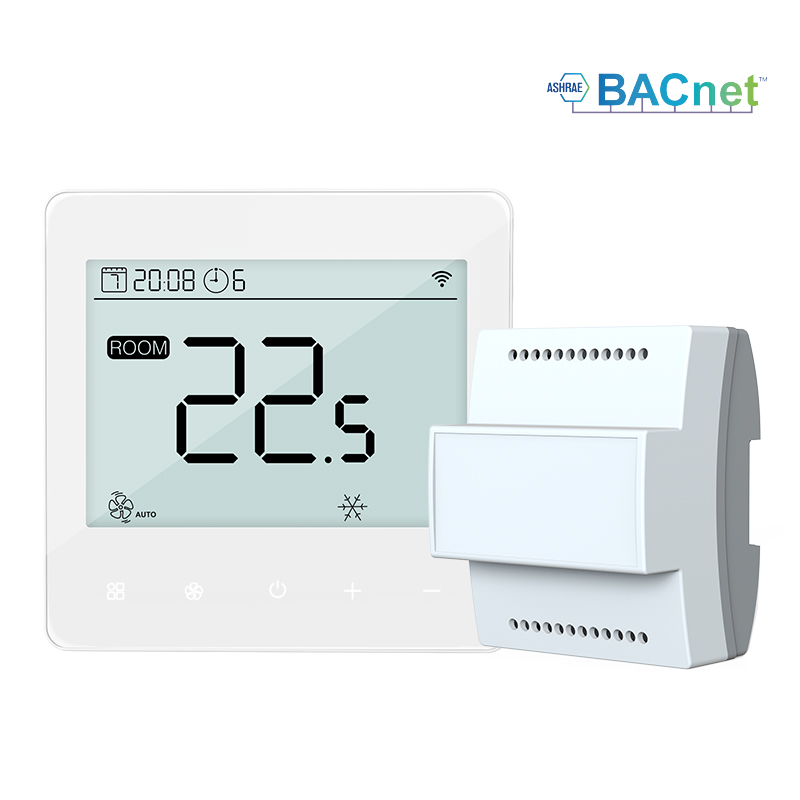
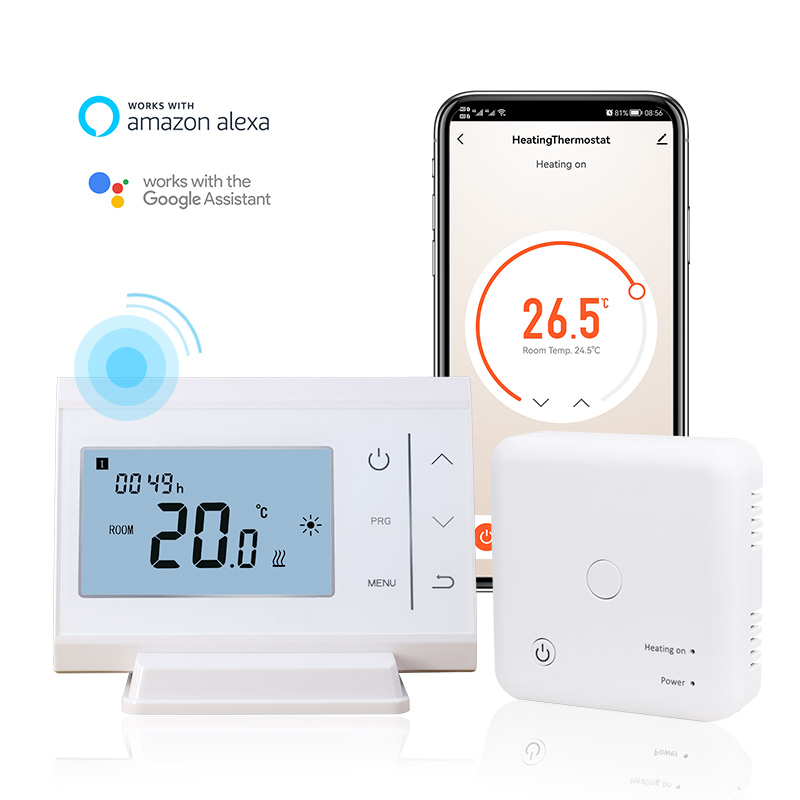
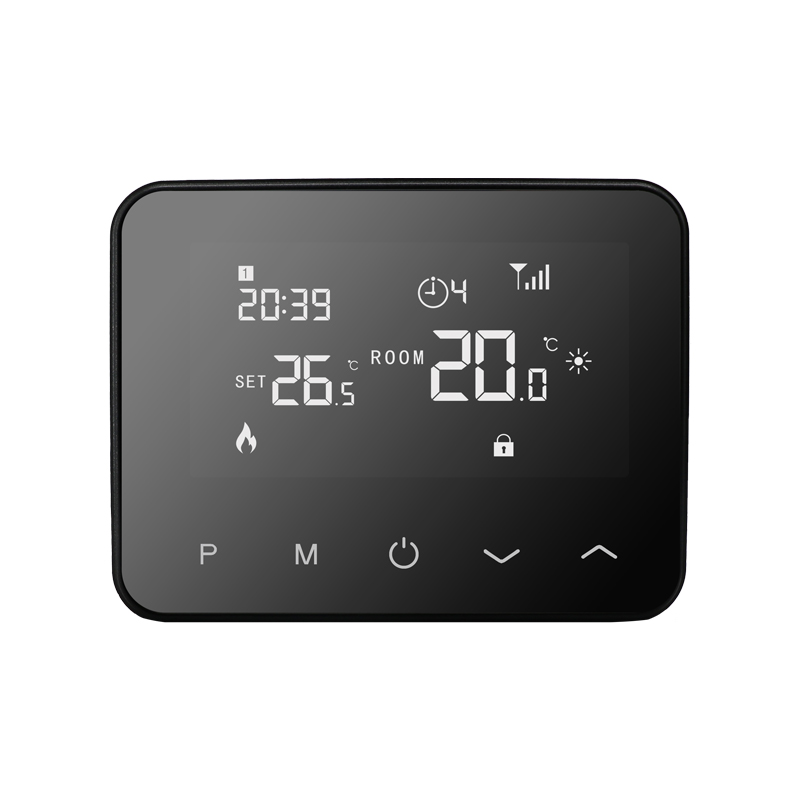
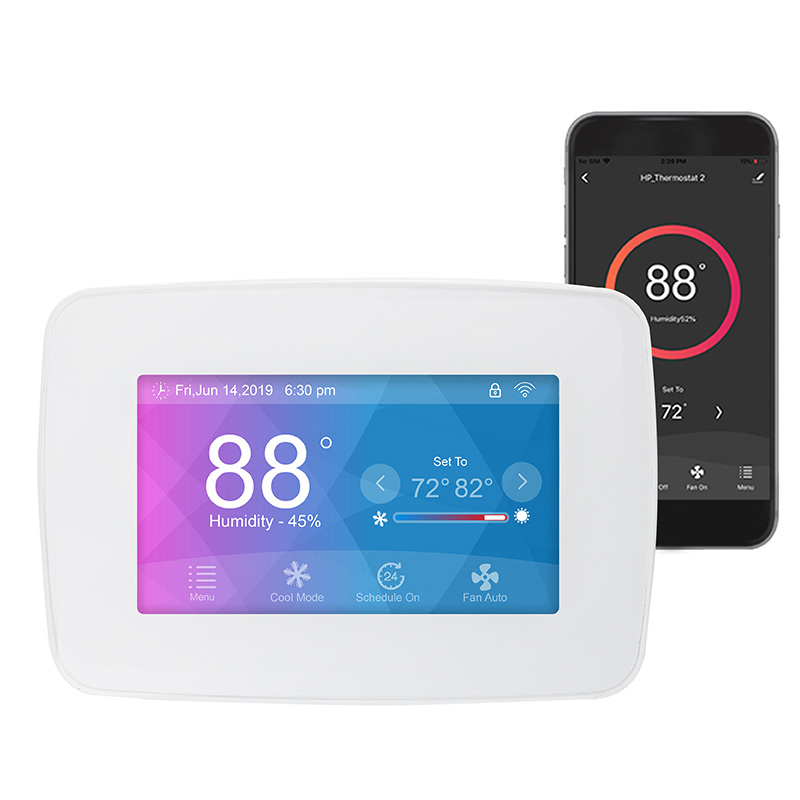
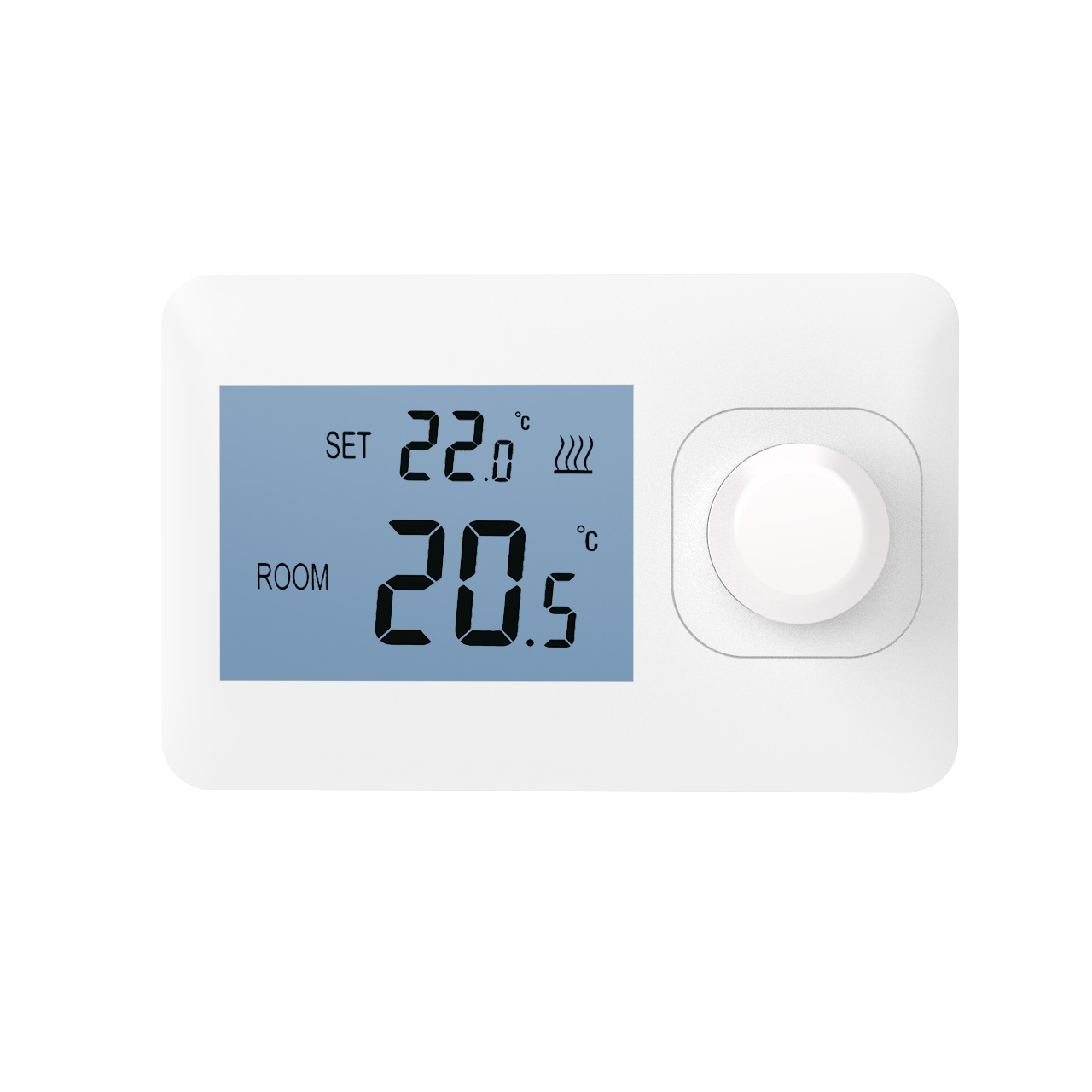
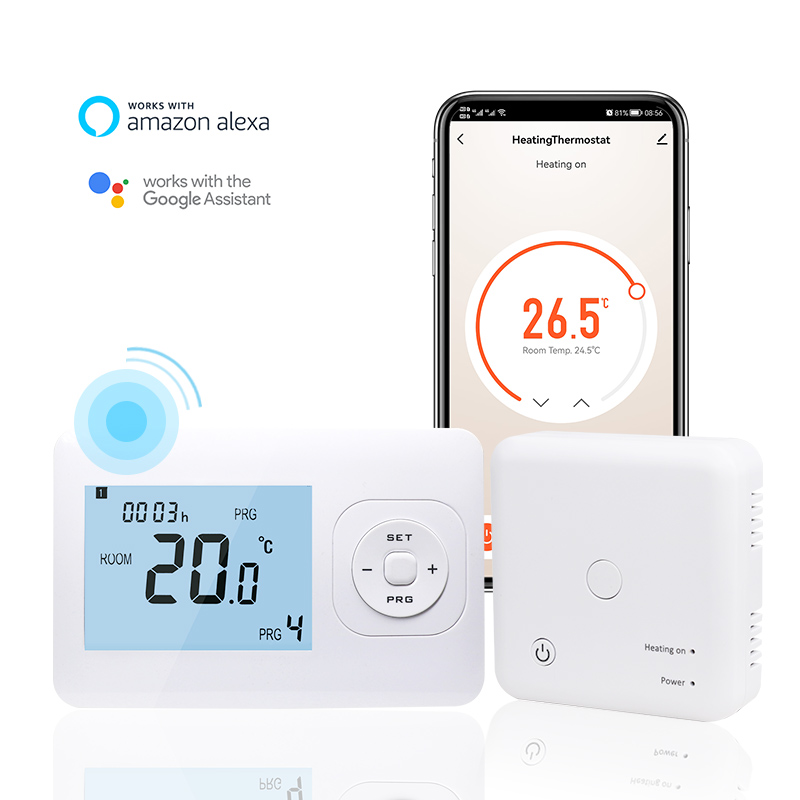
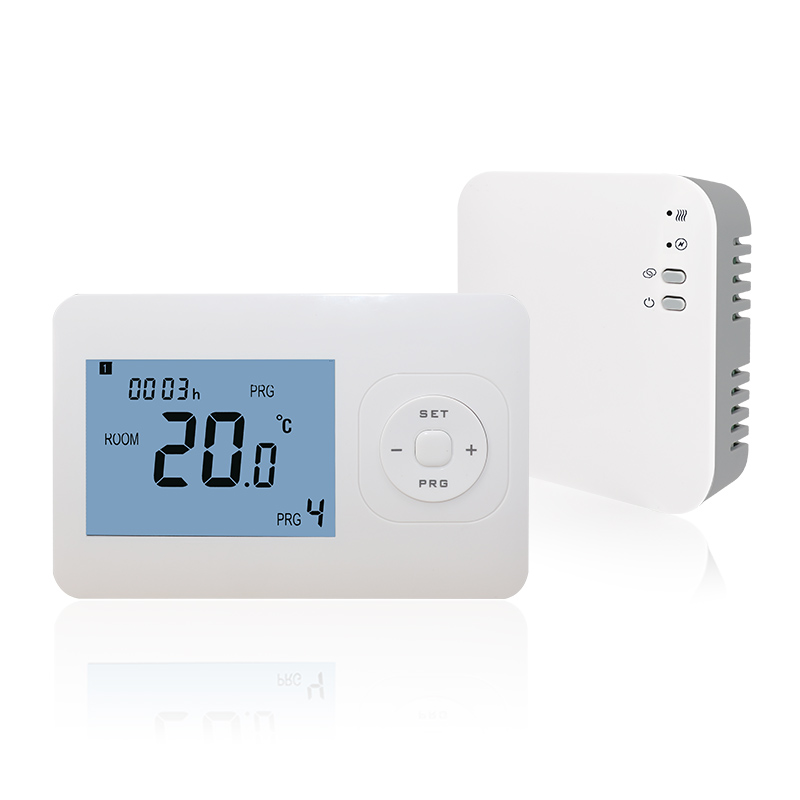
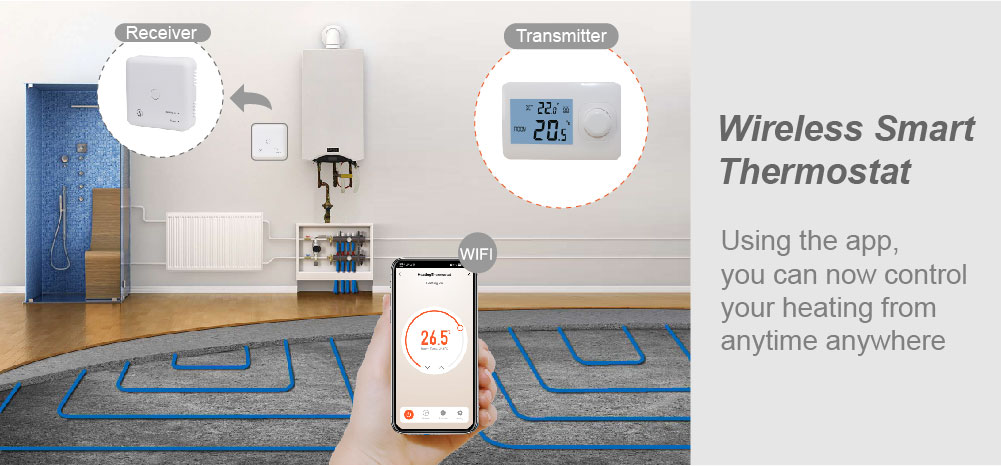
The Fan Coil Unit (FCU) Thermostat is a key component in HVAC systems, responsible for controlling indoor temperature. Its installation location directly affects temperature control, energy efficiency, and system stability. Installing a thermostat in an improper location can lead to inaccurate temperature readings, increased energy consumption, unstable system operation, and decreased indoor comfort. This article explores the potential impacts of incorrect FCU thermostat placement and provides guidance on proper installation.
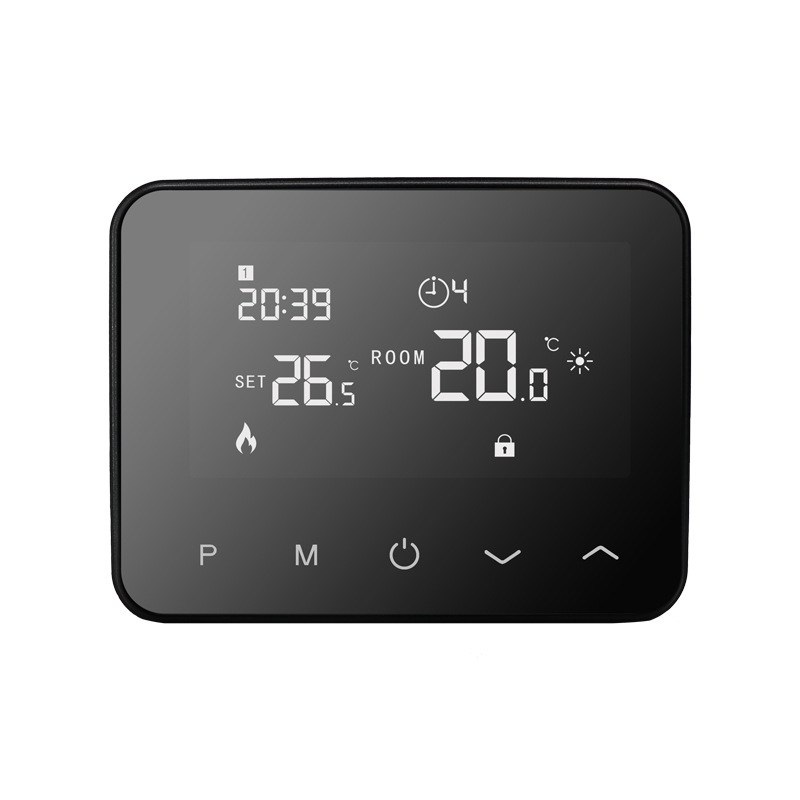
Inaccurate Temperature Sensing
FCU thermostats regulate fan and valve operation by sensing room temperature. If the thermostat is installed near heat sources (e.g., windows with direct sunlight, lighting, or electronic equipment) or cold sources (e.g., air supply vents or return air outlets), the sensed temperature may not reflect the actual room temperature.
Near heat sources: The thermostat may falsely detect a high temperature, causing early or excessive cooling.
Near cold sources: The thermostat may falsely detect a low temperature, causing early or excessive heating.
Inaccurate temperature sensing directly affects indoor comfort, leading to uneven heating or cooling and potentially impacting productivity or learning.
Increased Energy Consumption
Temperature deviations due to improper placement can cause frequent cycling or overoperation of the HVAC system, resulting in significant energy waste:
Frequent start-stop cycles: Fans and valves operate repeatedly, consuming more electricity and increasing mechanical wear.
Excessive heating or cooling: The system runs at high load to reach the setpoint, further increasing energy consumption.
Correct placement ensures accurate temperature readings, optimizing HVAC load management and energy efficiency.
Unstable System Operation
Improper thermostat placement can also compromise overall system stability:
FCUs may frequently change fan speed or valve opening, accelerating equipment wear.
Temperature control across different zones may become inconsistent, reducing comfort levels.
Networked or smart thermostats may lose accuracy in remote monitoring and automated scheduling.
Long-term, these issues can reduce system reliability and shorten equipment lifespan.
Guidelines for Proper Thermostat Placement
To ensure optimal FCU thermostat performance, follow these guidelines:
Avoid direct sunlight and heat sources: Do not place near windows, lighting fixtures, or electronic devices.
Keep away from air supply and return vents: Prevent direct airflow from affecting temperature readings.
Mount at an appropriate height: Typically 1.2–1.5 meters (4–5 feet) above the floor, near the occupant zone for accurate sensing.
Avoid airflow interference: Keep away from doors, corridors, or drafty areas to ensure stable readings.
Ensure accessibility: The thermostat should be easy to operate and maintain.
Following these guidelines ensures accurate temperature sensing and enables comfortable, energy-efficient, and stable system operation.
Conclusion
The installation location of an FCU thermostat directly affects temperature control, energy consumption, and equipment longevity. Improper placement can lead to inaccurate temperature readings, higher energy use, and unstable HVAC performance, reducing indoor comfort and system efficiency. Engineers and installers must carefully follow standards and guidelines when selecting thermostat locations to achieve optimal performance, energy savings, and reliable operation.