
In home heating systems, thermostatic radiator valves are a core component for improving comfort and energy efficiency. By sensing changes in ambient temperature, they automatically adjust the flow of hot water through the radiator, maintaining the indoor temperature within the user-set range. This innovative design not only solves the problem of uneven heating in traditional heating systems but also improves energy efficiency by 10%-20% through intelligent temperature control technology, making it a standard feature in modern building energy-saving renovations.

The core principle of a thermostatic radiator valve is based on the physical property of thermal expansion and contraction. It integrates a temperature sensor. When the room temperature rises, the liquid or solid medium inside the sensor expands, pushing the valve stem to compress the spring, reducing the valve opening and decreasing the flow of hot water into the radiator. When the room temperature drops, the medium contracts, the spring returns to its original position, pushing the valve stem, increasing the valve opening and increasing the hot water supply. This process requires no external power; it achieves flow rate regulation solely through temperature changes, ensuring room temperature fluctuations are controlled within ±0.5℃. For example, on sunny afternoons, the thermostatic valve automatically closes slightly to maintain room temperature using natural light; at night, when the temperature drops, the valve opens wider to supplement heat, avoiding frequent manual adjustments by the user.
Structurally, radiator thermostatic valves are mainly divided into two categories: self-regulating and electric. Self-regulating thermostatic valves rely on a temperature-sensing element to achieve autonomous temperature control, suitable for most home heating scenarios. Their advantages include easy installation, low cost, and no maintenance. Electric thermostatic valves, on the other hand, are driven by a motor to open and close the valve. They can be integrated with smart home systems, supporting remote control and timer programming, but are more expensive and are mostly used in high-end residential or commercial buildings. Regardless of the type, their core performance indicators must meet national standards, such as temperature deviation due to pressure fluctuations must be ≤0.5K, and the opening and closing cycle life must be ≥30,000 cycles to ensure long-term stable operation.
Installing radiator thermostatic valves has a significant energy-saving effect. Taking a 100㎡ apartment as an example, after installing a thermostatic valve, the system can automatically adjust the temperature according to the usage frequency of different rooms: bedrooms unoccupied during the day can be set to 16℃ to reduce energy consumption; at night, it can be adjusted to 20℃ to improve comfort. This “on-demand heating” mode can reduce gas consumption by 15%-20%. In addition, the thermostatic valve can also capture “free heat energy”—when sunlight shines through windows, electrical appliances dissipate heat, or human activity generates heat, the system will automatically reduce hot water supply, further reducing energy waste. According to research by the European Building Energy Efficiency Standard (EPBD), installing a thermostatic valve alone can improve the efficiency of radiator systems by 88%, and if combined with low-temperature heating and proper installation, the efficiency can reach 94%.
In practical applications, attention should be paid to details when installing radiator thermostatic valves. First, the valve should be installed horizontally at the radiator inlet to avoid tilting, which could cause temperature sensor inaccuracies. Second, a filter should be installed at the front end to prevent welding slag or impurities from clogging the valve body. Finally, the temperature control handle should be exposed to air circulation to avoid being obstructed by curtains or furniture, which could affect the accuracy of temperature sensing. For dual-pipe systems or single-pipe systems with bypass, a suitable valve model must be selected. For example, the H-type thermostatic valve can adjust the bypass flow, balance inlet and outlet water resistance, and solve the problem of horizontal imbalance.
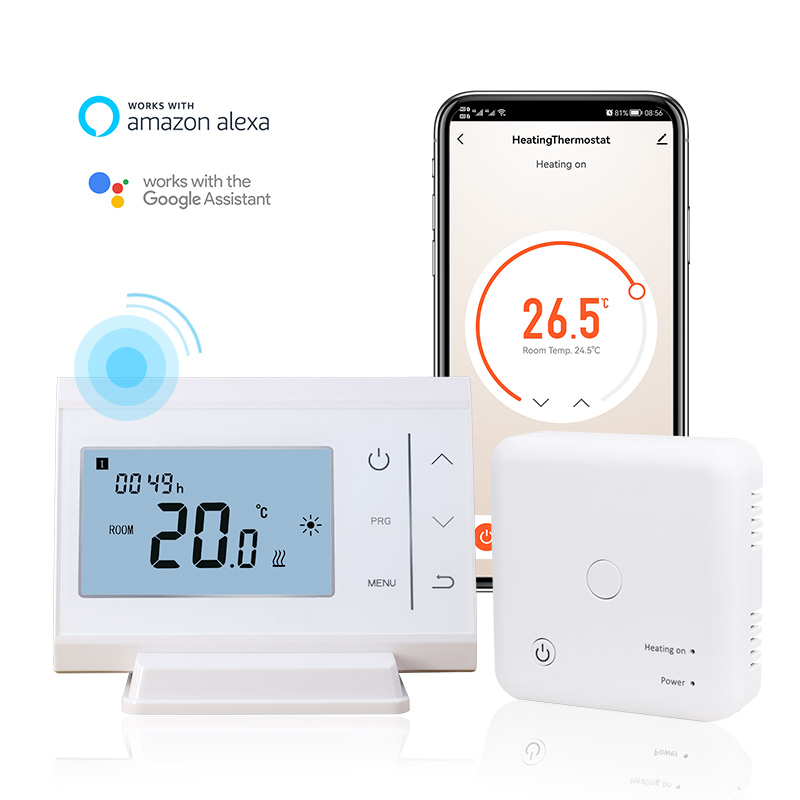
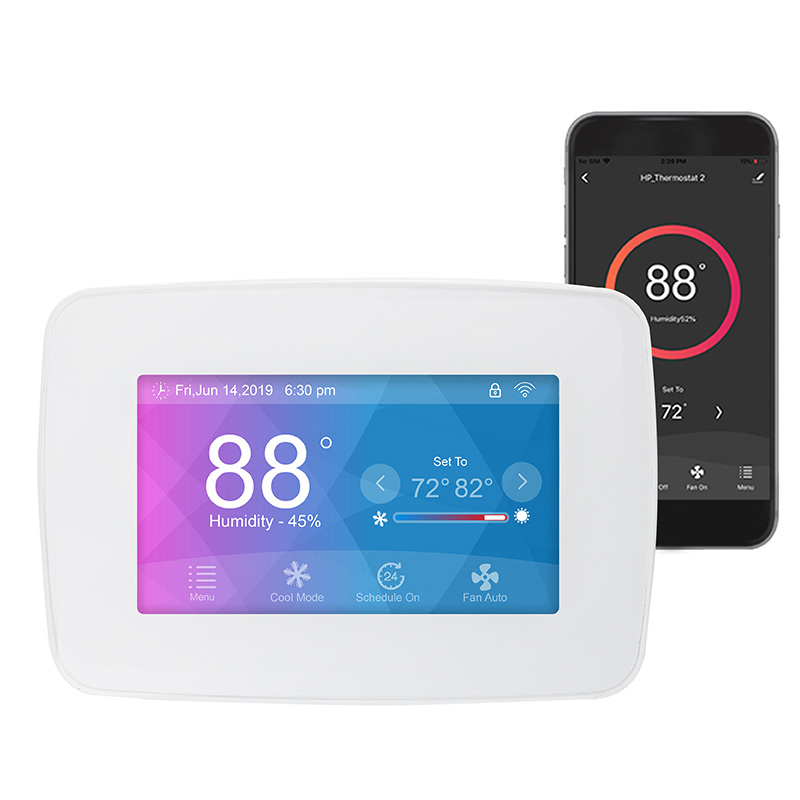
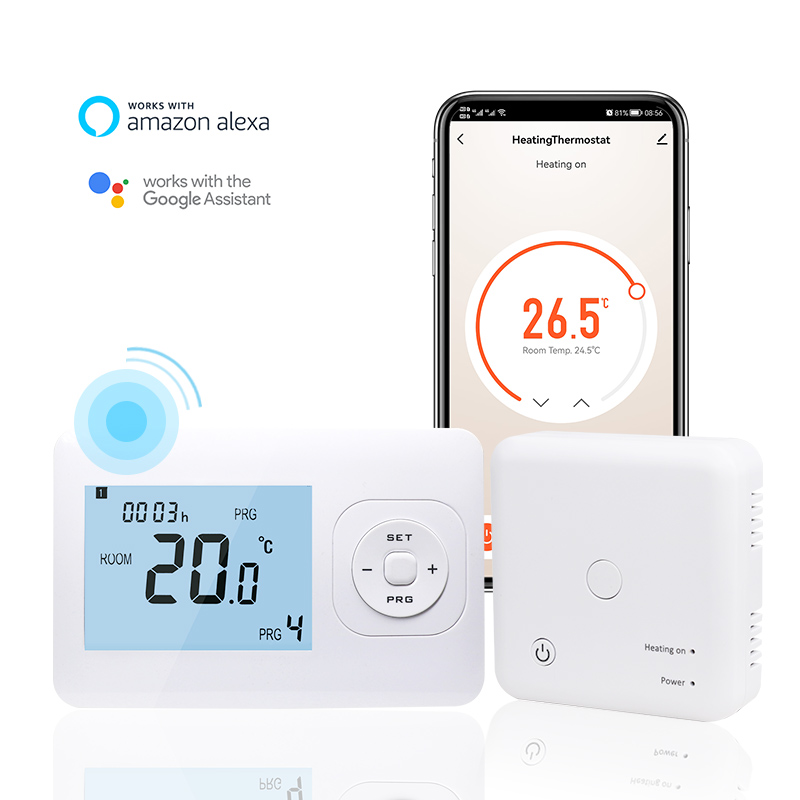
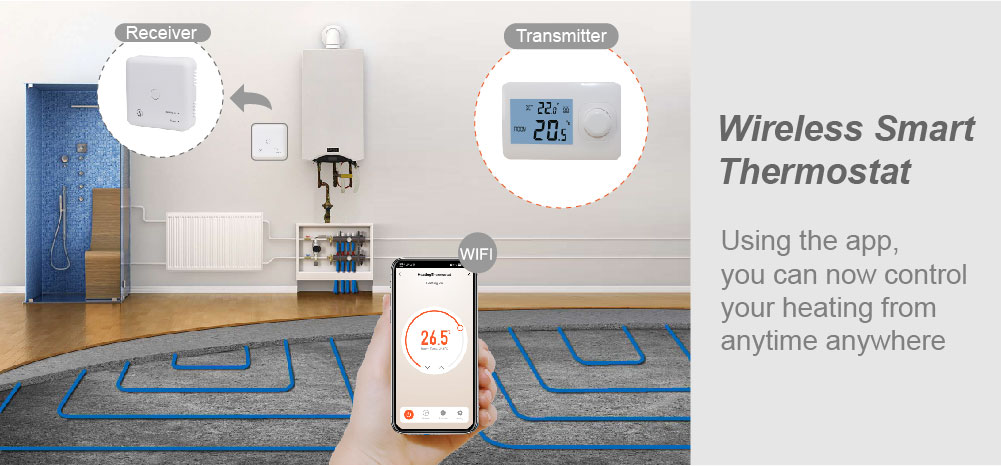
Radiator thermostatic valves are not only carriers of energy-saving technology but also the entry point for smart heating. With the development of IoT technology, the new generation of smart thermostatic valves supports remote control via mobile app, voice adjustment, and energy consumption data analysis. Users can view the real-time temperature of each room via their mobile phones, set temperature curves for different time periods, and even automatically adjust heating time according to electricity price fluctuations, achieving dual optimization of energy utilization and economic costs. This intelligent interaction between “people-room-environment” is redefining the comfort standards and energy-saving boundaries of home heating.
From physical principles to intelligent applications, radiator thermostatic valves use technology to solve the core contradiction of heating systems—how to achieve efficient energy utilization while ensuring comfort. It is not only an “invisible steward” for home energy conservation but also a key technology driving the building industry towards a low-carbon transformation. With the continuous advancement of materials science and control algorithms, future thermostatic valves will be more precise and intelligent, providing sustainable development for global energy.