
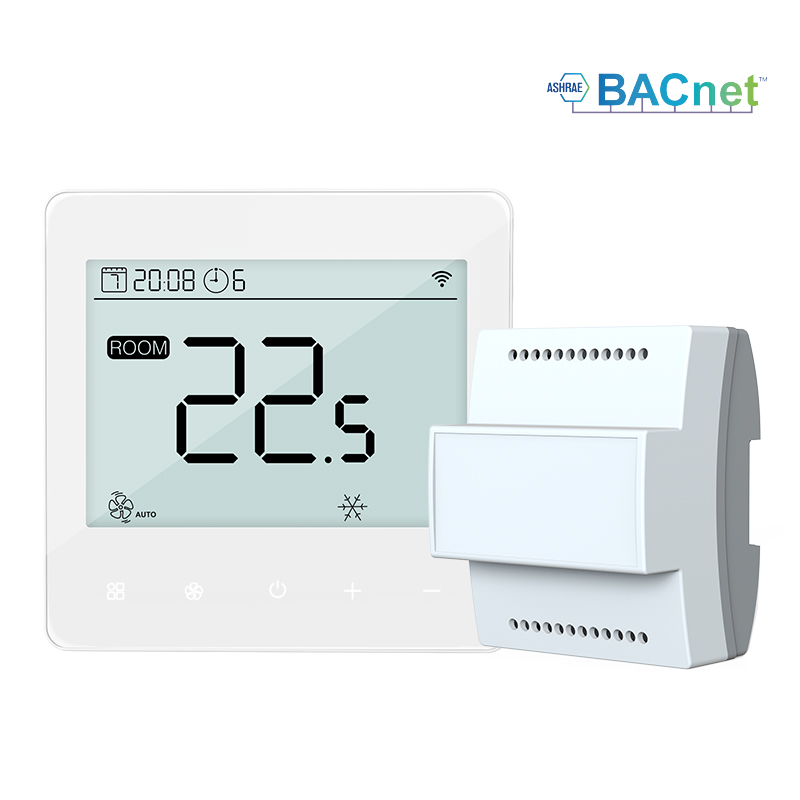
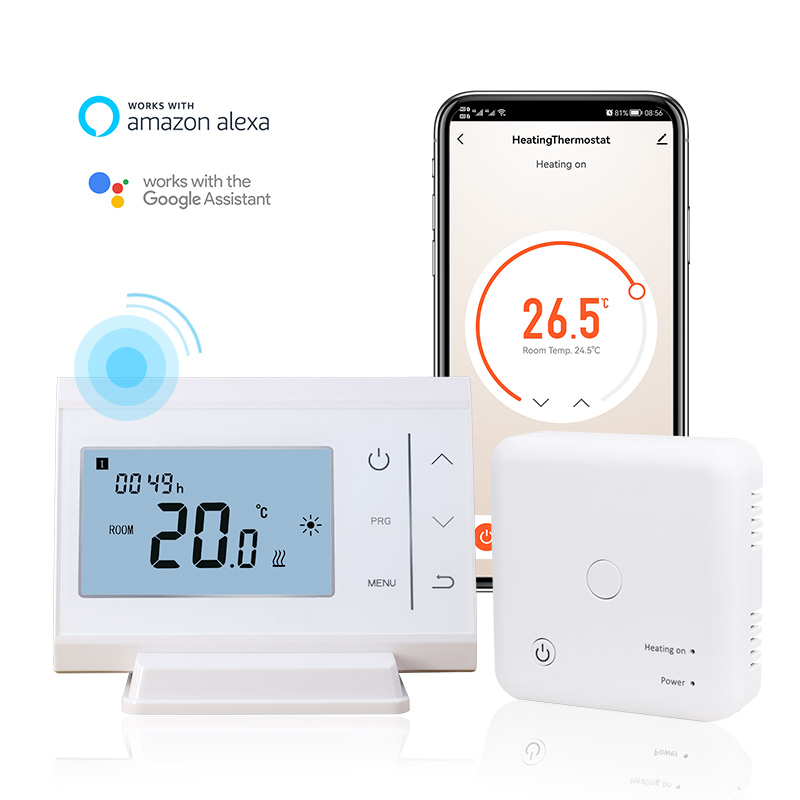
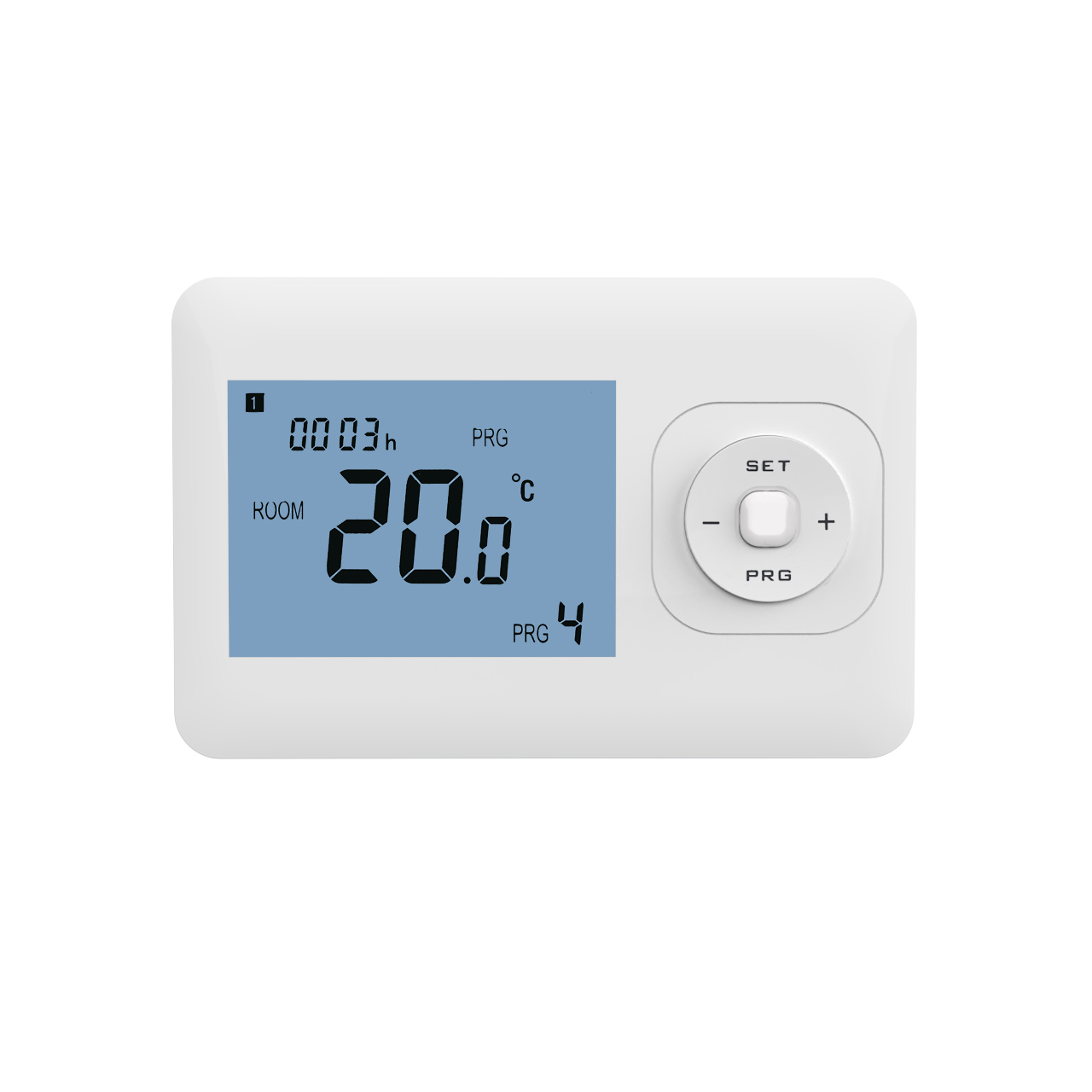
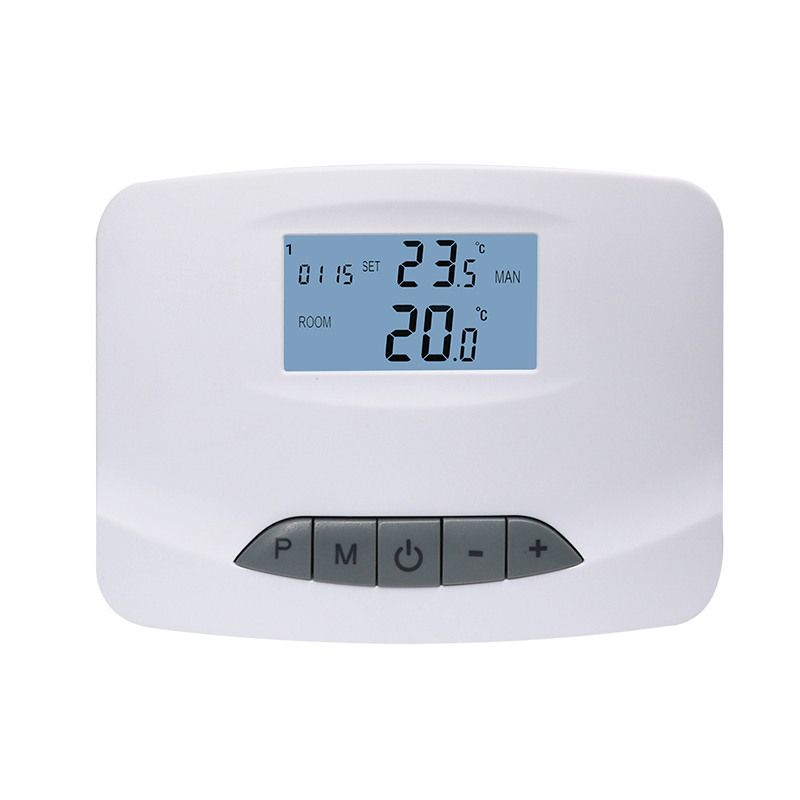
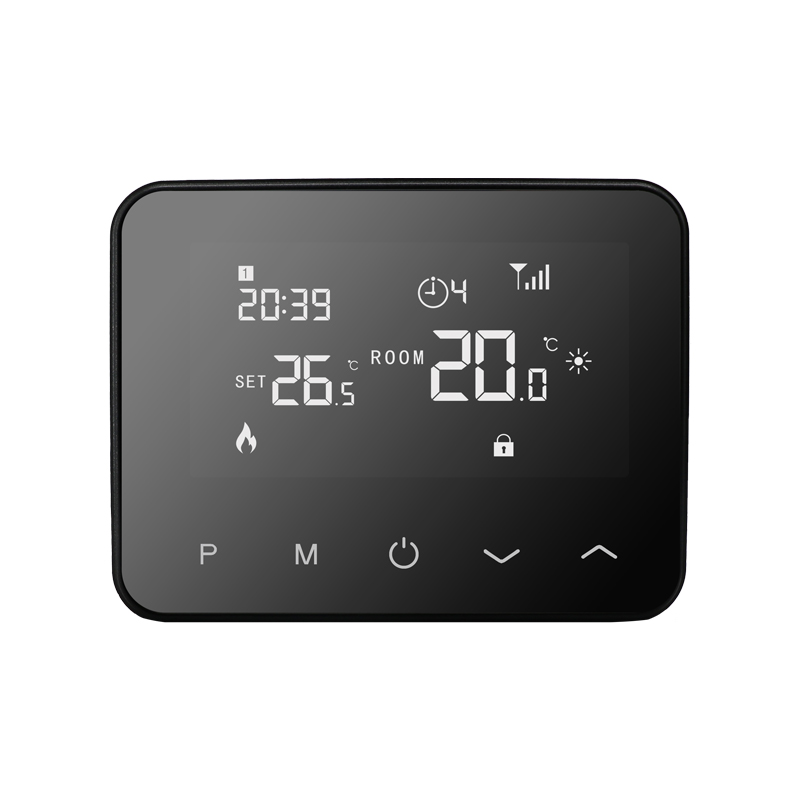
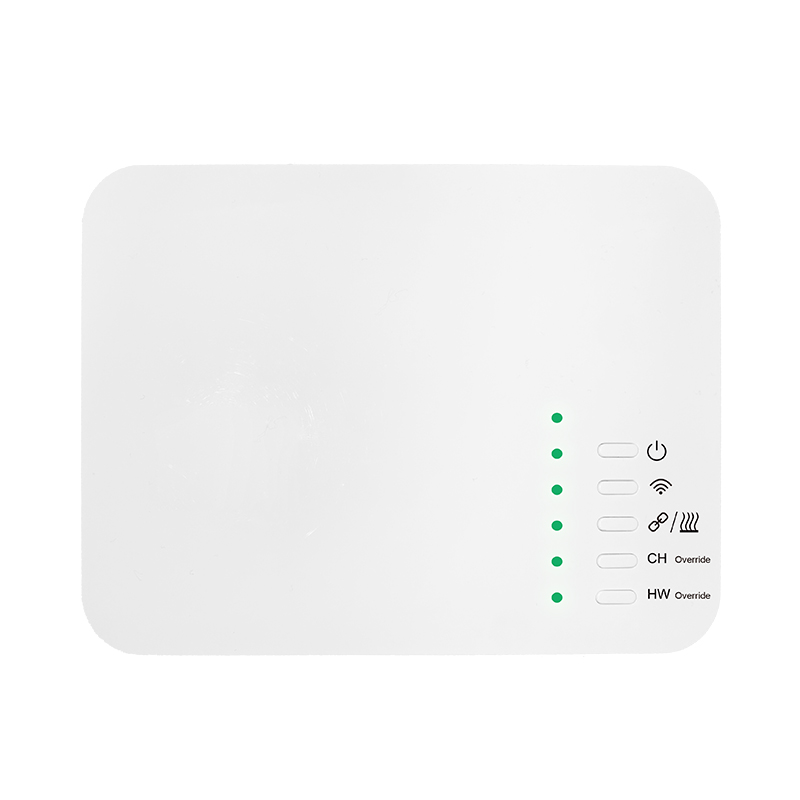
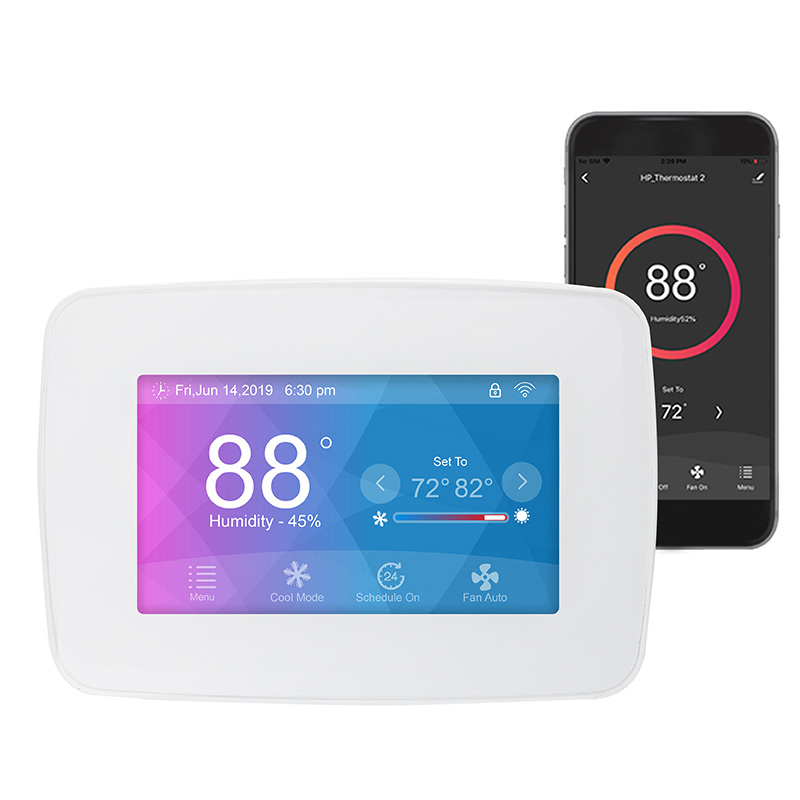
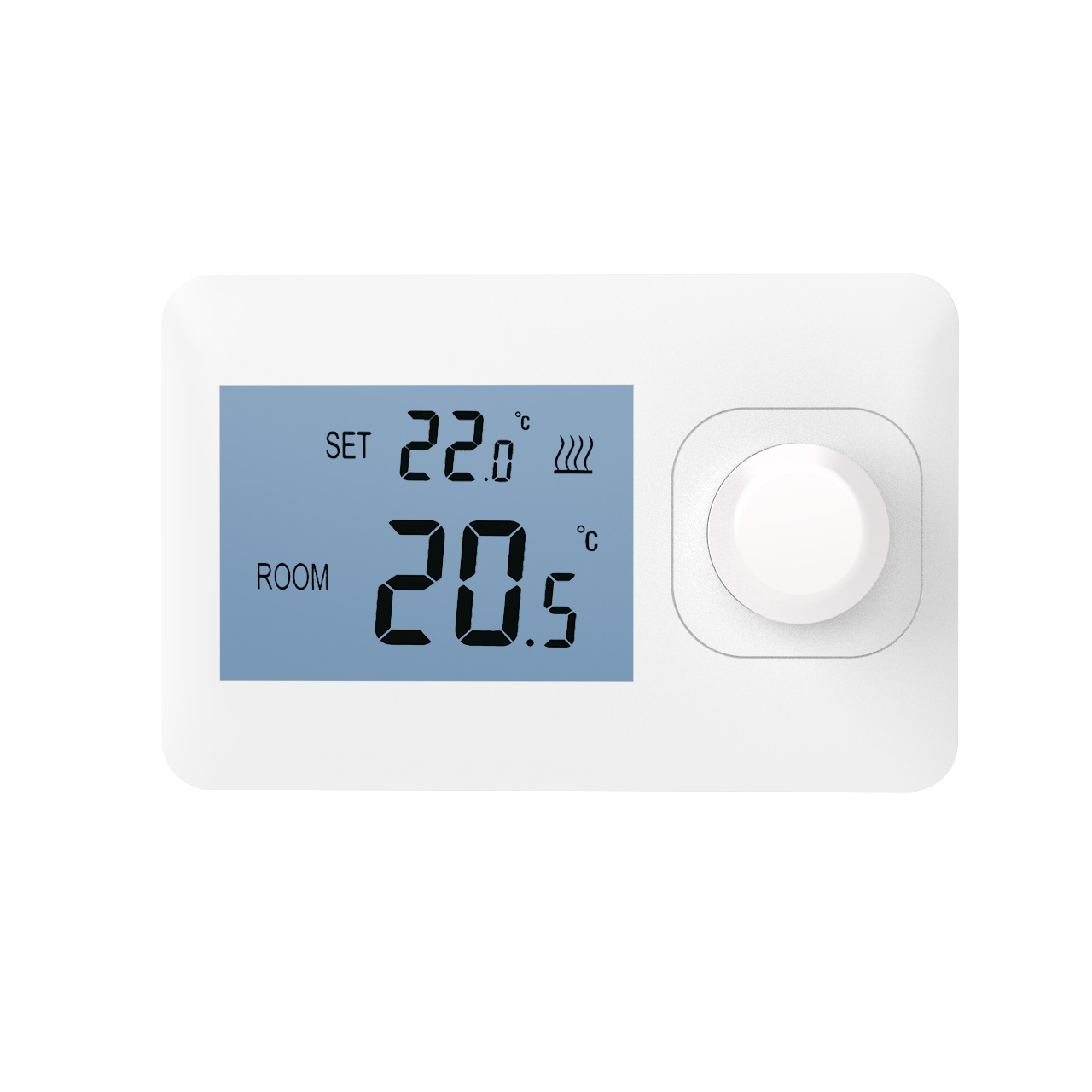
In daily life, many people encounter this problem: the thermostat is newly installed, but it doesn’t work, or the device stays on and can’t be turned off. Upon closer inspection, a worry arises – are the wires reversed? This situation is very common when replacing thermostats, doing simple renovations, or installing them yourself. Because there are only a few wires on the back of the thermostat, many people think, “It’ll be fine as long as it’s connected,” only to discover the problem after turning on the power. Hearing “reverse connection,” many people’s first reaction is panic, worrying that the device is burnt out or there might be a safety hazard. In fact, in most cases, reversed thermostat wires won’t immediately cause serious consequences. If discovered early and handled properly, the problem can be completely resolved. The real danger often lies in repeatedly turning on the power and testing after discovering the abnormality.
What signs might indicate reversed wires?
When the thermostat wires are reversed, there are usually some obvious signs. One of the most common situations is: the thermostat displays an indicator, but the device doesn’t work. The screen is on, the buttons are responsive, but it’s neither heating nor cooling, which often indicates a problem with the control circuitry. Another scenario is that the device keeps running regardless of thermostat adjustments. Even though the set temperature has been reached, the device continues to run, which is likely due to incorrect connection of the control and power lines, causing the device to bypass the thermostat. Additionally, if you experience abnormal display, frequent restarts, or sluggish response, be wary of reversed wiring or poor contact. While these symptoms aren’t always caused by reversed wiring, they all warrant stopping and checking the wiring.
The First Step After Discovering an Abnormality: Immediately Disconnect the Power
If you suspect reversed thermostat wiring, the first thing to do is disconnect the power. Don’t repeatedly turn the power on and off with the “let’s try again” mentality; this is the most common source of problems. Disconnecting the power not only protects the thermostat itself but also prevents damage to the controlled equipment. Many devices, when continuously powered on with incorrect wiring, will accelerate the aging of internal components and even create safety hazards. After disconnecting the power, calm yourself down and don’t rush to disconnect the wires. Give yourself a few minutes to sort out the situation; this will often prevent things from getting worse.
Understand the Function of Each Wire
Troubleshooting reversed wiring isn’t about speed, but accuracy. The terminal markings on the back of the thermostat are crucial. Don’t just look at the wire colors; identify which wire powers the thermostat, which controls the device, and which is the common or return line. Compare your current wiring with the wiring diagram in the manual; even a rough understanding will reveal obvious discrepancies. If you don’t have the manual, you can determine the function based on the markings next to the terminals.
Follow a Clear Order When Disconnecting and Reconnecting Wires
After confirming a reversed connection, it’s recommended to disconnect and reconnect all wires, not just one. This avoids overlooking errors.
A safer order is:
First, connect the common or return line;
Then connect the power input wire;
Finally, connect the control output wire.
After connecting each wire, check that it’s tightened and the end is secure. Don’t just tuck the wire in; poor contact will cause problems.
Perform a Static Check Before Reconnecting Power
Before powering on, it’s best to perform a simple check:
Are the wires loose?
Are any wire ends exposed?
Are any other metal parts being pressed?
After confirming that everything is in order, then restore power. After powering on, do not rush to increase or decrease the temperature; first observe whether the display is normal and whether the device responds according to the settings.
When Should You Immediately Call a Professional?
If you have already rewired, but the problem persists, or if there is an unusual odor, abnormal heating, or obvious abnormal noise, do not attempt to fix it yourself. This indicates that the problem may be more complex than just reversed wiring, and continuing to operate may be risky. Additionally, if the wiring itself is messy, the markings are unclear, or high-power equipment is involved, it is recommended to directly call a professional. This is not shameful; on the contrary, it is for safety.
Reversed thermostat wiring is not a rare problem and does not necessarily mean that the device is damaged. As long as it is discovered in time and handled according to the correct procedures, most cases can be resolved smoothly. What truly needs to be avoided is repeatedly powering on and trying different circuits under uncertain circumstances; this is the source of risk. When encountering problems, remember a few key points: disconnect the power first, then diagnose the issue, check the labels, reconnect in sequence, and check before powering on. These seemingly simple steps are actually crucial for ensuring safety and success. For ordinary users, basic safety awareness and a clear thought process are sufficient to handle most thermostat wiring problems. If you encounter a situation you are truly unsure about, seeking help from a professional is a mature and rational choice.