
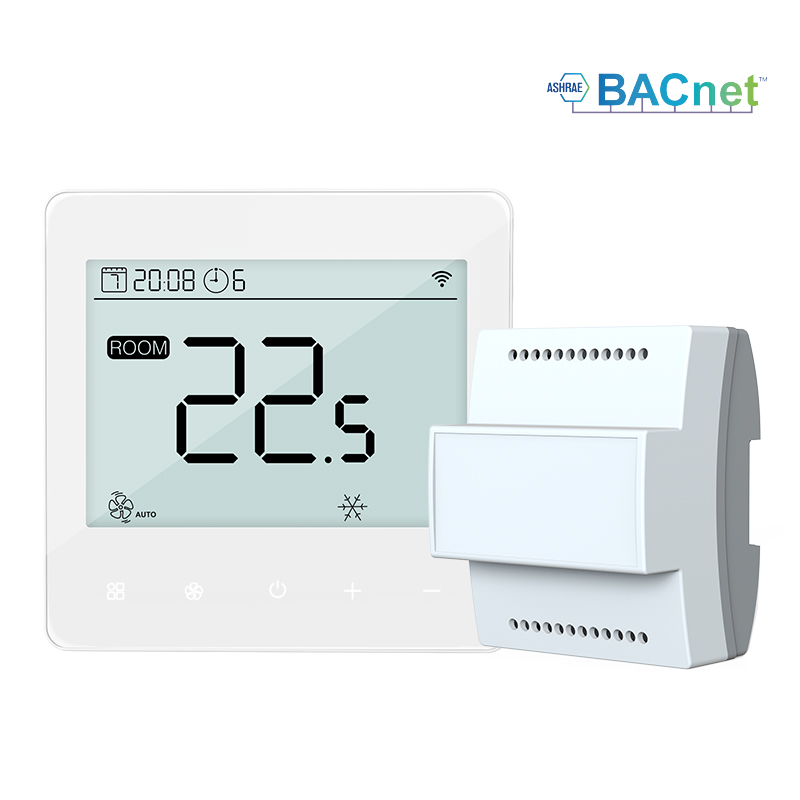
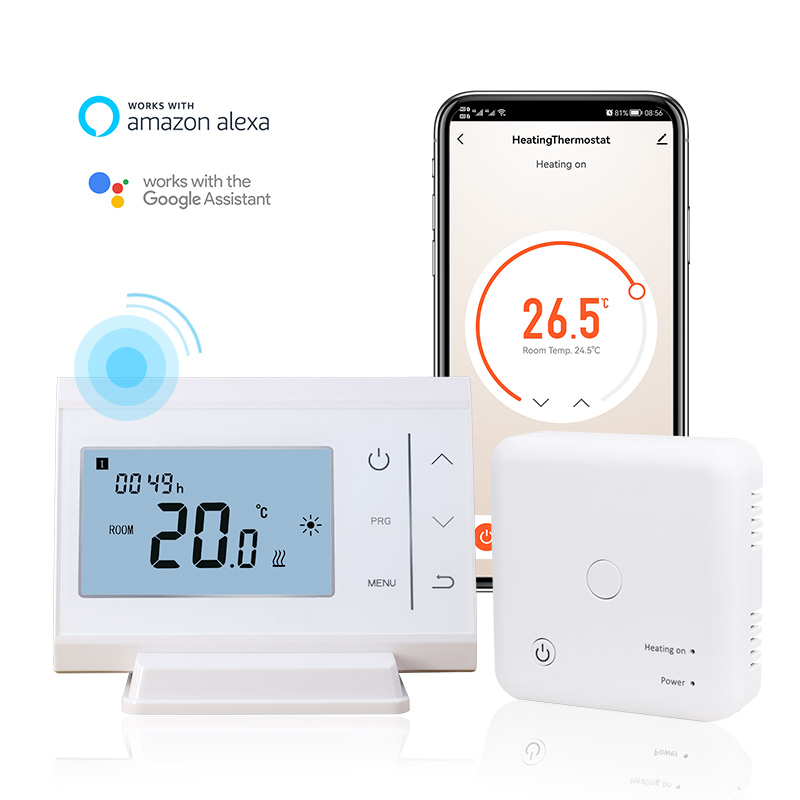
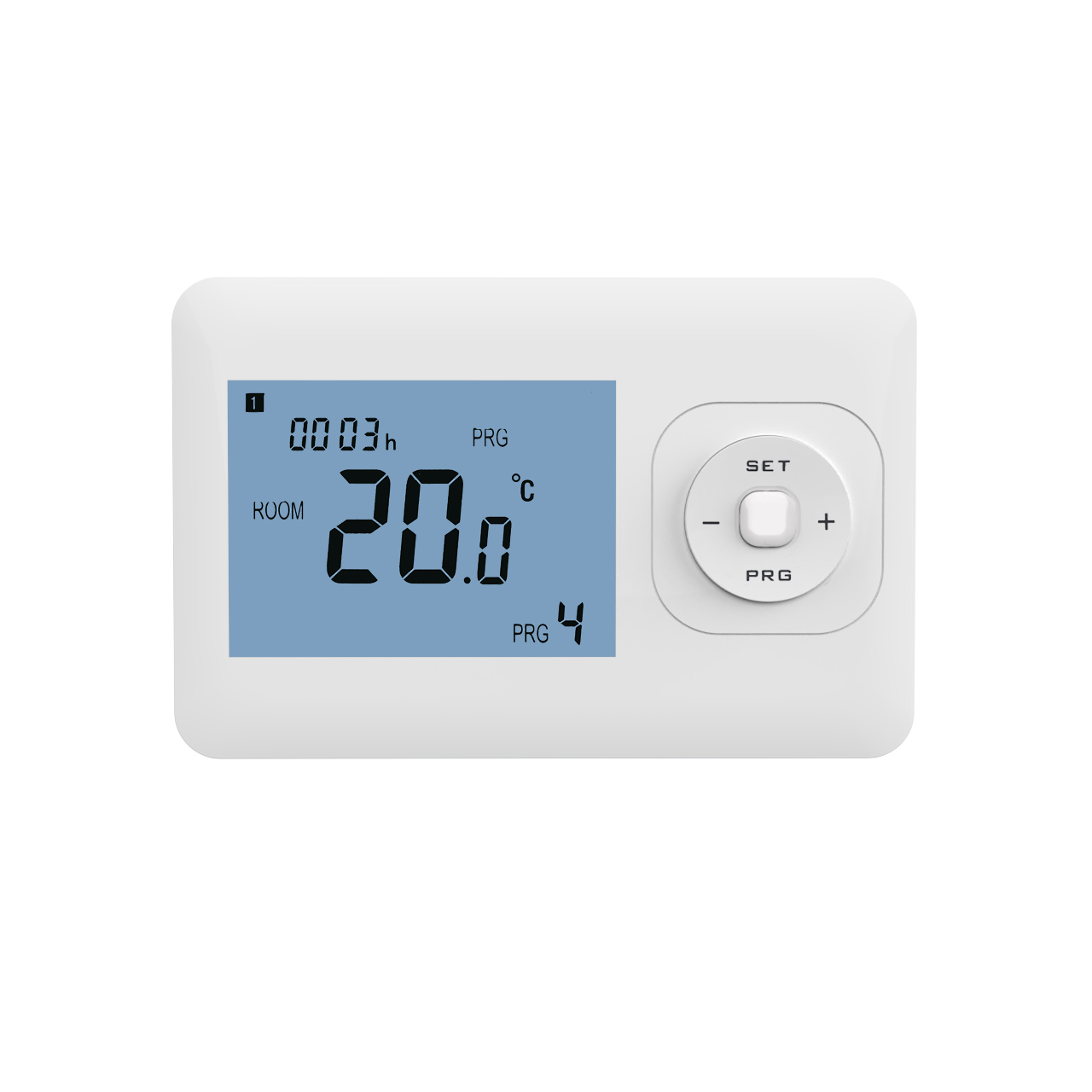
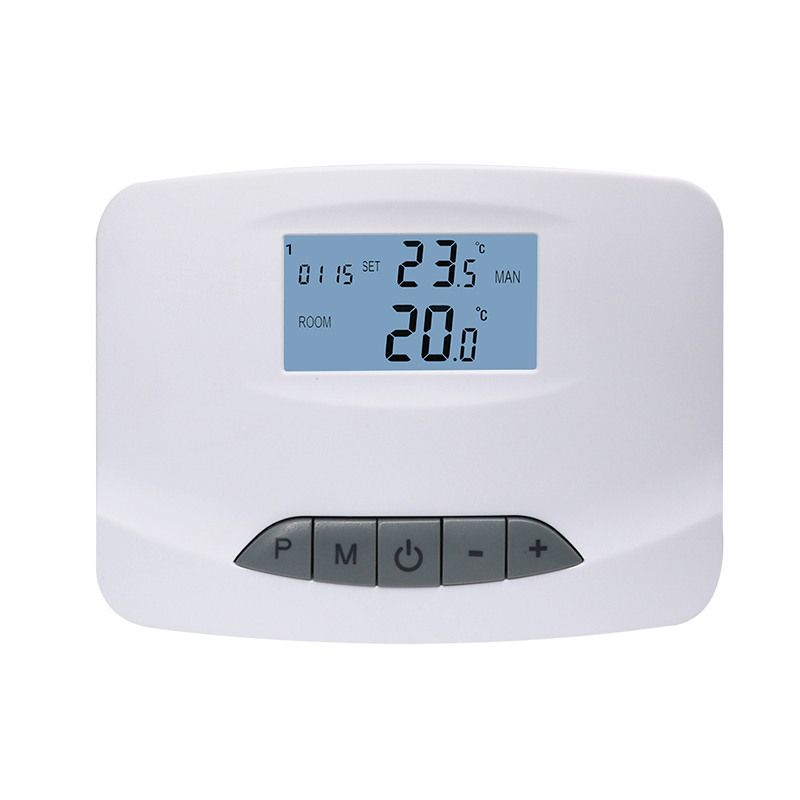
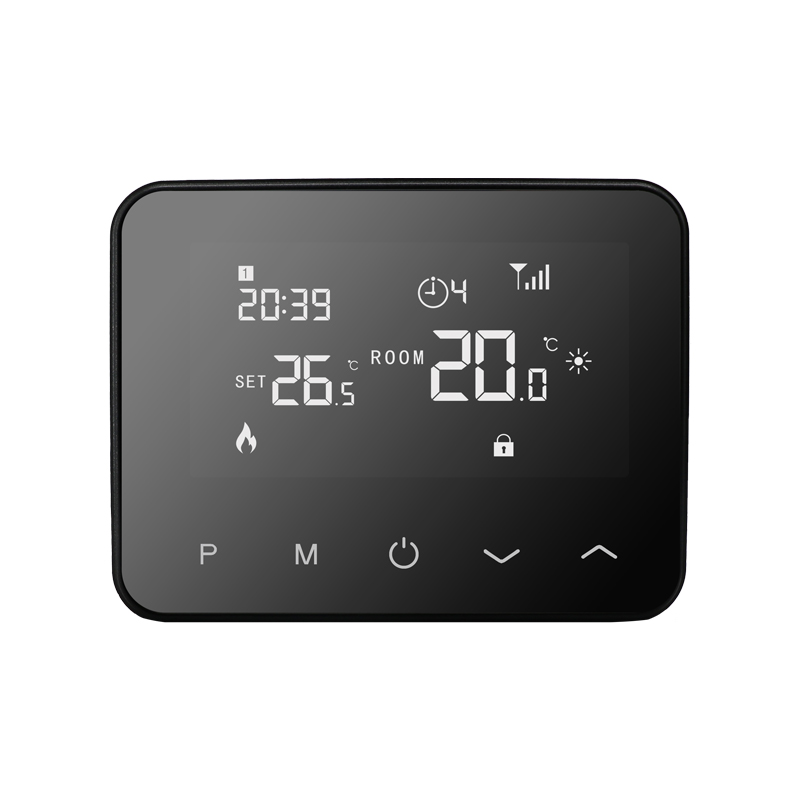
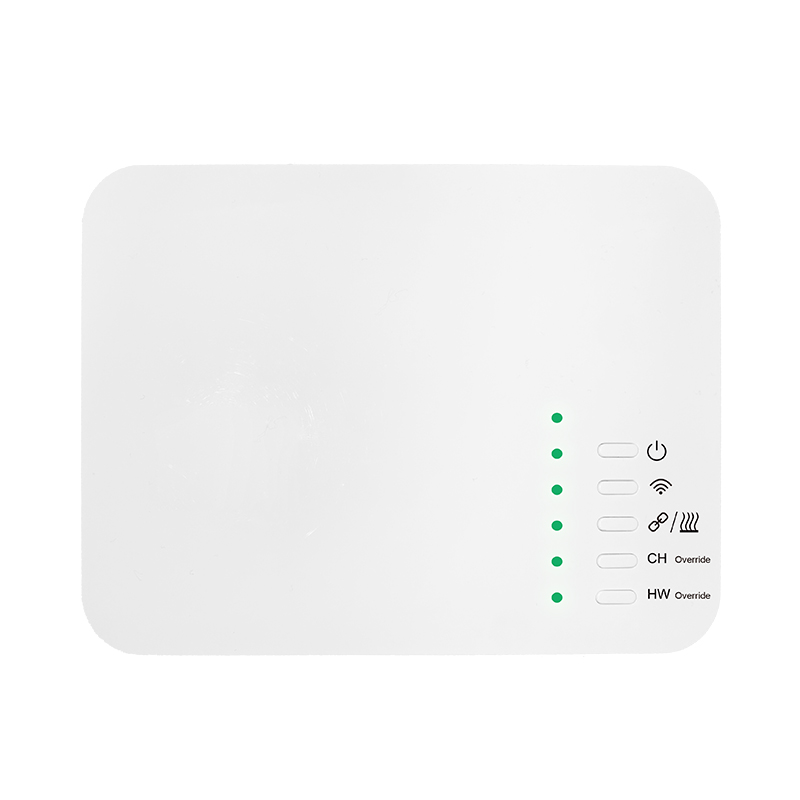
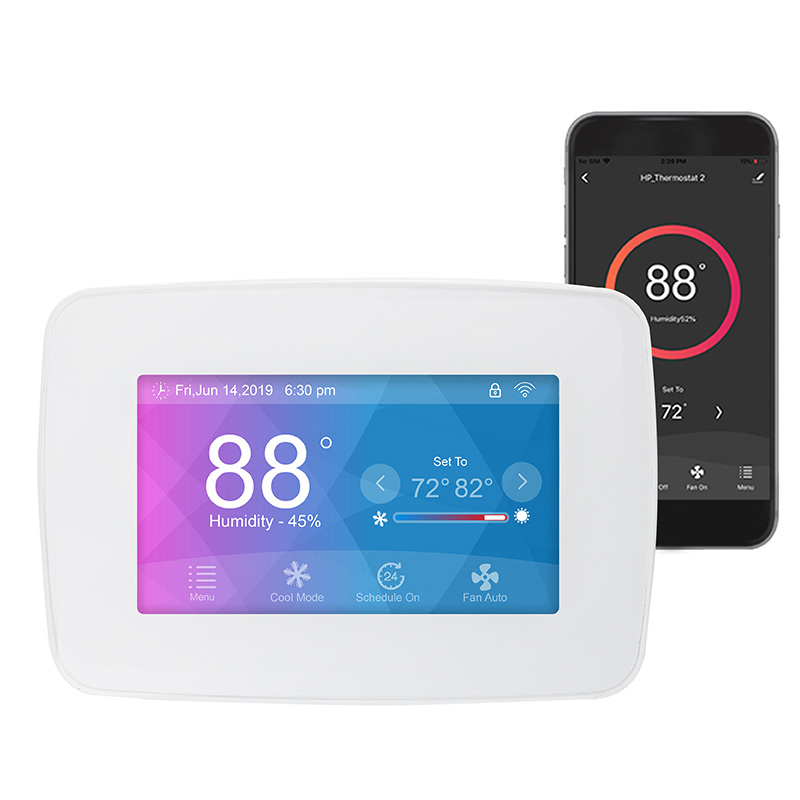
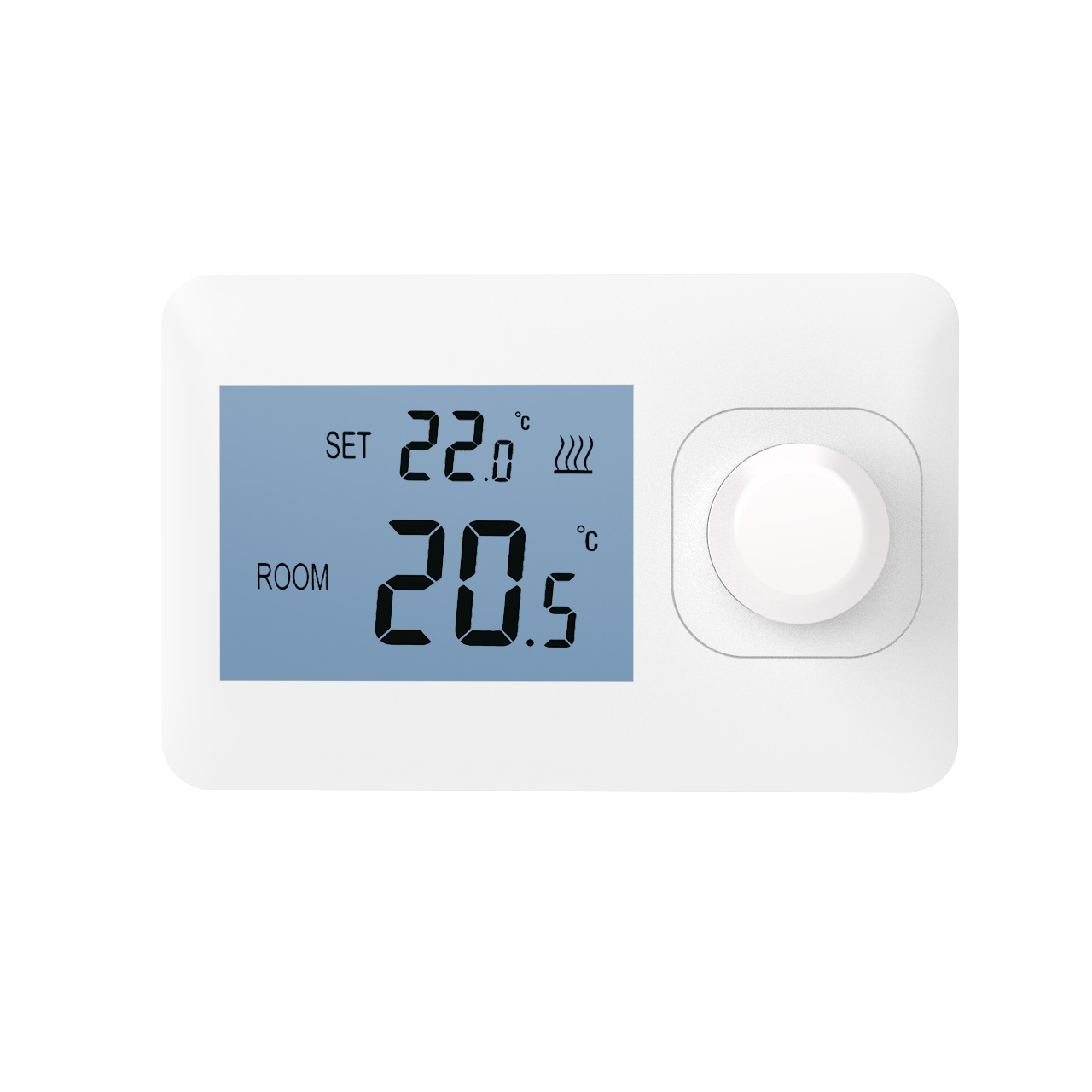
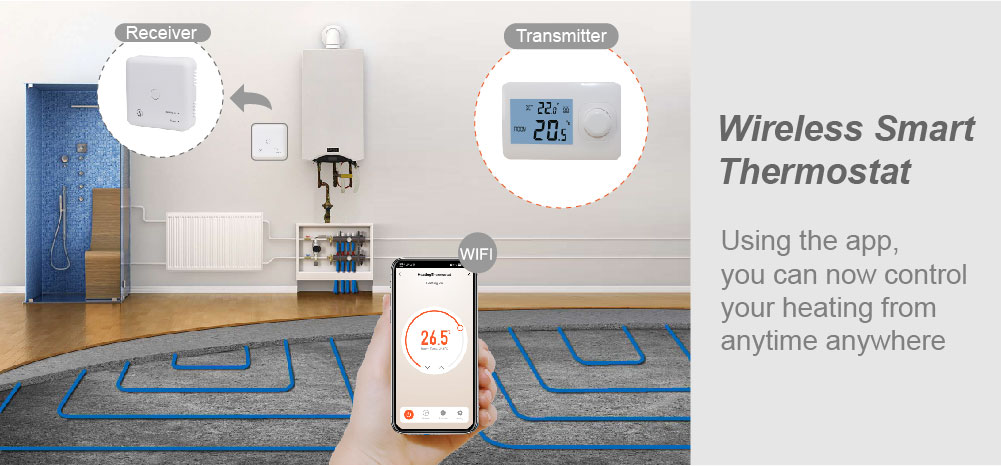
In a water-based underfloor heating system, the control box plays a crucial role in connecting the thermostat, thermal actuator, circulating pump, and boiler. It is the core device for achieving zoned heating and system linkage. If the underfloor heating control box malfunctions or operates abnormally, it often manifests as rooms not heating up, zone failure, and the inability of the water pump or boiler to start normally, causing significant inconvenience to users. Compared to underfloor heating pipes or terminal devices, the control box itself does not directly participate in heating, but it affects the operation of the entire system through electrical control; therefore, its stability is particularly critical. In actual use, a “not working” underfloor heating control box does not necessarily mean that the equipment itself is damaged. More often, it may be related to power supply, wiring, signal transmission, or external linkage conditions.

Confirm if the power supply is normal
Check the power input of the control box
The underfloor heating control box relies on a stable power supply to operate. If the power is not connected or the voltage is abnormal, the control box will naturally not work. First, confirm that the power supply reaches the control box, including whether the external power line, plug, or wiring terminals are secure.
Observe Indicator Status
Most control boxes are equipped with power or operation indicators. By observing the indicator status, you can initially determine whether the control box is powered on, thus distinguishing between “no power” and “powered but not working”.
Check if the Thermostat Signal Transmission is Normal
Is the Thermostat Working?
The control box’s operating logic is usually triggered by the room thermostats. If the thermostats are not working properly, even if the control box itself is intact, it will not receive start/stop signals.
Signal Line Connection Status
In wired temperature control systems, the signal line between the thermostat and the control box is crucial. If the line is loose, has poor contact, or is connected to the wrong port, the control box may not be able to recognize the required signal, resulting in no response.
Check the Actuator Circuit
Are the Actuator Connections Correct? Thermal actuators are numerous and have dense wiring. Incorrect wiring or loose terminals may cause abnormalities in a certain area, or even affect the overall logic of the control box.
Actuator Load Abnormality
If there is an abnormality in the actuator circuit, the control box may enter an abnormal state under the protection mechanism, manifesting as an inability to output control signals normally.
Monitor the Linkage Status of the Circulating Pump and Boiler
Is the Linkage Output Obstructed?
Underfloor heating control boxes typically have linkage output ports for the water pump or boiler. If the linkage circuit is not correctly connected, even if the control box receives a temperature control request, it will be unable to complete subsequent start/stop actions.
External Device Feedback Affects Judgment
In some systems, the status feedback from the boiler or water pump can affect the control box’s operational judgment; abnormalities in external devices may be mistakenly interpreted as the control box not working.
Check Environmental and Installation Factors
Humidity and Dust Effects
Prolonged exposure to humid or dusty environments can cause internal components of the control box to become damp or contaminated, affecting normal operation.
Inappropriate Installation Location
If the control box is installed in a concealed location, has insufficient heat dissipation, or is subjected to external pressure, it may cause loose internal wiring or component malfunctions.
Affected by Other Factors
Correct Zoning Settings
Some control boxes require zoning logic settings. If the settings do not match the actual wiring, the control box may appear to be “not working.”
Restricted Operating Modes
In specific modes, the control box may be in standby or restricted operation. If the switching is not correct, it may be misdiagnosed as a fault.
Step-by-Step Troubleshooting is More Important than Blind Replacement
External-to-Internal Inspection Approach
Checking from power supply, signals, actuators, and then linked devices in sequence can avoid overlooking key factors.
Avoid Frequent Disassembly and Reassembly
Frequent disassembly and reassembly before clarifying the cause of the fault may introduce new problems and increase the difficulty of subsequent troubleshooting.
When a floor heating control box is not working or operating abnormally, it is important to understand that this does not necessarily mean that the equipment itself is damaged. As the control core of the floor heating system, the operation of the control box is affected by multiple factors, including power supply, thermostat signals, actuator status, boiler and water pump linkage, and the installation environment. A problem in any part of the system can cause the control box to malfunction, manifesting as “the underfloor heating isn’t working” or “the system isn’t responding.” Therefore, when faced with a malfunctioning underfloor heating control box, a more reasonable approach is to troubleshoot step by step, starting with the most basic power supply and connection status, and then checking the signals and linkages layer by layer. This methodical analysis avoids misjudging the root cause and effectively reduces unnecessary maintenance costs. Only after confirming that all external factors are normal should one further consider the condition of the control box itself.