
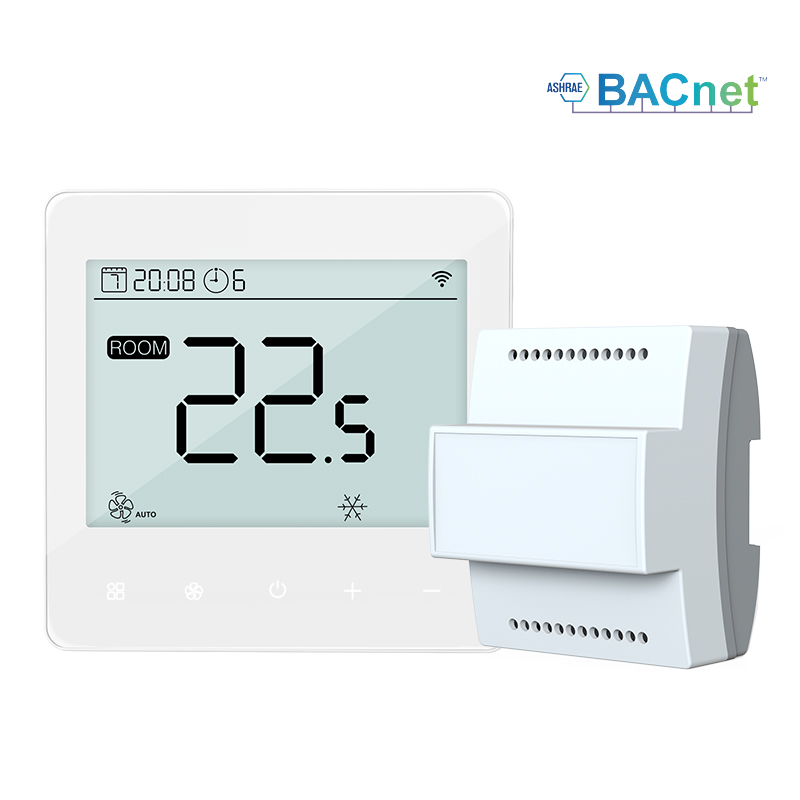
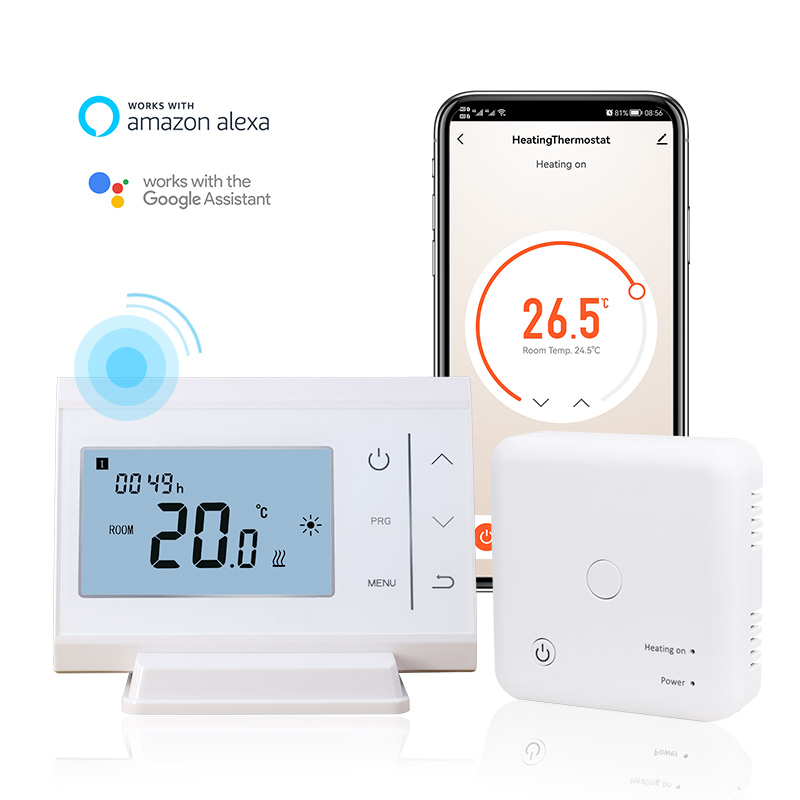
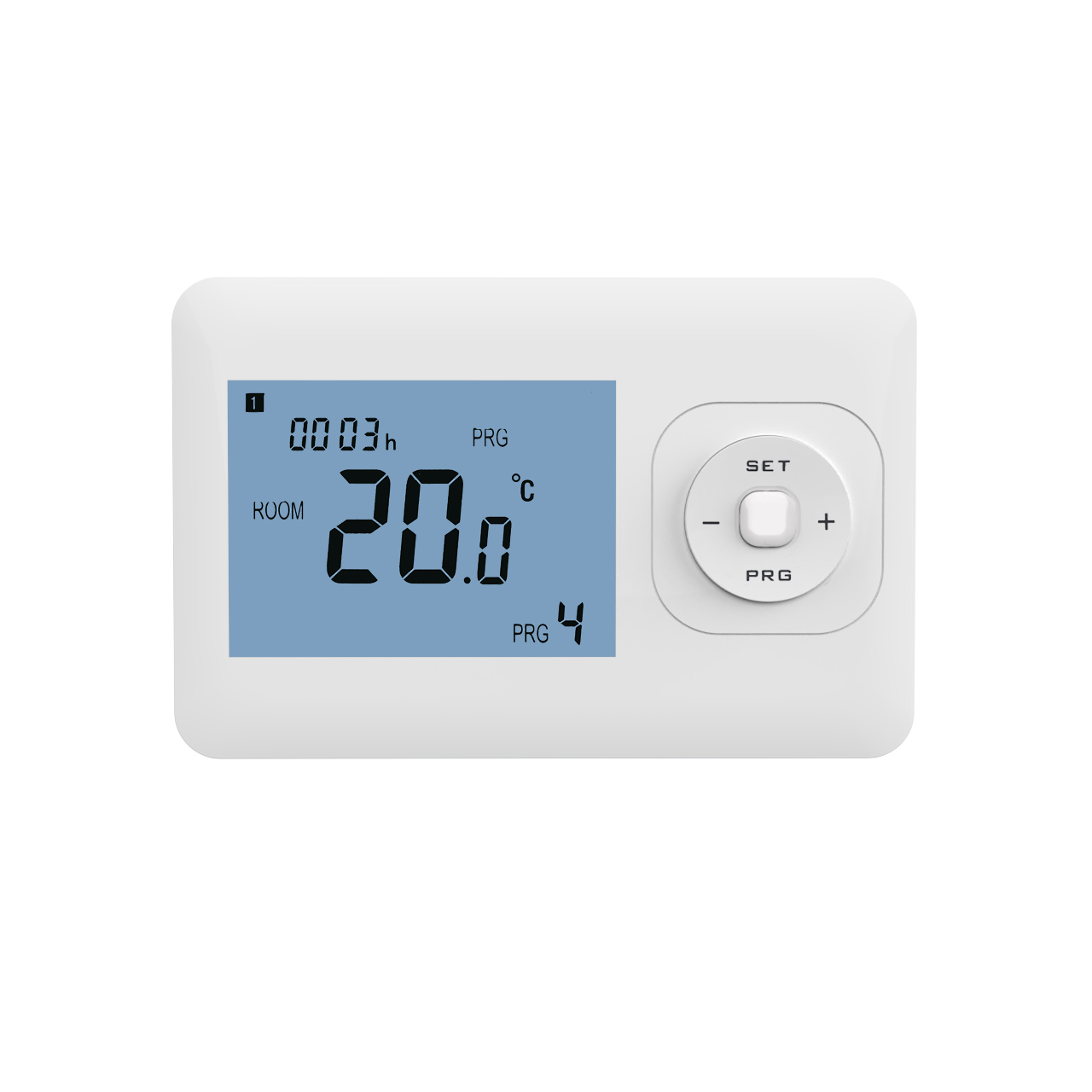
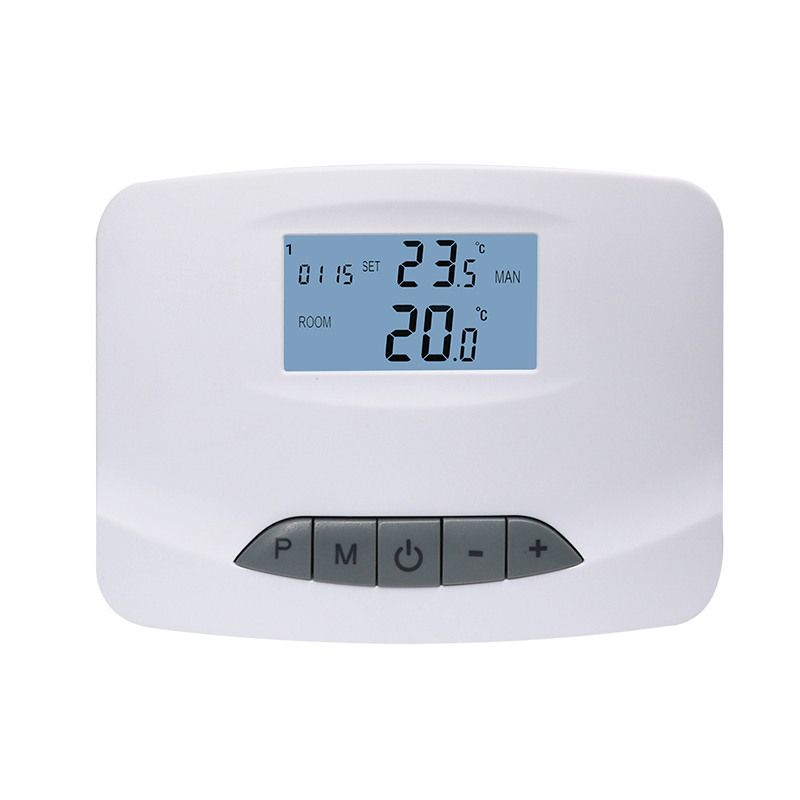
Electric floor heating systems have become a popular choice for home heating, and the thermostat plays a key role in maintaining comfortable indoor temperatures. However, many users encounter issues such as inaccurate temperature readings, large deviations, or unresponsive control, which affect the heating experience. This article provides a comprehensive guide on common causes of inaccurate thermostat readings and practical solutions to quickly restore a comfortable environment.
Common Causes of Thermostat Inaccuracy
Improper sensor placement
If the thermostat sensor is too close to a heat source, exposed to direct sunlight, or near an air vent, it may read higher or lower temperatures, resulting in inaccurate readings.
Environmental temperature interference
Large windows, direct airflow from heaters or air conditioners can cause discrepancies between the thermostat reading and the actual room temperature.
Aging or loose wiring
Over time, loose connections or aging wires between the thermostat and the floor heating system may prevent accurate temperature control.
Thermostat malfunction
Faulty internal components or sensor issues, or software errors, can cause inaccurate temperature readings.
Installation or calibration issues
Improper installation, such as an uneven mount or lack of initial calibration, may lead to discrepancies between displayed and actual temperature.
How to Diagnose Temperature Inaccuracy
Check installation location
Ensure the thermostat is away from direct sunlight, heat sources, or air vents, and placed in a central, well-ventilated area of the room.
Inspect wiring connections
Turn off power and check terminals for looseness or oxidation; replace aging wires if necessary.
Use an independent thermometer
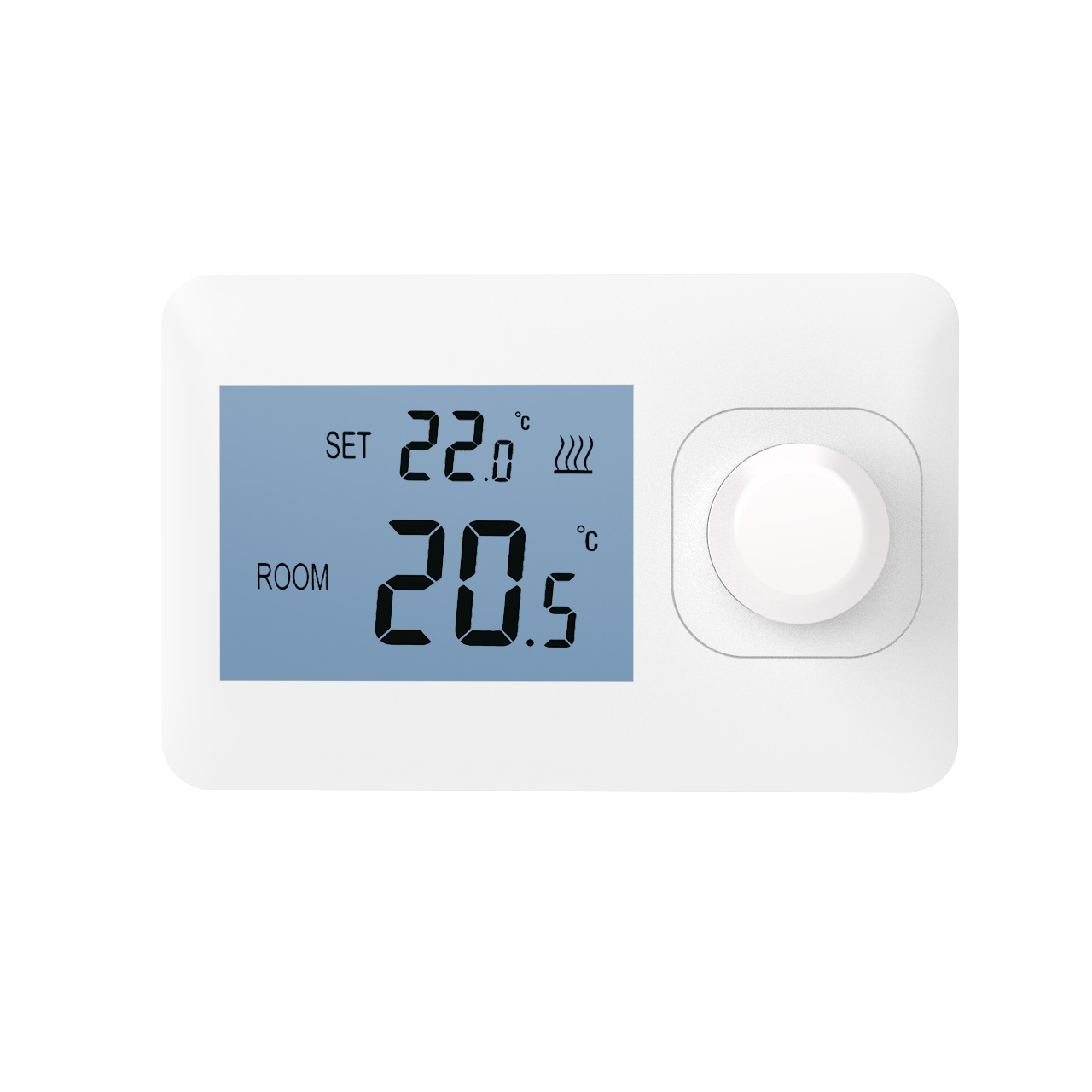
Place a separate thermometer near the thermostat and compare readings to determine the deviation.
Reset or calibrate the thermostat
Follow the user manual to perform a factory reset or calibration, then reconfigure the temperature settings.
Solutions for Inaccurate Thermostat Readings
Adjust sensor placement
Move the thermostat or sensor to a central location free from interference to ensure accurate temperature measurement.
Optimize room environment
Reduce direct airflow from heaters or AC units and minimize temperature fluctuations caused by large windows.
Check wiring and replace aged components
Secure loose connections or replace old wires to ensure proper communication with the heating system.
Upgrade or replace the thermostat
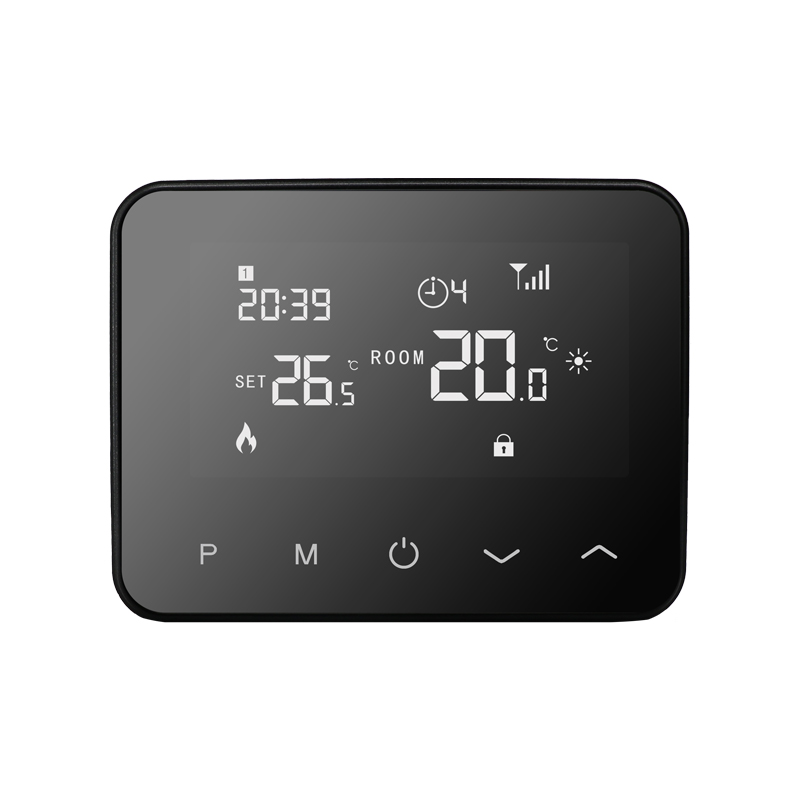
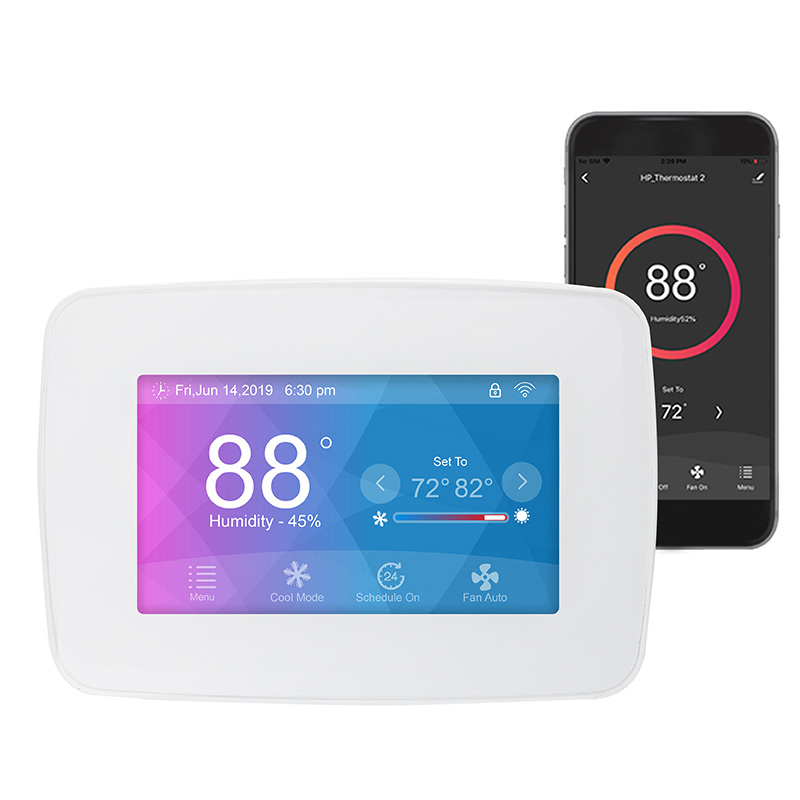
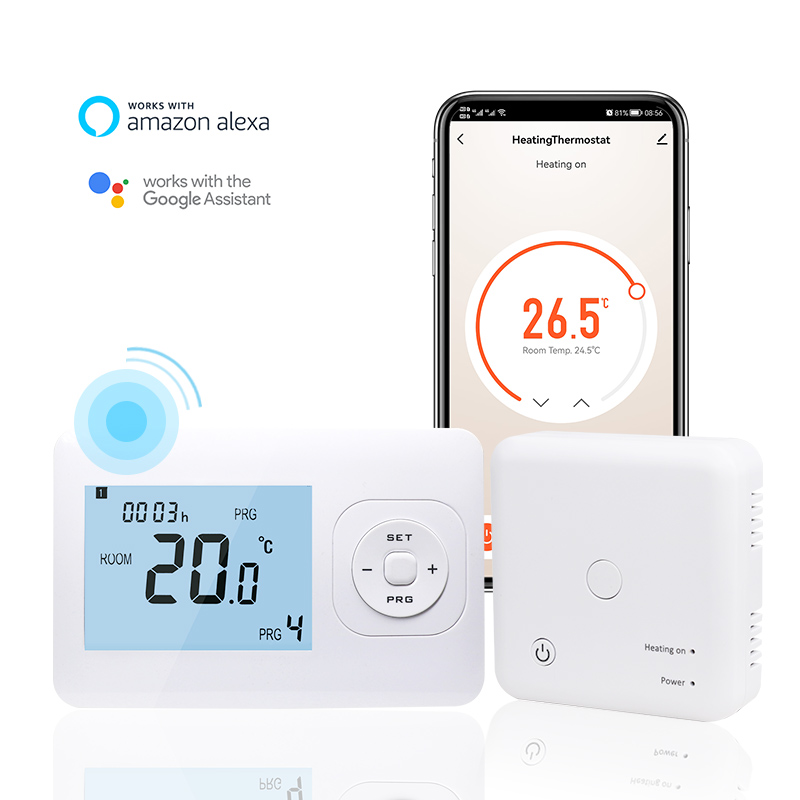
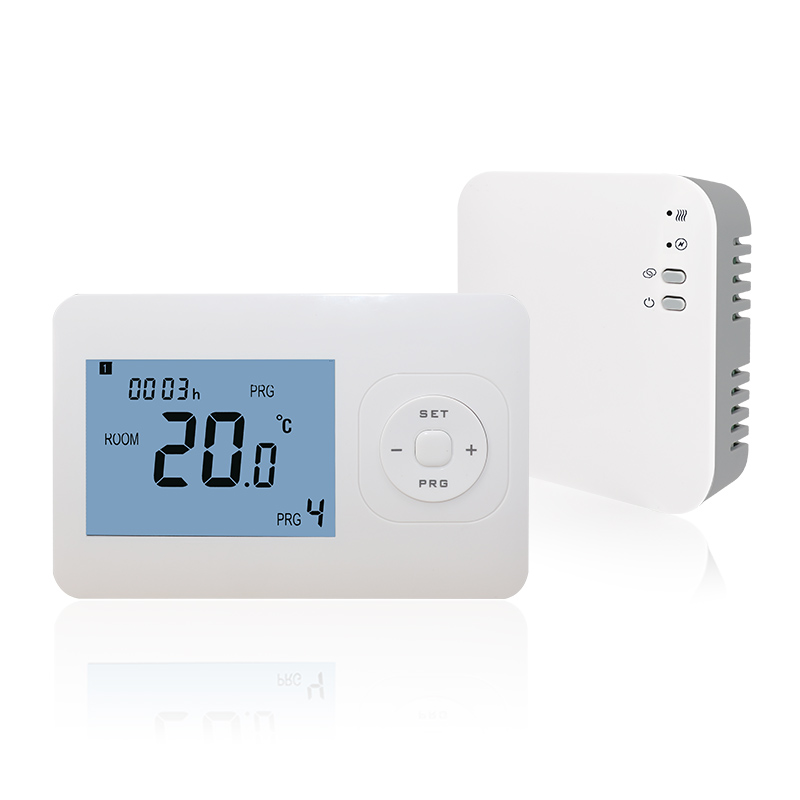
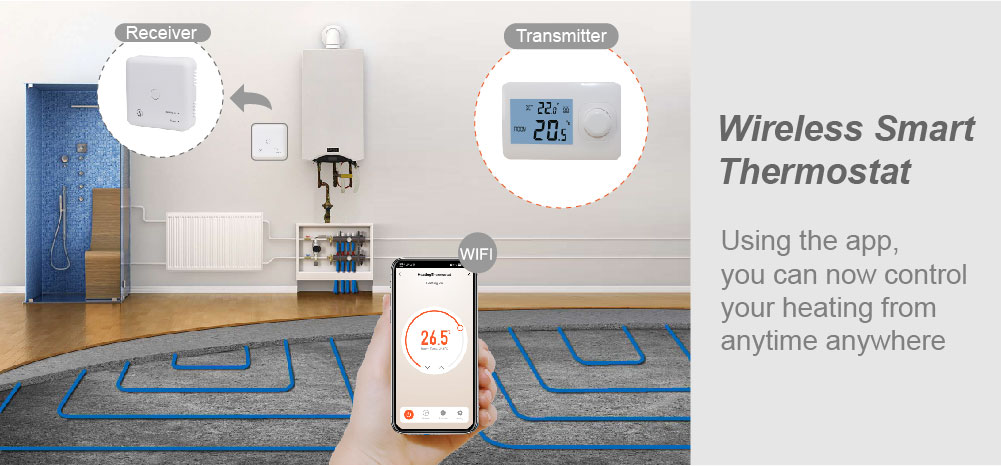
For long-used or outdated thermostats, consider replacing with a Wi-Fi, Zigbee, or Bluetooth thermostat for more precise control and smart features.
Software updates and remote calibration
Smart thermostats allow firmware updates and remote calibration via the manufacturer’s app or smart hub to improve accuracy.
Preventive Measures
Regularly inspect thermostat wiring and terminals to maintain good contact
Avoid placing the thermostat near heat sources or in direct sunlight
Maintain balanced room temperature and airflow to minimize environmental interference
Use a smart thermostat with temperature curve adjustments for more precise control
Conclusion
Inaccurate electric floor heating thermostat readings can result from sensor placement, environmental interference, wiring issues, device malfunction, or installation/calibration errors. By adjusting installation, checking wiring, calibrating, or upgrading to a smart thermostat, users can effectively resolve temperature deviations, improving heating comfort and energy efficiency. Following these methods ensures a stable and comfortable operation of your home floor heating system.