
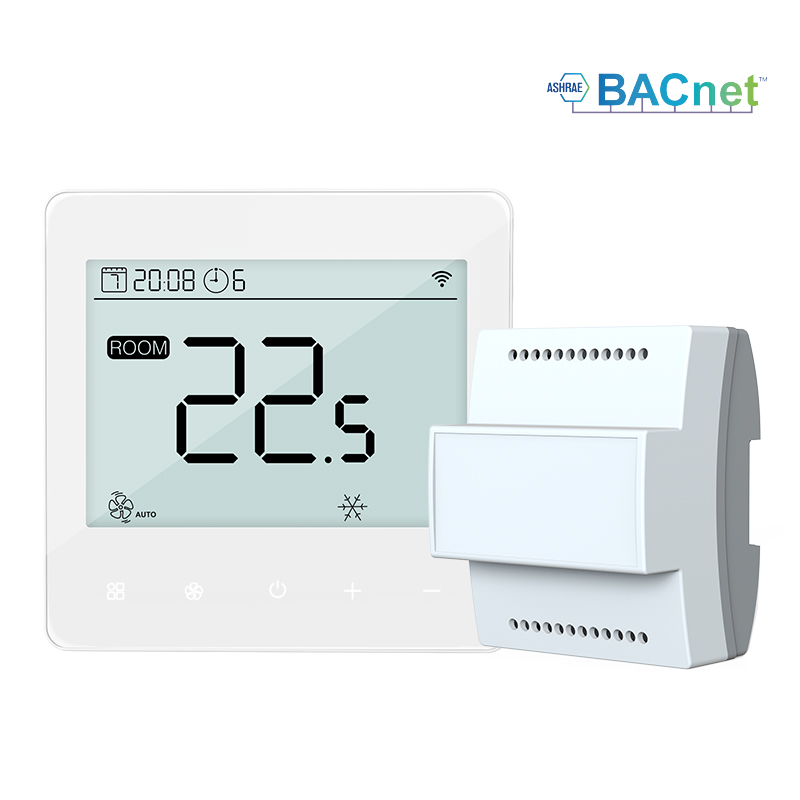
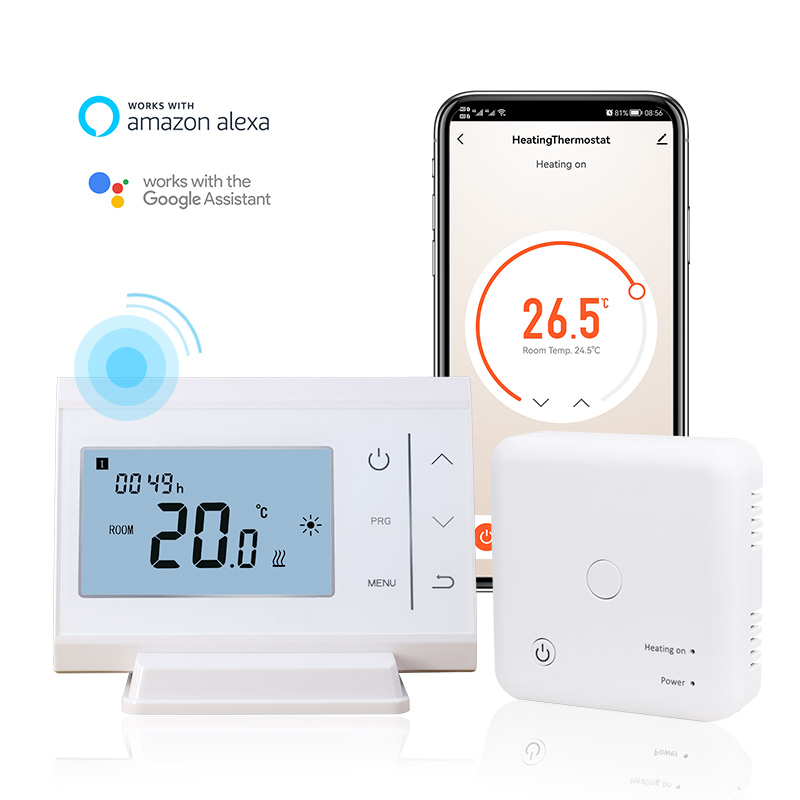
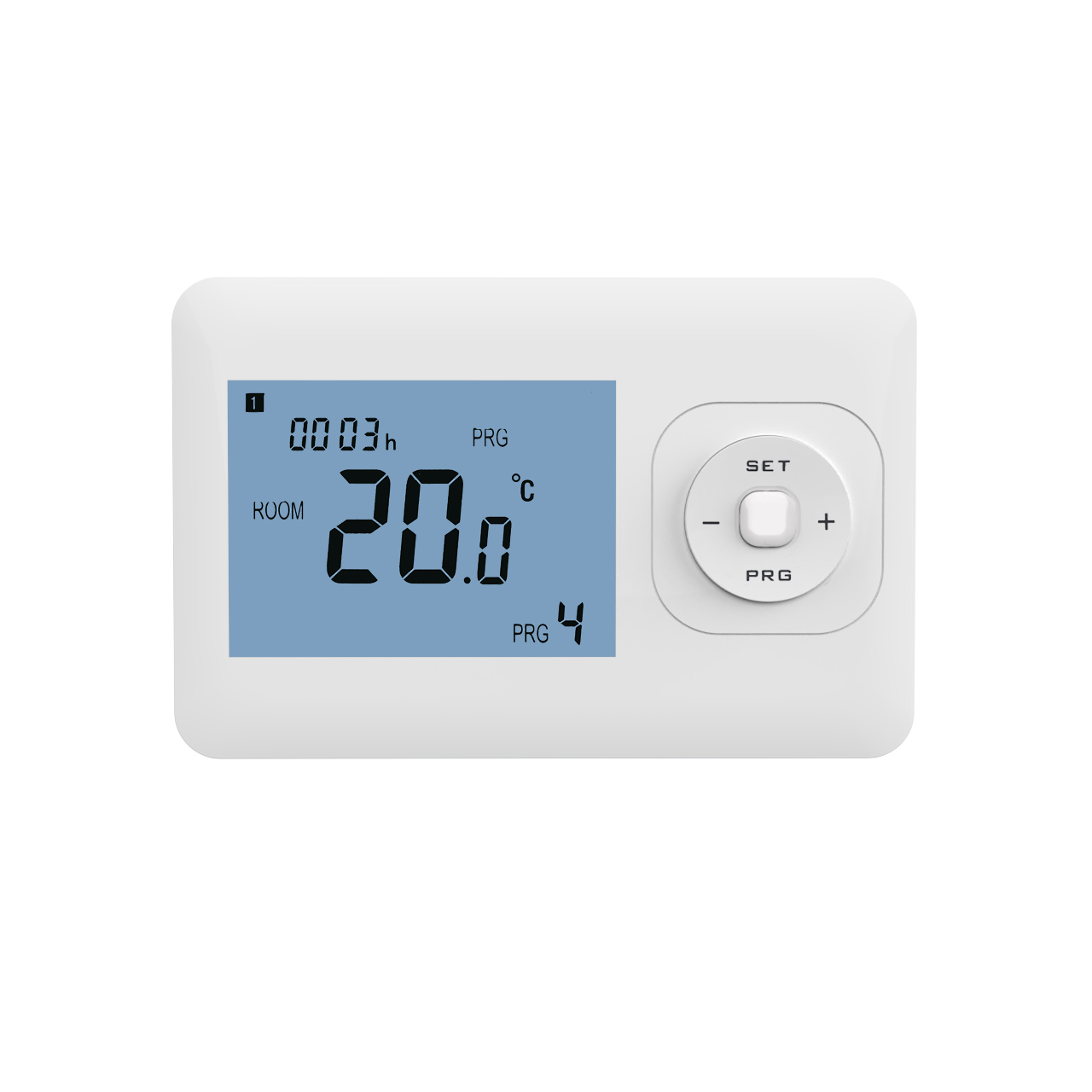
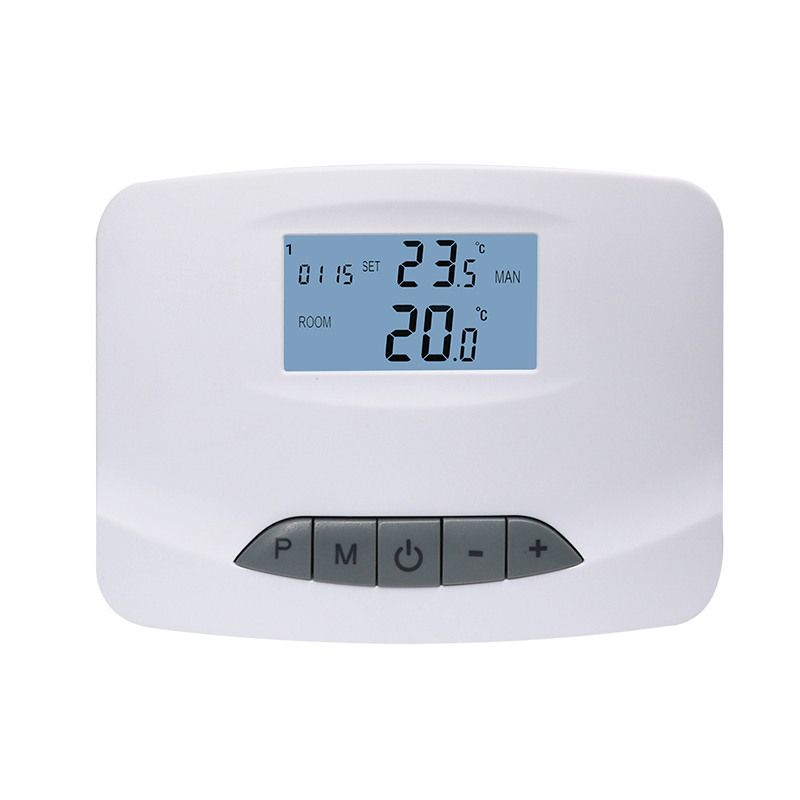
With the diversification of home heating systems, many users often face the question: what is the difference between electric floor heating thermostats and radiator thermostats? Although both devices regulate indoor temperature, they differ significantly in design and usage due to heating methods, operating principles, and installation environments. This article explains their differences in terms of working principle, control method, temperature precision, and installation requirements, helping users choose the right thermostat for their needs.
Differences in Working Principle
Electric floor heating thermostats primarily control the power supply to the electric floor heating system, converting electrical energy into heat through heating cables or films. The heat is directly transferred to the floor, warming the room via radiant heat. Their control principle focuses on maintaining a balance between floor temperature and indoor air temperature, often using temperature sensors for automatic on/off and constant temperature control.
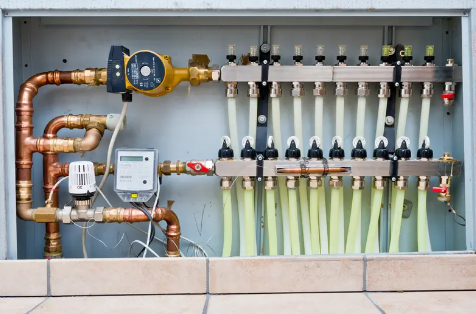
Radiator thermostats, on the other hand, regulate hot water or steam flow in radiator heating systems by adjusting the valve opening, controlling the heat output of the radiator. The core function is to manage water flow and heat transfer speed. Temperature regulation depends on the radiator’s thermal capacity and the efficiency of the water circulation system.
Differences in Control Method
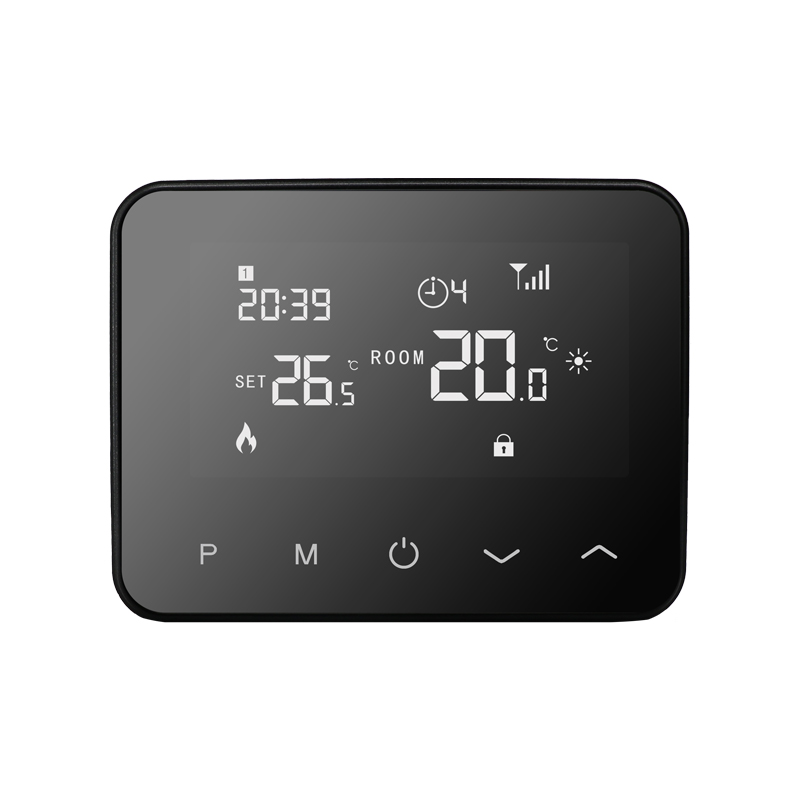
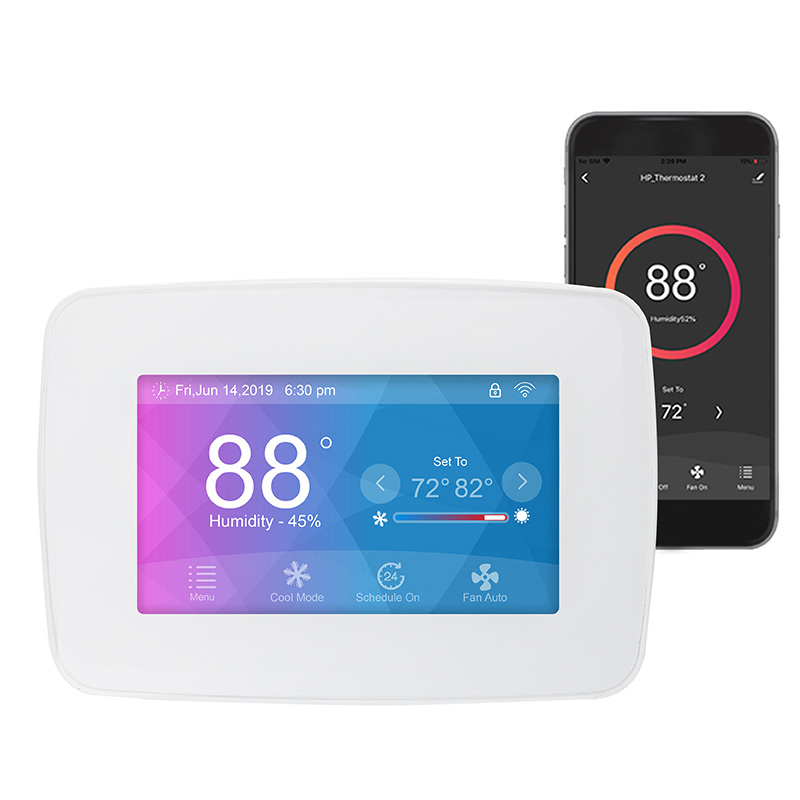
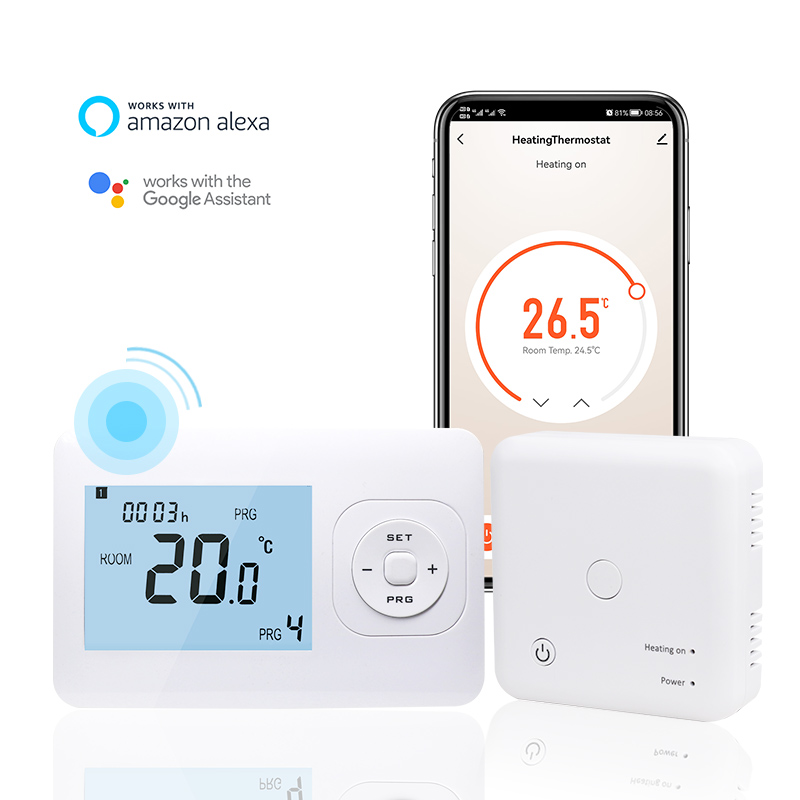
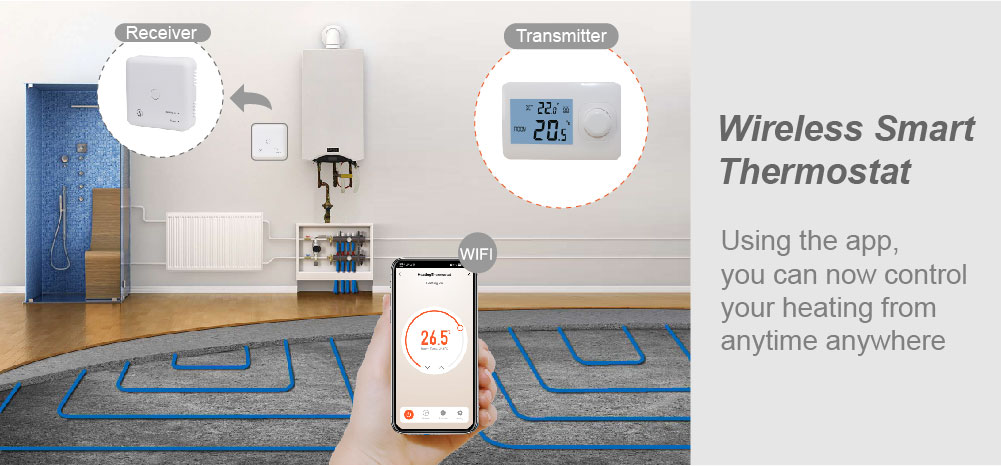
Electric floor heating thermostats usually feature precise electronic control, offering modes such as constant temperature, timer, or zoned control. Advanced models support smart connectivity, allowing remote temperature adjustment via a mobile app and enabling individual zone management.
Radiator thermostats mainly use mechanical or electronic valves to regulate water flow based on a temperature sensor. While modern radiator thermostats also offer smart functions, the thermal inertia of radiators causes slower response, making temperature precision and responsiveness lower than that of electric floor heating thermostats.
Differences in Temperature Precision and Comfort
Electric floor heating thermostats directly control floor radiation, providing high temperature precision and stable room temperature, minimizing fluctuations and enhancing comfort for feet. In low-temperature environments, they allow precise floor temperature adjustment, ensuring even heating throughout the room.
Radiator thermostats are affected by water temperature, pipe circulation speed, and the thermal inertia of the radiator. Temperature changes in the room are slower, and fluctuations may be larger. While overall room temperature can be controlled, rapid heating or cooling is less flexible compared to electric floor heating systems.
Differences in Installation and Usage Environment
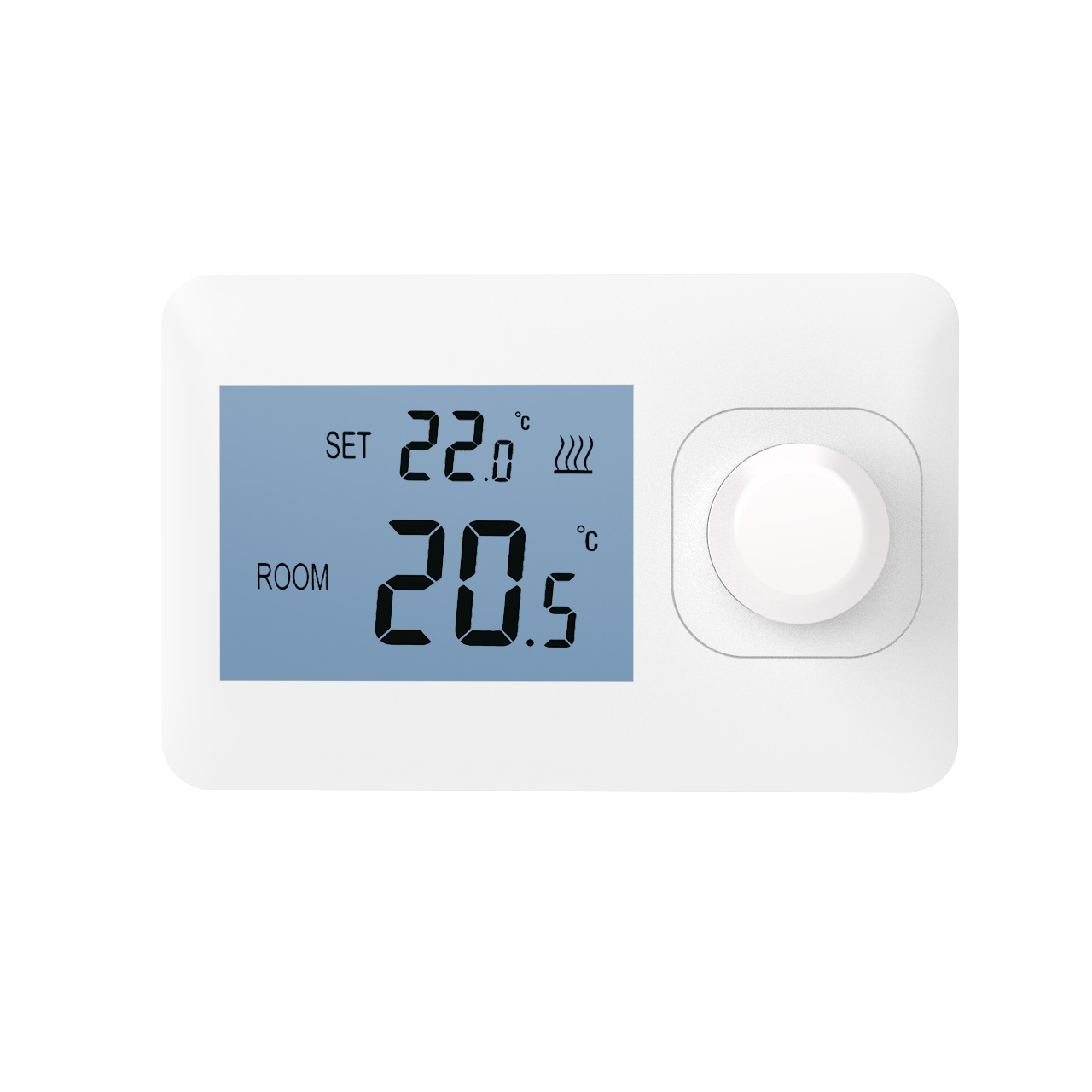
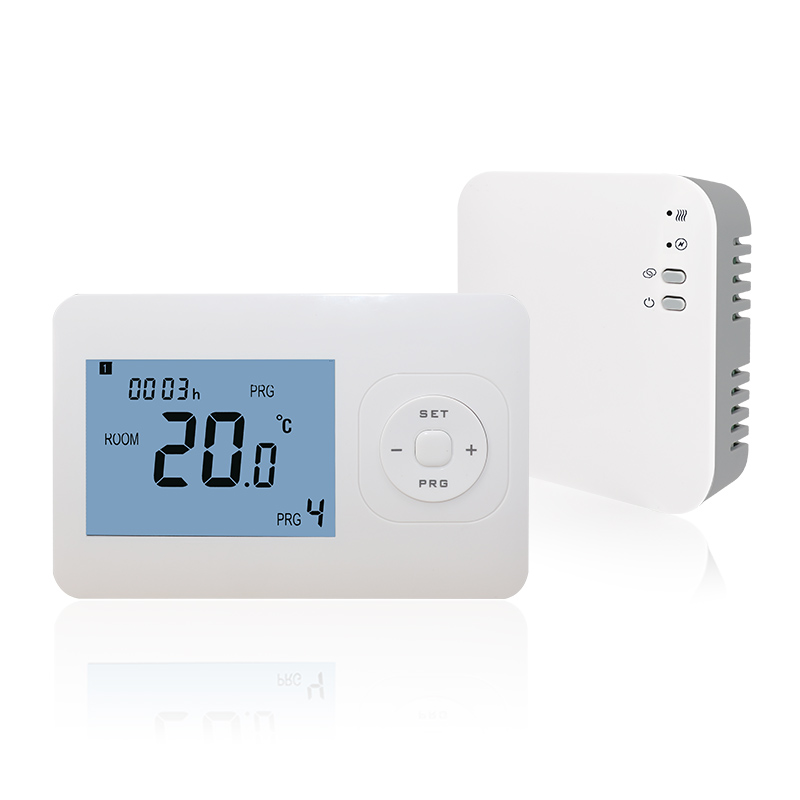
Electric floor heating thermostats are typically wall-mounted and work with heating films or cables installed under the floor. Installation requires proper wiring and floor construction planning. Radiator thermostats are installed directly on radiator valves, making operation and maintenance simpler, suitable for retrofitting existing hot water heating systems.
Conclusion and Selection Advice
In summary, the differences between electric floor heating thermostats and radiator thermostats mainly involve heating method, temperature precision, response speed, and installation environment. Choosing the right thermostat depends on the type of home heating system, comfort requirements, and desired level of smart functionality. For households seeking high precision, quick response, and floor comfort, electric floor heating thermostats are a better choice. For traditional hot water radiator systems, radiator thermostats are more suitable.
Understanding these differences helps users make informed choices, achieving efficient energy use and comfortable heating in the home.