
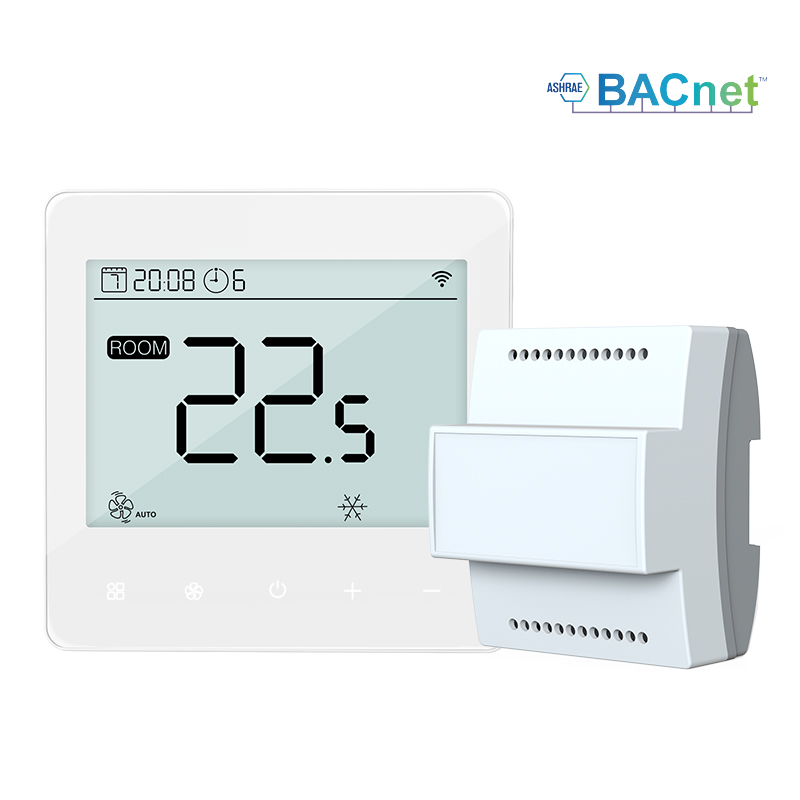
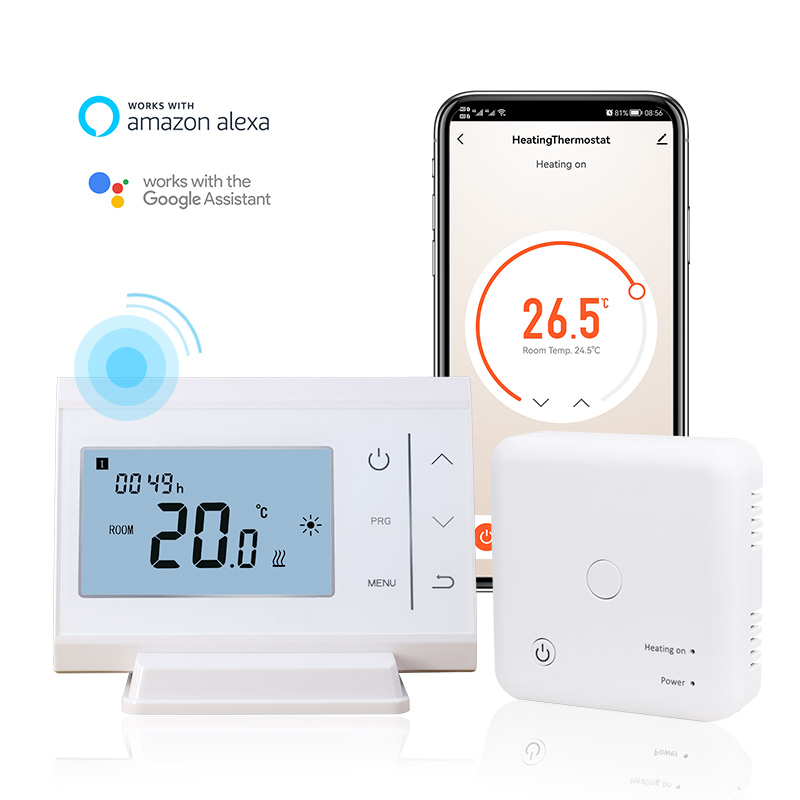
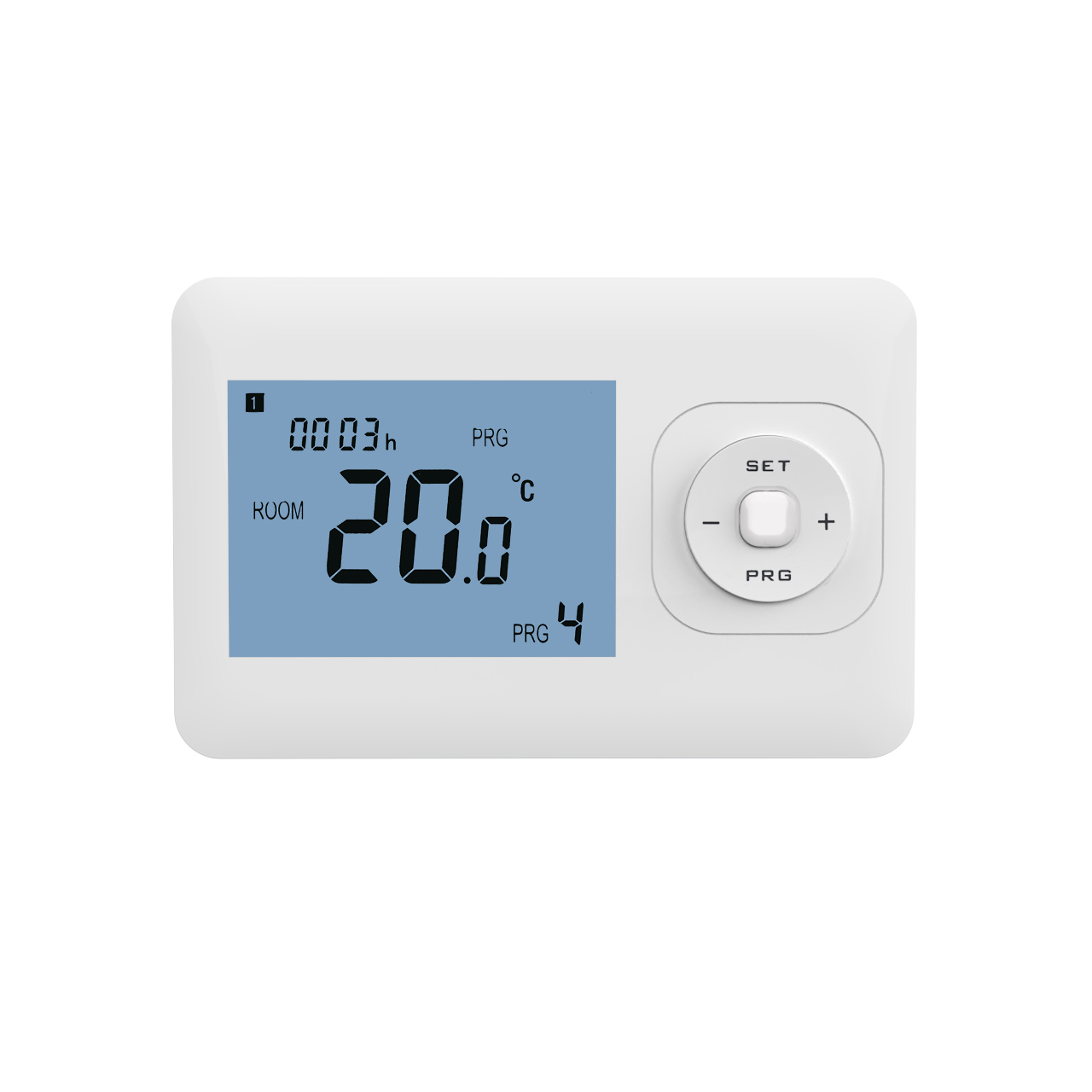
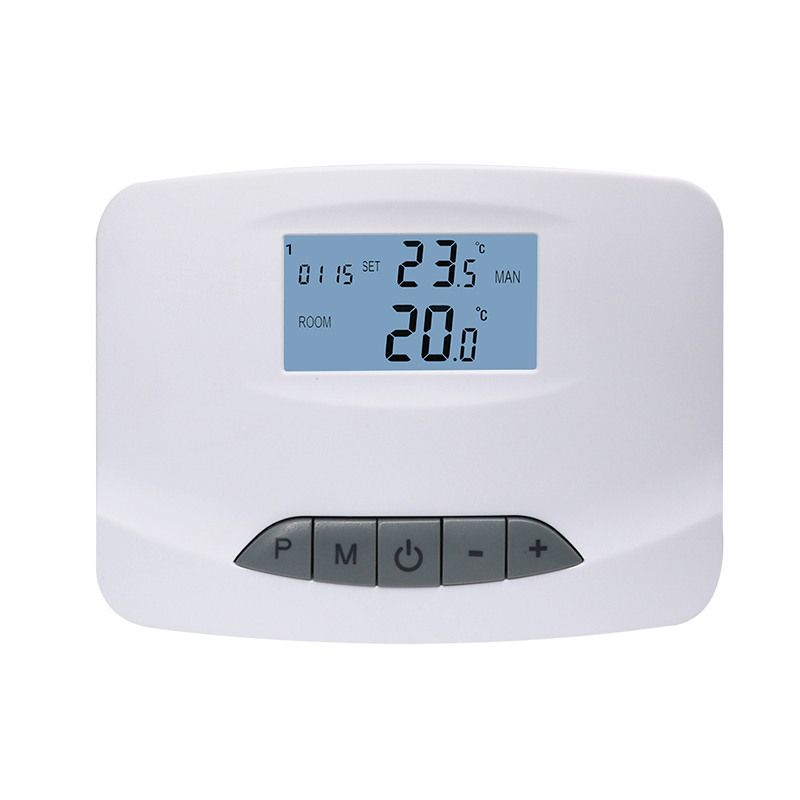
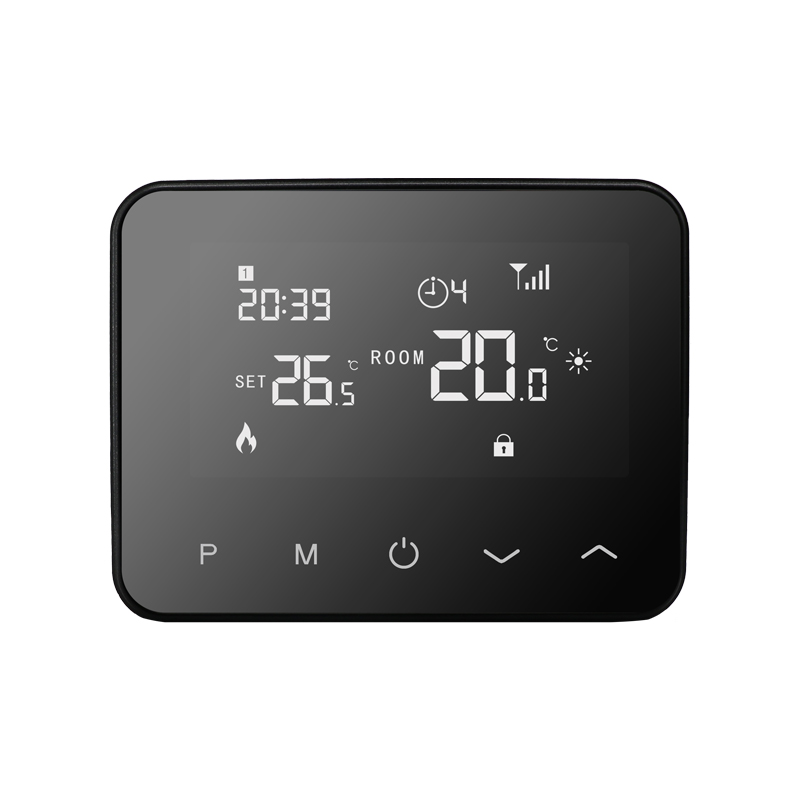
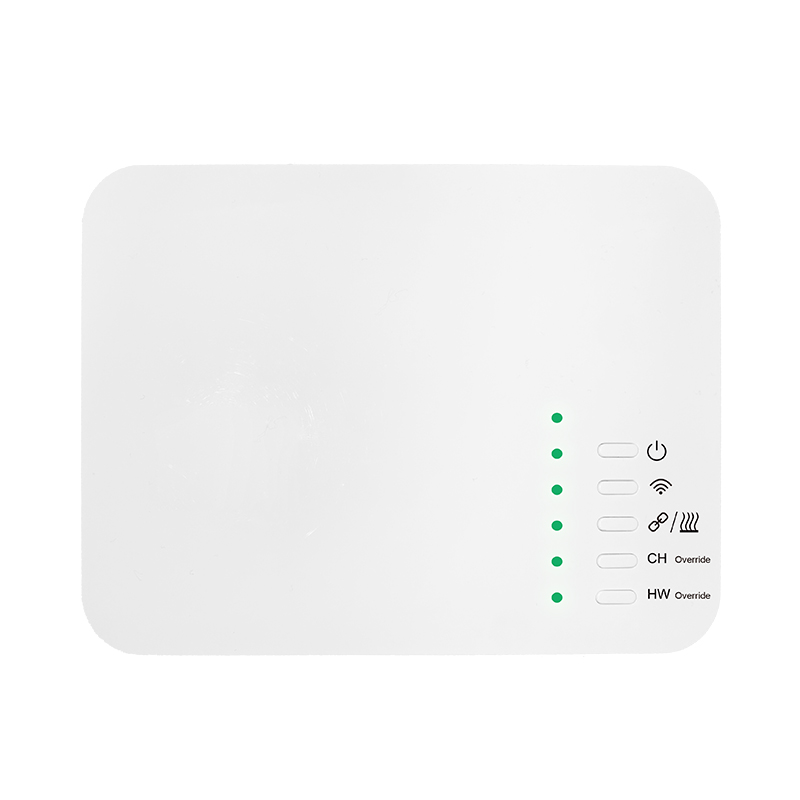
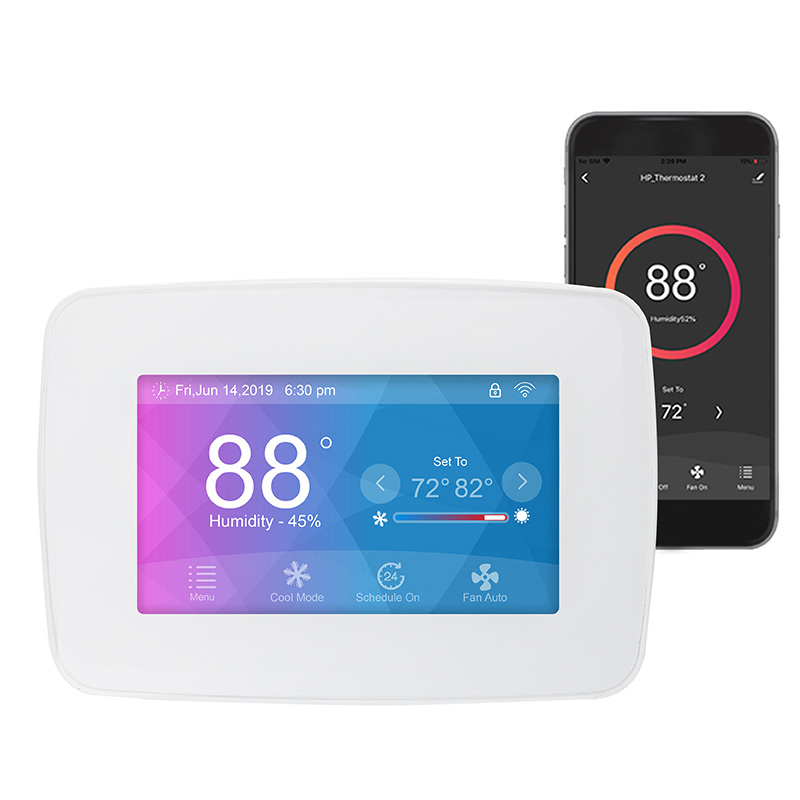
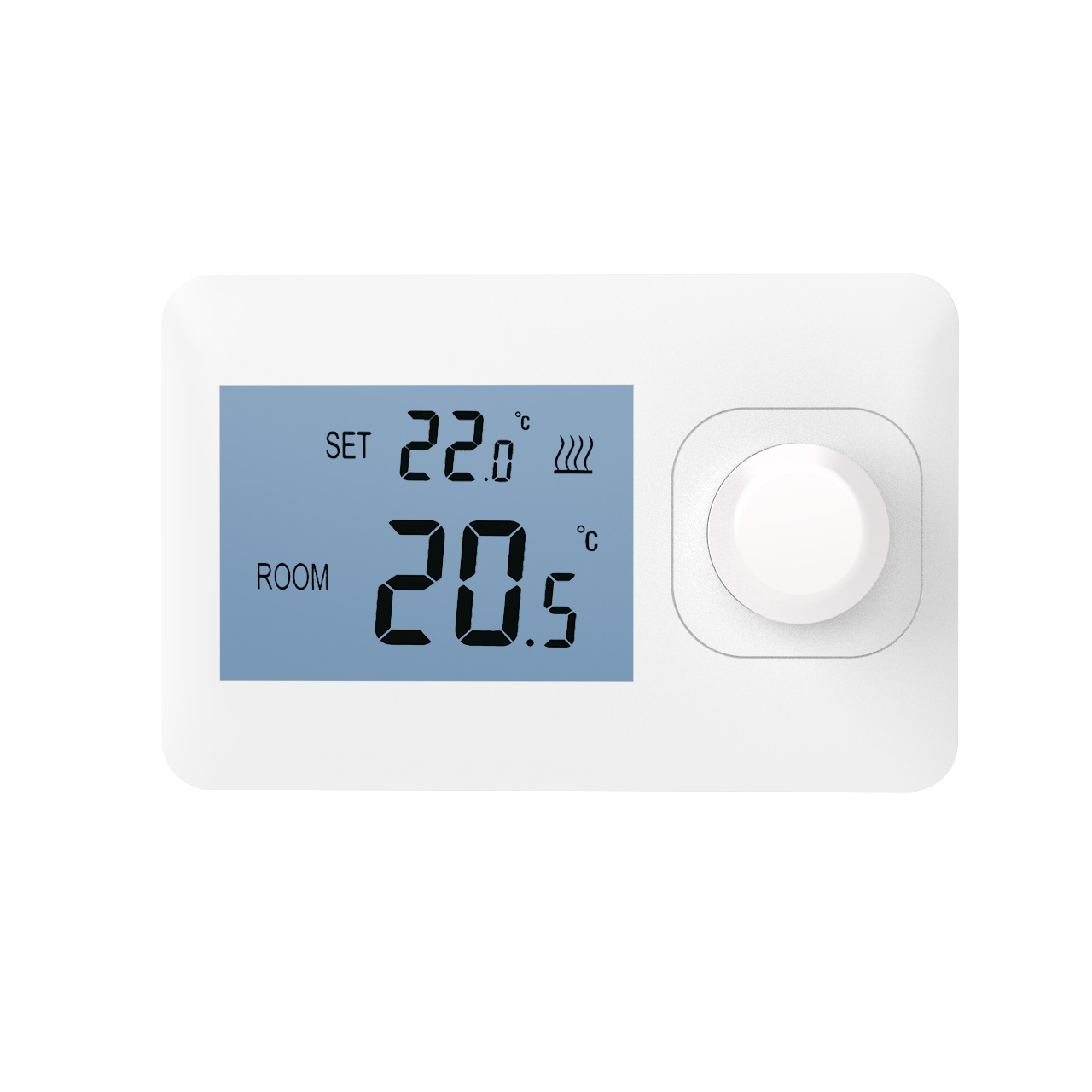
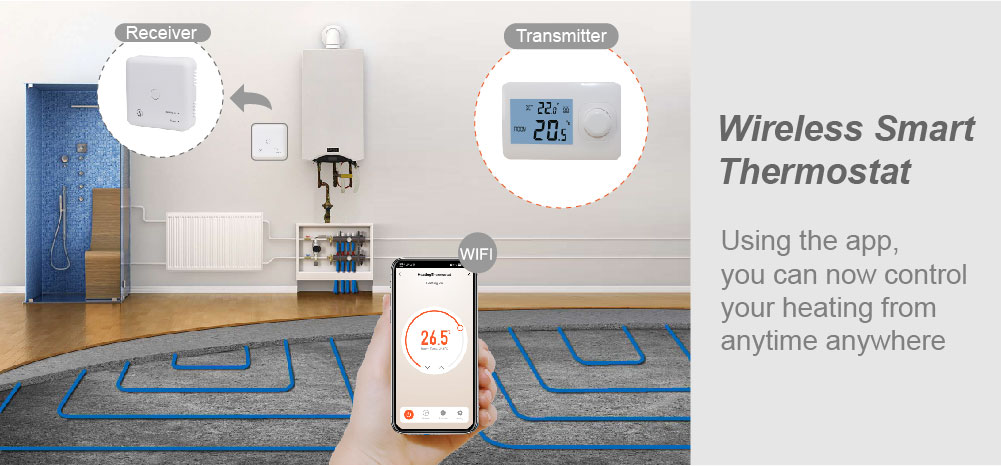
With the increasing popularity of underfloor heating systems in homes and commercial spaces, the wiring center, as the core control hub of the system, directly affects the ease of construction, system stability, and subsequent maintenance efficiency. The wiring center not only connects and aggregates devices such as thermostats, thermal actuators, boilers, and water pumps, but also undertakes signal forwarding and centralized management functions. A reasonable installation location ensures clear wiring, stable signal transmission, and convenient operation and maintenance during system operation. Many users have questions about the specific location of the wiring center when decorating or installing underfloor heating: Should it be near the boiler room or far from living areas? Should it be installed on the wall or in a cabinet? An improper location selection not only increases construction difficulty but may also lead to signal interference, noise transmission, and even inconvenience in maintenance.
Basic Principles of Wiring Center Installation
When choosing the installation location for the wiring center, several basic principles need to be followed to ensure system functionality and safety:
Proximity to main heating equipment: The wiring center typically needs to connect to the boiler, water pumps, and thermal actuators.
Proximity to Main Equipment:Installing the cabling center close to the main equipment reduces wiring paths, lowers construction complexity, and minimizes signal attenuation and interference.
Facilitates Zoning:The cabling center is the central point for thermostats and actuators in each zone; therefore, it should be located in a location that allows for easy convergence of wiring from all rooms. A well-planned cabling path improves installation efficiency and reduces the risk of wiring errors.
Facilitates Operation and Maintenance:The installation location should ensure easy access for users or maintenance personnel when debugging, repairing, or replacing equipment. Installation locations that are too high, too low, or obstructed will increase the difficulty of later maintenance.
Avoid High Humidity and High Temperature Environments:As an electronic control device, the cabling center should not be installed directly in damp spaces, near open flames, or in high-temperature areas to extend equipment lifespan and ensure signal stability.
Common Installation Locations for Cabling Centers
Based on the above principles, cabling centers in residential or commercial settings generally have the following installation locations:Boiler Room or Equipment Room
This is the most common installation location.
Boiler Room: Boiler rooms typically house boilers, pumps, and circulation piping. Installing the cabling center close to the main equipment allows for the shortest path connecting all circuits, facilitating construction and maintenance. Furthermore, boiler rooms are usually non-living areas, minimizing the impact of noise and vibration on daily life.
Inside Distribution Boxes or Equipment Cabinets:Installing the cabling center in a separate equipment cabinet or distribution box protects wiring and control panels from dust, moisture, and accidental contact, while maintaining overall neatness. The cabinet can be locked or labeled for security management and future system expansion.
Corridors, Storage Rooms, or Functional Rooms:In residential buildings with limited space, cabling centers are sometimes installed in corridor cabinets, storage rooms, or other auxiliary functional rooms. These locations typically facilitate access to circuits in each room while avoiding occupying wall space in living areas. However, it’s crucial to ensure neat wiring and avoid excessively long loops that could cause signal attenuation.
Inside Walls or Wall Cabinets:In some newer residential or office spaces, cabling centers can be concealed within wall cabinets or finished walls, making the system “invisible” and combining aesthetics with practicality. This type of installation requires reserved maintenance space for future operations.
Environmental Requirements and Precautions
Besides location selection, the environmental conditions of the cabling center directly affect system stability and lifespan:
Ventilation and Heat Dissipation
The cabling center generates heat during operation, especially when managing multiple circuits. The installation location should ensure air circulation to prevent overheating. If installed inside a cabinet, sufficient space should be provided for heat dissipation; additional ventilation holes or small heat dissipation devices can be added if necessary.
Keep Away from Water Sources and High Humidity Environments
As an electronic device, the cabling center should be installed away from water pipes, water heaters, or areas prone to moisture to prevent short circuits or corrosion.
Convenient Power and Signal Access
The cabling center needs to connect to thermostats, thermal actuators, boilers, and water pumps. The installation location should ensure convenient access to power lines and minimize wiring crossings and redundancy.
Noise and Vibration Isolation
The cabling center may generate slight noise when operating relays or when linked with water pumps or boilers. When installed on walls in living areas, sound insulation should be considered, or it should be located away from rest areas to avoid affecting the user experience.
The selection of the installation location for the underfloor heating wiring center needs to consider ease of construction, wiring layout, system operational stability, and maintenance convenience. Generally, a boiler room or equipment room is the ideal location, as it shortens wiring paths, facilitates equipment linkage, and reduces noise interference. Distribution boxes, equipment cabinets, or auxiliary function rooms are also common choices, ensuring neat wiring, high security, and easy system expansion and maintenance. During installation, attention must also be paid to the wiring center’s heat dissipation, ventilation, moisture protection, shock resistance, and convenient power access to ensure long-term stable operation of the equipment. A scientifically and rationally selected wiring center location can not only improve the installation efficiency of the underfloor heating system but also optimize system response speed, reduce the risk of failure, and thus enhance overall comfort and user experience.