
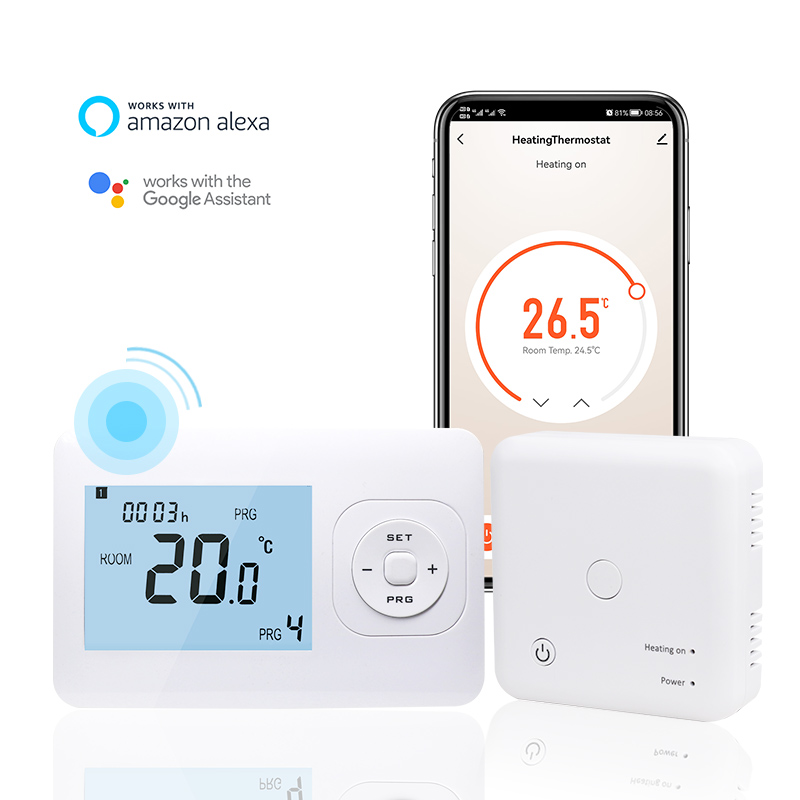
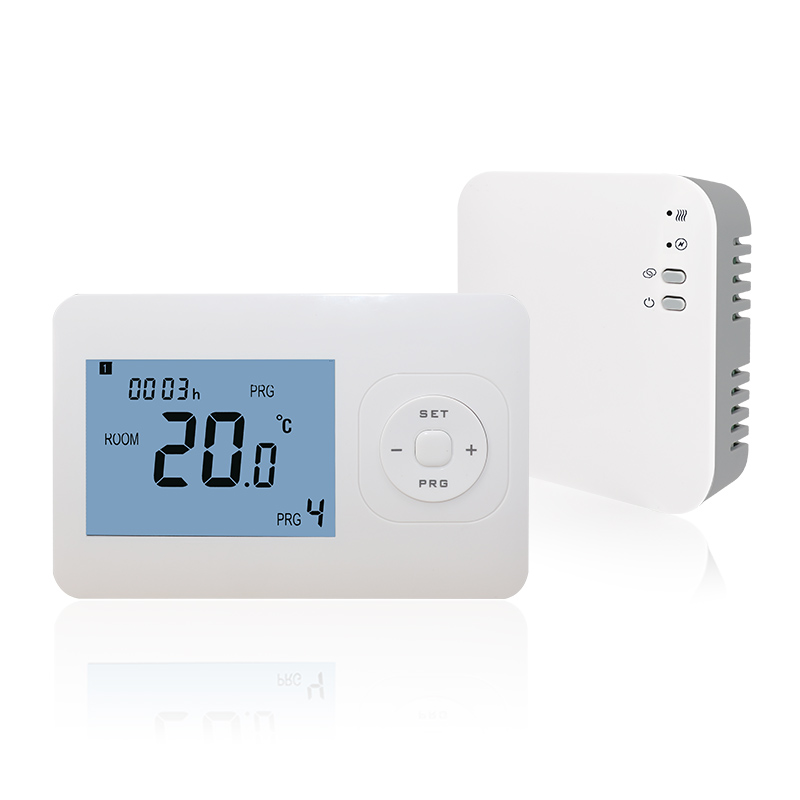
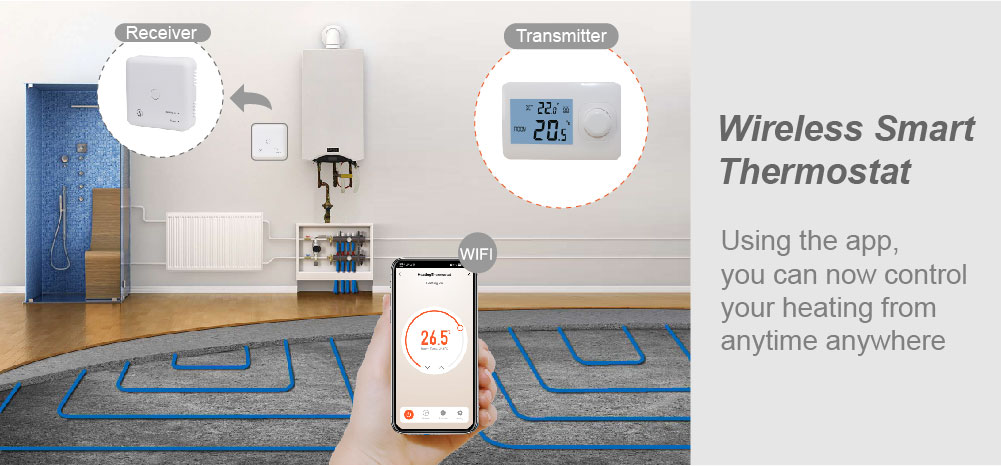
Compared to residential underfloor heating, commercial heating systems often cover various spaces such as office buildings, hotels, shopping malls, clubs, and schools. With more areas and higher usage frequency, the requirements for stability and controllability are also higher. However, what truly makes commercial underfloor heating “more difficult” is not just the number of pipes laid, but the entire control and wiring system behind it. In commercial underfloor heating, a single system often manages a dozen or even dozens of areas, each potentially connecting to multiple thermal actuators, while also coordinating with the boiler and circulation pump. If traditional decentralized wiring methods are still used, the on-site wiring will resemble a “spider web,” not only resulting in long installation times but also being highly prone to errors. Once a wiring problem occurs, the subsequent troubleshooting costs are high, the impact is wide-ranging, and it may even affect the normal operation of the entire venue. Precisely because commercial underfloor heating “cannot afford to have problems,” it actually requires a professional, centralized wiring center to coordinate the entire system, compared to residential systems.
Numerous Areas and Complex Control: Without Centralized Management, Chaos is Easily Aroused
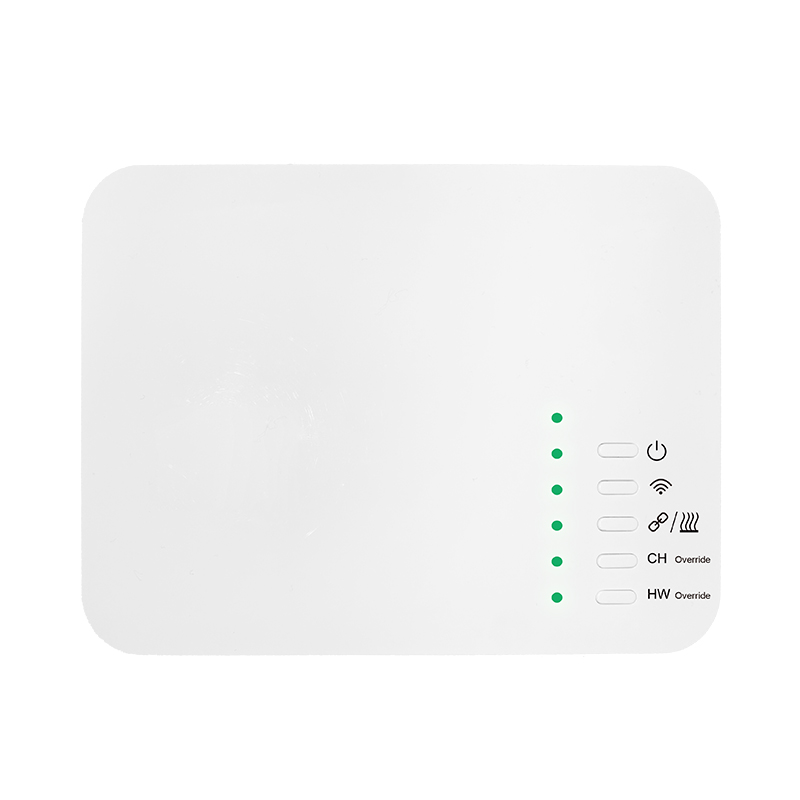
The most obvious characteristic of commercial venues is the presence of multiple zones. Different rooms, floors, and functional areas have completely different temperature requirements. If each area is wired and controlled separately, installation becomes chaotic and management inconvenient. A cabling center acts as a “central control console.” Taking the HR-02 cabling center as an example, it supports dual-zone capacity of 8 or 16 zones, allowing for flexible configuration based on the actual size of the commercial space. All areas are connected to a single center, resulting in clear zoning, more organized installation, and more intuitive adjustments and maintenance later.
Cabling Centers Reduce Installation Time
In commercial projects, time often equals cost. Decoration, equipment installation, and commissioning typically require multiple trades to work simultaneously. If underfloor heating wiring takes too long, it can easily affect the overall schedule. Traditional distributed wiring methods require repeated confirmation of wiring routes and connections, with installers repeatedly threading and checking wires, resulting in low efficiency. Cabling centers, using centralized wiring, only require connecting actuators, boilers, and water pumps at one location, significantly reducing on-site operation steps. This simplified installation process is not only faster but also reduces the error rate.
Reducing the Probability of Wiring Errors Using a Cabling Center
In commercial underfloor heating systems, a single area often has more than one circuit, resulting in a greater number of thermal actuators. Without unified management, it’s easy to encounter issues like “one area controlling the next.” A cabling center provides clearly defined access ports for each area and supports up to five thermal actuators per area, meeting the heating capacity requirements of commercial spaces while ensuring orderly and controllable wiring. Clear boundaries between areas reduce human error, which is crucial for commercial systems.
The Importance of Boiler and Circulation Pump Interlocking
Commercial underfloor heating systems operate for long periods and under high loads, placing stricter requirements on the interlocking of boilers and circulation pumps. Unstable control signals or improper wiring can affect heating efficiency or even increase equipment wear and tear. A cabling center provides dedicated output interfaces for boilers and circulation pumps, with all interlocking mechanisms considered during the design phase. Installers only need to follow interface specifications to ensure coordinated system operation, avoiding frequent start-ups, shutdowns, or malfunctions caused by wiring issues.
Centralized Cabling Facilitates Later Maintenance
Compared to residential spaces, commercial spaces experience more frequent changes in usage patterns. Office layout adjustments, shop repurposing, and changes in business hours can all alter heating demands. If wiring is too dispersed, each adjustment requires extensive wiring checks. A centralized cabling center makes all control relationships clear at a glance. Whether adding areas, adjusting actuators, or checking the functionality of a specific area, everything can be done from one location, significantly reducing maintenance difficulty and minimizing disruption to normal business operations.
Wireless Thermocontroller Support: Better for Commercial Environments
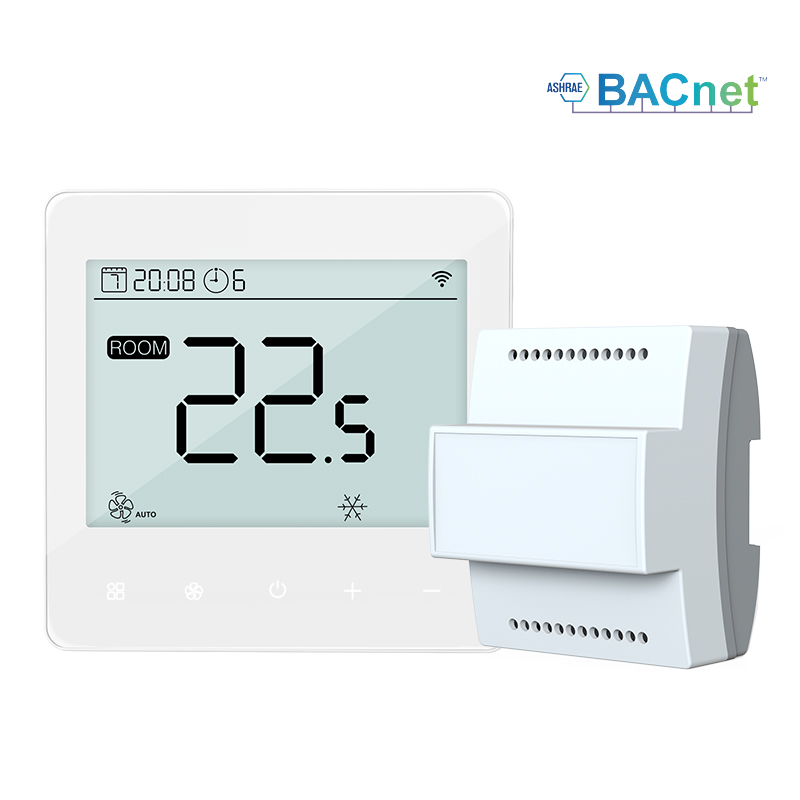
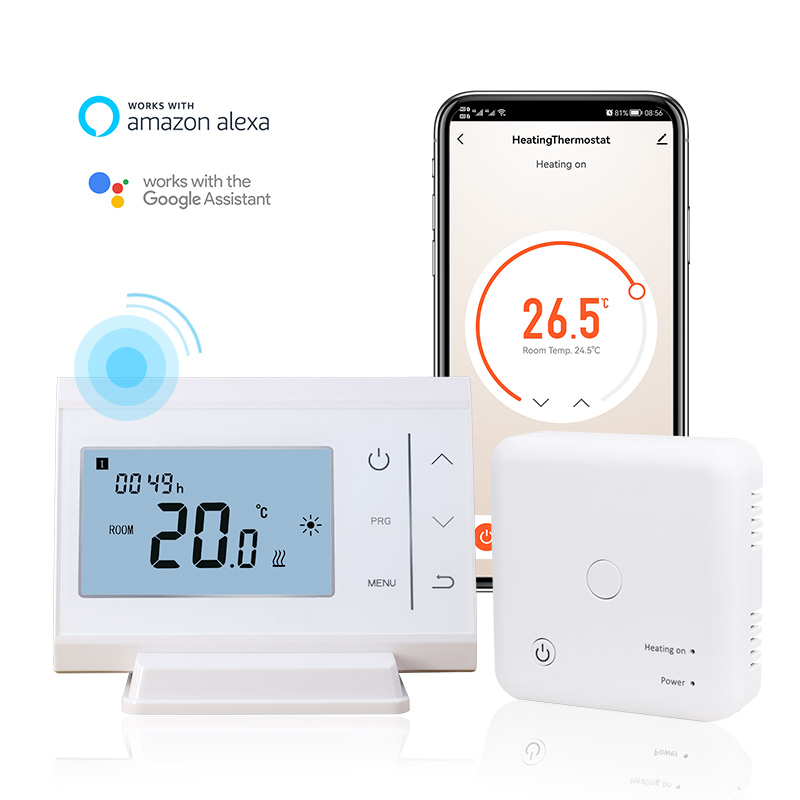
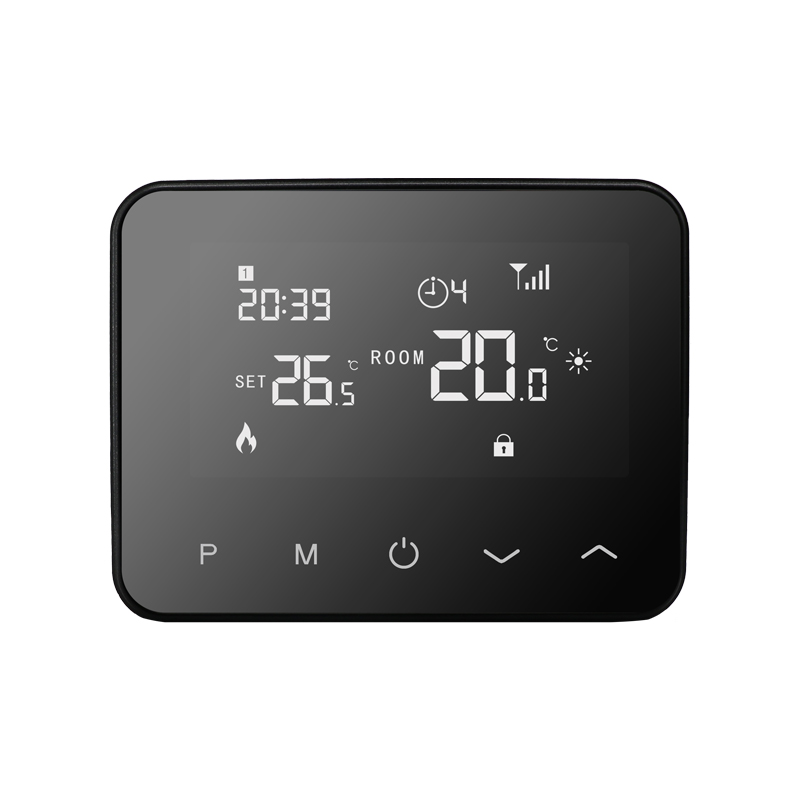
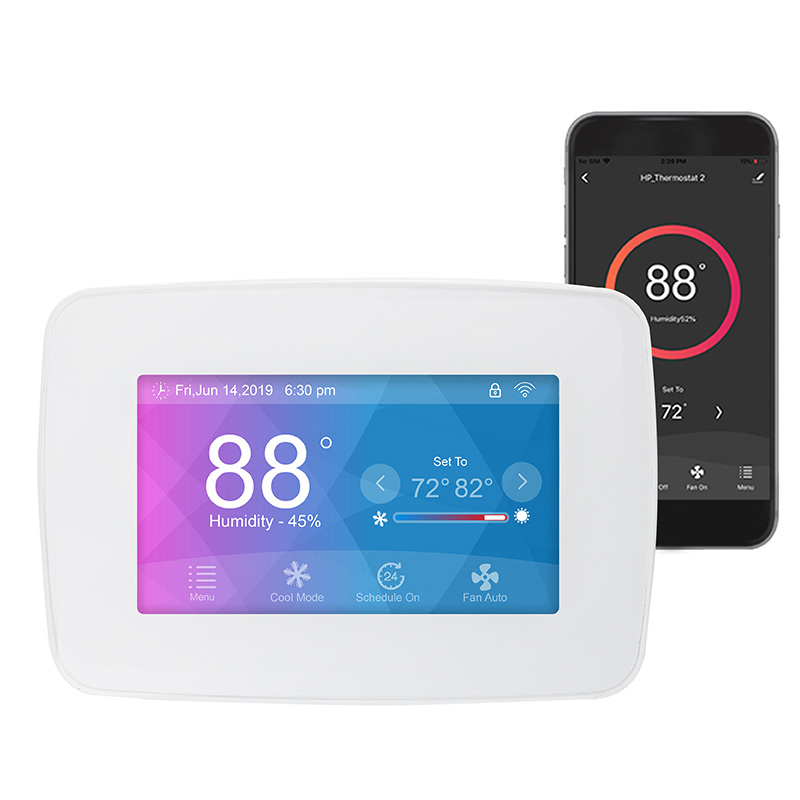
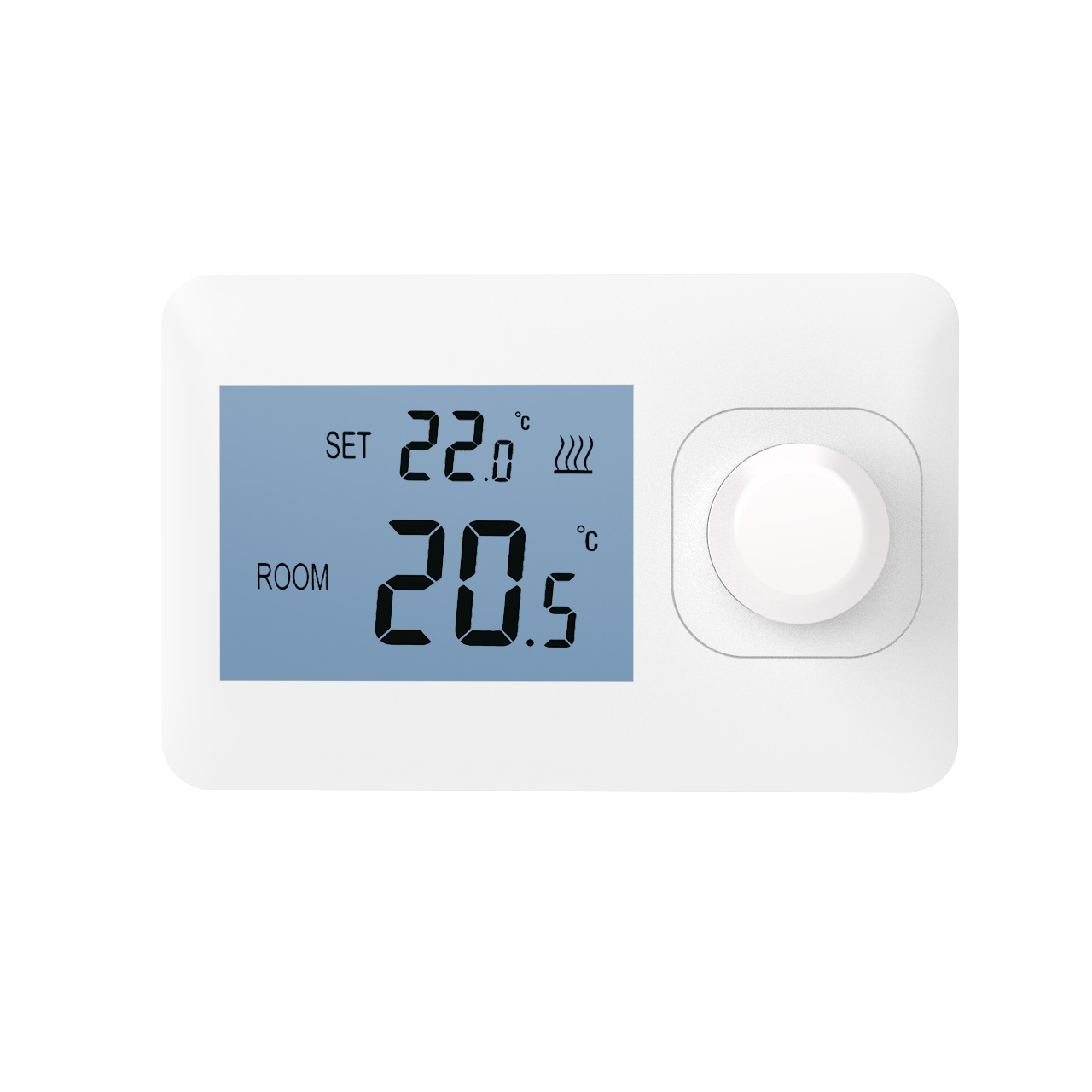
Commercial spaces are often already renovated, making secondary wiring inconvenient. A cabling center supporting wireless thermocontrollers offers a significant advantage in such environments. Wireless signals reduce the amount of control wiring, making installation easier and reducing problems caused by aging wiring or poor connections later on. The HR-02 cabling center is designed specifically for wireless thermocontroller collaboration, ensuring control flexibility while making the overall system simpler and more reliable.
The core requirements for commercial underfloor heating are not just “providing heat,” but long-term stability, ease of management, and low failure rates. As the number of areas increases and the system scales up, traditional distributed wiring methods become increasingly inadequate and more likely to become sources of hidden problems. The value of a cabling center lies in its centralized approach to streamlining complex systems. It simplifies wiring, clarifies zoning, enhances interoperability, and makes installation, commissioning, and maintenance more controllable. Cabling centers like the HR-02, which balance capacity, flexibility, and wireless collaboration, are an indispensable component of commercial underfloor heating systems. For commercial users, choosing a cabling center is not redundant; it lays the foundation for stable system operation, management efficiency, and long-term use from the outset. Truly mature commercial underfloor heating solutions often begin with a reliable cabling center.