
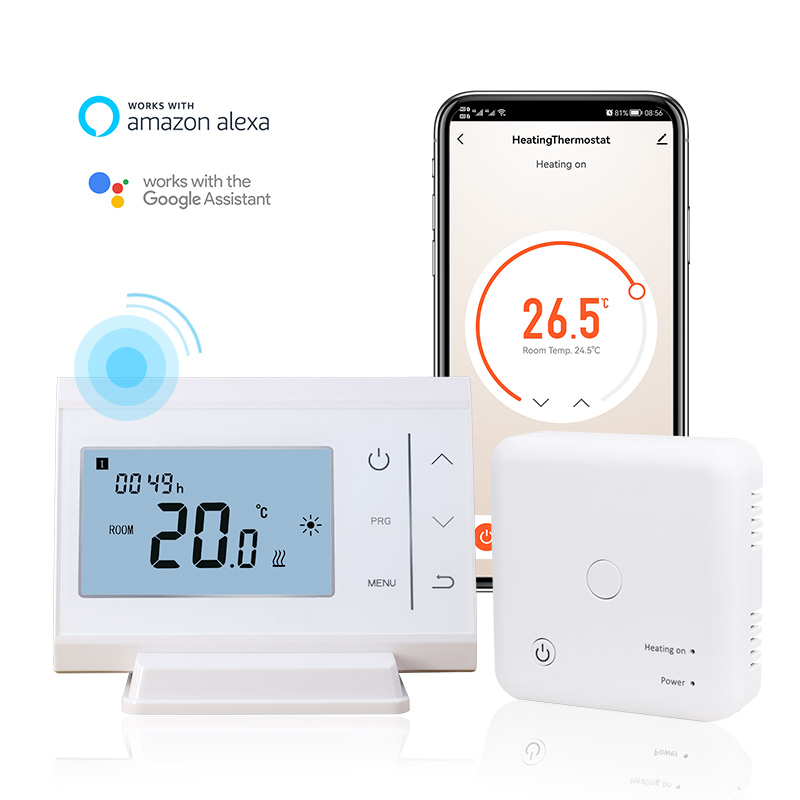
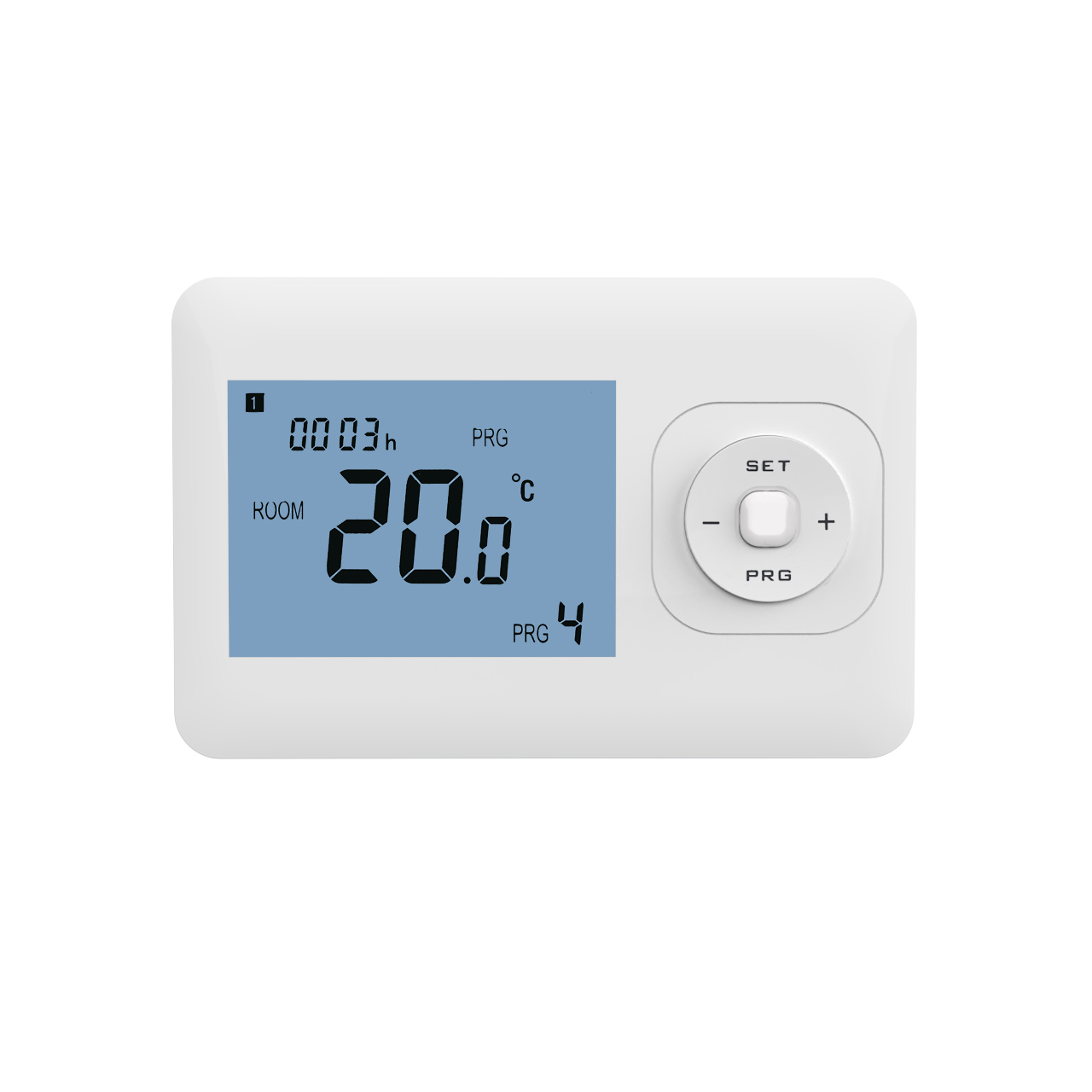
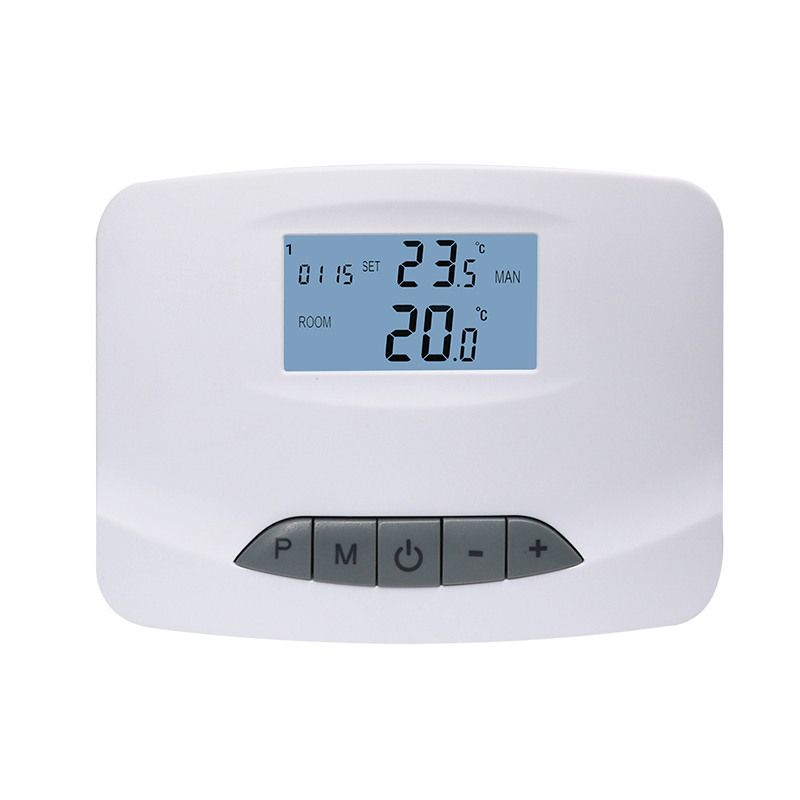
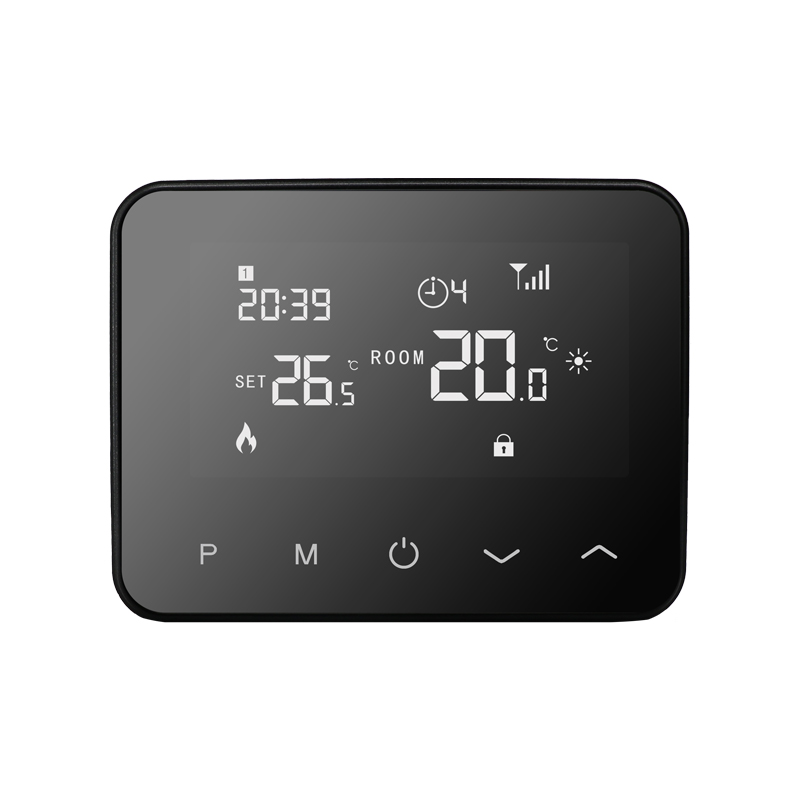
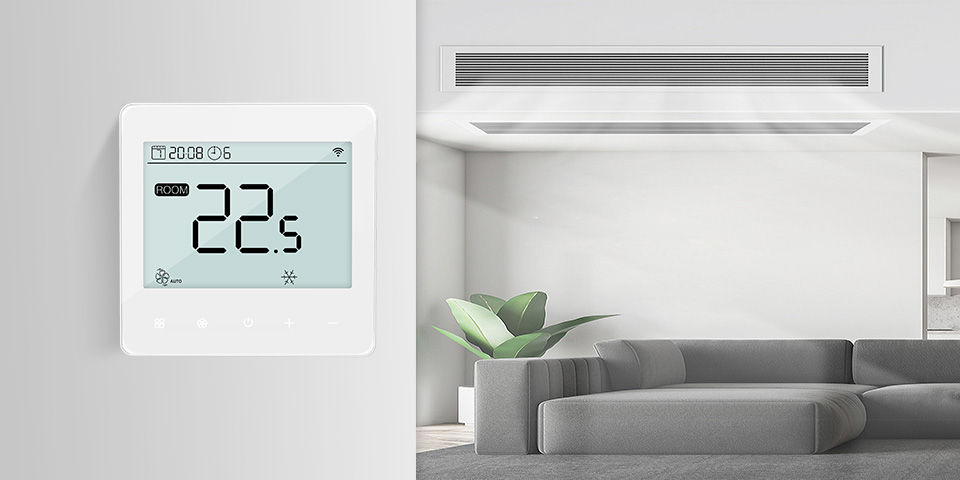
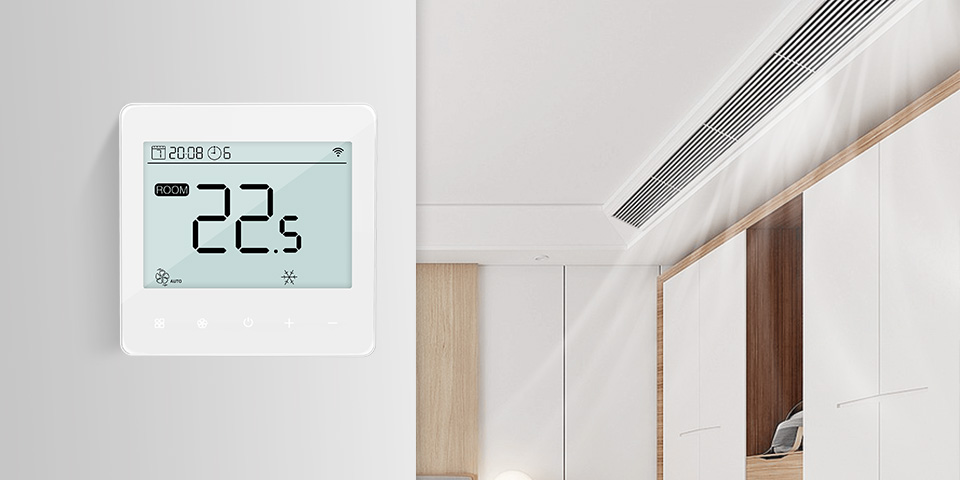
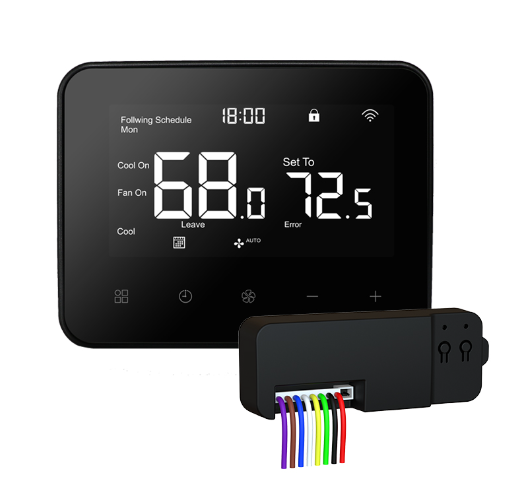
With the widespread application of PTAC (Packaged Terminal Air Conditioner) equipment in hotels, apartments, and commercial buildings, smart PTAC thermostats have gradually become important tools for improving energy efficiency and management efficiency. In actual installation and use, the question of “whether a C-line is needed” has become a key concern for many users and engineers. Compared to traditional mechanical or battery-powered thermostats, smart PTAC thermostats have higher requirements for power supply stability and continuity, and the C-line is crucial to meeting this need.
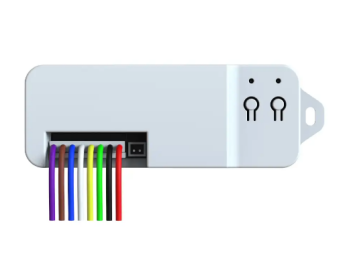
In many older buildings or early PTAC systems, the control circuit design is relatively simple, often only meeting basic cooling and heating control needs, without reserving a continuous power supply circuit. However, with the addition of intelligent functions, such as Wi-Fi connectivity, remote control, data logging, and system linkage, thermostats have transformed from “passive switching” to “continuously online intelligent terminals.” In this context, the C-line is no longer an optional configuration, but a crucial foundation for ensuring the stable operation of smart PTAC thermostats. The following analysis will detail the main reasons why smart PTAC thermostats use a C-line from multiple perspectives.
Stable Power Supply Guarantee
The C-line is essentially a common return line, providing a continuous and stable low-voltage AC power supply to the thermostat. Smart PTAC thermostats contain processing chips, communication modules, and sensors, all of which require uninterrupted power to maintain normal operation. Without a C-line, the thermostat can only draw power intermittently or rely on battery power, which can easily lead to insufficient power supply during periods of significant load variation or frequent network communication. Using a C-line ensures a stable current, fundamentally avoiding issues such as restarts, black screens, or slow response times caused by voltage fluctuations.
Wi-Fi and Networking Support
A core value of smart PTAC thermostats lies in their networking capabilities, including remote control, centralized management, and cloud data synchronization. These functions require the Wi-Fi module to remain online continuously. The Wi-Fi module consumes power continuously during standby and communication; relying solely on batteries or other methods of power theft makes it difficult to maintain a stable connection for extended periods. The addition of a C-line enables the thermostat to be connected to the network around the clock, ensuring users can access and control the air conditioning system anytime, anywhere.
Improved System Response Speed
Without a C-line, the thermostat typically requires only brief power input for specific operations, leading to longer system wake-up times. Users may experience slow button response and delayed command execution. With a C-line, the thermostat is always operational, with the processor and sensors readily available, significantly improving system response speed. This is particularly important for scenarios requiring rapid temperature adjustment, such as hotels and apartments, contributing to a better overall user experience.
Reduced Battery Dependence and Maintenance Costs
Some smart thermostats that don’t use a C-line require frequent battery replacements, especially in high-usage or network-intensive environments where battery consumption accelerates significantly. For property management companies deploying large-scale PTAC systems, regular battery replacements not only increase labor costs but also pose risks of omissions and management difficulties. By using a C-line, the thermostat can be completely battery-free or use the battery only as a backup power source, significantly reducing long-term maintenance costs.
Ensuring Advanced Functionality
Many smart PTAC thermostats possess advanced functions such as energy consumption statistics, occupancy detection, timing strategies, and temperature learning. These functions typically require continuous background program operation and real-time data collection. If the power supply is unstable, the system often automatically shuts down some high-energy-consuming functions to ensure basic operation. Using a C-line allows the thermostat to operate at full load, ensuring all smart functions function as designed.
Improving System Compatibility and Scalability
In practical engineering applications, PTAC control systems using C-lines are easier to integrate with building automation systems or energy management platforms. Stable power supply conditions facilitate protocol communication and system expansion. For future functional modules or software upgrades, C-lines provide necessary power redundancy, avoiding limitations on system upgrade potential due to insufficient power supply.
Reducing Operational Risks and Failure Rates
Unstable power supply is a significant cause of smart device failures. Frequent voltage shortages or momentary power outages can cause long-term damage to electronic components. C-lines, by providing a continuous loop, help reduce electrical stress, lower the probability of wear and tear on internal thermostat components, and thus extend the overall lifespan of the equipment.
In line with mainstream installation and industry trends
Currently, most mainstream intelligent PTAC thermostat products are designed with a C-line as a recommended or mandatory configuration. This is not only a result of technological development but also a reflection of the gradual unification of industry standards. In new construction or renovation projects, reserving and using a C-line has become a common practice to improve system reliability and reduce later problems.
From stable power supply, network support, and improved response speed, to reducing maintenance costs and ensuring the operation of advanced functions, the C-line plays an irreplaceable role in the entire system. For users who pursue long-term stable operation and a complete intelligent experience, using a C-line is not only a technical choice but also a rational decision in practical applications. By properly configuring the C-line, the reliability and value of intelligent PTAC thermostats can be significantly improved, allowing them to truly realize the advantages of intelligent control systems.