
With the rise of intelligent building design and energy management requirements, digital fan coil unit (FCU) thermostats have become increasingly popular in various building projects. From hotels and office buildings to hospitals and schools, digital thermostats are gradually replacing traditional mechanical units, becoming a key tool for improving comfort, energy efficiency, and operational convenience. But why are so many projects opting for digital FCU thermostats? This article explains the reasons from the perspectives of technical advantages, energy savings, and practical applications.
Precise Temperature Control for Enhanced Comfort
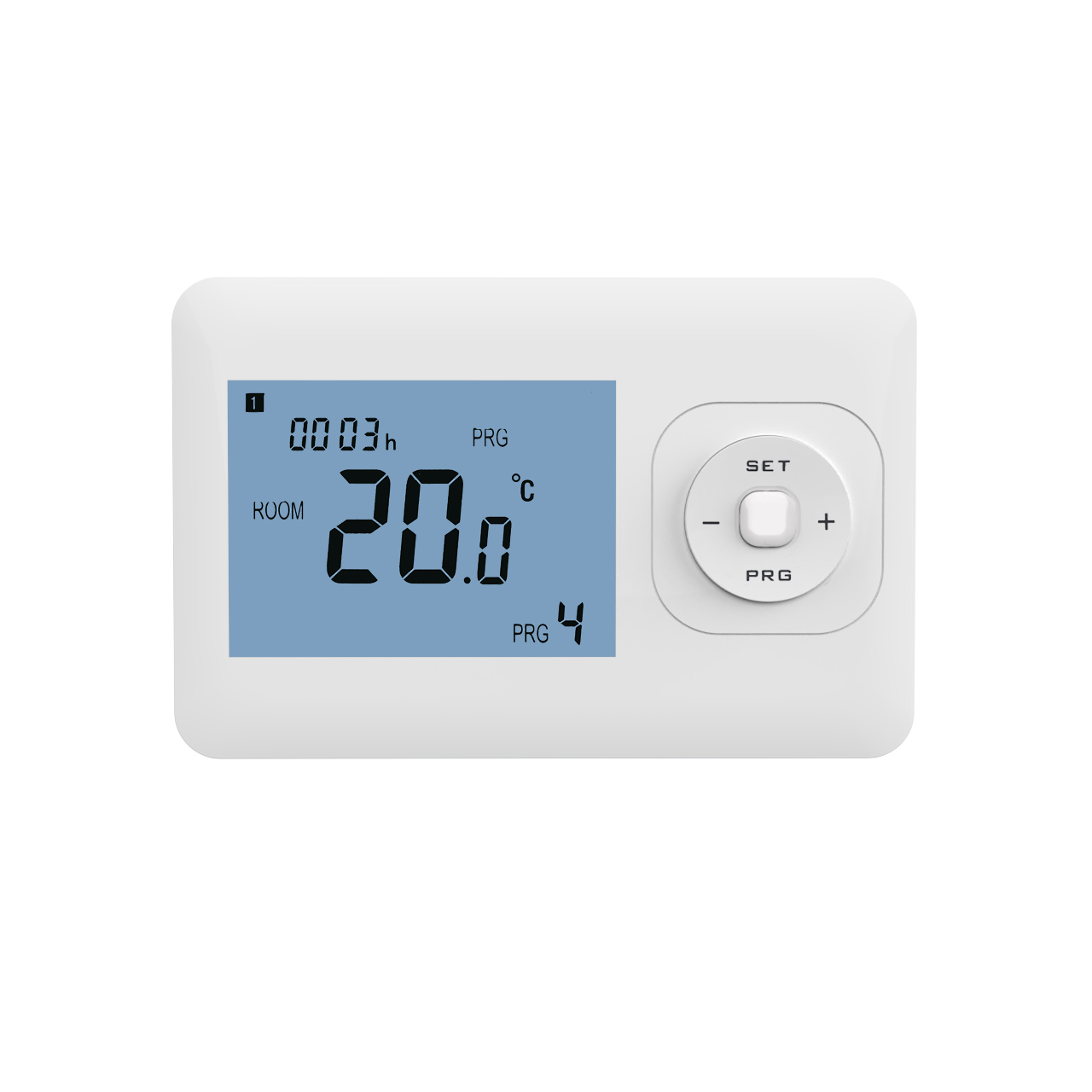
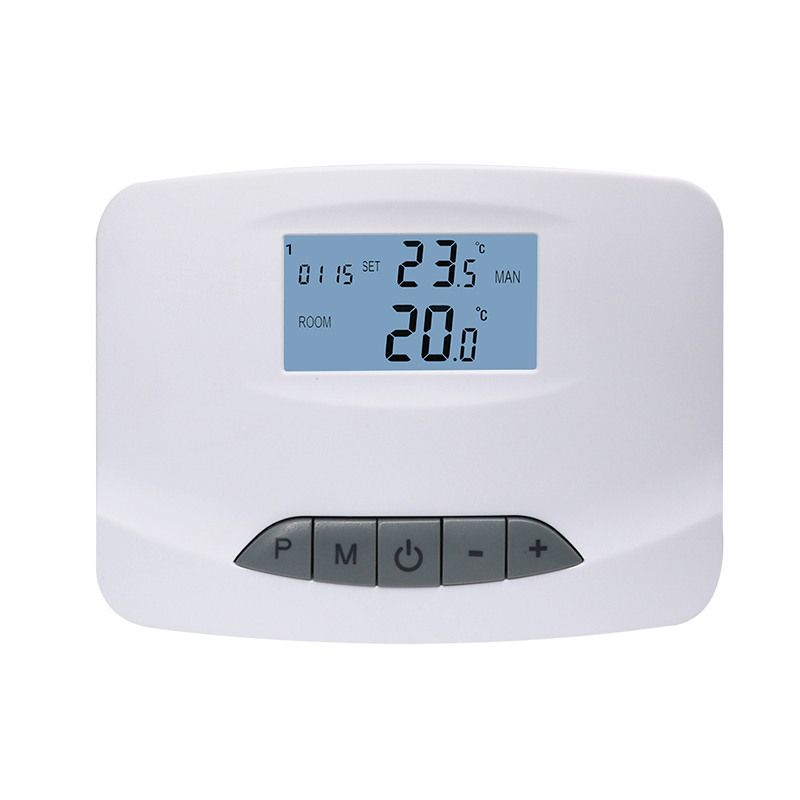
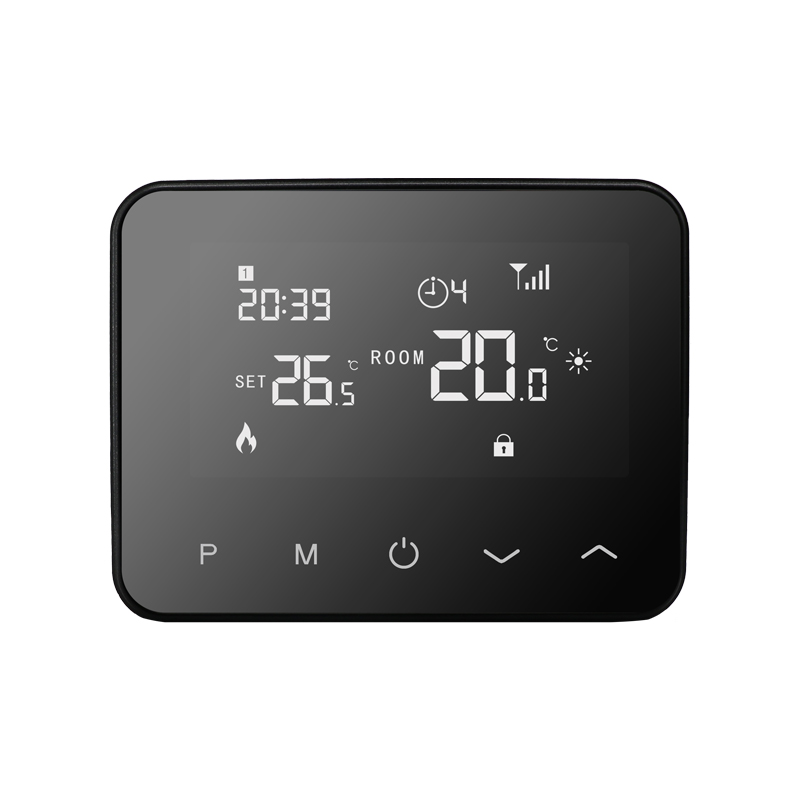
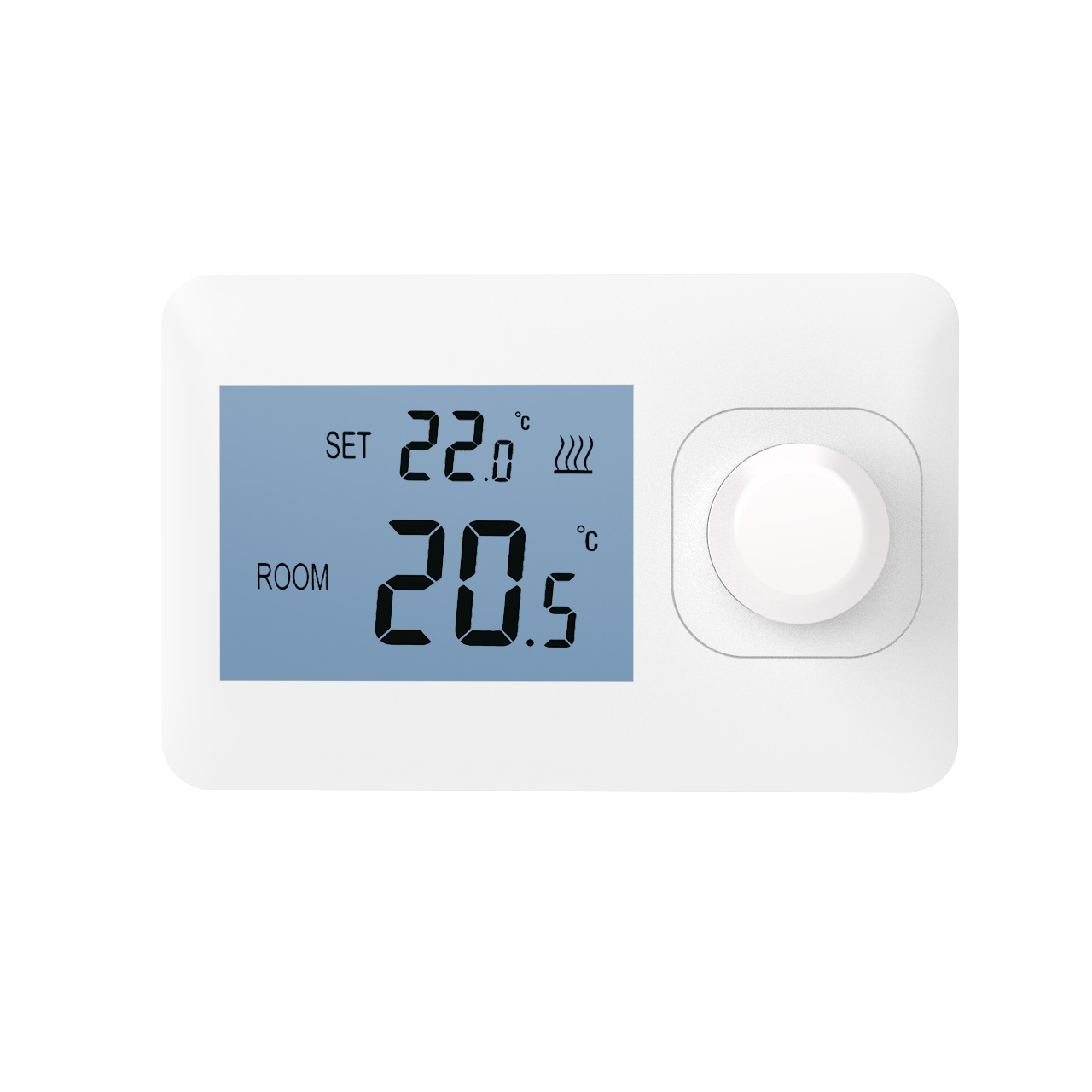
Digital FCU thermostats use microprocessor-based control to accurately adjust fan speeds and valve openings based on set temperatures. Compared to traditional mechanical thermostats, digital models offer smaller temperature deviations and faster response times, meeting the high comfort requirements of modern offices, hotel rooms, and public spaces.
Many digital thermostats also support time-based temperature schedules and multiple modes, ensuring optimal room conditions throughout the day and improving overall user experience.
Significant Energy Savings
Energy efficiency is a key concern in modern buildings. Digital FCU thermostats achieve demand-based heating and cooling, avoiding unnecessary energy consumption. For example:
Automatically adjusting fan speed to prevent continuous full-speed operation.
Controlling valve openings precisely to avoid excessive heating or cooling.
Integrating with building management systems (BMS) for centralized monitoring and optimized operation.
These capabilities help reduce energy consumption, extend equipment lifespan, and improve overall system efficiency.
Easy Integration and Remote Management
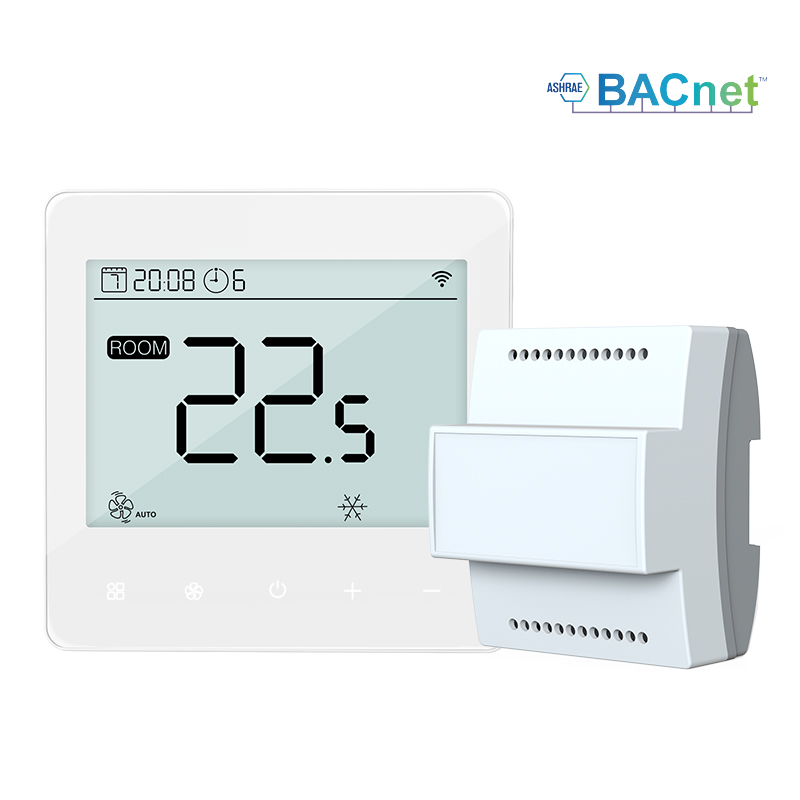
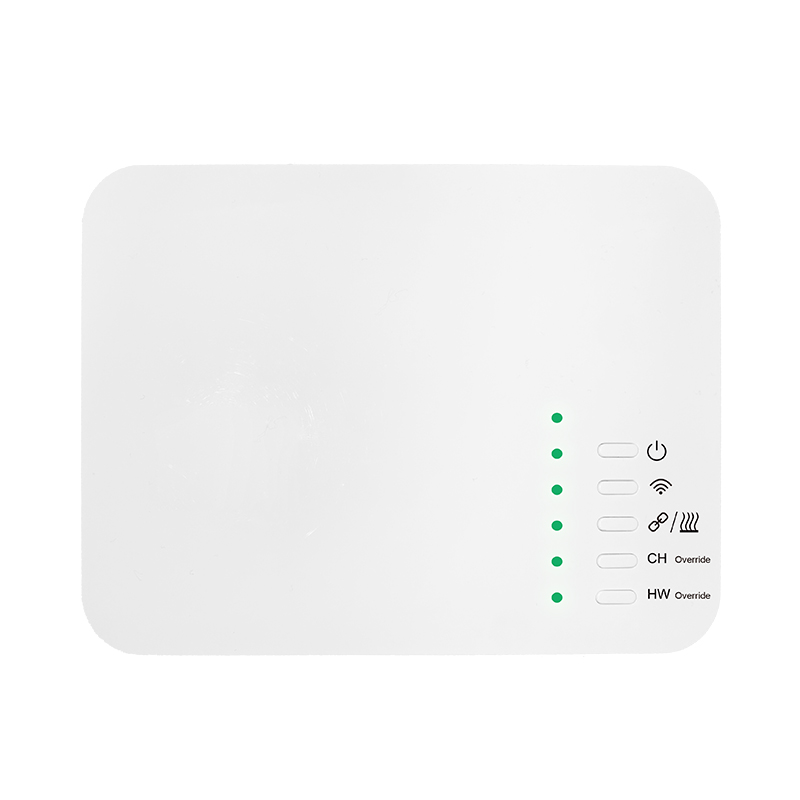
Digital FCU thermostats usually feature communication protocols such as Modbus or BACnet, allowing seamless integration with intelligent building management systems. Facility managers can monitor room or zone temperatures in real time, adjust operational parameters, and improve maintenance efficiency.
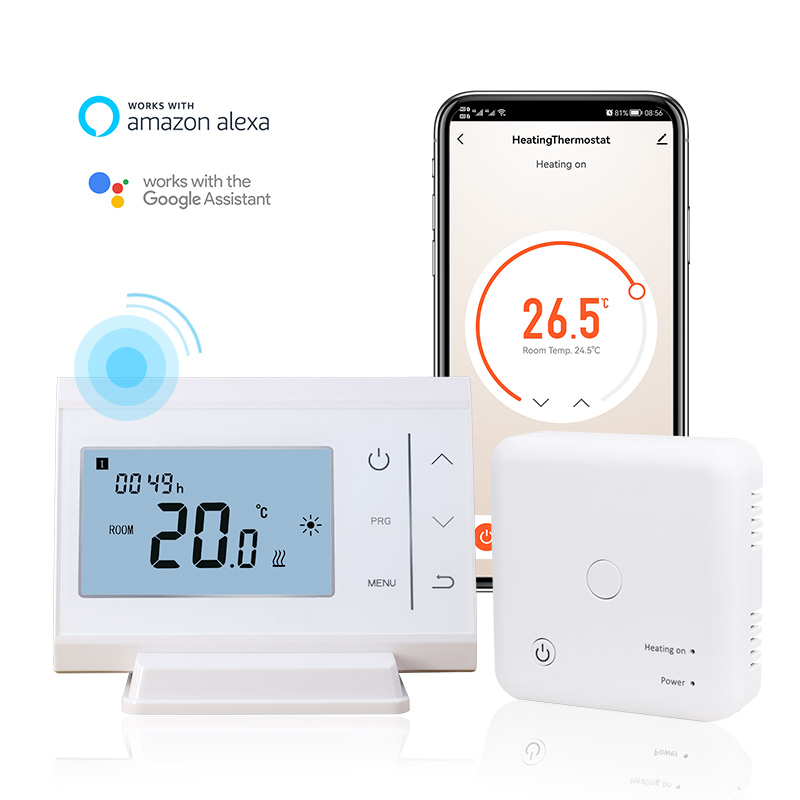
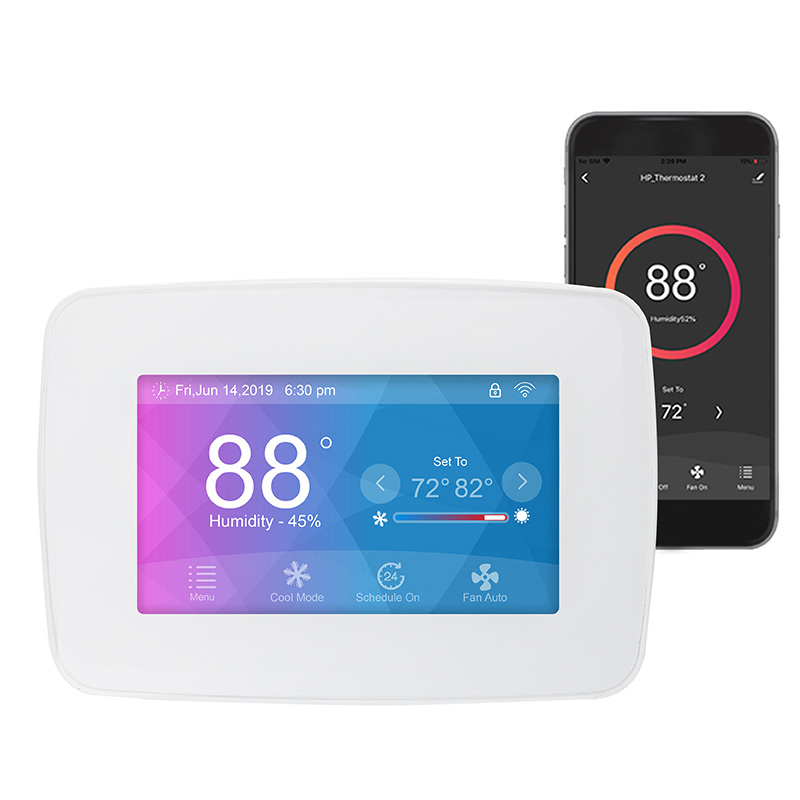
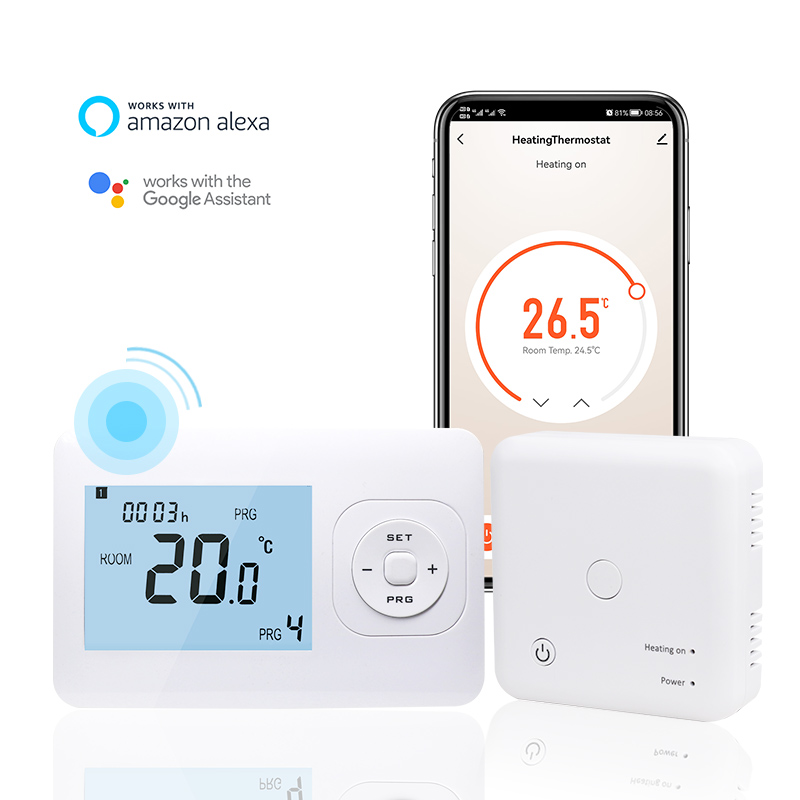
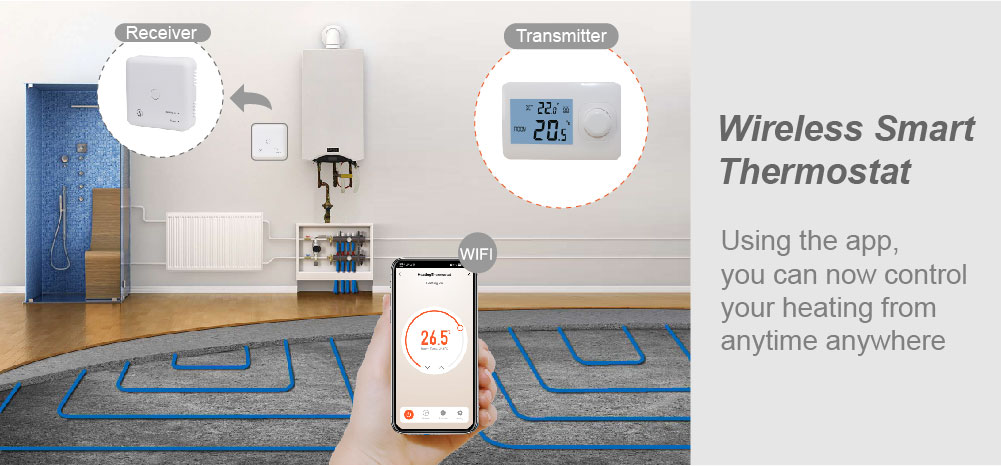
Some digital thermostats even support mobile device control, enabling remote adjustments via smartphones or tablets—ideal for modern offices and hotel projects.
Wide Range of Applications
Digital FCU thermostats are suitable for various building types, including:
Hotels: Precise room temperature control enhances guest comfort and reduces energy costs.
Office Buildings and Commercial Spaces: Centralized management optimizes HVAC energy usage.
Hospitals and Schools: Meet diverse temperature needs while ensuring comfort and safety.
High-End Residences: Improve living comfort and lower operating costs.
Flexible installation options and multifunctional control make digital thermostats suitable for both new constructions and retrofit projects.
Easy Maintenance and High Reliability
Digital thermostats rely on electronic controls, reducing mechanical wear and potential failure points. They typically have longer maintenance intervals and higher reliability. Built-in alerts or data monitoring help detect abnormal conditions early, minimizing downtime and ensuring smooth operation.
Conclusion
With the increasing adoption of smart building technologies and energy-efficient designs, digital FCU thermostats offer precise temperature control, energy efficiency, easy integration, and convenient maintenance, making them the preferred choice for modern building projects. Whether in hotels, offices, or hospitals, digital thermostats improve indoor comfort, optimize energy management, and enhance operational efficiency. For these reasons, more and more projects are choosing digital fan coil unit thermostats as their key HVAC control solution.