
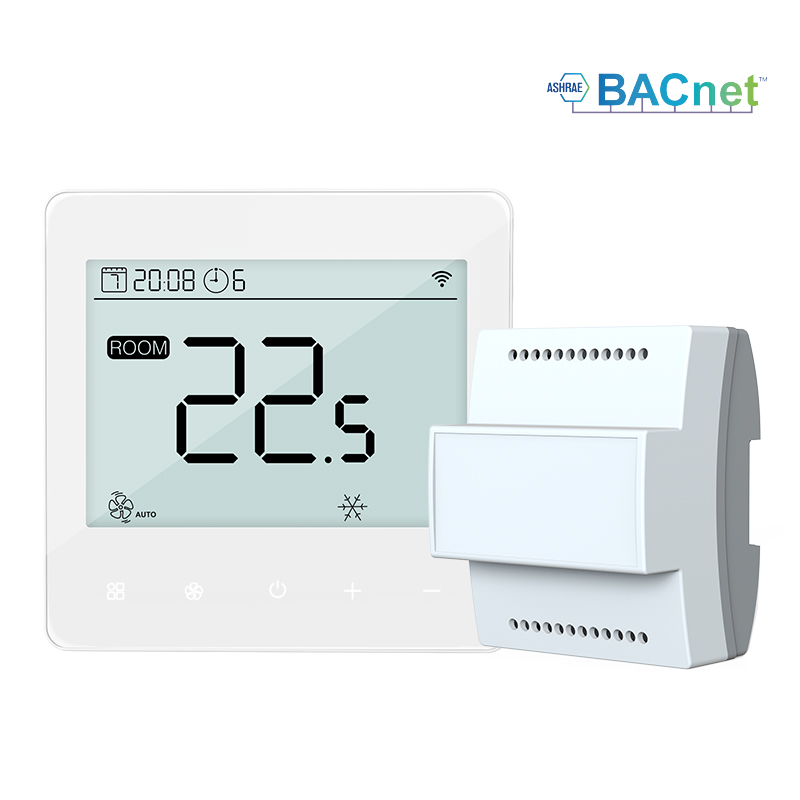
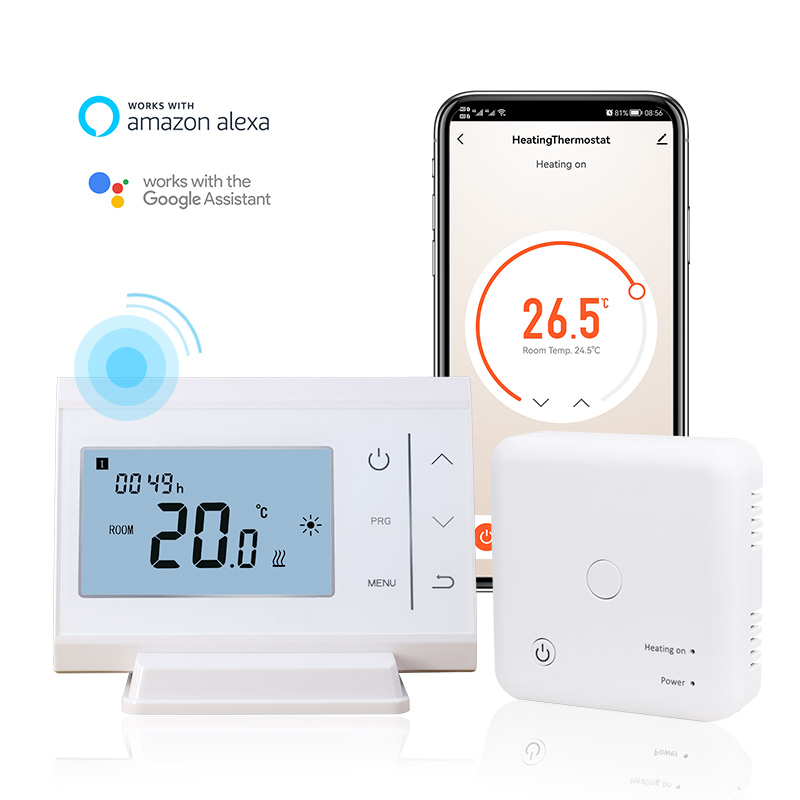
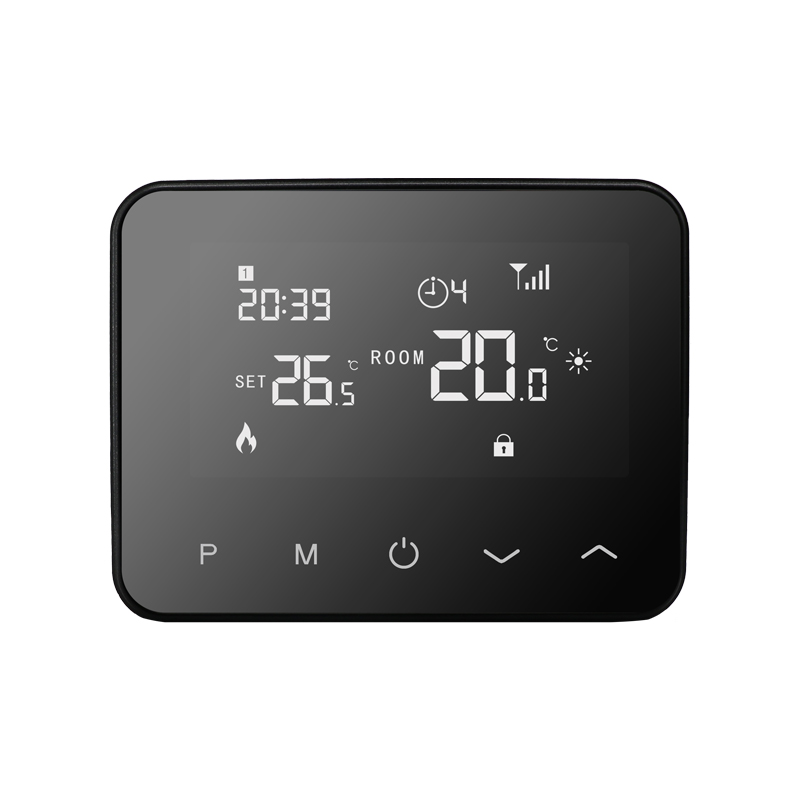
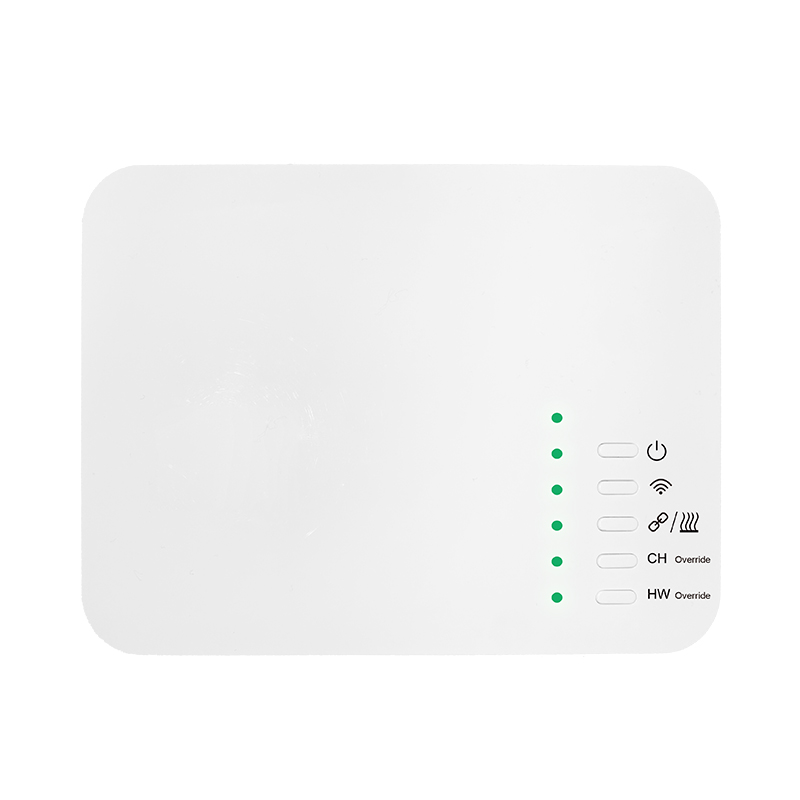
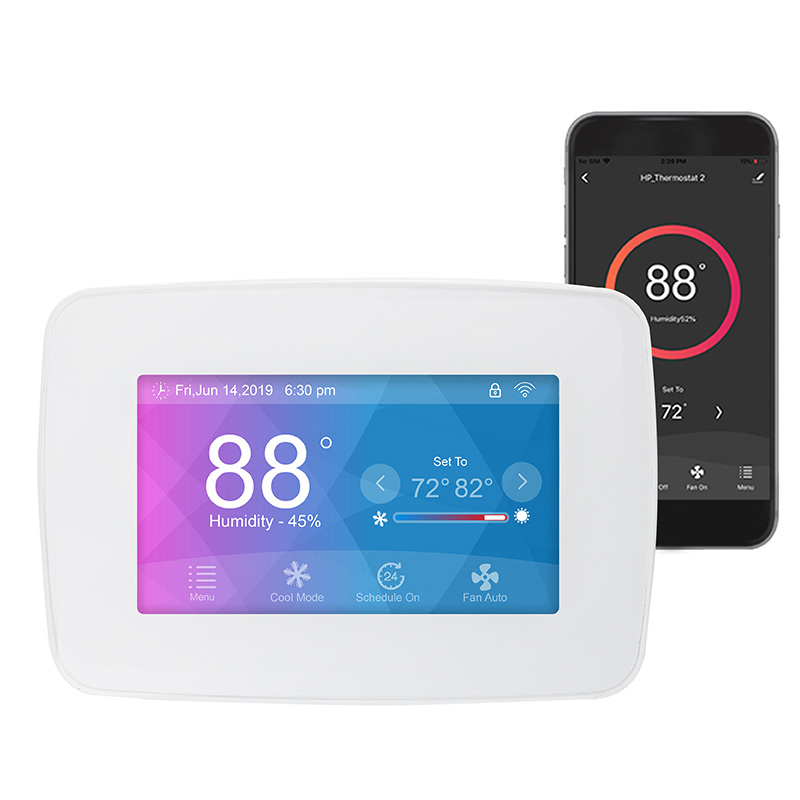
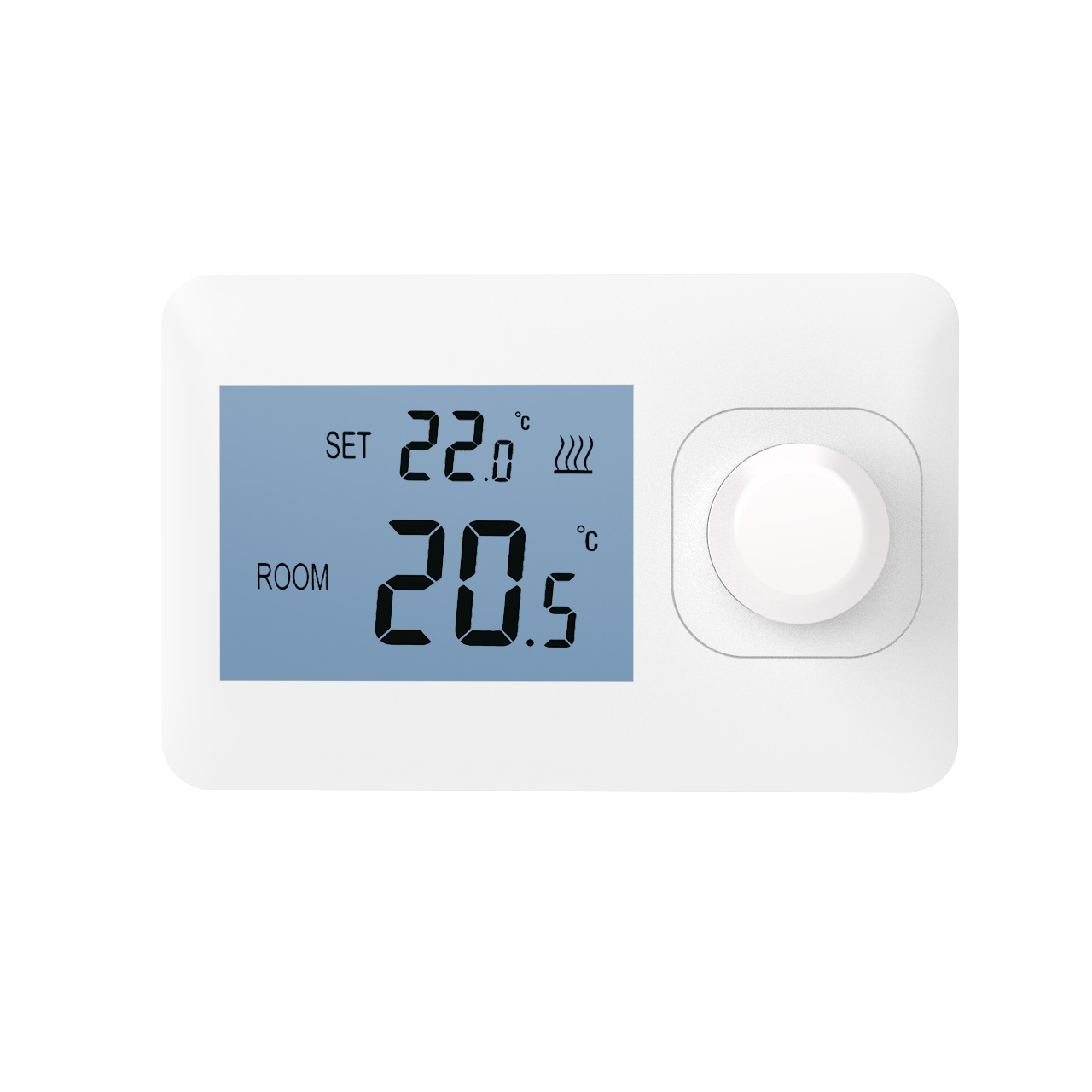
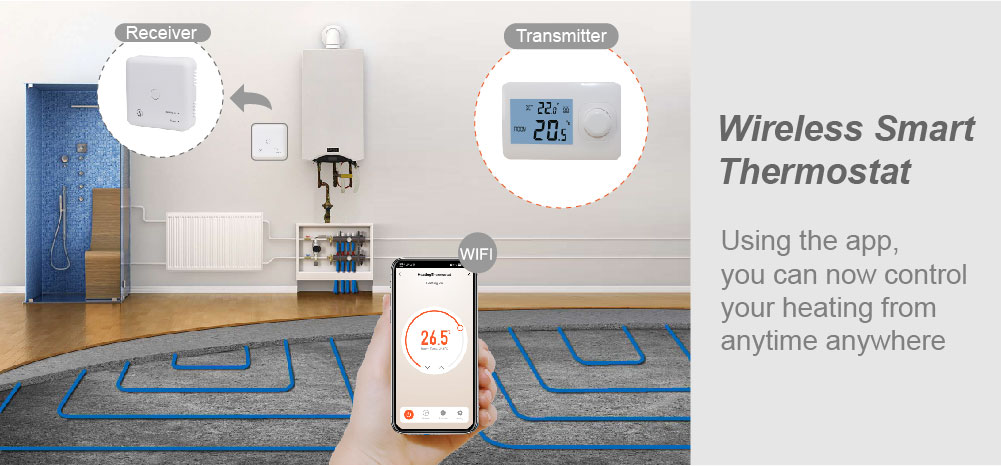
As modern homes and commercial spaces increasingly demand comfortable heating, underfloor heating systems are no longer simply about providing heat; they now focus on energy consumption, efficiency, and operating costs. For users, besides choosing suitable underfloor heating pipes, heat sources, and thermostats, whether the wiring center in the system affects energy consumption has become a common concern. The wiring center is the core control hub of the underfloor heating system, responsible for connecting and managing thermostats, thermal actuators, boilers, and water pumps. A well-designed and fully functional wiring center can not only ensure comfort in each area but also reduce unnecessary energy waste through intelligent regulation. Conversely, if the wiring center is poorly laid out, lacks sufficient functionality, or has inadequate zoning control, it may lead to excessively high boiler water temperatures and redundant heating circuits, indirectly increasing system energy consumption.
The Core Functions of the Wiring Center and its Relationship to Energy Consumption
The core task of the wiring center is to collect demand signals from the thermostats in each room and coordinate the operation of the thermal actuators, boiler, and circulating water pumps. It breaks down the overall heating system into multiple controllable loops, enabling on-demand heating. From an energy consumption perspective, the wiring center can avoid ineffective heating by precisely controlling the opening and closing of each loop. For example, when a room reaches the set temperature, the wiring center will immediately shut off the corresponding loop, thereby reducing boiler output and pump operating time, and lowering overall energy consumption. Without a wiring center or with inadequate zoning control, the entire system may use a uniform water temperature for continuous heating, causing some areas to overheat and resulting in significant energy waste. Therefore, the wiring center’s own energy control and zoning capabilities are crucial factors affecting underfloor heating energy consumption, not just its own power consumption.
How Zoning Control Saves Energy
Modern wiring centers typically support multi-zone management, with each zone independently connected to thermostats and thermal actuators. Through this zoning control, the underfloor heating system can achieve the following energy-saving effects:
On-demand heating: Heating is only provided to areas that require heating, while other areas remain off.
Reduced frequent pump and boiler operation: The wiring center coordinates the needs of each zone, avoiding unnecessary start-ups and shutdowns of the boiler and pumps, reducing energy waste.
Control Loop Length and Heat Distribution: Each loop is adjusted according to room area and heat load to avoid localized overheating or uneven temperature distribution, optimizing heat energy utilization.Zoned control significantly optimizes energy consumption, especially in multi-room, multi-purpose commercial spaces or large residential units.
Cabling Center Coordinates Boiler and Pump Operation
Boilers and pumps are the main energy sources in underfloor heating systems. Through centralized management, the cabling center can intelligently assess the overall system load and optimize the start-up and shutdown logic of boilers and pumps. For example, when all zones reach their set temperatures, the cabling center delays shutdown to avoid energy waste caused by frequent start-ups and shutdowns. When only certain zones have heat demand, the cabling center controls hot water flow to the corresponding loops without increasing the overall system’s supply temperature. This coordinated management allows boilers and pumps to operate at high efficiency and low load, significantly reducing energy consumption and extending equipment lifespan.
Impact of Intelligent and Expandable Functions on Energy Consumption
Many modern cabling centers support Modbus, Opentherm, or wireless networking, enabling more refined temperature control management. Through these intelligent functions: boiler output water temperature can be dynamically adjusted according to real-time demand, rather than operating at a fixed high temperature. Multi-zone temperature control data can be centrally analyzed to achieve predictive adjustments, such as pre-cooling unused rooms to avoid energy waste. Remote monitoring and control functions allow users to manage the system’s operational status externally, further optimizing energy consumption. Therefore, the cabling center is not only a hardware connection hub but also an important tool for energy efficiency optimization.
Indirect Impact of Cabling and Installation Rationality on Energy Consumption
The installation location, cabling method, and construction standards of the cabling center also affect system energy consumption. Rational cabling can reduce line redundancy, lower signal delay and malfunctions, and improve control accuracy, thus allowing for more accurate heat distribution on demand.
Centralized cabling: Reduces cabling paths, lowers electrical signal loss and malfunction rate.
Standardized installation: Ensures rapid response of relays and actuators, avoiding unnecessary heating due to delays.
Protecting the cabling: Preventing system malfunctions caused by damaged wiring or poor contact, indirectly reducing energy waste.
It is evident that even details in the construction process can have a long-term impact on the overall energy consumption of the underfloor heating system.
The impact of the cabling center on underfloor heating energy consumption is mainly reflected in the system control logic and zoning management capabilities, not just its own power consumption. A well-designed, properly installed, and fully functional cabling center can accurately identify the heat demand of each area and control the operation of loops, boilers, and pumps as needed, reducing energy waste at the source. Simultaneously, intelligent functions such as Opentherm, Modbus, or wireless networking can further optimize energy efficiency through dynamic adjustment and remote monitoring. Furthermore, the rationality of the cabling center’s installation and the standardization of cabling also affect control accuracy and execution efficiency, indirectly impacting energy consumption performance. Therefore, selecting a high-performance, multi-zone management, and intelligent cabling center, and installing it scientifically, is key to achieving energy-efficient operation of the underfloor heating system. Correct use of the cabling center not only improves comfort but also significantly reduces heating costs in the long term, achieving a balance between energy saving and comfort.