
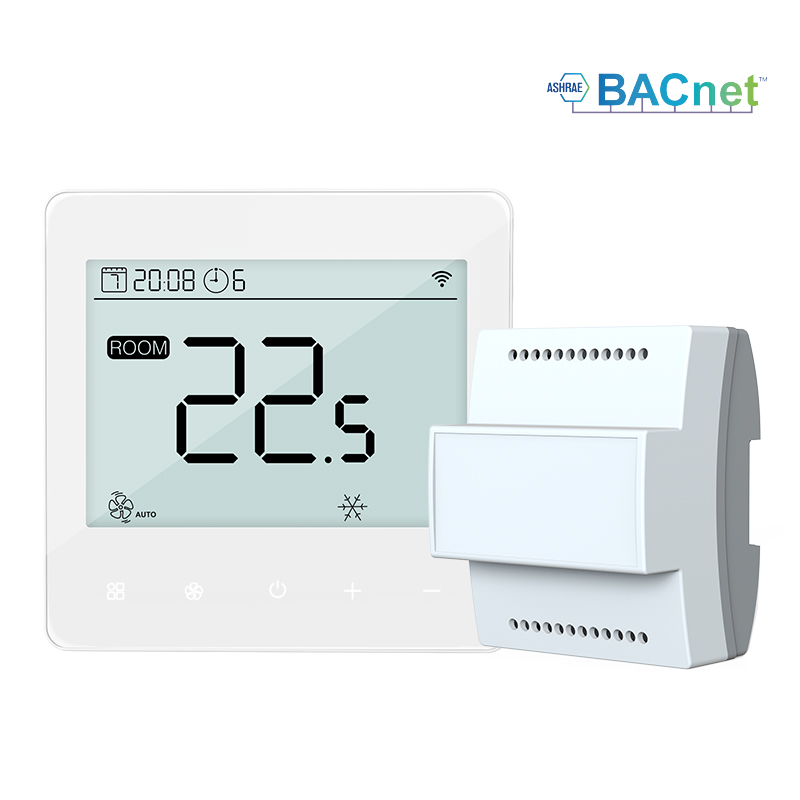
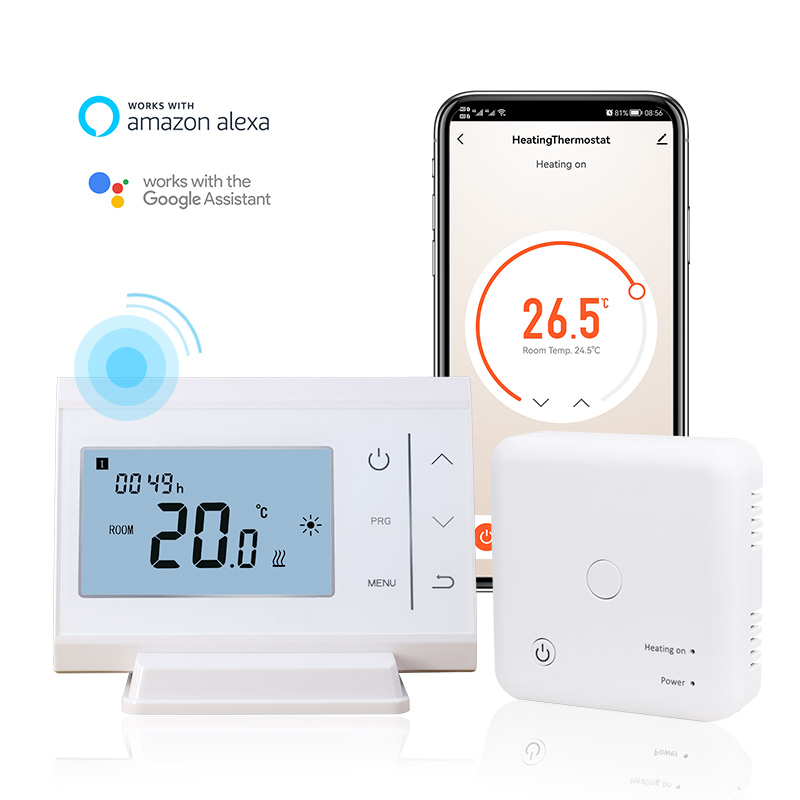
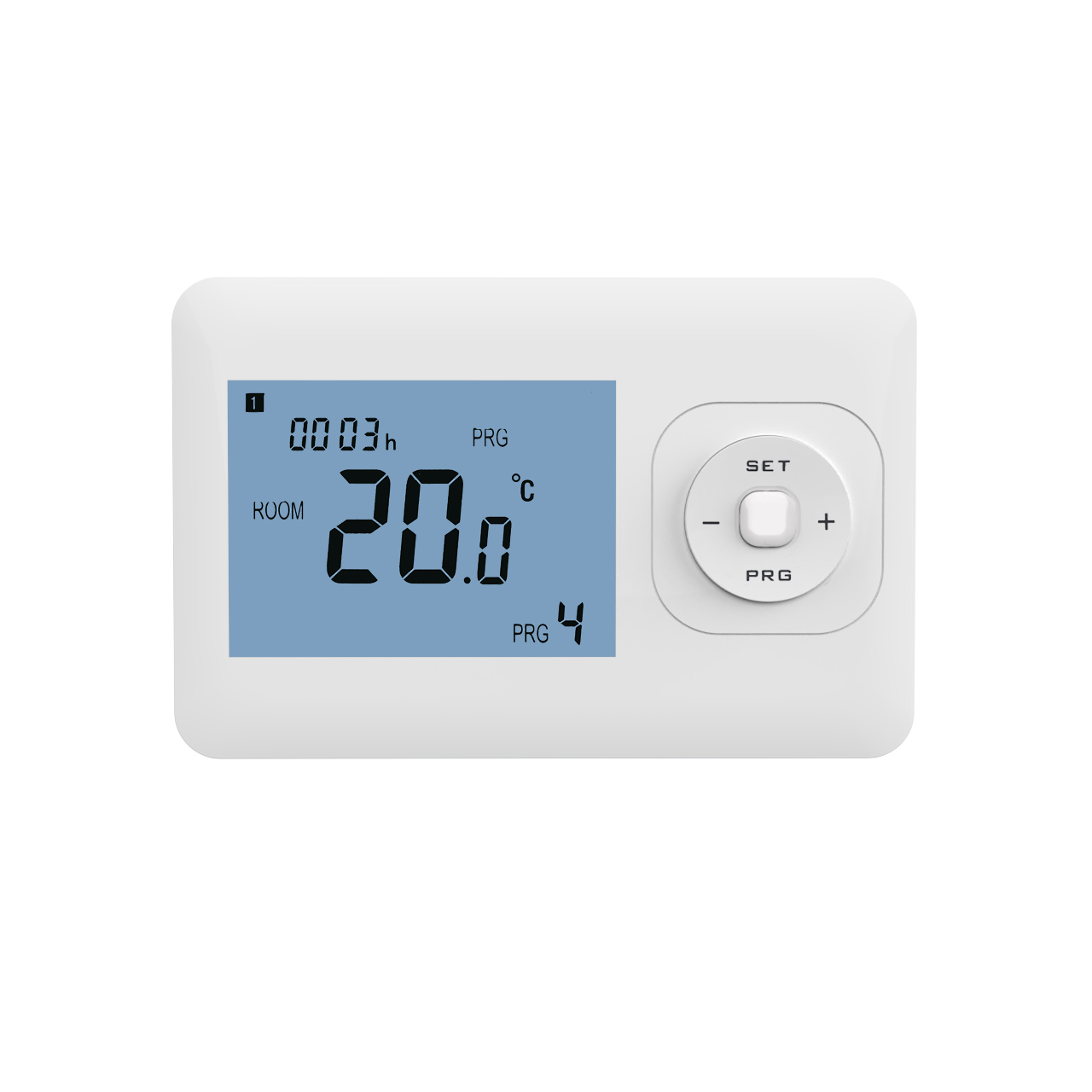
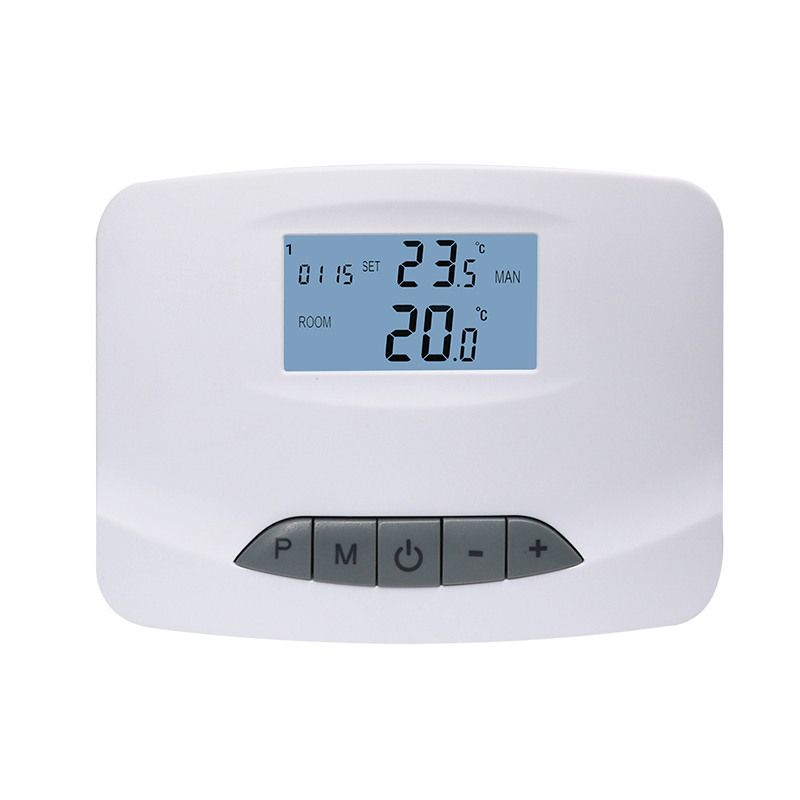
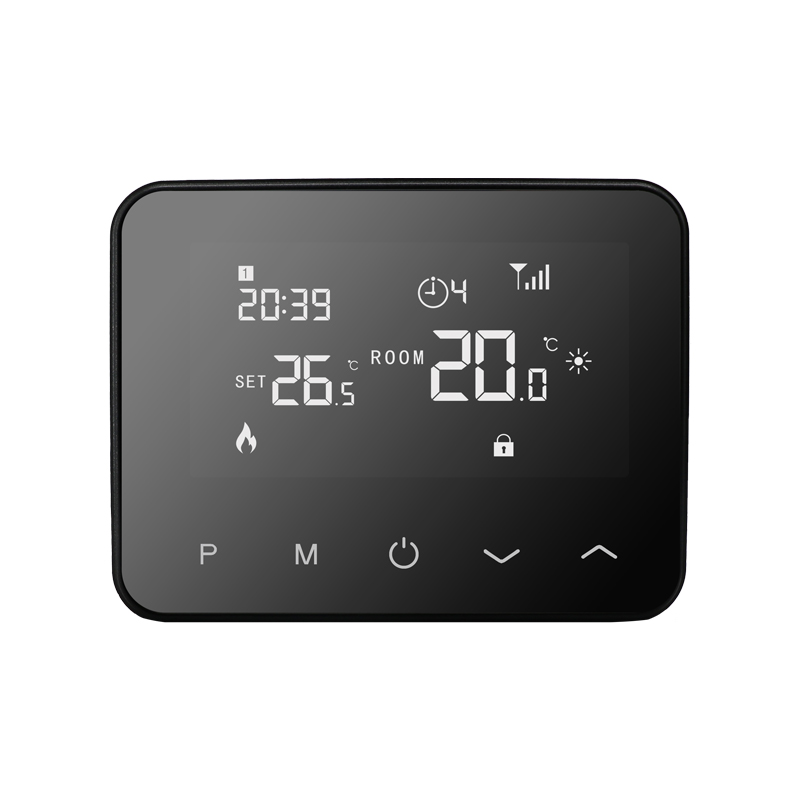
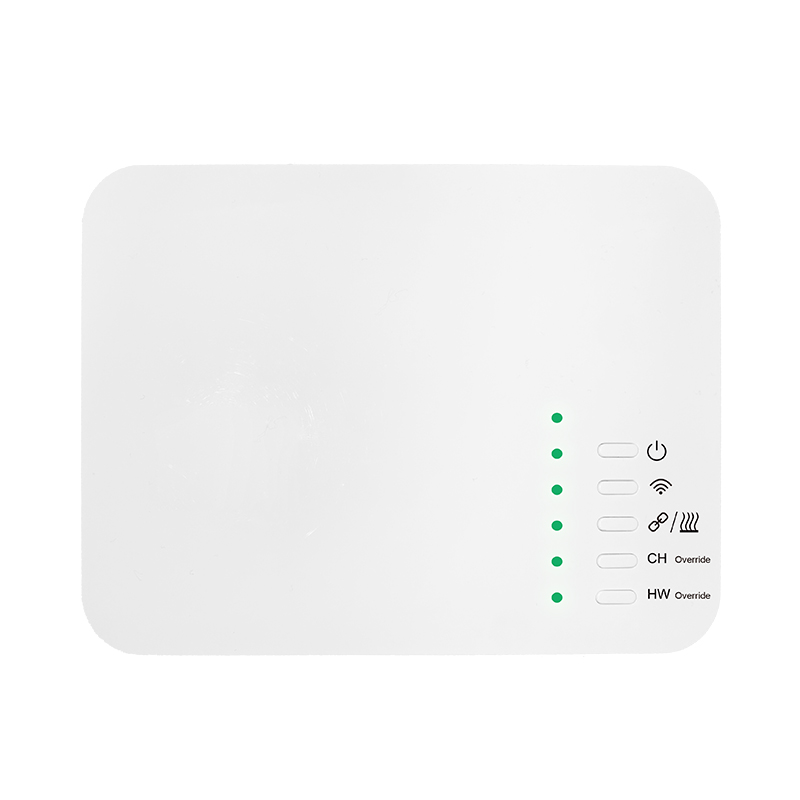
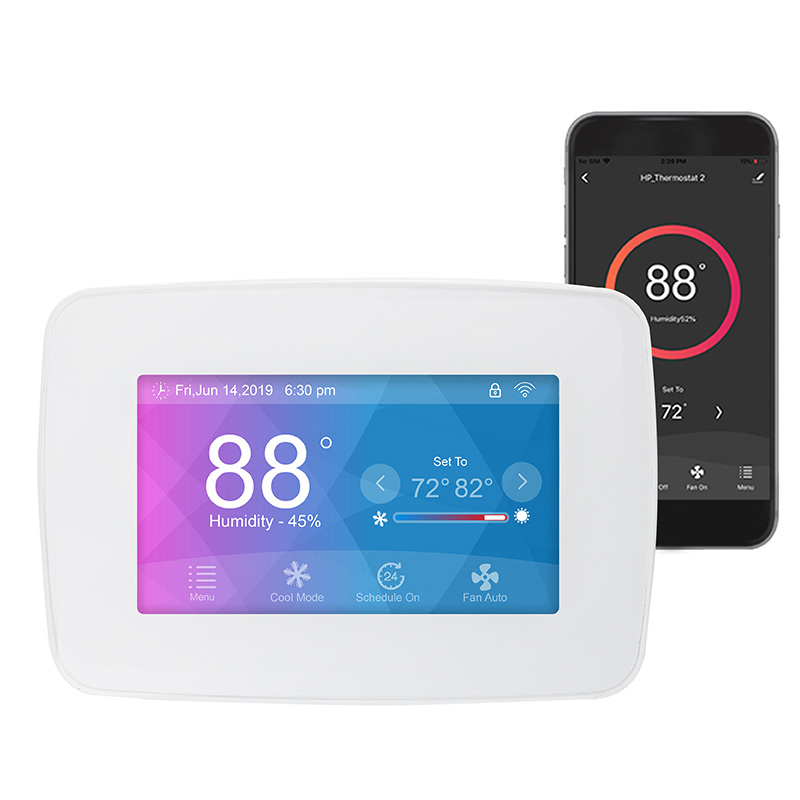
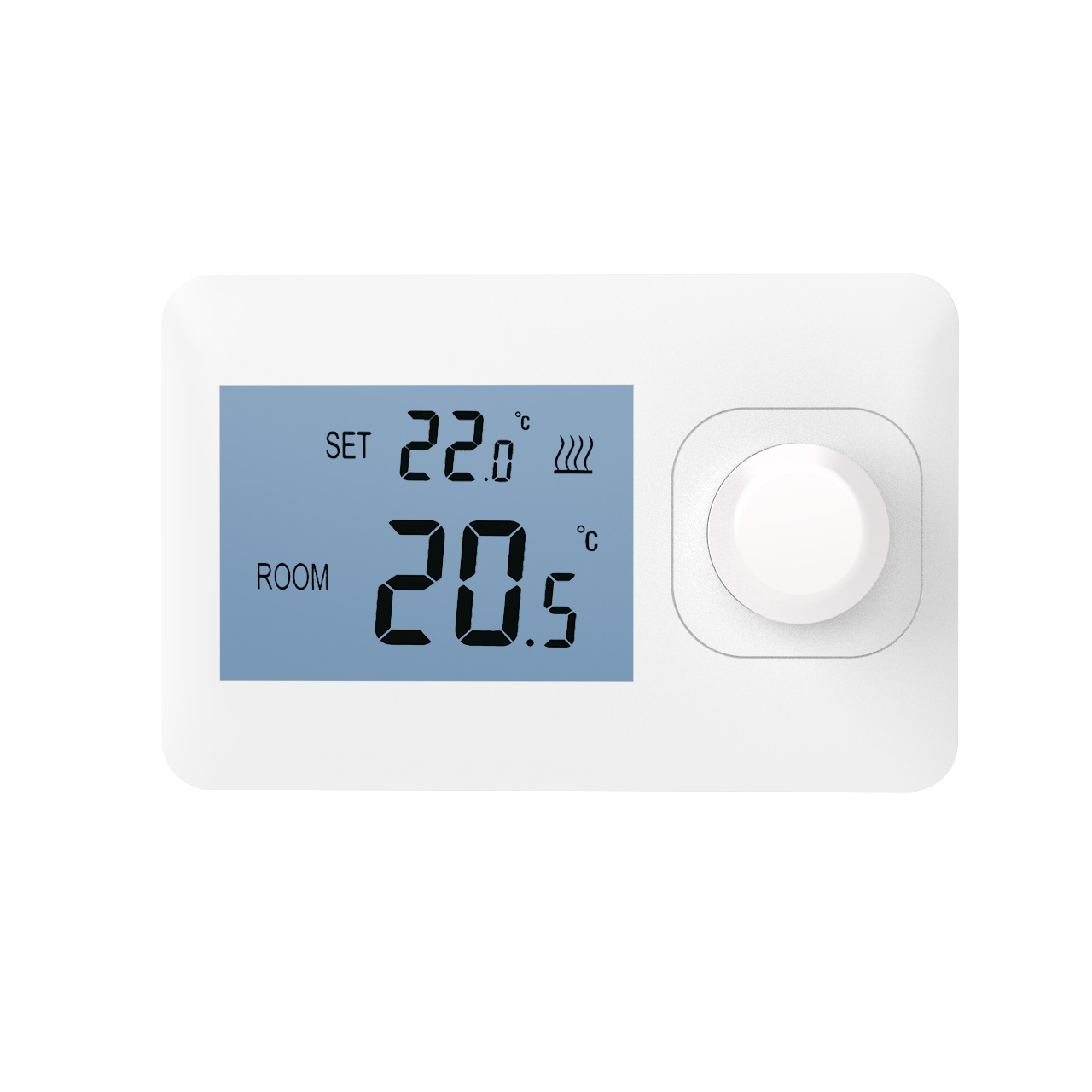
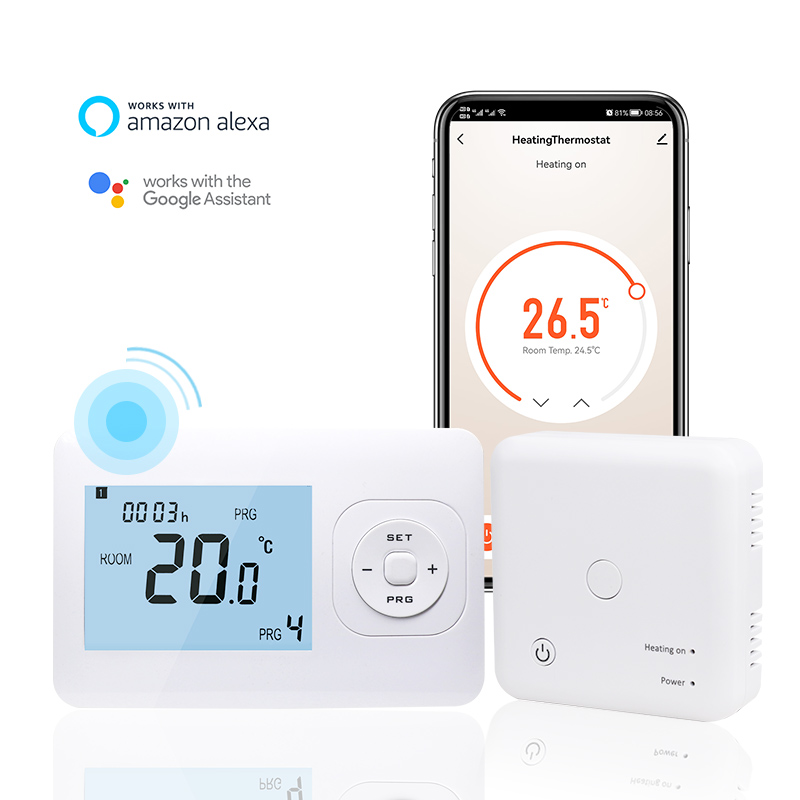
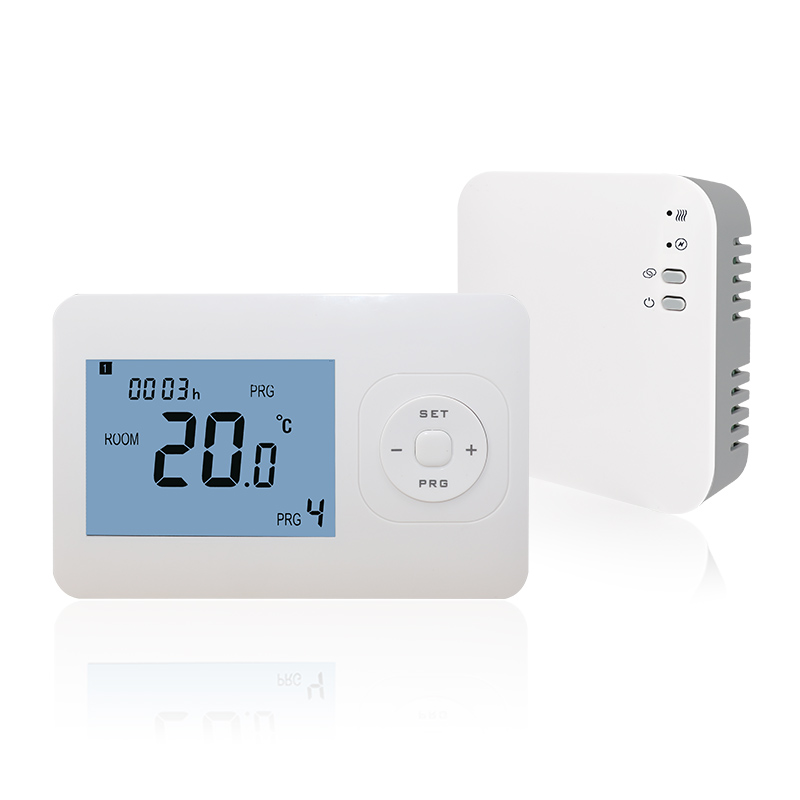
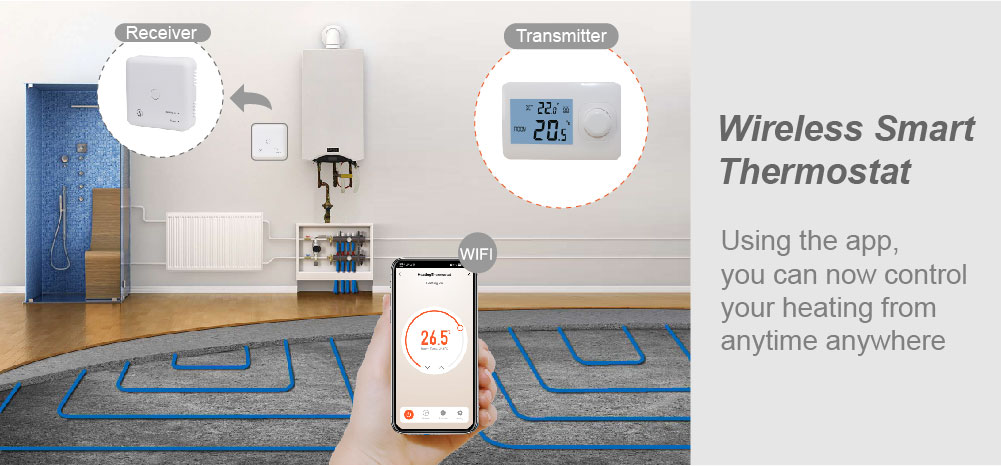
As the core component for temperature control in modern residential and industrial systems, thermostats are widely used in air conditioners, underfloor heating, water heaters, refrigerators, and similar applications. Their primary function involves detecting ambient temperature and automatically adjusting device operation to maintain stable temperatures within preset ranges. However, the wiring method of thermostats directly impacts both safety and operational efficiency. Incorrect wiring may lead to equipment malfunctions, increased energy consumption, or even fire hazards. Therefore, mastering proper wiring techniques is essential for both users and installation personnel.While wiring a thermostat may seem straightforward, it requires careful attention to several key details. First, different thermostat models feature distinct port designs, so always refer to the manual to identify each interface’s function—such as power input, load output, and sensor connections. Second, always disconnect the device’s power supply before wiring to prevent electric shock risks, and use certified wires with current-carrying capacity matching the device’s power rating. Most importantly, correctly distinguishing between live wire, neutral wire, and ground wire is critical, as incorrect connections may cause short circuits or equipment damage. With the growing popularity of smart home appliances, thermostats now come in various types, including mechanical, electronic, programmable, and WiFi-enabled models. While their wiring principles differ, all thermostats share the same core principles: safety, accuracy, and reliability.
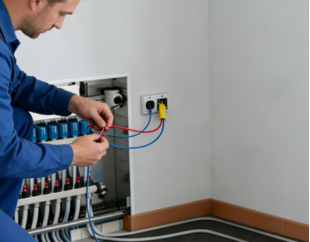
Preparations before wiring the thermostat
Thorough preparation is required before wiring: First, turn off the main power supply and use a voltage tester to confirm the device is de-energized. Second, prepare tools such as screwdrivers, wire cutters, and insulating tape. Finally, carefully read the thermostat manual to understand the interface definitions and wiring requirements. The selected wires must match the device’s power demand to prevent overheating due to overload.
Wiring Method of Different Types of Temperature Controller
Mechanical thermostats typically use a two-wire system, directly connecting the power source and load. While simple in structure, they offer limited functionality. Electronic thermostats generally employ a three-wire system, requiring separate connections for power, load, and sensor interfaces, with some models supporting multi-stage control. Smart thermostats involve more complex wiring, including communication lines and sensor signal lines. Users must strictly follow the manual to avoid incorrect connections that could cause equipment malfunctions.
Precautions for wiring of temperature controller
When wiring, note the following: The live wire must be connected to the designated terminal block to prevent mixing with the neutral wire. Exposed wire sections should be wrapped with insulating tape to avoid short circuits. Terminal blocks must be securely tightened to prevent poor contact-induced overheating. The sensor probe should be positioned at the detection location to ensure accurate temperature measurement. After completing the wiring, conduct a thorough inspection to confirm all connections are correct before powering on for testing.
Thermostat wiring is a critical component of equipment installation, directly impacting operational safety and performance. Proper wiring must adhere to the principle of “safety first, precision and standardization,” with meticulous attention to every step—from pre-wiring preparation and detailed execution to post-wiring inspection. Users or installers should select appropriate wiring methods based on thermostat type to prevent equipment malfunctions or safety hazards caused by improper operation. Regular inspections are essential to identify issues like wire aging or loose terminals, ensuring long-term stable operation. Mastering thermostat wiring not only enhances equipment efficiency but also safeguards both residential and industrial environments. Through systematic training, users can independently handle basic wiring tasks or complete complex operations under professional guidance. Regardless of thermostat type, standardized procedures remain the cornerstone of ensuring safety and optimal performance.