With the rise of smart homes, plug-in thermostats have become an essential tool for both energy savings and home comfort. They not only provide precise temperature control but also help reduce electricity consumption through proper settings. This article explains how to optimize energy use with plug-in thermostats, covering temperature control principles, smart setting strategies, energy-saving tips, and usage precautions.
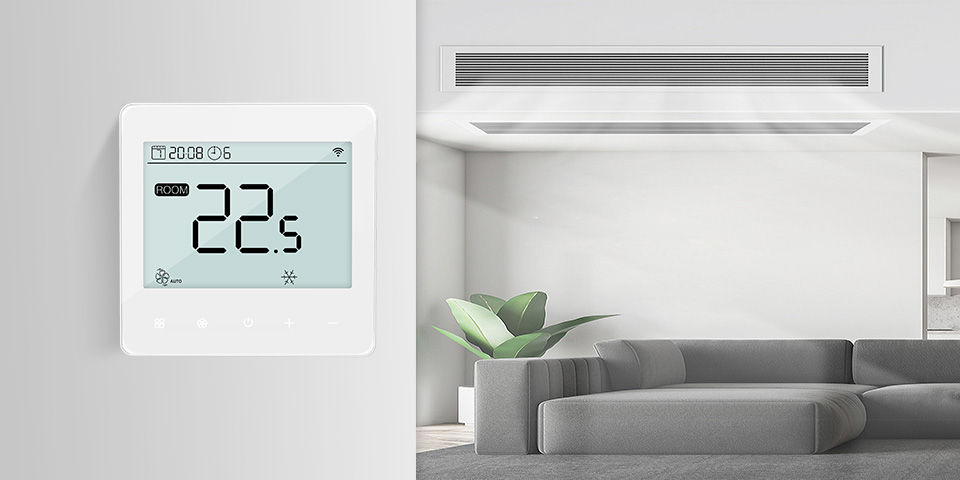
How Plug-In Thermostats Control Temperature
Plug-in thermostats use built-in temperature sensors to monitor the room in real time and automatically control connected devices. When the temperature drops below the set value, the thermostat activates heating or warming devices; once the desired temperature is reached, it automatically cuts power. This automatic adjustment prevents appliances from running unnecessarily, reducing energy waste.
Key advantages include:
Precise temperature control: Prevents over-heating or over-cooling that can waste energy.
Automatic switching: Minimizes the need for manual operation, improving household energy efficiency.
By combining temperature sensing with automatic control, plug-in thermostats make energy management smarter and more effective.
Smart Setting Strategies
To maximize energy savings, it’s important to set your thermostat wisely:
Set reasonable temperatures: Maintain 18–22°C in winter and 26–28°C in summer for comfort without excessive energy use.
Use the scheduling function: Set the thermostat to turn off automatically during sleep or when away from home.
Zone control: In multi-room systems, control each area separately to avoid heating unused spaces.
Enable energy-saving mode: Some thermostats automatically reduce power output when the room is already at a comfortable temperature.
Smart settings not only save electricity but also extend the lifespan of connected devices.
Additional Energy-Saving Tips
Beyond temperature settings, these tips can further improve energy efficiency:
Keep doors and windows sealed: Prevent heat or cool air from escaping, improving thermostat efficiency.
Avoid direct heat sources: Place the thermostat in a location with stable temperature, away from sunlight or direct heating.
Maintain devices regularly: Ensure sensors and appliances function properly for accurate temperature control.
Time-based electricity use: Adjust usage according to household routines to reduce energy waste during low-demand periods.
These simple measures can reduce electricity bills while maintaining a comfortable indoor environment.
Precautions
Match load capacity: Ensure the thermostat’s rated current is compatible with connected devices to avoid overload.
Safe operation: Follow the user manual and avoid disassembly or modification to ensure home safety.
Special considerations: Adjust temperatures carefully if household members are sensitive to temperature or have respiratory conditions.
Paying attention to these details ensures both safety and optimal energy-saving performance.
Conclusion
By setting plug-in thermostats intelligently, users can enjoy a comfortable home while saving energy effortlessly. Key methods include reasonable temperature settings, scheduled operation, zone control, and using energy-saving modes. Combined with proper maintenance and consideration of household habits, plug-in thermostats can maximize energy efficiency, reduce electricity costs, and make smart living both eco-friendly and economical.