As electricity prices fluctuate and energy-saving awareness continues to grow, more households and commercial spaces are paying closer attention to long-term electricity consumption costs. Plug-in thermostats, which require no complex installation and allow precise temperature control, are increasingly used with space heaters, electric heaters, and certain cooling devices. While they may appear to be simple accessories in the short term, their long-term impact on electricity costs is significant.
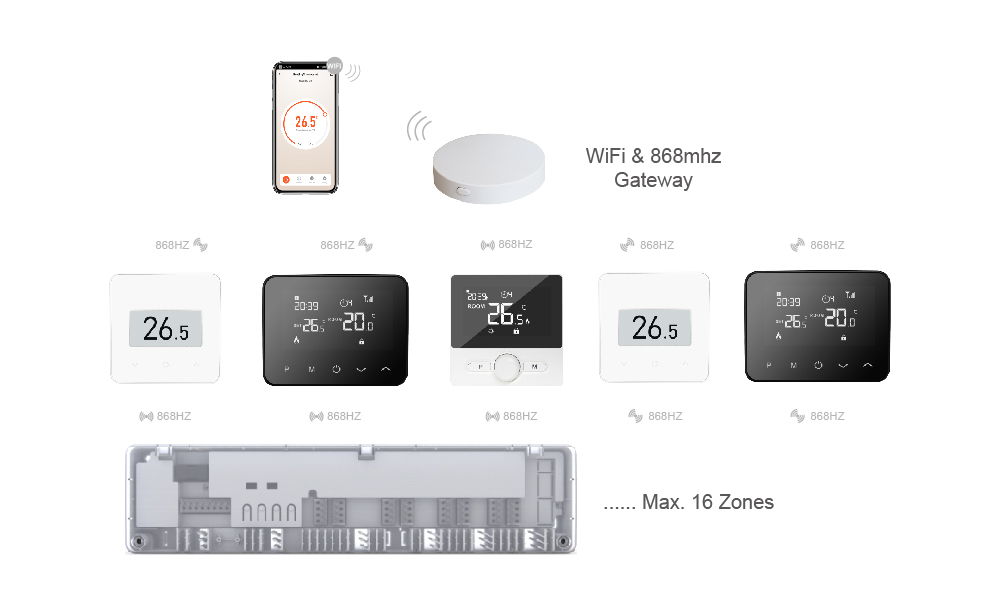
How Plug-In Thermostats Work to Reduce Energy Consumption
Plug-in thermostats monitor ambient temperature in real time and automatically control when connected devices turn on and off. Once the room reaches the preset temperature, the thermostat cuts power to prevent continuous operation. Compared with manual switching, this demand-based control method effectively reduces unnecessary runtime.
Over long periods of use, these small reductions in operating time accumulate into noticeable savings on electricity bills. The energy-saving effect becomes particularly evident during heating seasons or in situations where equipment operates for extended hours.
Reducing Energy Waste from Standby and Overheating
Without a thermostat, users often rely on manual control, which can lead to forgotten shut-offs or excessive heating. Continuous operation during unnecessary periods directly increases electricity costs. Plug-in thermostats help maintain a stable and reasonable temperature range, preventing repeated overheating and excessive power consumption.
In the long run, this controlled operation not only lowers daily energy usage but also smooths overall electricity demand, helping to stabilize monthly and annual power expenses.
Greater Impact on Seasonal Electricity Consumption
The benefits of plug-in thermostats are especially clear in winter heating scenarios or in regions that rely heavily on electric heating. High-power heating devices consume significant electricity, and even modest daily savings can translate into substantial cost reductions over an entire heating season.
Although the savings may appear less obvious in short-term or intermittent use cases, a full-year analysis typically shows that plug-in thermostats consistently contribute to lower overall electricity costs.
Effects on Equipment Lifespan and Hidden Costs
Long-term electricity costs are not limited to utility bills alone. Equipment maintenance and replacement expenses also play an important role. By reducing prolonged high-power operation, plug-in thermostats help minimize thermal stress and slow equipment aging.
More stable operating conditions reduce the likelihood of breakdowns, lowering maintenance frequency and replacement costs. While these savings may not be immediately visible on an electricity bill, they significantly reduce total ownership costs over time.
Additional Cost Optimization Through Smart Features
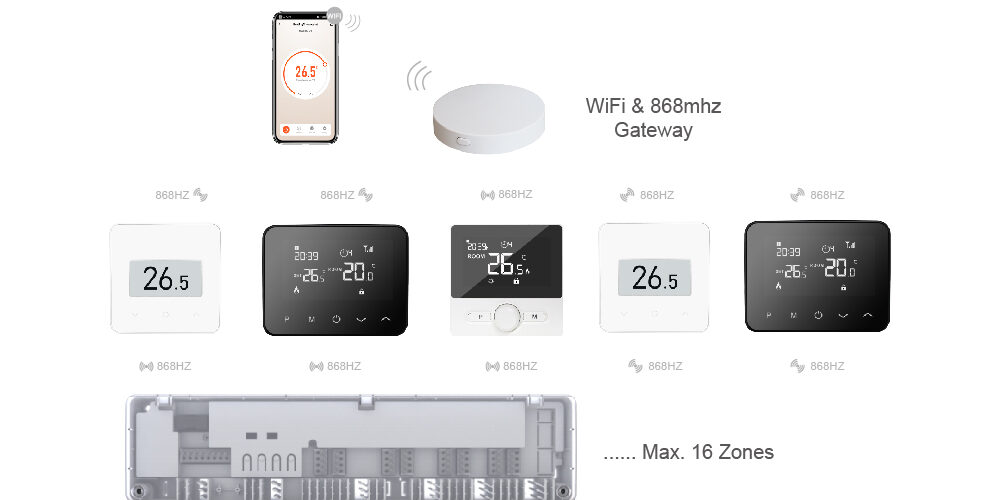
Some plug-in thermostats offer scheduling, time-based temperature control, or integration with smart home systems. By aligning device operation with actual usage patterns, these features further eliminate unnecessary energy consumption.
For example, automatically reducing heating during nighttime hours or when rooms are unoccupied helps maintain comfort while keeping energy use under control. This level of precision makes long-term electricity costs more predictable and easier to manage.
Cost Investment and Payback Period
From an investment perspective, plug-in thermostats are relatively affordable and require minimal installation effort. Compared with the electricity savings achieved over time, the payback period is often short. For users who frequently operate electric heating devices, the cost benefits typically become noticeable within a single usage cycle.
This combination of low upfront cost and long-term savings is a key reason why plug-in thermostats are widely adopted.
Conclusion: A Practical Tool for Long-Term Energy Cost Management
Plug-in thermostats are more than just convenience devices—they are practical tools for managing long-term electricity costs. By enabling precise temperature control, reducing unnecessary runtime, and extending equipment lifespan, they deliver cumulative energy savings over time. For users seeking better control over energy expenses and improved efficiency, plug-in thermostats offer a reliable and cost-effective solution.