With the growing adoption of green building concepts and the implementation of energy-saving policies, building energy efficiency has become a major focus in the industry. In this context, plug-in thermostats, as convenient and efficient temperature control devices, are showing significant potential in energy-efficient buildings. They not only provide precise indoor temperature regulation but also optimize electricity usage, offering a practical solution for reducing overall building energy consumption.
Precise Temperature Control Supports Energy Efficiency
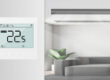
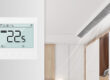
Plug-in thermostats monitor indoor temperatures in real time and automatically control heating or cooling devices based on preset targets. This demand-based operation reduces unnecessary runtime and prevents energy waste. In energy-efficient buildings, thermostats help maintain stable and comfortable indoor temperatures while optimizing energy consumption across the facility.
Compared with traditional manual switches, the precise control offered by plug-in thermostats minimizes temperature fluctuations, improves system efficiency, and ensures comfort for occupants. This fine-tuned management directly contributes to reducing energy consumption and enhancing building performance.
Smart Features Expand Application Scenarios
Modern plug-in thermostats often include scheduling, remote control, and integration with smart home or building management systems. By using timed control and zone-based temperature regulation, facility managers can adjust operation according to actual usage—for example, reducing HVAC operation during off-hours to save energy.
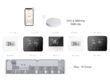
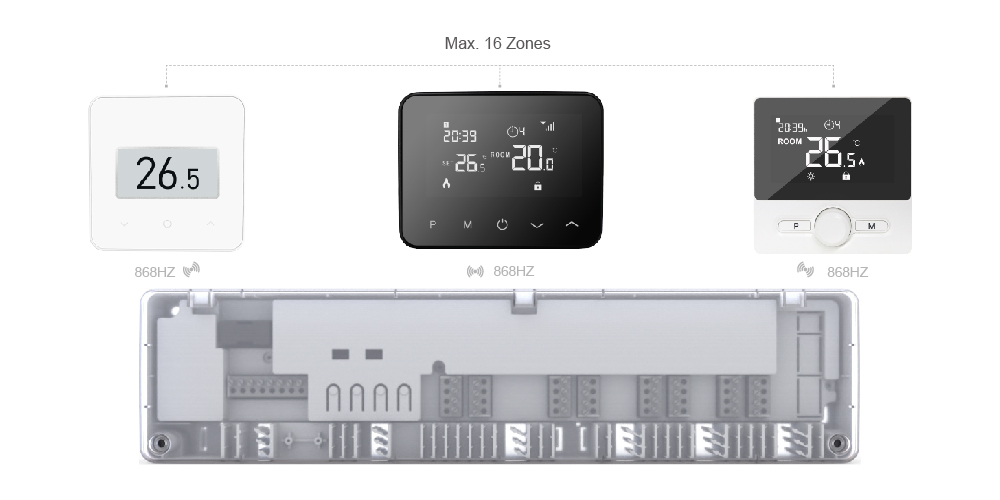
In larger energy-efficient buildings, multiple plug-in thermostats can form a distributed smart control network, managing different areas independently. This approach maintains comfort across all zones while minimizing energy waste, providing technical support for overall building efficiency.
High Adaptability and Low Retrofit Costs
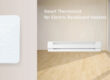
Installation of plug-in thermostats does not require complex wiring, making them suitable for both new construction and retrofitting existing buildings. Retrofitting often faces high costs and long construction periods, but plug-in thermostats offer a flexible, cost-effective solution to upgrade temperature control without extensive modifications.
This combination of low investment and high return makes them ideal for office buildings, shopping centers, schools, hospitals, and other energy-efficient facilities.
Contribution to Building Energy Assessment
Energy consumption is a key metric in green building evaluation systems. By reducing unnecessary device runtime and lowering peak electricity demand, plug-in thermostats can provide measurable energy savings. Integrated with energy monitoring platforms, the operational data from thermostats serves as a reliable reference for energy performance assessments and management decisions.
Market Trends and Future Prospects
As smart buildings and energy-efficient projects expand, demand for plug-in thermostats is expected to continue growing. Technological advancements—such as more accurate temperature sensing, low-power designs, and seamless cloud integration—enhance both device performance and its value in building energy optimization.
Additionally, increasing energy awareness among users and supportive government policies are likely to drive broader adoption of plug-in thermostats, making them an essential auxiliary device in energy-saving strategies.
Conclusion: A Practical Temperature Control Tool for Energy-Efficient Buildings
Overall, plug-in thermostats in energy-efficient buildings provide direct energy-saving benefits while offering smart management, zone-based control, and low-cost deployment. They play a critical role in optimizing building energy use. With continued technological innovation and market adoption, their application prospects in green and smart buildings are highly promising, offering reliable support for achieving energy efficiency goals.