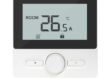
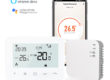
In modern home life, comfort has become a key measure of living quality. As an essential component of smart homes, thermostats not only regulate indoor temperature but also improve energy efficiency and health management through precise control, significantly enhancing home comfort and overall living experience.
Precise Temperature Control for Enhanced Comfort
Thermostats maintain indoor temperature within an ideal range, ensuring stability and comfort regardless of seasonal changes. Through intelligent adjustments, they enhance the stability of the indoor environment and automatically adapt to daily routines. Key benefits include:
- Automatic Temperature Adjustment: The thermostat automatically controls heating or air conditioning based on the set temperature, preventing large fluctuations and keeping the indoor environment consistently comfortable.
- Stable Environment: Balanced temperatures reduce the need for frequent manual adjustments, allowing residents to enjoy a consistently pleasant home environment.
- Adaptation to Daily Routines: Some smart thermostats learn household schedules and pre-adjust the temperature, ensuring a comfortable indoor environment upon waking or returning home.
These functions not only improve home comfort but also make daily life easier and more natural.
Dual Benefits of Energy Efficiency and Environmental Protection
Thermostats avoid energy waste through intelligent control and scheduling. When no one is home, the system automatically reduces heating or cooling power, cutting unnecessary energy consumption. Over time, this can significantly reduce electricity and gas bills while lowering carbon emissions, contributing positively to environmental protection. Smart thermostats can also analyze weather conditions and indoor temperature trends, adapting system operations to achieve both energy savings and optimal comfort.
Improving Air Quality and Health Management
High-end thermostats often include humidity sensors and air quality monitoring functions, maintaining suitable humidity levels while controlling temperature to prevent discomfort caused by dry or damp air. They can also work in conjunction with air purifiers to continuously monitor indoor air quality, creating a healthier breathing environment. For children, the elderly, or people with respiratory sensitivities, this intelligent management helps reduce health risks and improves home comfort.
Remote Control and Smart Integration
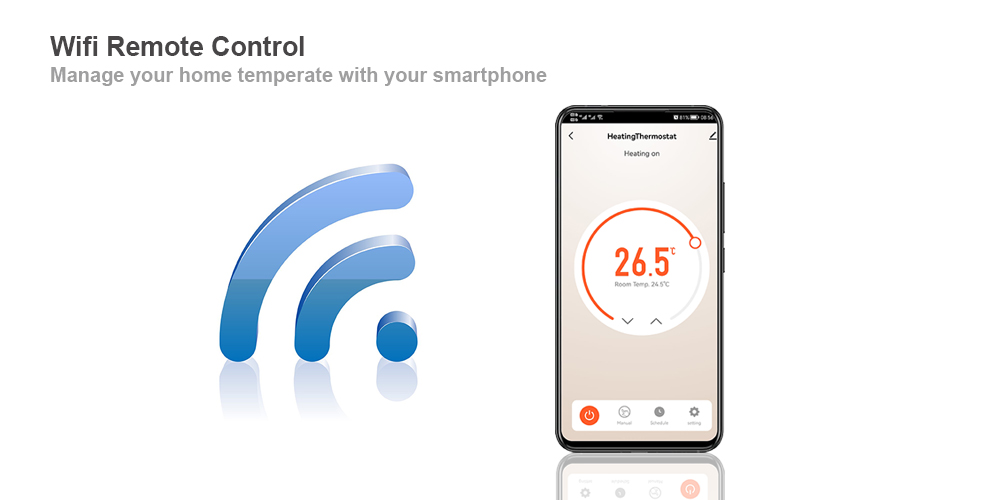
Modern thermostats are not limited to local operation—they can be controlled remotely via mobile apps or voice assistants, allowing homeowners to manage indoor temperature anytime, anywhere. This ensures that the home environment remains ideal even when residents are away. Key features include:
- Remote Control: Users can adjust the temperature from their phone or through voice commands without being physically present at home.
- Smart Integration: Thermostats can coordinate with smart devices such as curtains, lighting, and fans to manage the entire home environment with a single command. For example, starting the heating before arriving home ensures a comfortable temperature upon arrival.
- Convenience: Reduces the need for manual adjustments while making home life more intelligent, comfortable, and energy-efficient.
These features make home temperature control flexible and efficient, greatly enhancing overall comfort.
Personalized Settings for Diverse Needs
Each household member has different temperature preferences. Thermostats support multi-zone and multi-mode personalized settings. Living rooms, bedrooms, and studies can be set to different temperatures according to usage habits, achieving fine-grained control. Holiday or nighttime modes make life even more convenient, ensuring that everyone enjoys an environment suited to their comfort.
Future Trends in Home Comfort
With the advancement of smart home technology, thermostats are evolving from simple temperature controllers into comprehensive home environment management hubs. Future thermostats will become even smarter, learning user habits and adjusting temperatures in advance based on weather forecasts and indoor activity patterns, creating a more personalized comfort experience. AI algorithms will optimize energy-saving strategies, achieving the best balance between comfort and efficiency, making thermostats an indispensable part of modern smart homes.
By providing precise temperature control, energy efficiency, air quality management, and intelligent remote operation, thermostats comprehensively enhance home comfort. Using thermostats effectively allows family members to enjoy a stable, healthy, and intelligent living environment, turning a house into a truly warm and comfortable home.