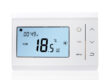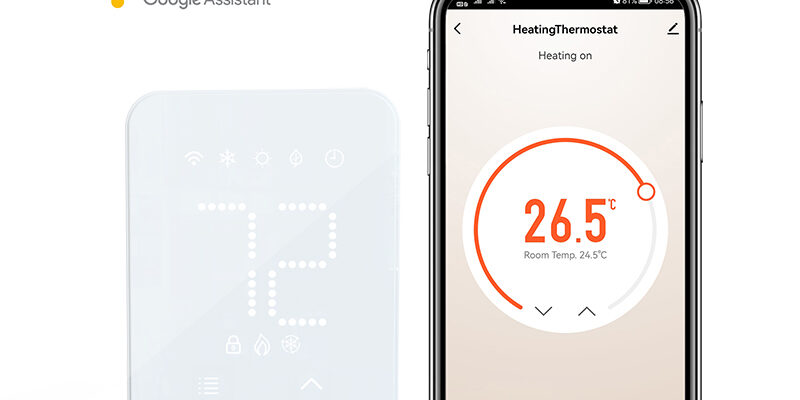
In home heating systems, energy efficiency directly impacts operating costs and the living experience. As a crucial control device in electric heating systems, the performance of North American electric thermostats is related to temperature comfort and the rational utilization of energy. Traditional thermostats often use simple on/off control, easily leading to overheating or prolonged operation. Modern electric thermostats, through more precise control, can dynamically adjust their operating status according to changes in the indoor environment, resulting in more rational energy distribution. For users who want to reduce energy consumption while ensuring comfort, these devices offer significant advantages in improving energy efficiency.
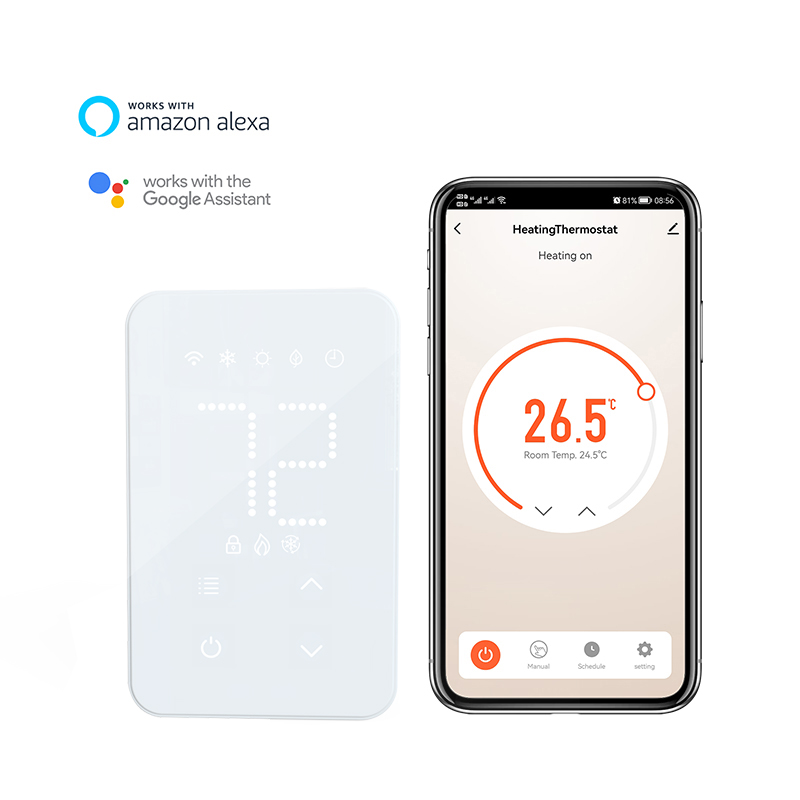
More Precise Temperature Control
Precise adjustment is a crucial foundation for improving energy utilization.
(1) Stable Maintenance of Set Temperature
Thermostats can automatically adjust the heating state according to the target temperature, avoiding sudden temperature fluctuations.
(2) Reduced Overheating
When the room temperature reaches the set value, heating is automatically reduced or stopped, avoiding unnecessary energy consumption.
Precise temperature control ensures that every unit of energy is used rationally, thereby improving overall efficiency.
More Reasonable Operating Time
Scientifically scheduling operating time helps reduce ineffective consumption.
- Supports timed and time-segmented settings: Users can set heating times according to their lifestyle habits, avoiding prolonged idling.
- Automatically matches usage needs: The system adjusts its operating cycle according to actual conditions, making heating more in line with daily rhythms.
A reasonable operating schedule reduces waste, allowing the system to operate efficiently only when needed.
Intelligent Adjustment of Output Power
Dynamic adjustment capabilities make energy distribution more flexible.
- Adjusting Heating Intensity on Demand: Automatically adjusts output power according to room temperature changes, avoiding continuous full-load operation.
- Balancing System Load: Reduces prolonged high-load operation of equipment, lowering energy consumption and extending equipment lifespan.
Flexible power adjustment makes the system operate more efficiently and better meets energy-saving requirements.
Overall System Collaborative Optimization
Multi-device collaboration can further improve energy utilization efficiency.
(1) Linkage with Other Devices
It can work with sensors or other temperature control devices to achieve more refined temperature management.
(2) Optimizing Overall Heating Strategy
Unified control improves system coordination, making energy distribution more balanced. System synergy enables more scientific energy use and further improves overall efficiency.
North American electric thermostats effectively improve energy efficiency through precise temperature control, efficient operation, and intelligent adjustment. They reduce unnecessary energy consumption and ensure stable performance of the heating system under different environments. For families who value energy conservation and comfort, these devices offer significant economic and experiential advantages in the long run, making temperature control management more efficient and sustainable.