
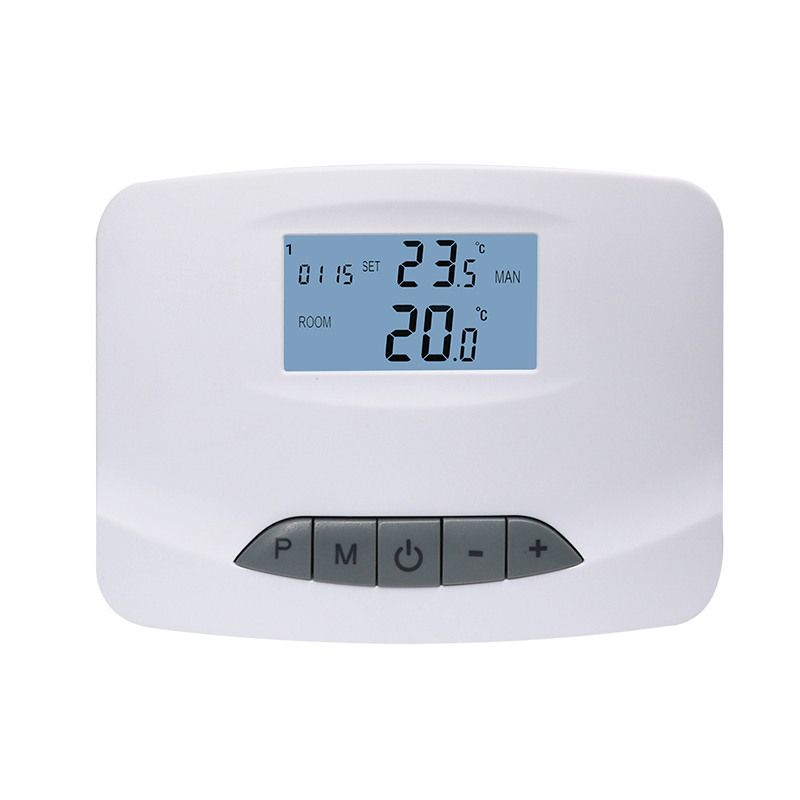
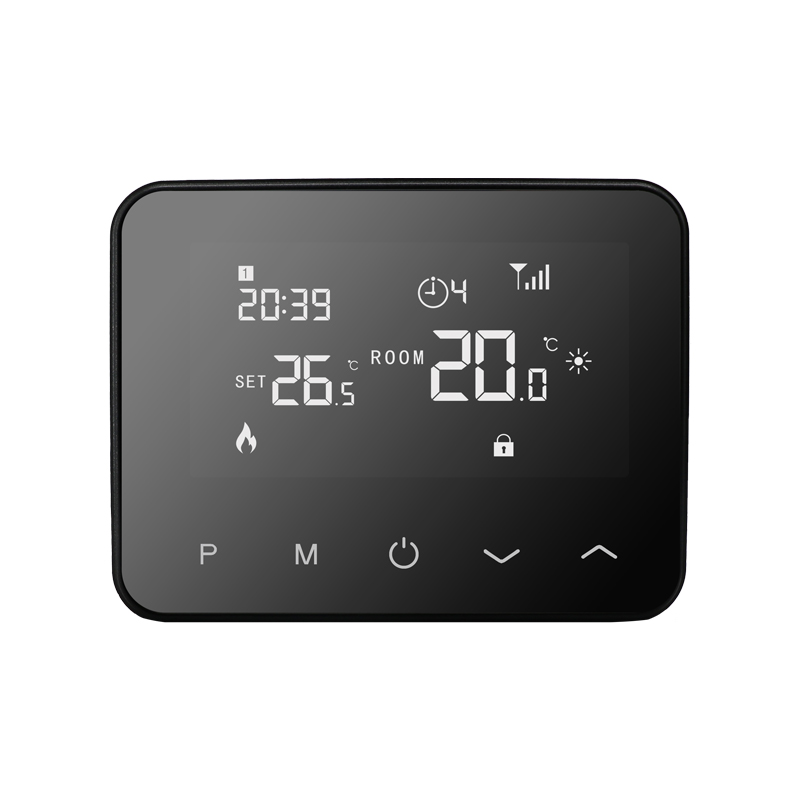
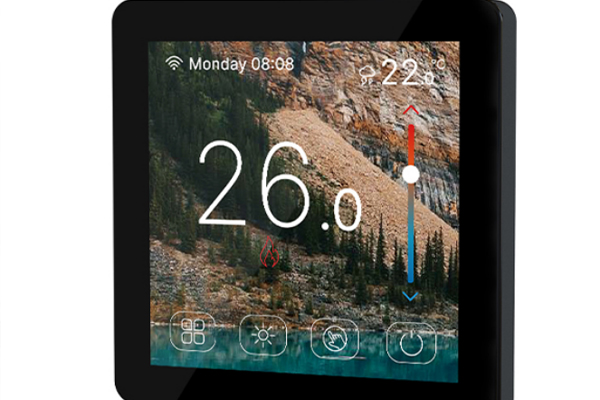
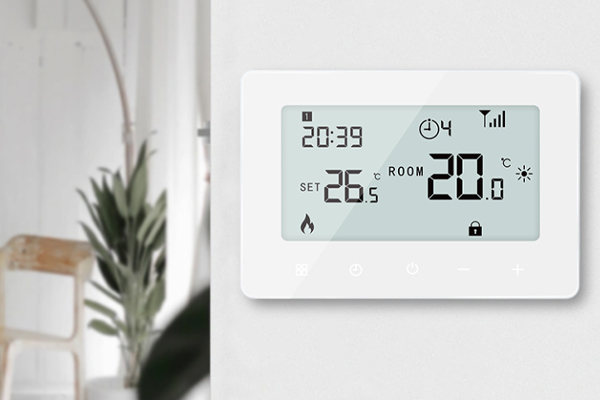
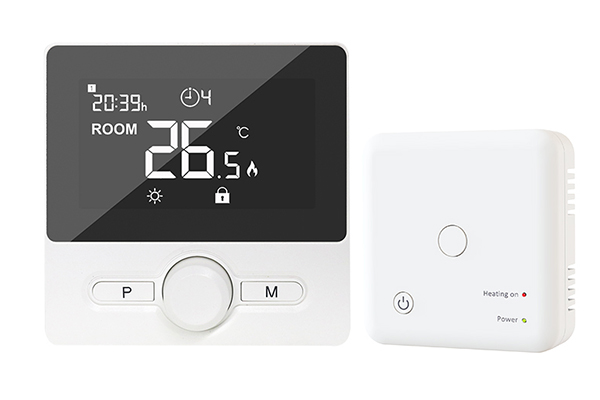
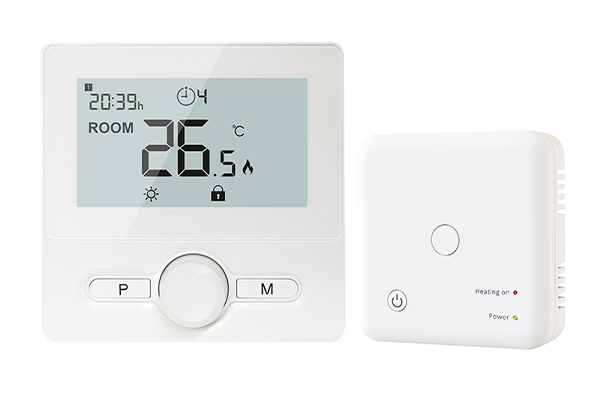
In modern residential and commercial heating systems, intelligent temperature control devices are gradually replacing traditional manual control methods, becoming a crucial core component for improving comfort and energy efficiency. WiFi touchscreen thermostats combine network connectivity, programmable logic, and visual touch operation, allowing users to more accurately manage the operating status of boilers or heating systems. Compared to traditional devices, it not only improves operational convenience but also makes the heating process more aligned with the rhythm of daily life, thereby achieving more efficient energy utilization and more stable indoor environmental control.
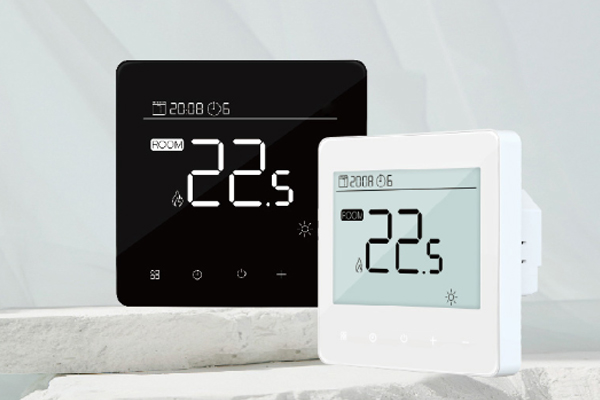
Programmable Time Control Enables Automatic Heating Rhythm
In daily life, heating needs often vary significantly at different times, therefore the system needs flexible time management capabilities.
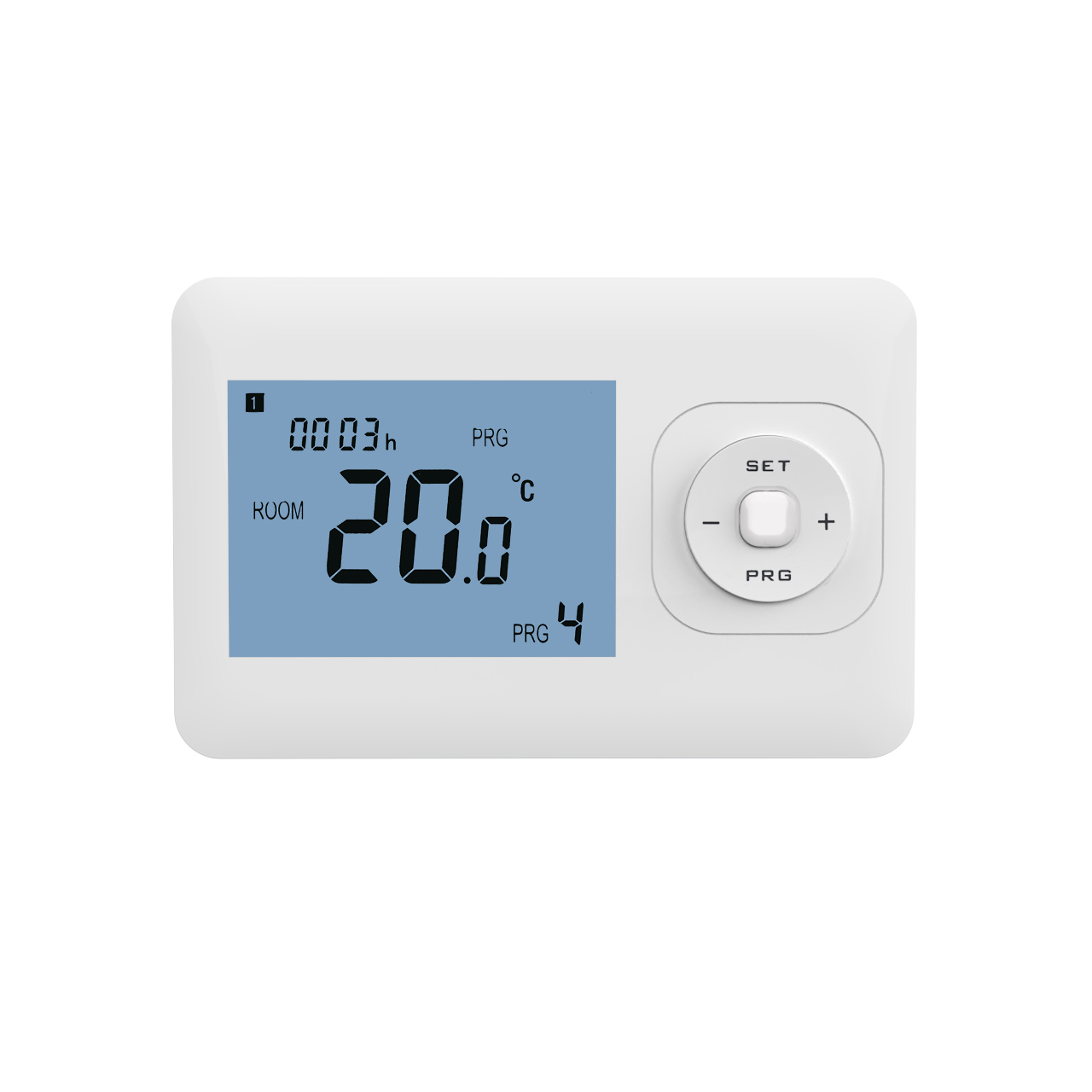
- 7-Day Programmable Temperature Plan: Users can set independent temperature operation plans for different days of the week, allowing the system to automatically adjust the heating status according to preset times, achieving a more reasonable temperature distribution between weekdays and weekends.
- Automatic Execution of Heating Logic: The thermostat can operate continuously according to the program without frequent manual intervention, allowing the boiler system to automatically start when heating is needed and automatically reduce output when demand is low, thus maintaining a more stable operating rhythm.
This time-driven control method significantly enhances the intelligence level of heating systems.
WiFi Remote Control Improves Management Flexibility
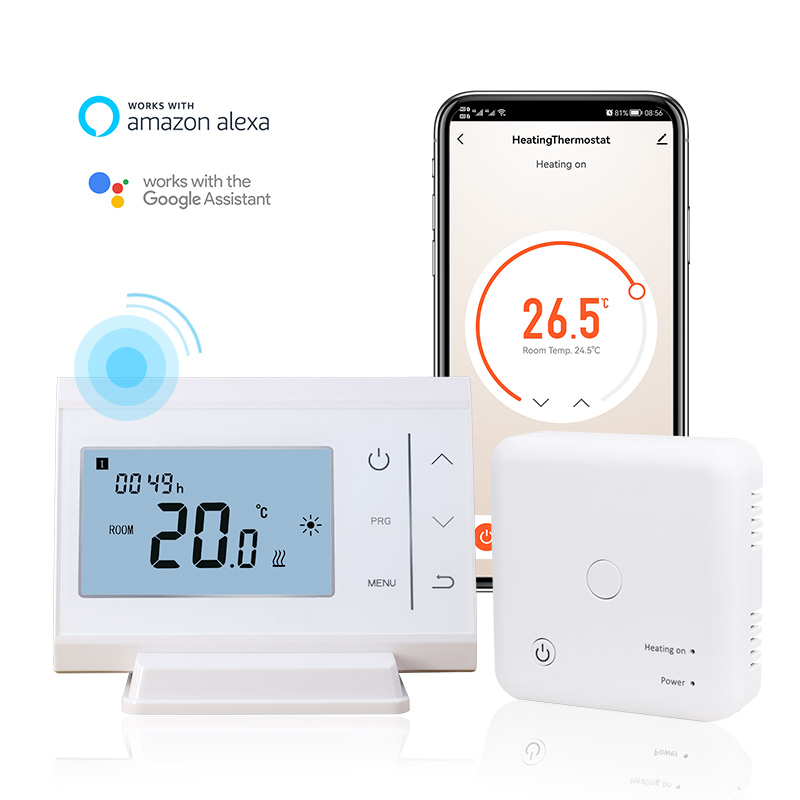
Through wireless network connectivity, heating systems can overcome spatial limitations and achieve more flexible remote management.
- Adjust Temperature Anytime via Mobile Phone: Users can modify temperature settings from anywhere via mobile devices, controlling heating status in real time whether at home, in the office, or on the go.
- Real-Time Operation Status Feedback: The system can synchronously display current temperature and changes in operating mode, allowing users to monitor equipment operation at any time, thus achieving more refined heating management.
Remote control capabilities significantly improve ease of use and system response efficiency.
Touchscreen Interaction Optimizes User Experience
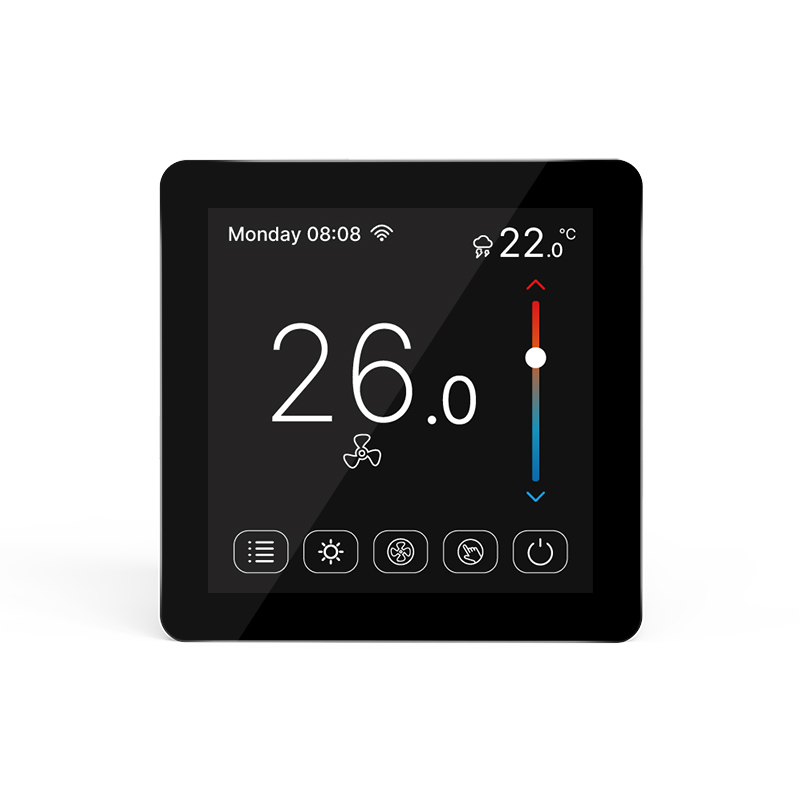
Modern temperature control equipment increasingly emphasizes intuitive operation, and the touchscreen interface is a key design element for enhancing user experience.
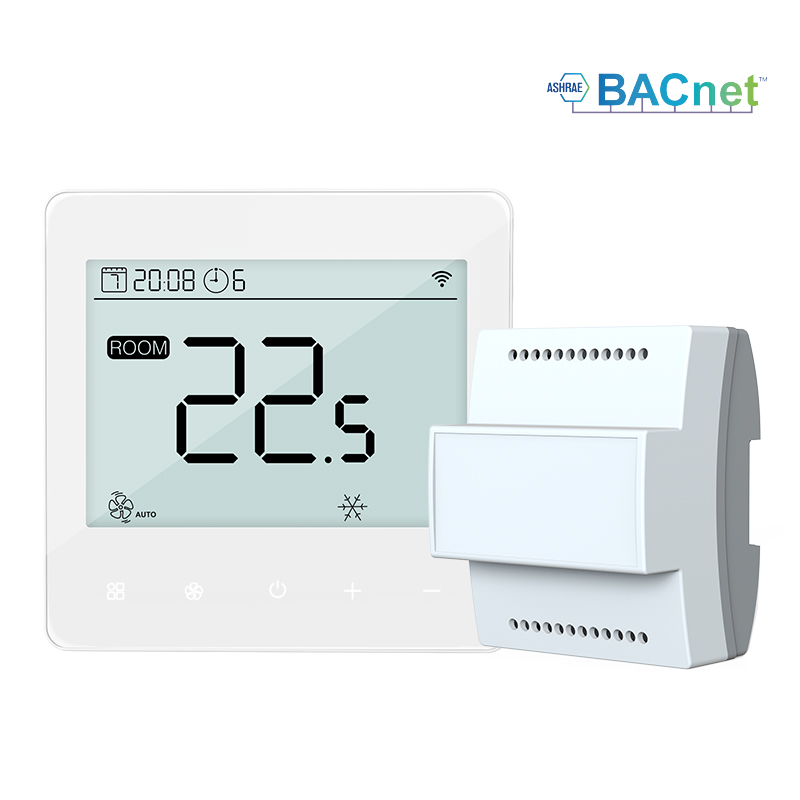
- High-Definition Display of Operating Information: The touchscreen clearly displays temperature values, operating modes, and system status, allowing users to quickly understand equipment operation without complex learning.
- One-Touch Quick Adjustment: Temperature adjustment and mode switching can be completed via touch operation, which is more intuitive and efficient than traditional button operation, significantly lowering the learning curve.
This interaction method makes heating control simpler and easier to manage.
Energy-Saving Optimization Enhances Overall Heating Efficiency
Intelligent heating systems not only focus on comfort but also emphasize energy efficiency and long-term operating cost control.
- On-Demand Heating Reduces Waste:The system automatically adjusts boiler output based on set temperature and actual environmental changes, avoiding energy waste caused by continuous high-power operation.
- Dynamically Adjusting Operating Intensity: The thermostat continuously monitors indoor environmental changes and automatically optimizes heating output based on temperature fluctuations, ensuring the system always operates efficiently.
This intelligent adjustment mechanism helps achieve more stable and energy-efficient heating.
WiFi touchscreen thermostats, with 7-day programmable control, remote management capabilities, and intuitive touch interaction, enable a more intelligent heating operation. It not only enhances user control over the temperature system but also makes boiler and heating equipment operate more efficiently and stably. Against the backdrop of modern families’ ever-increasing demands for comfort and energy management, these devices are becoming an important component of intelligent heating systems, providing continuous support for a higher quality living experience and driving the development of heating systems towards digitalization and refinement.