
As modern residential and commercial heating systems continue to evolve towards intelligence, temperature control methods are also undergoing significant changes. Traditional wired thermostats have limitations in installation location and operation, while intelligent wireless thermostats, through the combination of radio frequency communication and digital control technology, achieve a more free and flexible temperature management experience. Users can not only operate locally but also adjust the boiler or heating equipment in different spaces or even remote environments, making the entire heating system more aligned with actual lifestyles and usage needs. This technological upgrade not only improves operational convenience but also achieves a better balance between energy management and indoor comfort, providing a more efficient solution for modern heating systems.
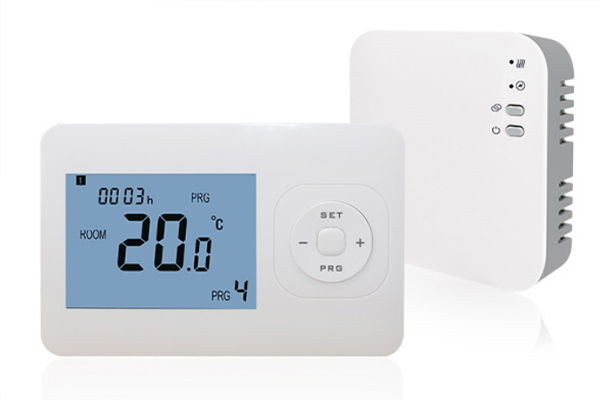
RF wireless communication enables long-distance signal transmission
In heating control systems, stable signal transmission is a fundamental condition for achieving remote temperature control.
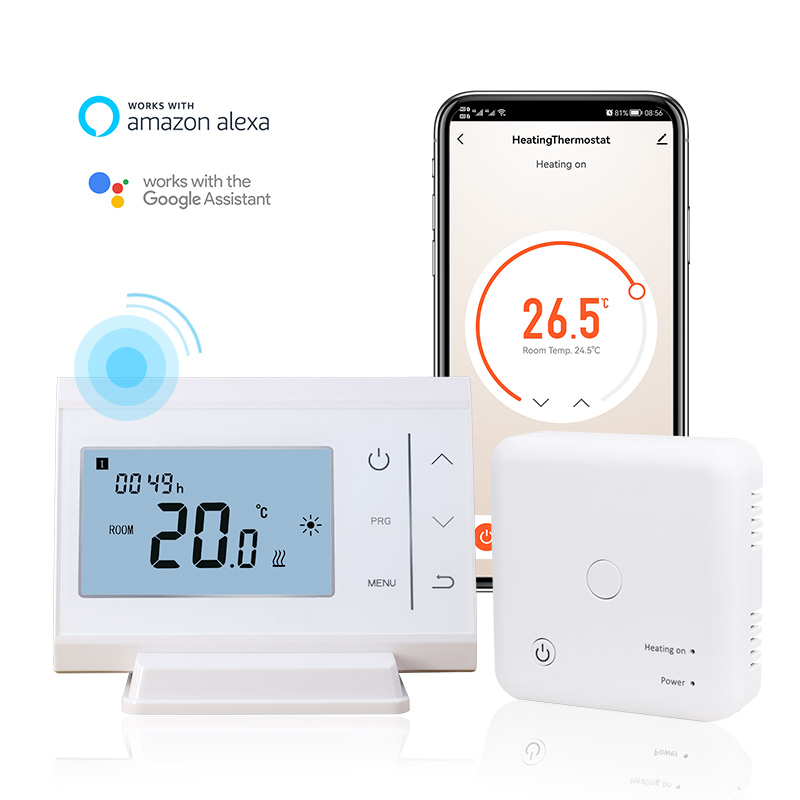
- Wireless radio frequency connection to the boiler system:The thermostat establishes communication with the boiler controller via RF wireless signals, eliminating the need for complex wiring to complete the device connection, making installation more flexible and convenient while ensuring stable signal transmission.
- Reduced Space Constraints:The wireless architecture allows thermostats to be installed in more convenient locations, free from wiring distance constraints, thus improving temperature detection accuracy and overall control performance.
The introduction of RF wireless communication capabilities provides a stable and reliable foundation for remote temperature control.
LED Display Interface Enhances Real-Time Control
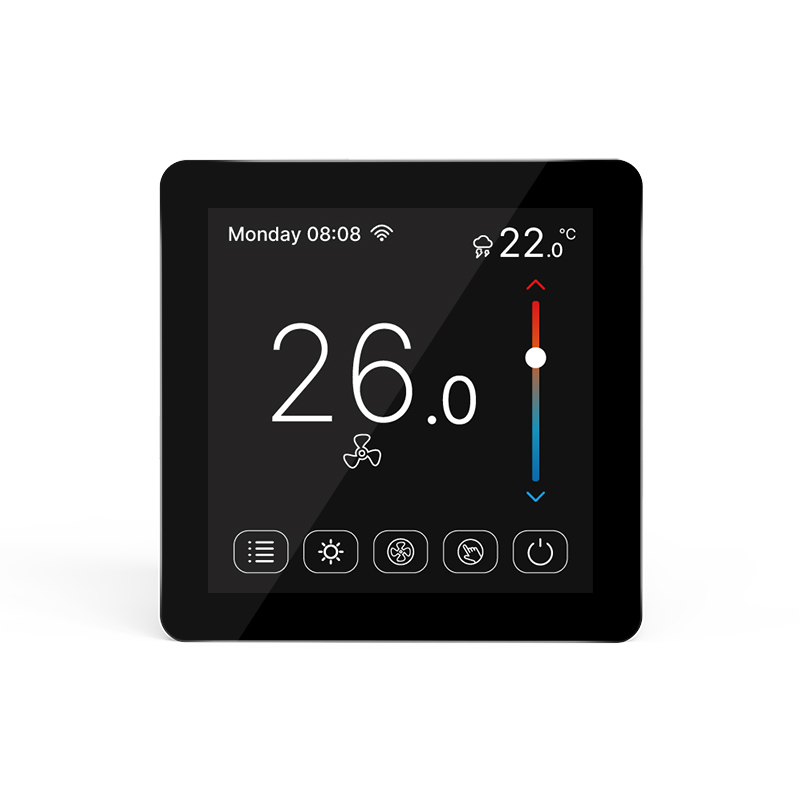
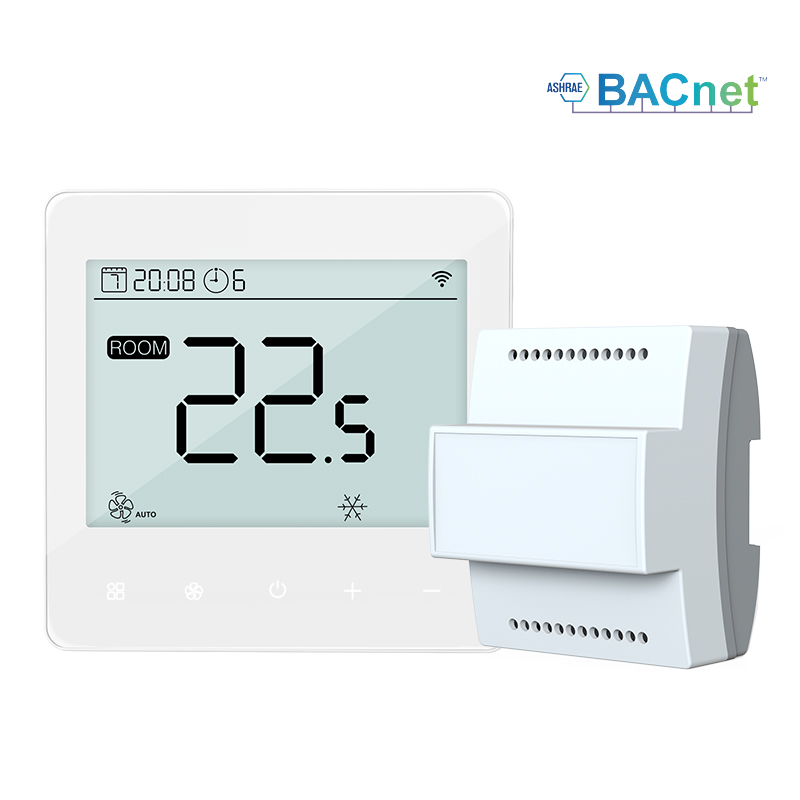
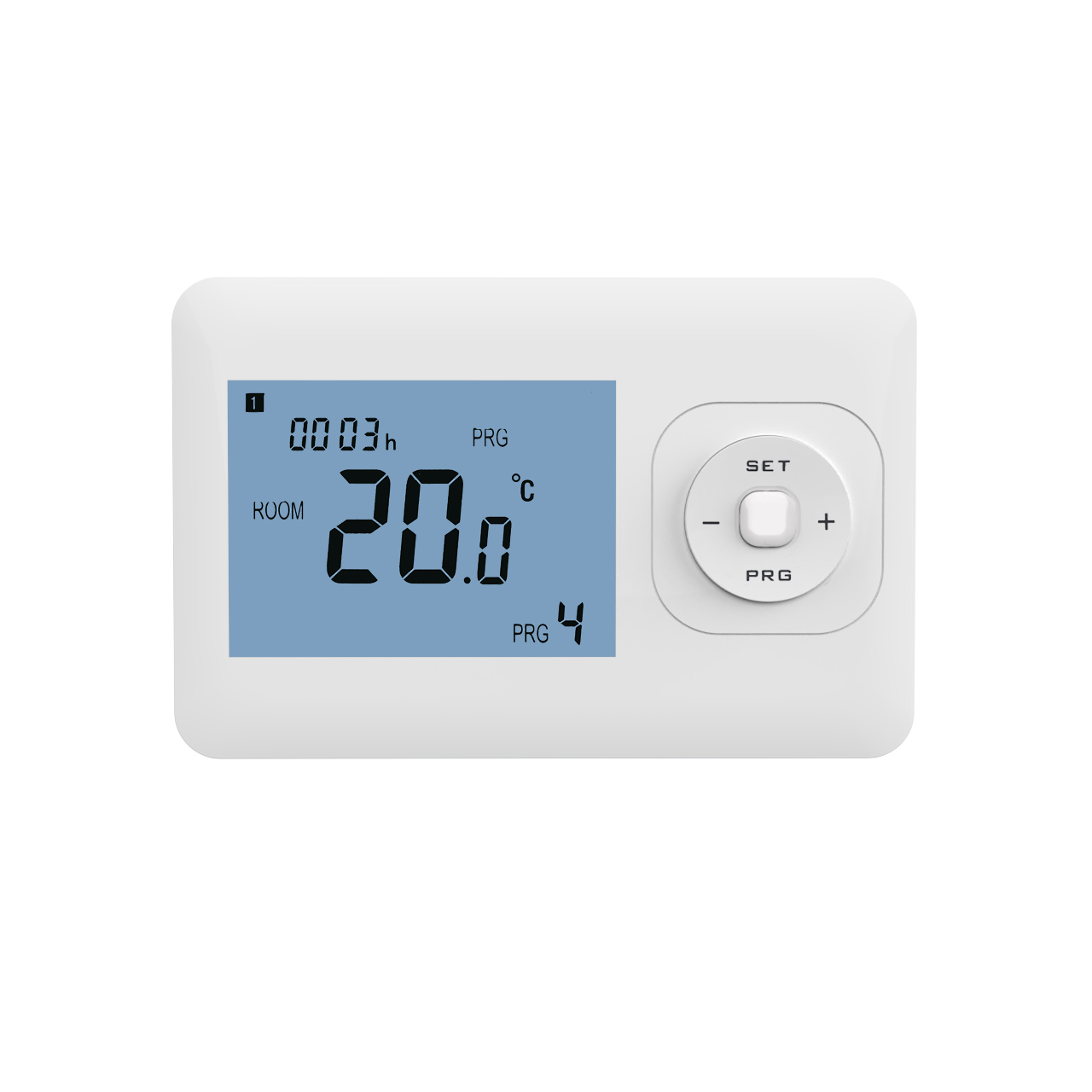
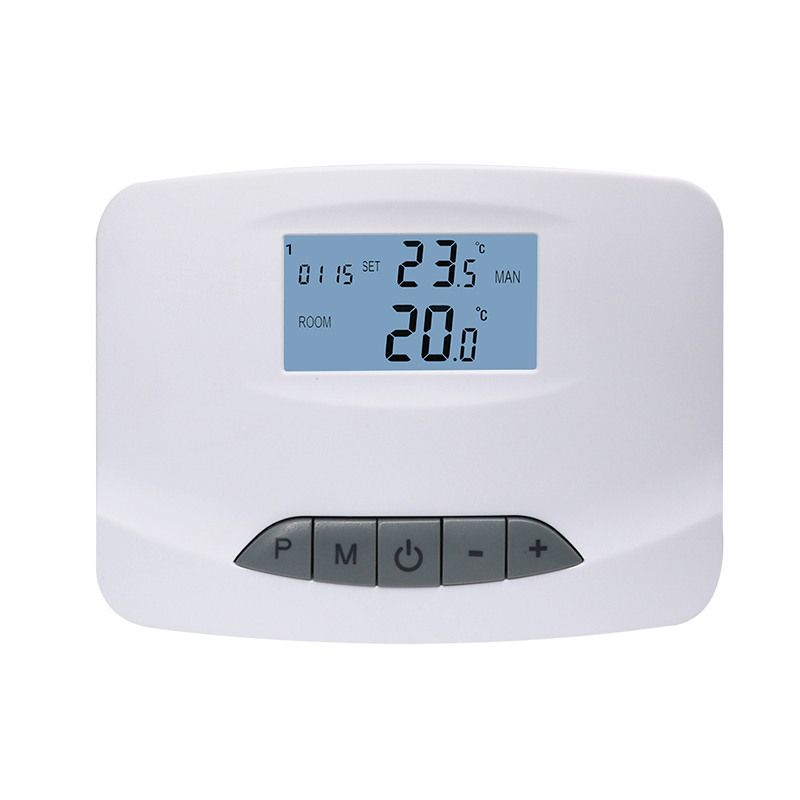
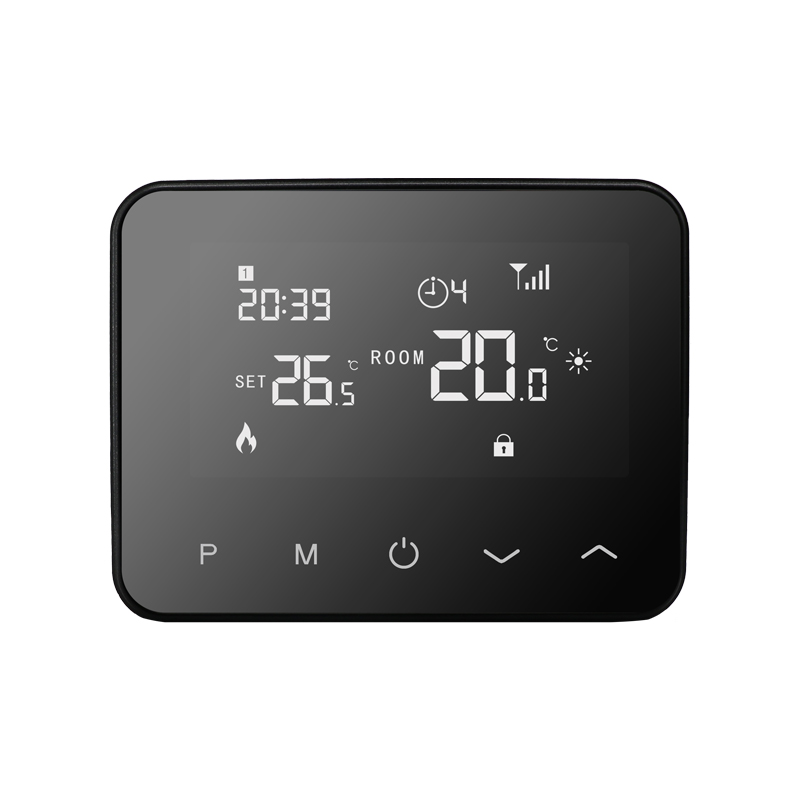
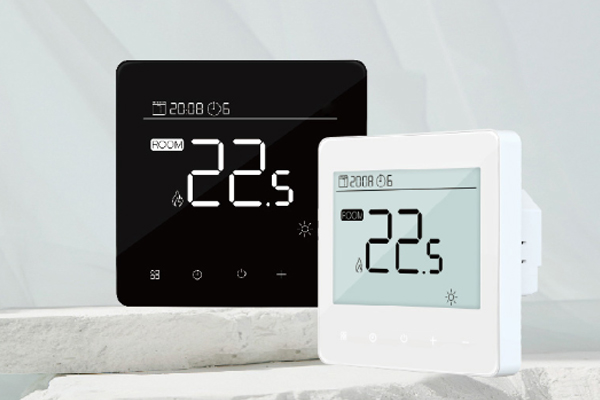
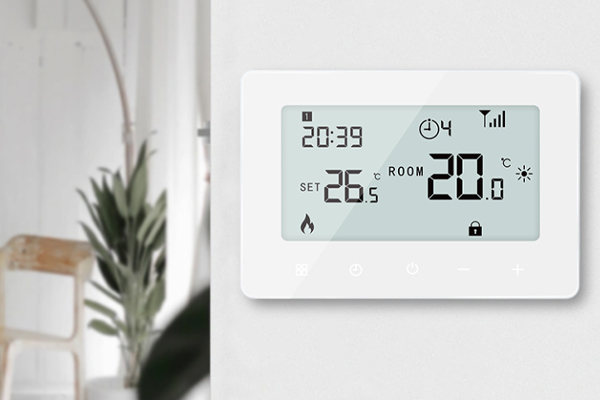
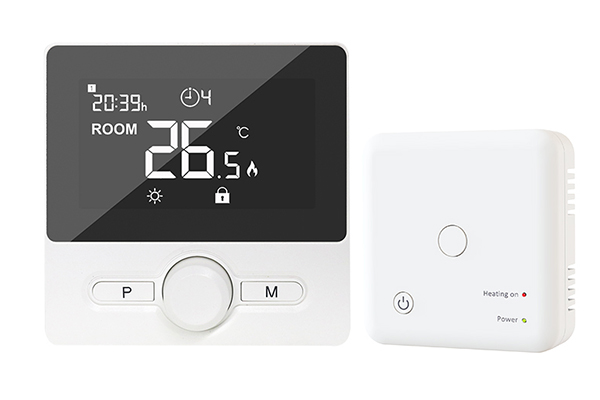
In wireless temperature control systems, the timeliness and clarity of information feedback directly impact the user’s judgment and adjustment efficiency regarding heating status. The LED display interface uses intuitive numbers and icons to present the current room temperature, set temperature, and operating mode in real time, allowing users to quickly understand the system’s operation without complex operations. Simultaneously, the screen updates the display results instantly when adjusting the temperature or switching modes, providing clear feedback for every operation and reducing misjudgments or redundant adjustments. This visual interaction not only improves control accuracy but also makes remote or local temperature adjustment more intuitive and reliable, thereby enhancing the overall system’s user experience and management efficiency.
Intelligent Control Logic Enables Remote Adjustment
Building upon the wireless system, intelligent algorithms make temperature control more flexible and efficient.
- Automatic Temperature Adjustment Commands:User-defined temperature changes are instantly executed by the system, allowing the boiler to automatically adjust its output accordingly.
- Multi-Mode Operation Management Support:Energy-saving or comfort modes can be switched according to different scenarios, making the heating system more aligned with actual living needs.
Intelligent Control Logic Enables Higher Precision and Adaptability for Remote Temperature Control.
Expanded Operating Terminals Enhance Usability
Remote control relies not only on the device itself but also on the diversity of operating methods.
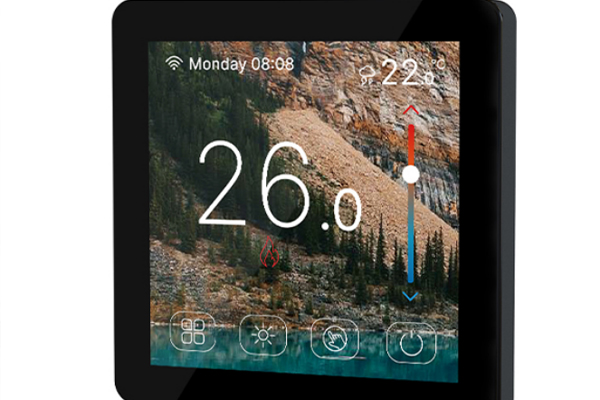
- Multi-Location Operation and Control Capabilities:Users can adjust the system temperature in different rooms or even remotely, increasing user freedom.
- Reduced On-Site Manual Operation Needs:No need for frequent adjustments at the device location, significantly improving daily usability.
Expanded operating methods make remote temperature control smoother and more efficient in actual use.
The intelligent wireless thermostat, through the synergy of RF wireless communication technology, LED real-time display interface, and intelligent control logic, achieves a more efficient, flexible, and convenient remote temperature control method. It not only frees users from the spatial limitations of traditional wired control but also significantly improves the response speed and user experience of the heating system. With modern families increasingly demanding higher levels of comfort, energy efficiency, and smart technology, this type of equipment is gradually becoming an important direction for upgrading heating systems. It provides continuous support for building a more intelligent and efficient living environment and drives the entire HVAC industry to a higher level of development.