
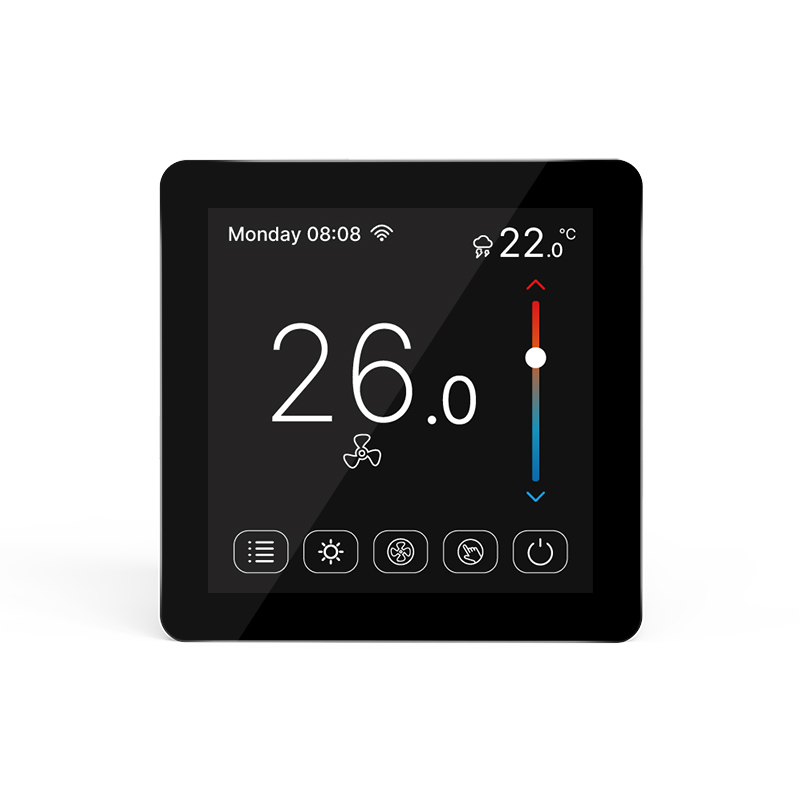
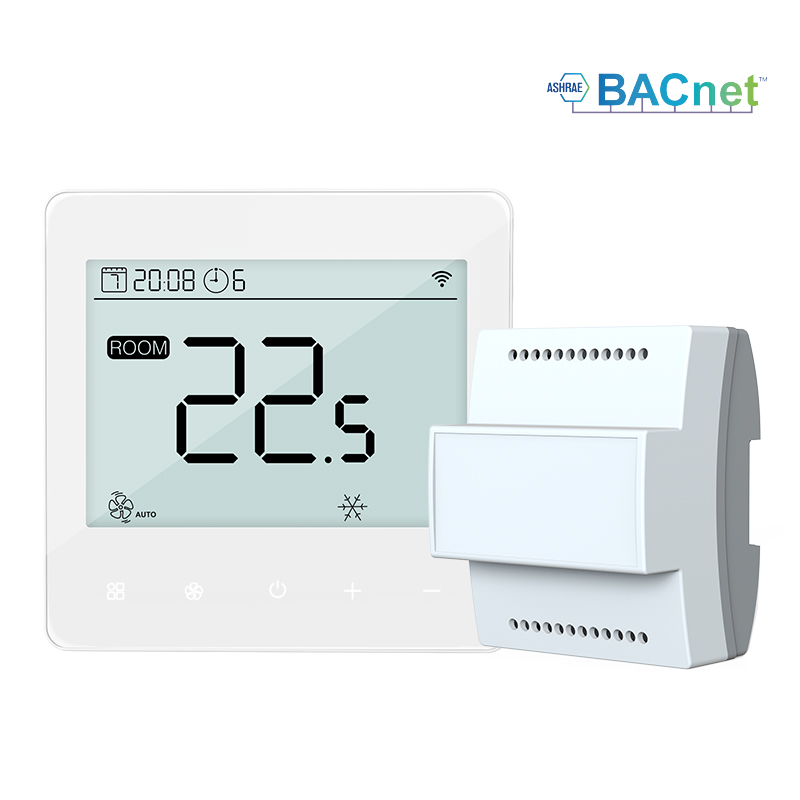
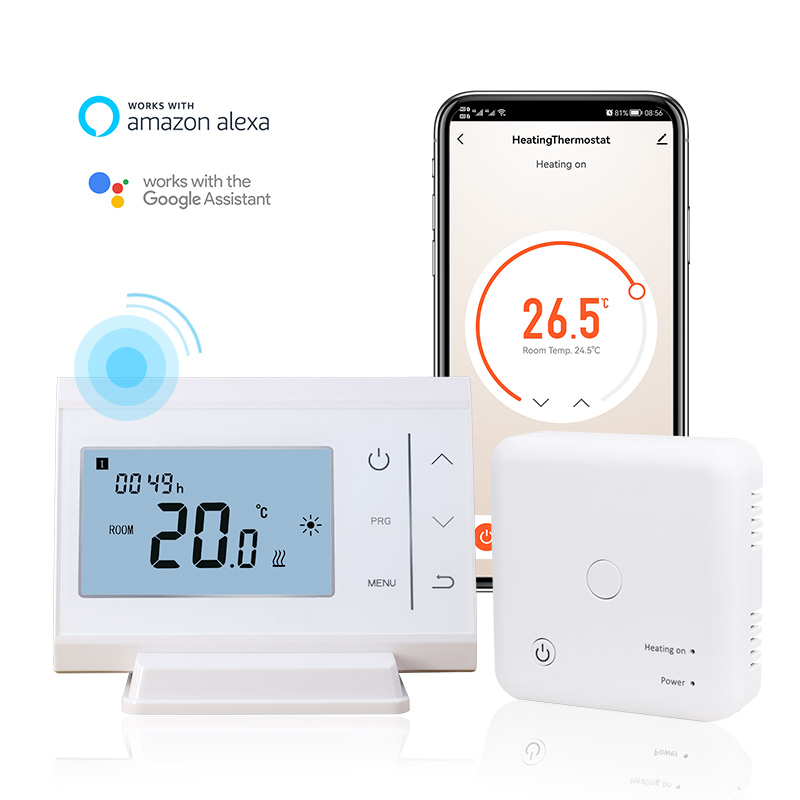
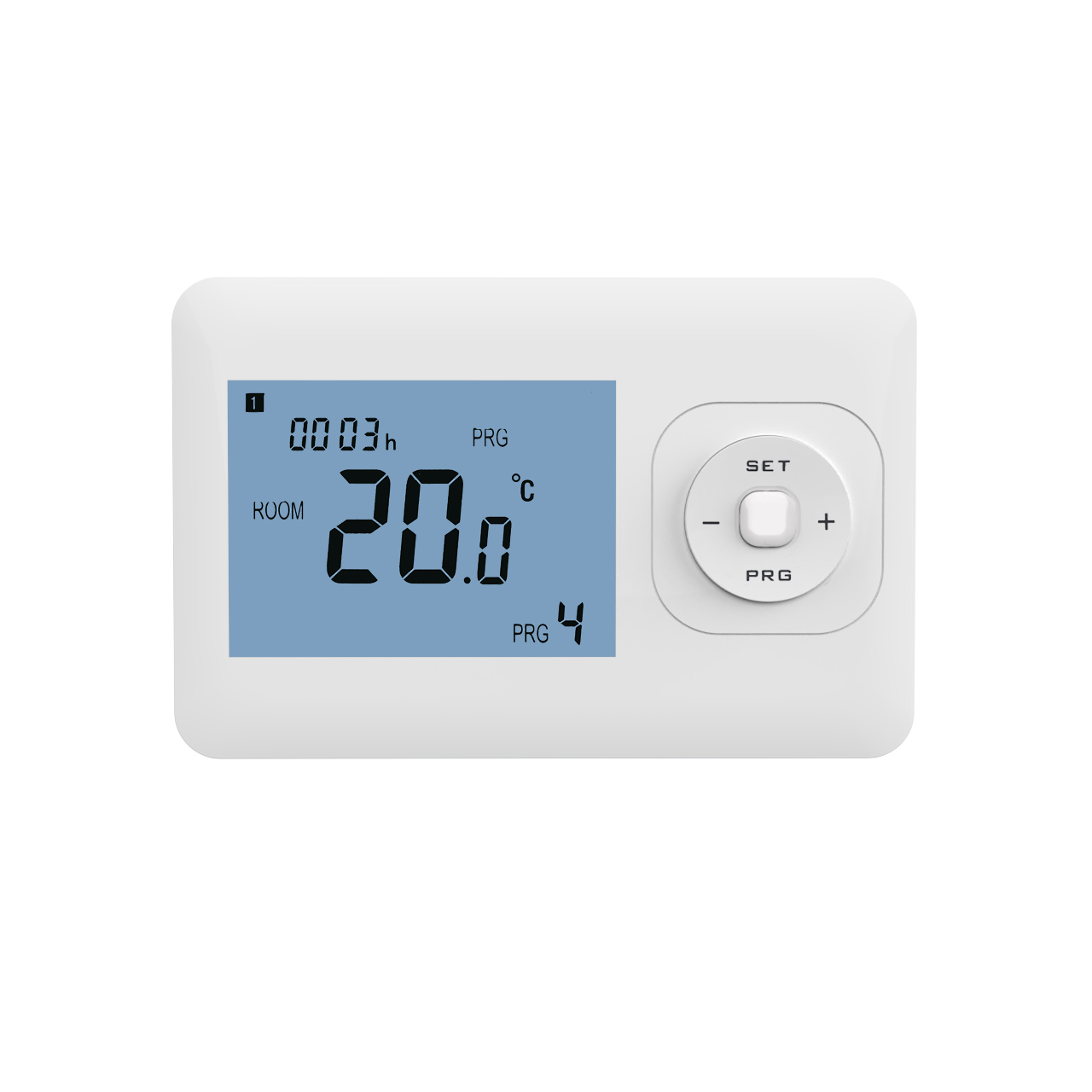
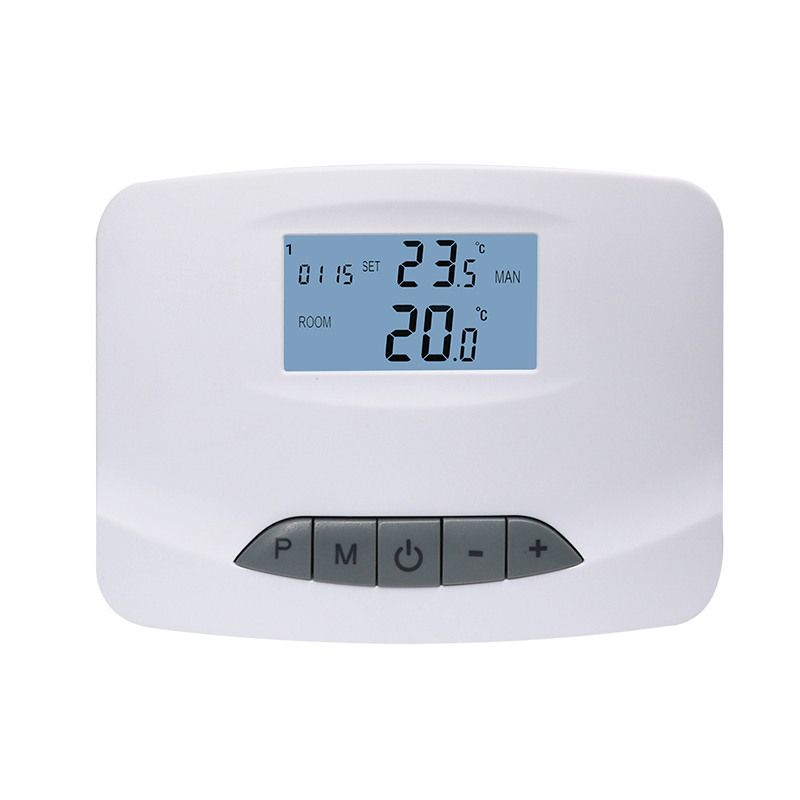
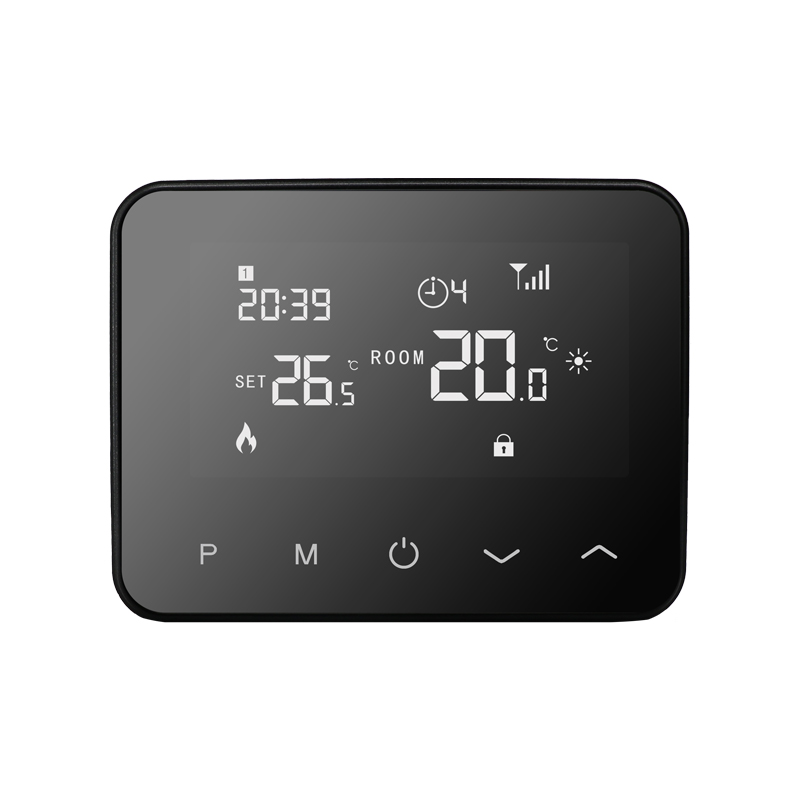
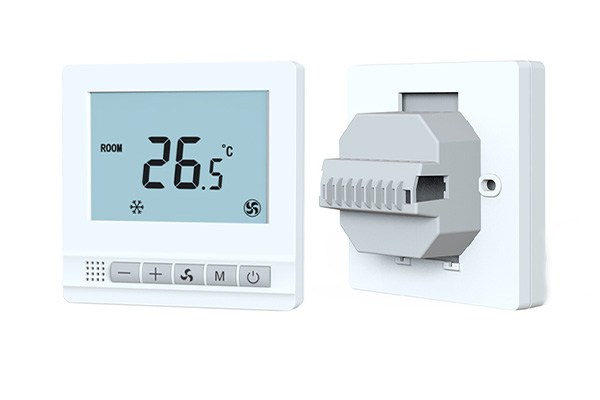
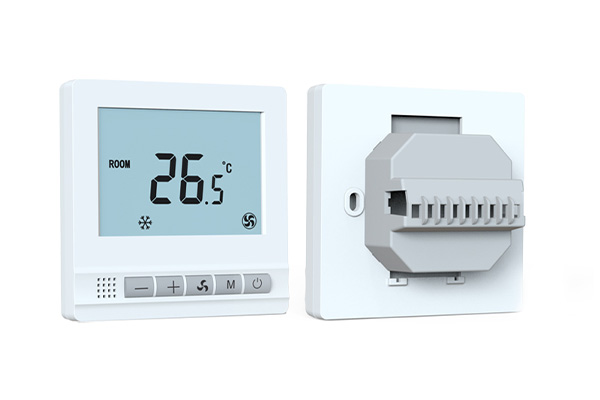
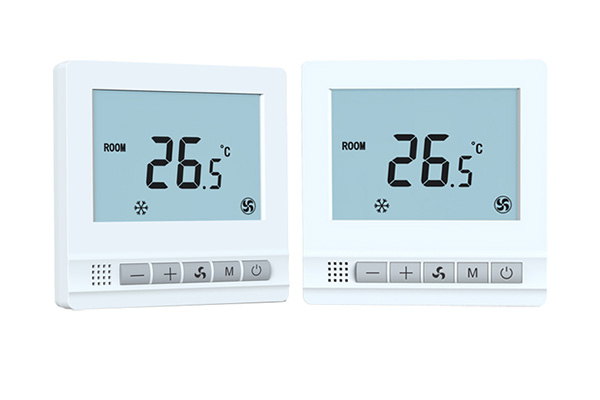
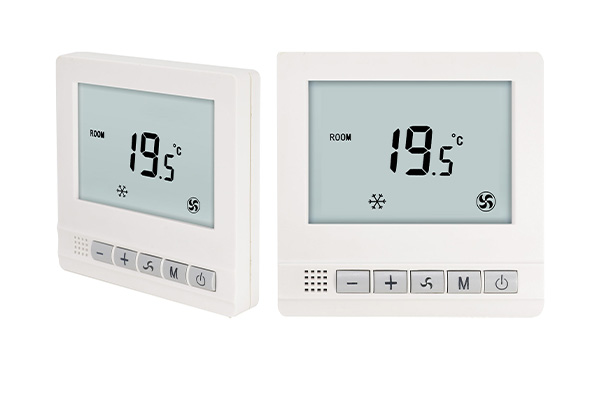
Plug-in thermostats are convenient temperature control devices that are widely used in home heating systems, office spaces, and some smart home applications due to their simple installation and flexible operation. Many users pay attention to whether these devices can be reused after purchase, especially when moving to a new home, adjusting room layouts, or changing heating requirements. Compared with fixed-installation thermostats, plug-in thermostats usually offer greater mobility. As long as the device remains in good condition and the new installation environment meets product requirements, it can be installed and used again. Understanding the device structure, installation method, and maintenance requirements can help extend the service life of the thermostat and improve its overall value.
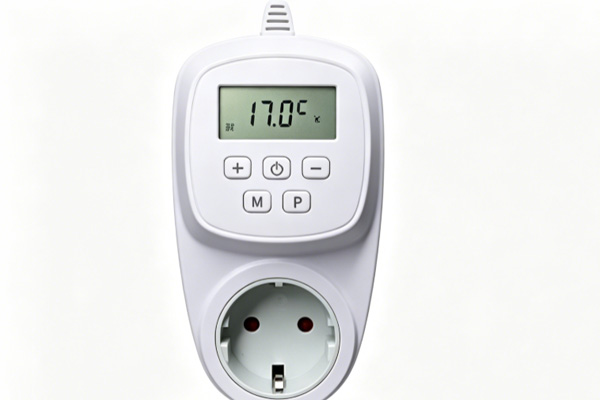
Plug-In Thermostats Support Reinstallation and Reuse
The design concept of plug-in thermostats focuses on convenience, which gives them advantages when being moved between different application environments.
- More flexible installation method: Plug-in designs do not require complicated wiring. Users can easily adjust the device position according to actual needs, making it more convenient when changing rooms or reorganizing indoor spaces.
- Suitable for various environments: As long as the new installation location meets power supply requirements, safety distance standards, and device compatibility conditions, the thermostat can usually continue to be used.
The flexible installation design of plug-in thermostats gives them strong reuse potential. Proper relocation and reinstallation can improve the long-term value of the device.
Reuse Requires Attention to Device Condition
Whether a thermostat can be reused for a long period is closely related to product quality and daily maintenance.
- Check appearance and functions: Before reuse, users should check whether the thermostat housing, plug, display screen, and control functions are working properly to prevent performance issues caused by long-term operation.
- Maintain cleanliness and condition: Regularly cleaning dust from the device surface and checking connection components can help maintain stable temperature sensing and control performance.
Good maintenance habits can extend the service life of plug-in thermostats. When the device remains in good condition, it can provide more reliable temperature control performance in different applications.
Adaptability to Different Applications Improves Product Value
The reuse advantage of plug-in thermostats is also reflected in their flexibility when space requirements change. Compared with fixed-installation devices, plug-in thermostats can be adjusted according to actual usage conditions. Whether it involves reorganizing a home room, changing an office layout, or managing temporary spaces, the device can continue operating through simple relocation and reconfiguration. At the same time, strong adaptability reduces the possibility of equipment becoming unused and improves overall product utilization.Multi-scenario adaptability gives plug-in thermostats greater flexibility in practical applications. For users who need to adjust heating control solutions, this design provides a more convenient and cost-effective experience.
Choosing the Right Product Improves Long-Term Experience
Whether a plug-in thermostat is suitable for repeated use also depends on product design and manufacturing quality.
- Choose reliable and durable products: High-quality thermostats usually use durable components and stable control modules, allowing them to maintain good performance after multiple installations and long-term operation.
- Focus on smart control features: Products with scheduling functions, temperature adjustment, and smart connectivity can provide more convenient management experiences in different usage environments.
Selecting a suitable plug-in thermostat can improve reuse performance. Combining stable operation with rich functions allows the device to continue providing value across more application scenarios.
Plug-in thermostats generally have strong reuse capabilities, which is one of the key differences compared with traditional fixed-installation temperature control devices. Through simple installation methods, flexible positioning, and easy operation, users can redeploy the device according to lifestyle changes or space requirements. At the same time, maintenance conditions, product quality, and application environments all influence long-term performance. For homes, offices, and temporary application spaces that require convenience and flexibility, choosing a well-designed and reliable plug-in thermostat can not only meet daily temperature control needs but also improve equipment utilization and reduce the cost of repeated purchases.