
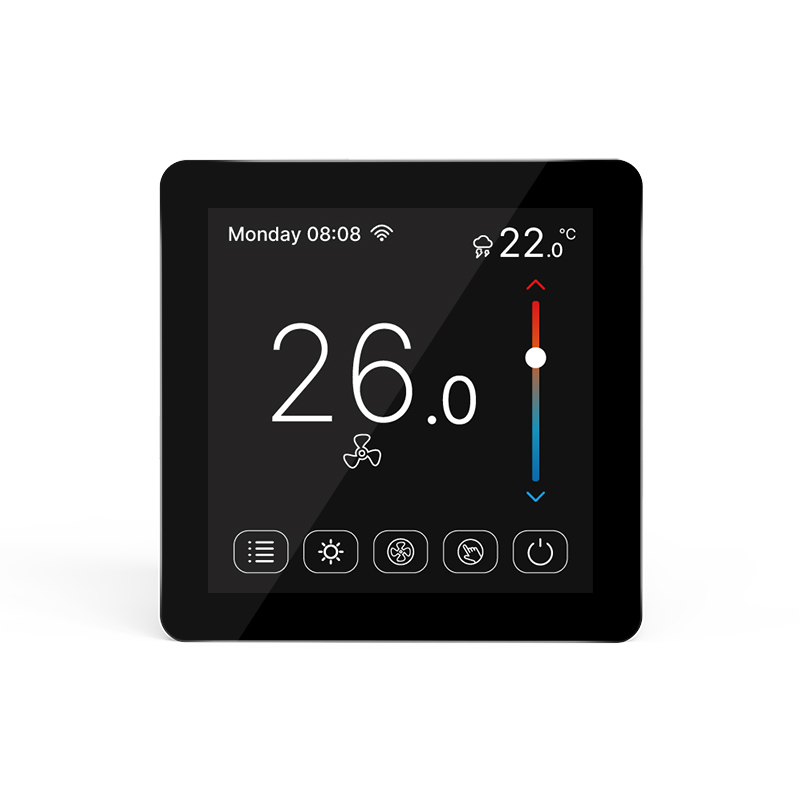
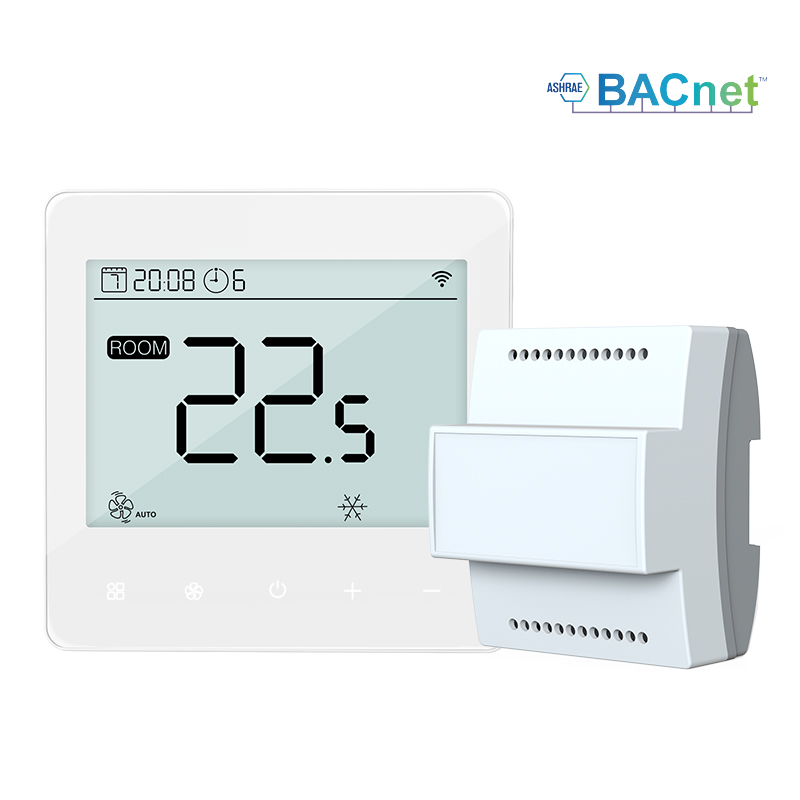
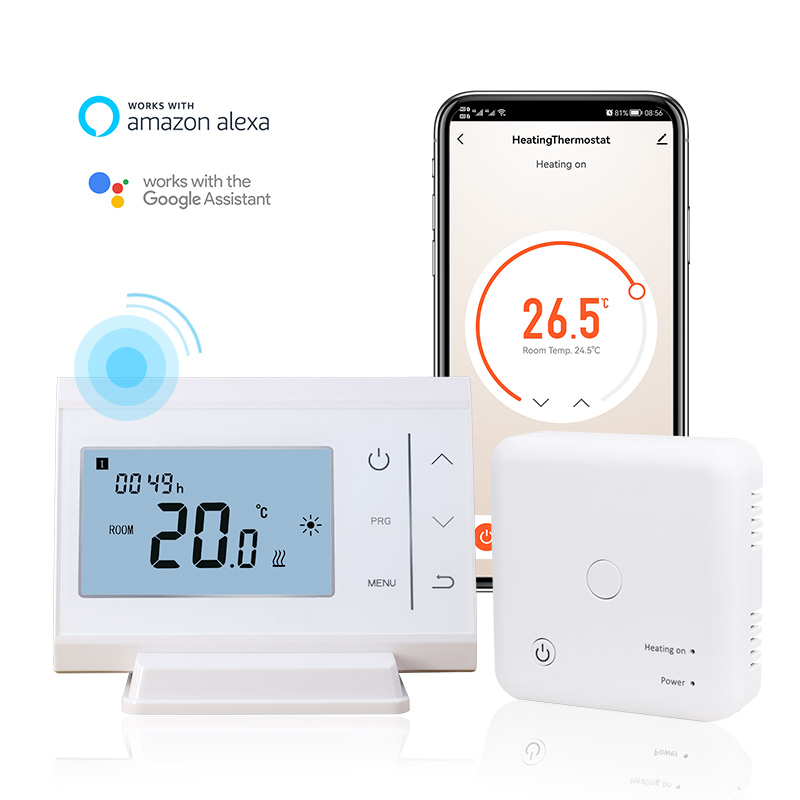
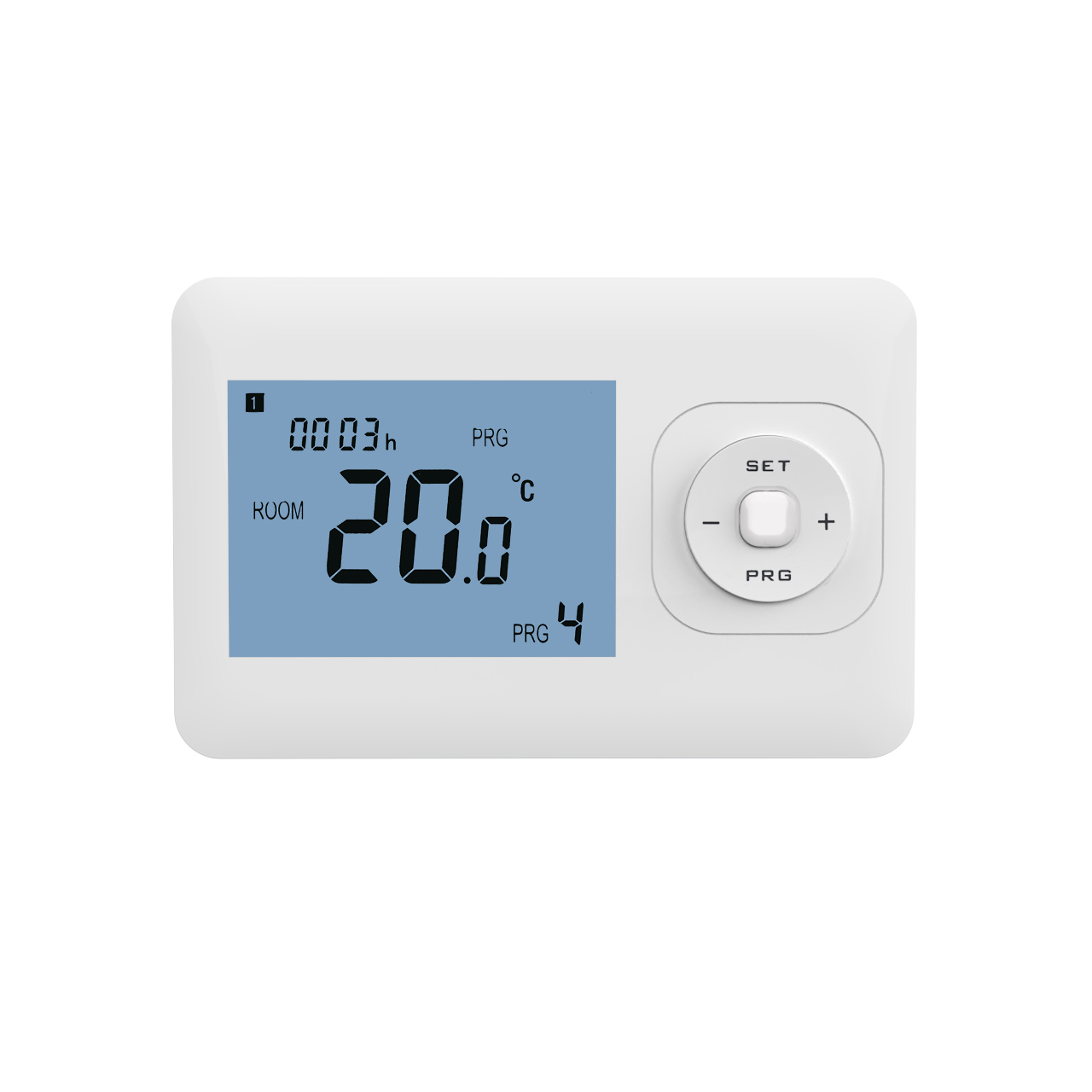
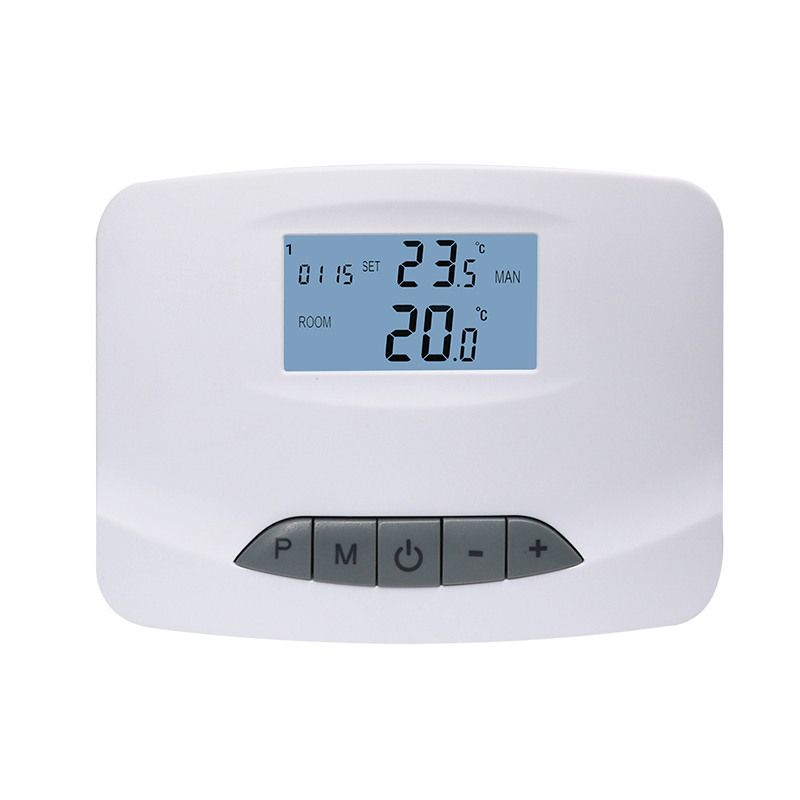
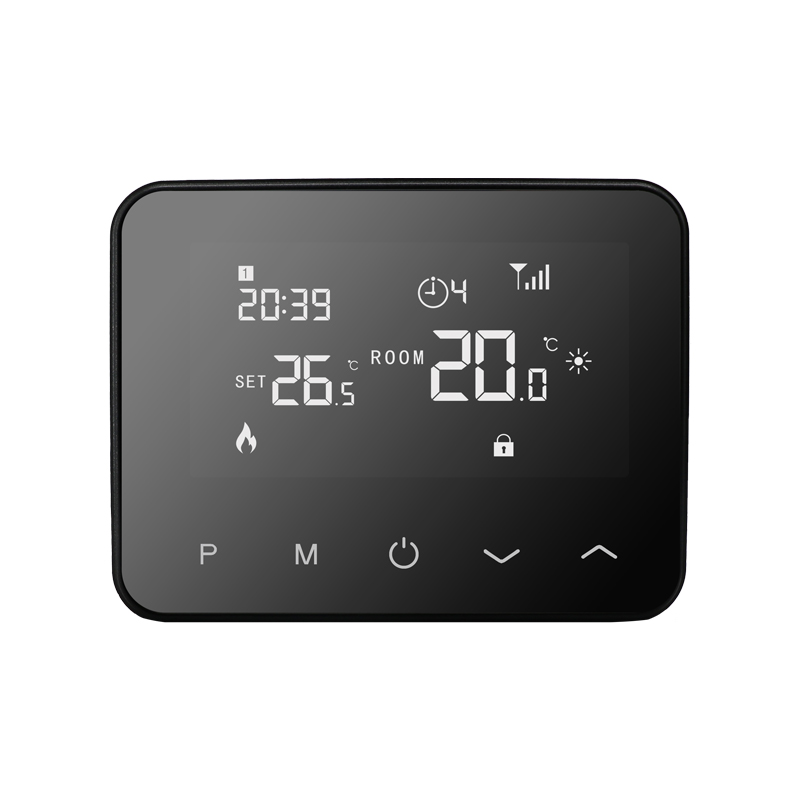
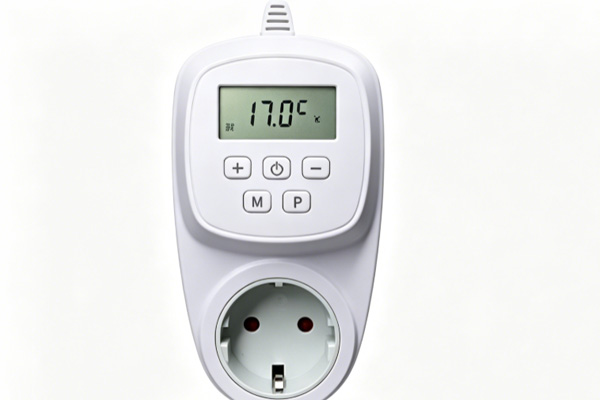
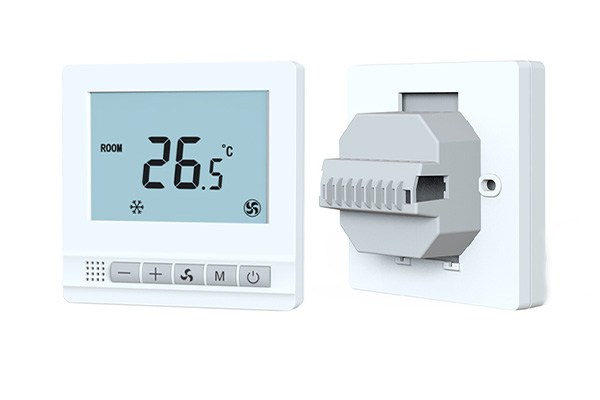
Plug-in thermostats are widely used in home heating, office spaces, and smart home temperature control applications due to their easy installation, flexible use, and simple operation. For users planning to use electric heating equipment, compatibility between devices is an important factor when selecting a temperature control solution. Whether a plug-in thermostat can control an electric heating device mainly depends on the thermostat’s output method, load capacity, and the control requirements of the connected equipment. Properly matching the thermostat with the electric heating system can not only improve temperature regulation performance but also help ensure more stable equipment operation. By understanding the application range, operating conditions, and selection methods of plug-in thermostats, users can better determine whether they are suitable for their heating environment and improve the overall user experience.
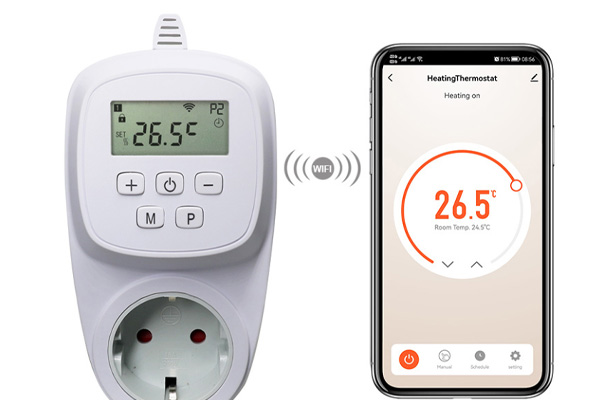
Plug-In Thermostats Can Work with Certain Electric Heating Devices
The main purpose of plug-in thermostats is to provide convenient temperature control. When technical requirements are properly matched, they can be connected with various electric heating devices.
- Suitable for common electric heating systems: Some plug-in thermostats can work with electric heaters, heating films, and small electric heating devices. Through temperature monitoring, they can control equipment startup and shutdown to achieve automatic adjustment.
- Meeting basic temperature control needs: For applications that require simple heating and constant temperature management, plug-in thermostats can adjust operating conditions according to the preset temperature, improving convenience during use.
Plug-in thermostats offer good flexibility, but practical applications still require matching the thermostat with the specific type of electric heating equipment. Proper selection can improve temperature control stability and operational safety.
Key Parameters Need to Be Considered for Device Compatibility
When a plug-in thermostat is used with electric heating equipment, compatibility mainly depends on whether the device specifications match. Different types of electric heating products vary in power ratings, current requirements, and control methods. Therefore, users need to confirm the load capacity, connection type, and control logic before selecting a thermostat. Only when these basic requirements are satisfied can the thermostat reliably control the electric heating device and avoid problems such as startup failure, abnormal operation, or unstable performance. Understanding product specifications also helps users choose a temperature control solution that better fits their heating requirements, improving safety and long-term operating performance.Parameter matching is the key to ensuring the proper operation of plug-in thermostats. A clear understanding of electric heating requirements can reduce compatibility issues and help create a more stable and reliable temperature control system.
Improving the Efficiency of Electric Heating Equipment
Plug-in thermostats do more than provide basic on/off control. They can also help electric heating systems achieve more efficient operation management.
- Reducing energy waste: When the indoor temperature reaches the preset level, the thermostat can stop the heating device or reduce operating frequency, preventing unnecessary continuous heating.
- Maintaining stable temperatures: By continuously monitoring environmental changes, the thermostat can reduce temperature fluctuations and maintain a more comfortable heating environment.
Smart temperature control can improve the operating method of electric heating equipment. Proper temperature adjustment helps enhance comfort while reducing long-term energy costs.
Choosing the Right Product Improves Long-Term Experience
When a plug-in thermostat is combined with electric heating equipment, product quality and functional design directly affect long-term performance.
- Choosing reliable manufacturing quality: Stable components and reasonable structural design help ensure consistent performance during continuous operation and reduce the risk of failures.
- Considering smart function options: Thermostats with scheduling, temperature adjustment, and smart connectivity features can meet the management needs of more home and office environments.
A suitable plug-in thermostat can help electric heating equipment achieve better control performance. Combining stable operation with smart features can provide a more convenient temperature management experience.
For electric heating devices that meet compatibility requirements, plug-in thermostats can provide a more flexible temperature management solution, allowing users to achieve automatic temperature control and energy-saving operation more easily. Compared with traditional manual adjustment methods, these temperature control devices reduce frequent operation and improve the convenience of heating management. When selecting a product, paying attention to device compatibility, manufacturing quality, and available functions can help users achieve more stable performance. For homes, offices, and applications that require flexible heating deployment, properly combining plug-in thermostats with electric heating systems can further improve overall comfort and energy efficiency.