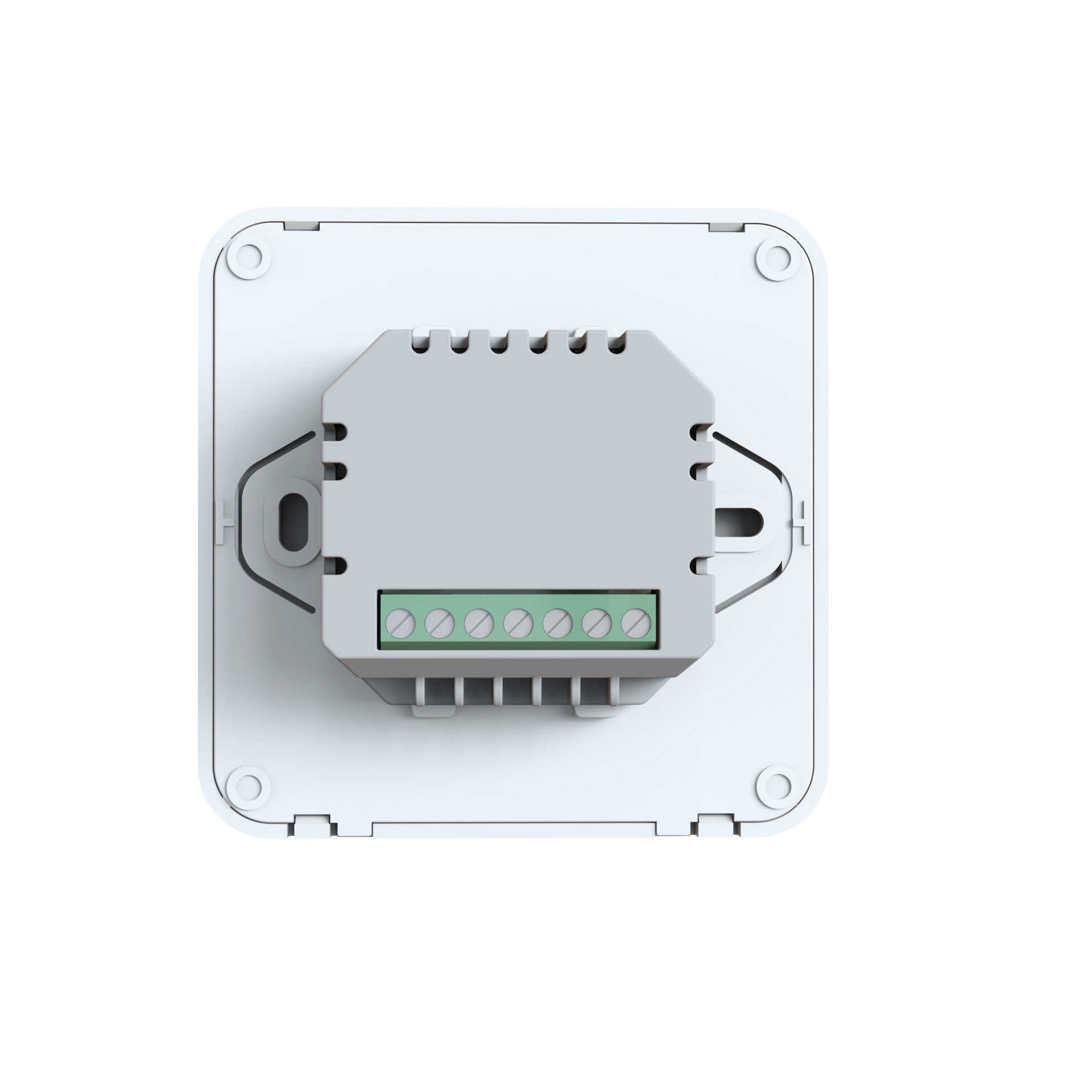
Fan coil unit

What Happens if a Fan Coil Unit (FCU) Thermostat Is Installed in the Wrong Location?

The Fan Coil Unit (FCU) Thermostat is a key component in HVAC systems, responsible for controlling indoor temperature. Its installation location directly affects temperature control, energy efficiency, and system stability. Installing a thermostat in an improper location can lead to inaccurate temperature readings, increased energy consumption, unstable system operation, and decreased indoor comfort. This article…

Read article
Complete Guide to Setting Fan Coil Unit (FCU) Thermostat Parameters

The Fan Coil Unit (FCU) Thermostat is a key component of modern HVAC systems, precisely controlling fan coil operation to maintain stable indoor temperature and comfort. Proper parameter settings not only improve system efficiency but also extend equipment lifespan and reduce energy consumption. This guide provides a detailed overview of critical FCU thermostat settings and…

Read article
Advantages of Using Fan Coil Unit Thermostats in School Buildings

As schools increasingly prioritize student health and learning efficiency, the design of school building HVAC systems has become more critical. The Fan Coil Unit (FCU) Thermostat, a key component of air conditioning systems, precisely regulates fan coil unit operation to maintain stable indoor temperatures, enhancing comfort and energy efficiency in classrooms, laboratories, and common areas.…

Read article
What Is the Difference Between Fan Coil Unit Thermostats and Standard Thermostats?

In HVAC systems, thermostats play a key role in regulating indoor temperature. As application scenarios have become more specialized, thermostats designed specifically for fan coil unit (FCU) systems have become increasingly common. Many users ask an important question during system selection: what is the difference between a fan coil unit thermostat and a standard thermostat?…

Read article
How to Improve Indoor Comfort Through Fan Coil Unit Thermostats

In modern buildings, indoor comfort has become a key indicator of HVAC system performance. Temperature stability, air circulation, and noise control all have a direct impact on occupant experience. As the core control device of fan coil unit (FCU) systems, FCU thermostats play a critical role in optimizing indoor comfort. With proper configuration and use,…

Read article
Application of RS485 Communication in Fan Coil Unit Thermostats

In modern building automation systems, fan coil unit (FCU) thermostats have evolved from simple standalone controllers into intelligent terminals that support centralized management. One of the key technologies enabling this transition is RS485 communication. With its strong stability, flexible wiring, and cost-effective implementation, RS485 has become widely adopted in FCU thermostat applications and is now…

Read article
Is It Necessary to Connect Fan Coil Unit Thermostats to a Building Management System?

In modern commercial and public buildings, fan coil unit (FCU) systems are widely used as terminal air-conditioning solutions. As building intelligence continues to advance, many project owners and engineers face an important question: is it necessary to connect fan coil unit thermostats to a Building Management System (BMS)? This decision affects not only initial investment…

Read article
Are Touchscreen Fan Coil Unit Thermostats Easy to Use? A Practical Analysis

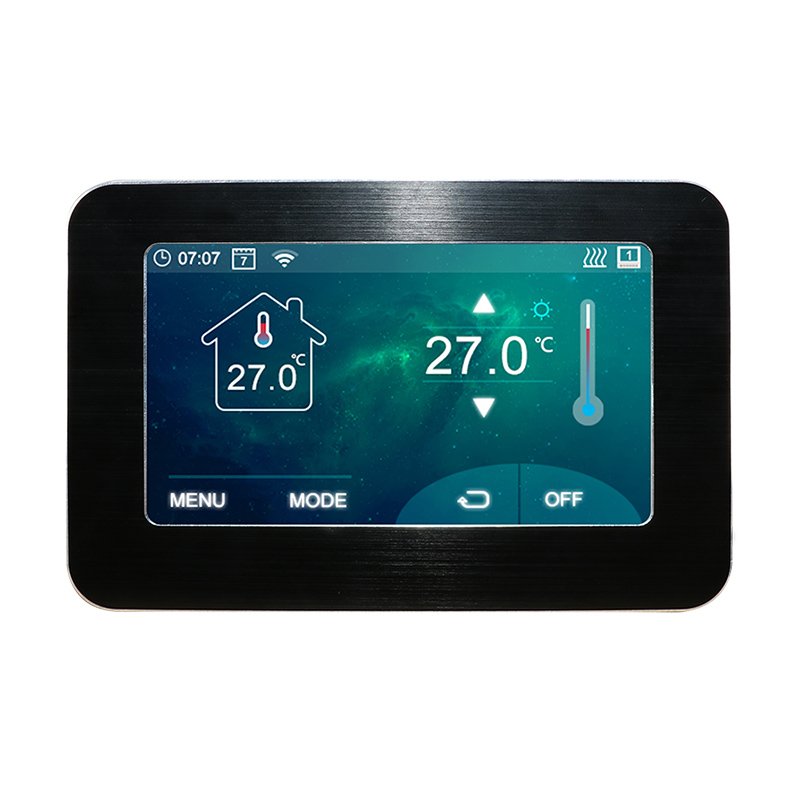
With the advancement of building intelligence and digitalization, touchscreen fan coil unit (FCU) thermostats are increasingly adopted in hotels, office buildings, and high-end residential projects. Compared with traditional button-type thermostats, touchscreen models offer noticeable changes in appearance, user interaction, and functional integration. This raises a common question: are touchscreen FCU thermostats really easy to use?…

Read article
Troubleshooting Communication Instability in Fan Coil Unit Thermostats

Fan coil unit (FCU) thermostats play an essential role in building HVAC systems by monitoring temperature and coordinating with fans, valves, and other terminal devices. They typically communicate with control systems through digital protocols to achieve precise operation. In real-world applications, however, issues such as unstable communication, signal loss, or delayed response are common. These…

Read article