Water floor heating

Is the HT-70 Underfloor Heating Thermostat Stable?

During the long-term operation of an underfloor heating system, the stability of the thermostat directly affects indoor comfort and the user experience. As a 220V wall-mounted underfloor heating thermostat, the stability of the HT-70 is one of the core concerns for users. Based on actual usage environments and product design characteristics, the HT-70 has a…

Read article
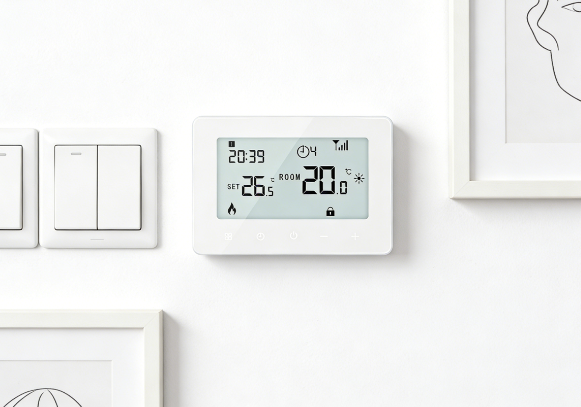
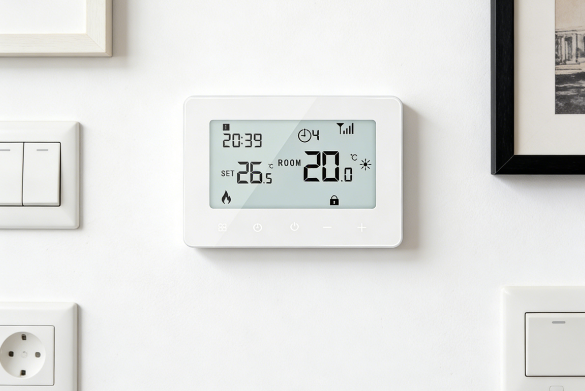
HT-70 220V Thermostat Maximum Current 3A Explanation

When choosing a household thermostat, the maximum current parameter is often overlooked, but this indicator directly relates to the device’s ability to stably control the heating system. The HT-70, a 220V wall-mounted thermostat, has a nominal maximum current of 3A. This parameter has clear significance in practical applications and determines its compatibility and safety. The…

Read article
Is the HT-70 Home Thermostat Suitable for Underfloor Heating?

In home heating systems, the thermostat plays a crucial role in temperature regulation and operational control. Different underfloor heating systems have specific requirements for the thermostat’s electrical parameters, control methods, and stability. As a home wall-mounted thermostat, whether the HT-70’s configuration and functions meet the needs of underfloor heating is a concern for many users.…

Read article
HT-70 Intelligent Thermostat Detailed Specifications

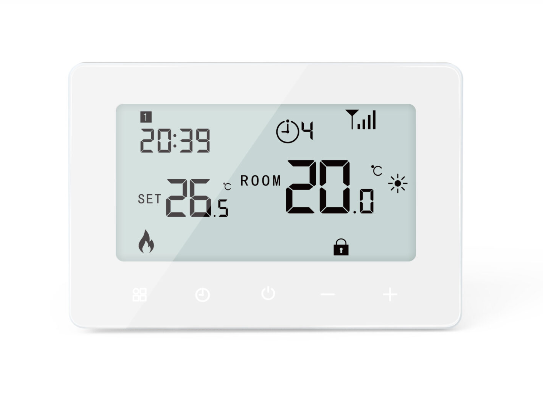
With the continuous development of intelligent underfloor heating systems, the parameter configuration of the thermostat directly affects its stability and control accuracy. The HT-70 intelligent thermostat is systematically designed around electrical performance, structural dimensions, control methods, and intelligent expansion, forming a relatively complete technical parameter system to provide reliable support for different underfloor heating application…

Read article
HT-70 220V Wall-Mounted Thermostat Product Introduction

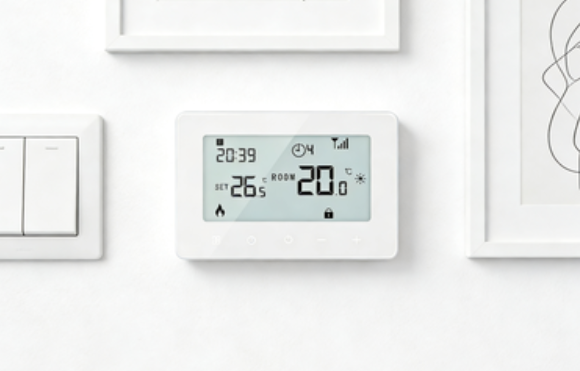
With the increasing popularity of underfloor heating systems, thermostats have become crucial devices affecting heating comfort and user experience. The HT-70 220V wall-mounted thermostat is designed with practicality and stability at its core, optimized for temperature control, ease of operation, and system compatibility, providing a reliable temperature control solution for residential and commercial spaces. Stable…

Read article
Which Underfloor Heating Systems is the HT-70 Thermostat Suitable For?

In the operation of an underfloor heating system, the thermostat plays a crucial role in temperature regulation and operational control. The HT-70 thermostat, a 220V wall-mounted intelligent temperature control device, was designed with the needs of different underfloor heating systems in mind. Clearly defining its applicable scope helps users achieve a more stable heating experience…

Read article
How to set the time of water floor heating thermostat?

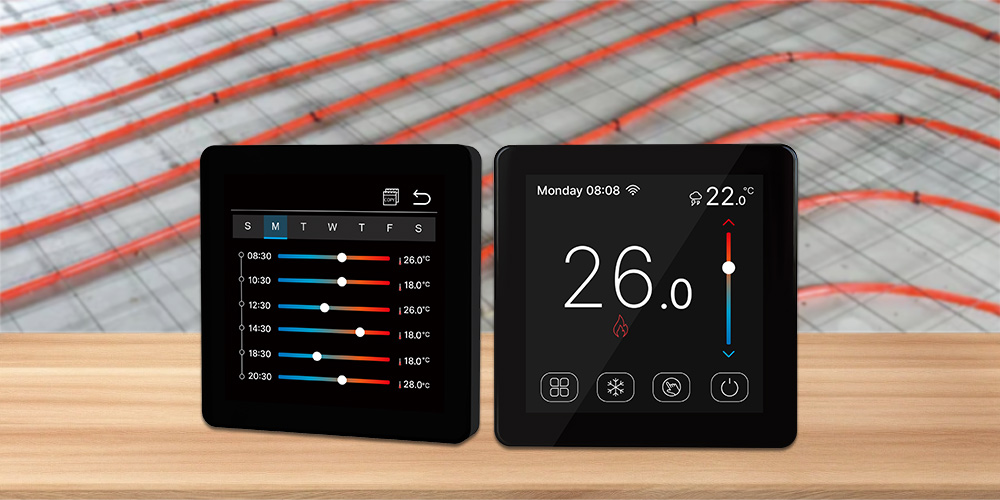
The time setting of water floor heating thermostat is the key to realize intelligent heating. Reasonable time setting can not only make the home environment warm as spring when needed, but also effectively save energy. However, there are differences in the time setting methods of different types of thermostats. The following will introduce you in…

Read article
How to Set Low-Temperature Operation for Hydronic Floor Heating Thermostats?

Setting a hydronic floor heating thermostat to low-temperature operation when a high room temperature isn’t required or during absences can save energy and prevent pipes from freezing and cracking. Below is a detailed introduction to the specific steps and methods for this setting. Clarify the Requirements for Low-Temperature OperationBefore setting the low-temperature operation, it’s necessary…

Read article