

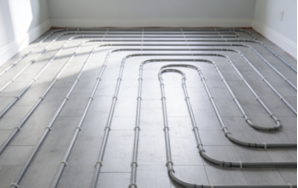
In modern residential and commercial spaces, floor heating has gradually become an important choice for winter heating due to its comfort, evenness, and concealment. However, many people, when planning a floor heating system, often focus more on the quality of the pipes, the type of heat source, or the installation method, neglecting an equally crucial question—whether a floor heating wiring center is needed. A floor heating wiring center typically refers to the area or device that centrally manages and distributes floor heating circuits; it is the “central nervous system” of the entire floor heating system. With the improvement of living needs and the diversification of space functions, floor heating systems have gradually evolved from simple single-zone heating to multi-zone, zoned control, and intelligent linkage integrated systems. In this context, the existence of a floor heating wiring center directly affects the system’s controllability, ease of maintenance, and future upgrade possibilities. For ordinary users, a lack of knowledge about floor heating wiring can easily lead to decisions that are detrimental to long-term use during the initial stages of renovation.
What is a Floor Heating Wiring Center and Its Basic Functions
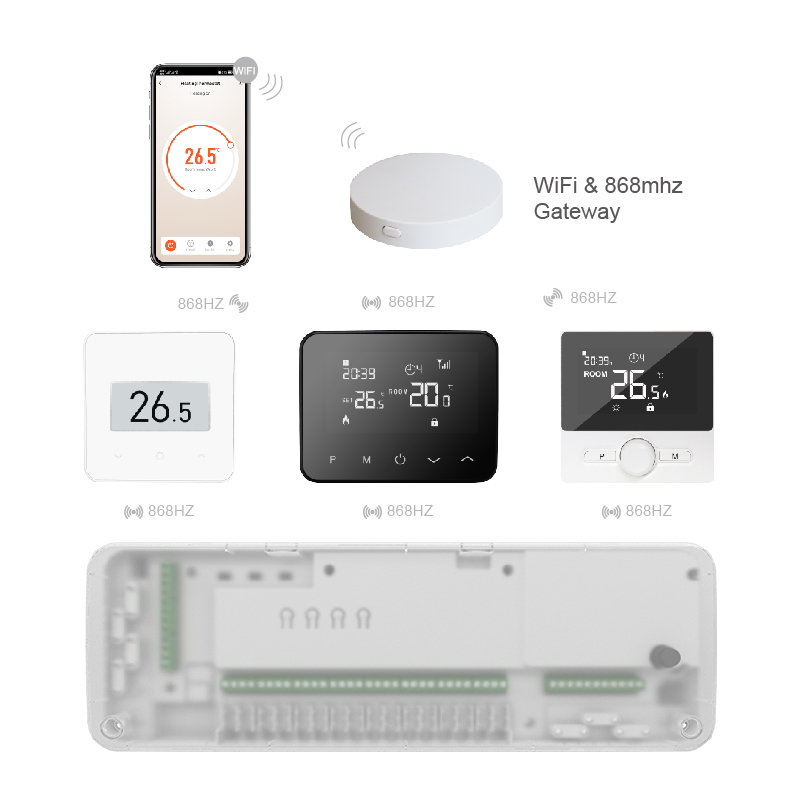
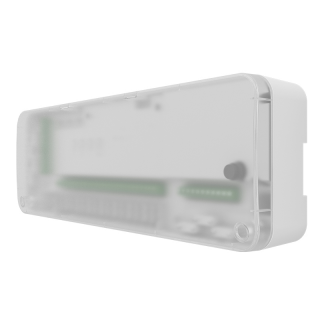
A floor heating wiring center typically refers to the area where the manifold, electric valves, temperature control circuits, and related control modules are centrally located. It is responsible for distributing the hot water or heat energy from the heat source to the various underfloor heating circuits. From a system structure perspective, the wiring center acts as a unified management platform, centralizing and coordinating the underfloor heating pipes and control signals that were originally scattered across different rooms. Through this center, users can achieve various modes such as independent control of different rooms, unified adjustment, or coordinated operation.
Furthermore, the underfloor heating wiring center can simplify the wiring layout to a certain extent, making the electrical and water circuits clearer and facilitating later inspection and maintenance. For users who prioritize system stability and scalability, its existence offers significant structural advantages.
Is a Wiring Center Necessary?
Not all underfloor heating systems require a wiring center; its necessity is closely related to the system’s complexity. For smaller spaces with simple functional zoning, a limited number of underfloor heating circuits, and relatively simple control requirements, a relatively simplified layout can meet basic usage needs. However, as the residential area increases, the number of rooms grows, or different spaces have significantly different temperature requirements, the importance of a wiring center becomes increasingly apparent. Centralized management can prevent interference between circuits, making temperature control more precise and orderly. Especially in multi-story buildings or buildings with significant functional differences, the lack of a unified wiring center often leads to scattered wiring, chaotic control, and increased difficulty in debugging and maintenance.
The Role of a Wiring Center
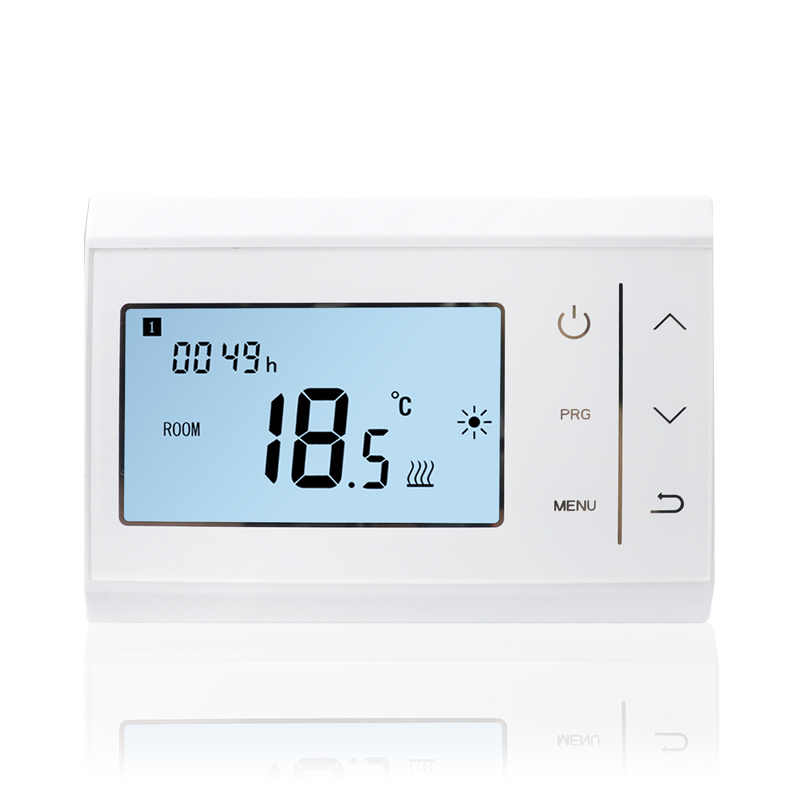
Modern underfloor heating systems emphasize “on-demand heating,” and zonal control is the core means to achieve this goal. A wiring center provides the physical and logical basis for zonal control. Through centralized wiring, temperature control signals from each room can be uniformly connected to the control system, enabling independent adjustment or centralized management. This approach not only improves living comfort but also avoids energy waste. For example, heating intensity can be reduced in less frequently used areas, while frequently used spaces maintain a stable temperature. Without a wiring center, zonal control often requires scattered control points, affecting both overall aesthetics and system coordination.
Impact on Later Maintenance, Upgrades, and Smart Technology
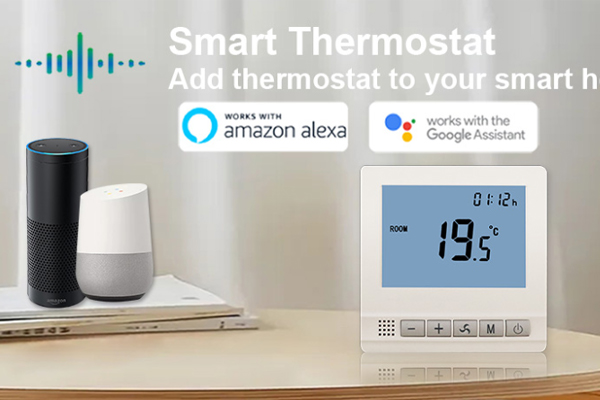
A wiring center for underfloor heating offers significant advantages in maintenance and upgrades. Centralized design makes troubleshooting more intuitive, eliminating the need for extensive searching of wiring and valves during maintenance, thus shortening maintenance cycles. Furthermore, with the development of smart homes, underfloor heating systems are increasingly integrating with intelligent temperature control, remote control, and energy management functions. A cabling center provides a natural interface for these upgrades, giving the system greater scalability. If a cabling center is neglected in the initial planning, later system upgrades often require rewiring or even partial dismantling, significantly increasing cost and complexity.
Whether a cabling center is necessary for underfloor heating doesn’t have a single, definitive answer; it should be determined comprehensively based on the space size, usage needs, and anticipated future functionality. For underfloor heating systems with simple structures and low control requirements, simplified layout can reduce initial complexity to some extent; however, from the perspectives of comfort, controllability, and system standardization, the advantages of a cabling center are still undeniable. Especially in today’s increasingly multifunctional and intelligent living spaces, centralized cabling not only facilitates refined zoning control but also reserves ample space for later maintenance and upgrades. Ignoring this aspect may seem cost-effective in the short term, but in the long run, it can easily lead to problems such as inconvenient control and difficult maintenance. Therefore, in the overall planning of an underfloor heating system, it is recommended to consider a cabling center as a forward-looking system configuration, rather than an optional add-on. Only by making reasonable plans with a long-term perspective can we ensure that the underfloor heating system can truly play its due role in terms of comfort, stability and sustainability.