
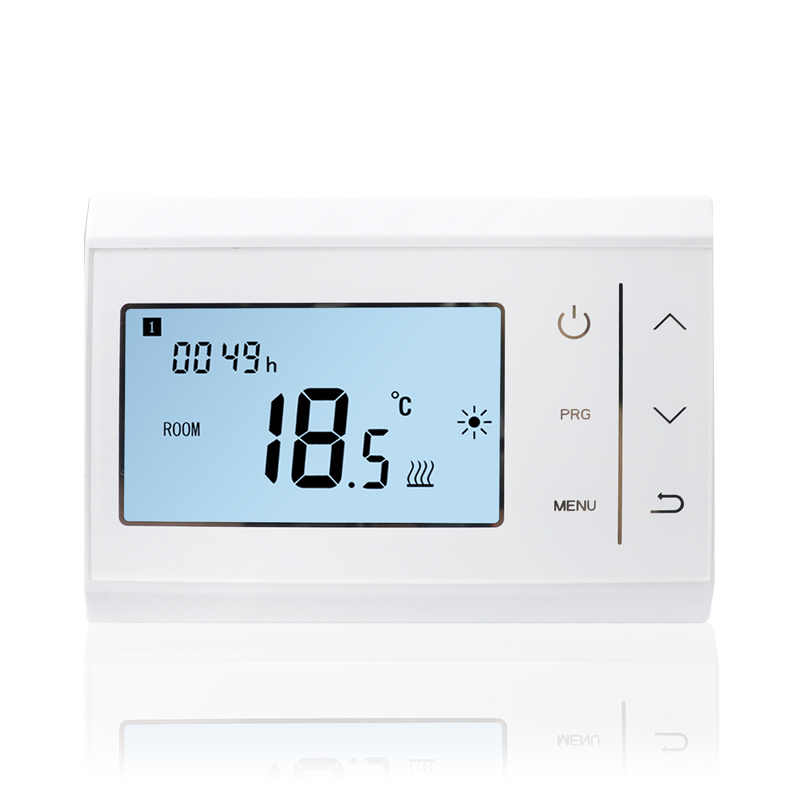
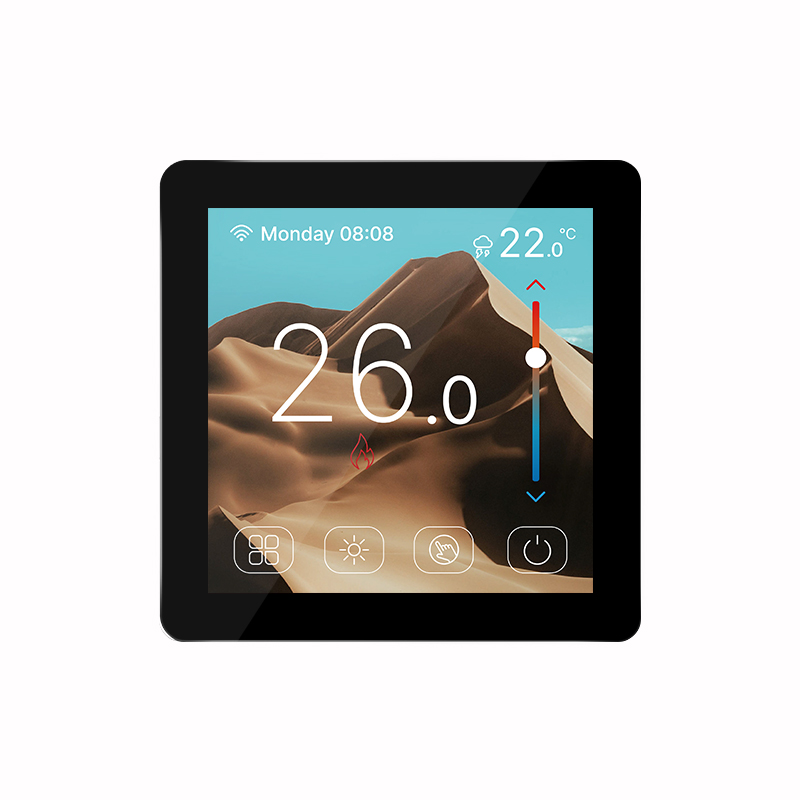
In modern home heating systems, users are increasingly concerned not only with whether the temperature is sufficient, but also with the rationality of the overall heating structure, the efficiency of energy distribution, and the ability to independently adjust the temperature of different rooms. Traditional radiator systems often use a uniform control method, which can easily lead to some areas being overheated while others are underheated, thus affecting the overall comfort experience. The emergence of Bluetooth smart radiator thermostats provides a new approach to zoning control and structural optimization. Bluetooth e-TRV smart radiator thermostats, through refined temperature management and collaborative device control, make the heating system’s operating logic more rational, thereby improving overall efficiency and comfort.
Zoning Control for a More Rational Heating Structure
In modern residences, different rooms have significant differences in usage frequency, orientation, insulation conditions, and occupant activity. Therefore, if a uniform heating method is still used, it can easily lead to uneven energy distribution.
- Independent Room Temperature Management:Each radiator can be set with its own temperature, avoiding the resource waste caused by uniform heating.
- On-Demand Heat Output Distribution:The system adjusts the heating intensity according to the needs of each area, making the heat distribution more even.
The overall structure operates more rationally and stably, thus reducing energy consumption and improving overall system efficiency while ensuring comfort.
Intelligent Adjustment Optimizes System Operation Logic
The Bluetooth thermostat improves traditional heating methods through sensing and control algorithms.
- Automatic Response to Temperature Changes
When the indoor temperature reaches the set value, it automatically reduces output to avoid continuous heating.
- Dynamically Adjusting Operating Status
It automatically adjusts the heating rhythm according to different time periods, making the system run more smoothly.
Improving overall structural coordination makes the heating process more in line with actual living rhythms and reduces discomfort caused by temperature fluctuations.
Bluetooth Connectivity Enhances System Collaboration Efficiency
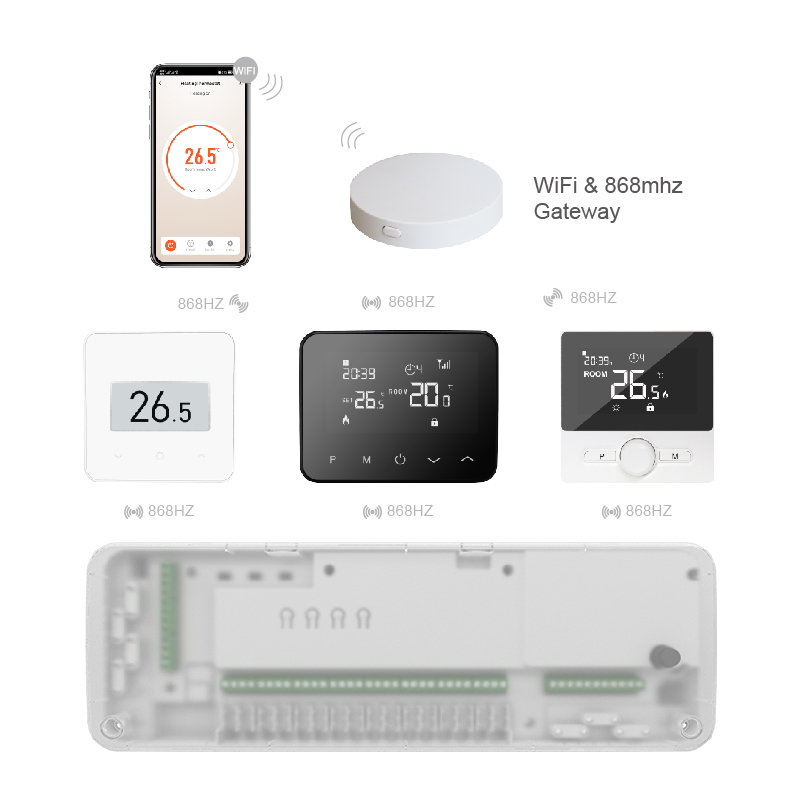
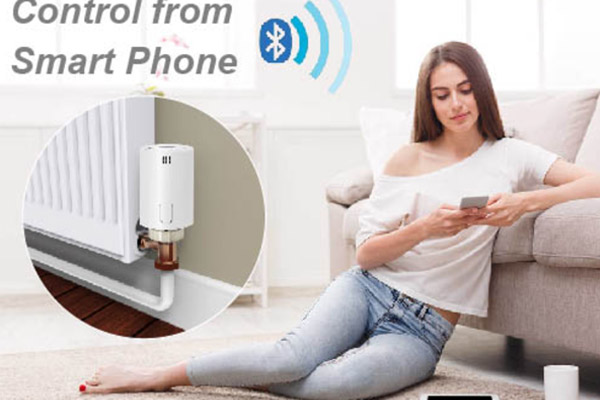
Wireless connectivity makes collaboration between multiple devices more convenient.
- Centralized Management of Multiple Devices:Multiple radiators can be controlled uniformly via a mobile phone, reducing operational complexity.
- Flexible System Expansion:New devices can be quickly integrated into the existing system without complex wiring.
This gives the heating structure greater scalability and provides greater flexibility and convenience for future system upgrades and space modifications.
Bluetooth smart radiator thermostats, through zoned control, intelligent adjustment, and wireless collaborative management, are upgrading traditional decentralized heating systems towards a more refined and structured approach. This not only improves uneven heat distribution but also makes the entire heating system’s operation more scientifically sound. For modern families, this optimization method enhances indoor comfort while significantly improving energy efficiency, making the heating structure more aligned with actual living needs and energy-saving goals, and laying a more stable foundation for the further integration of future smart home systems.