
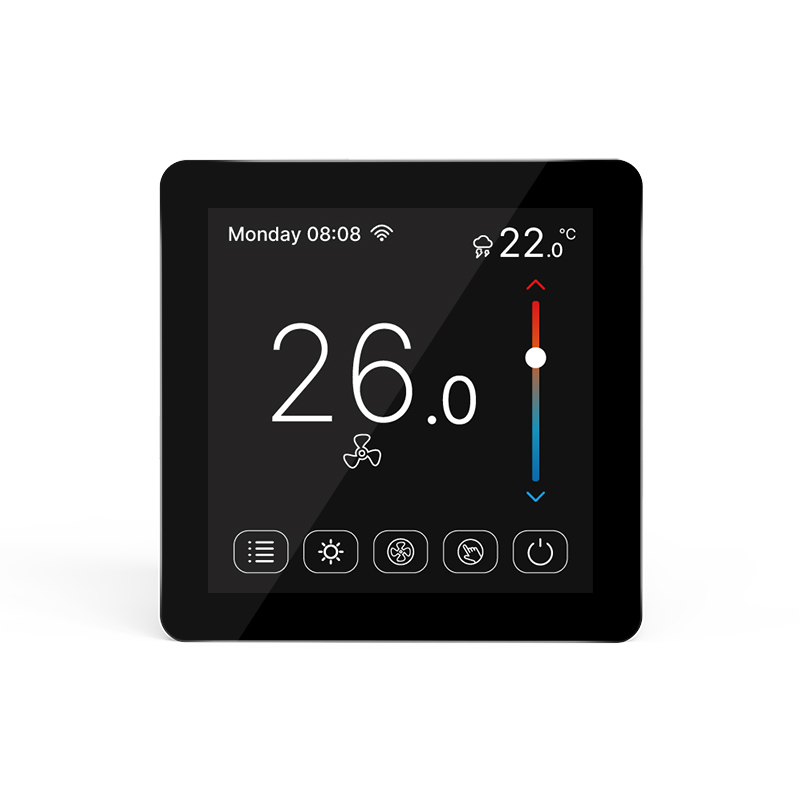
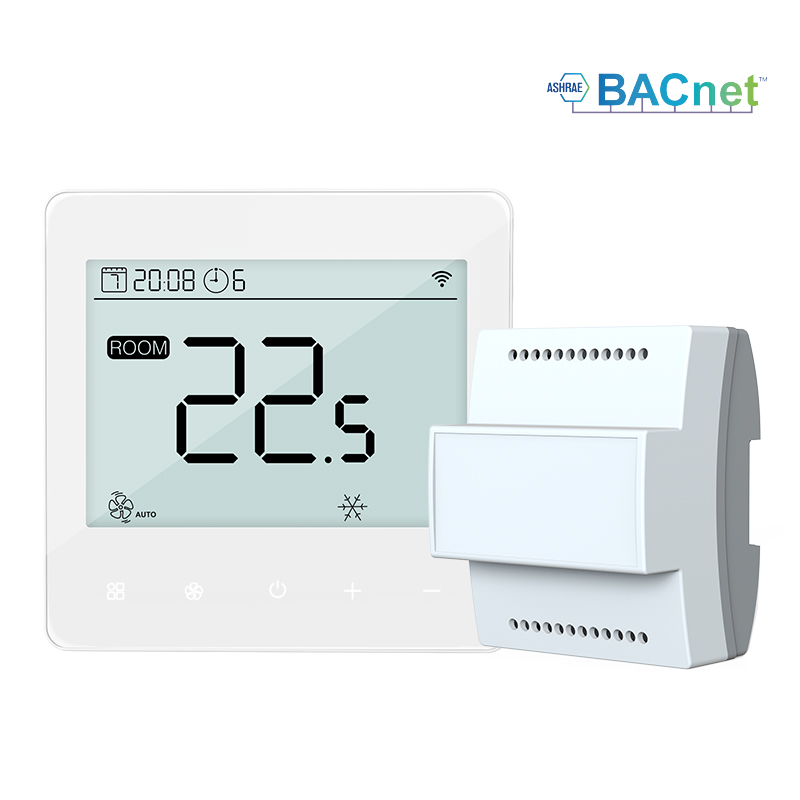
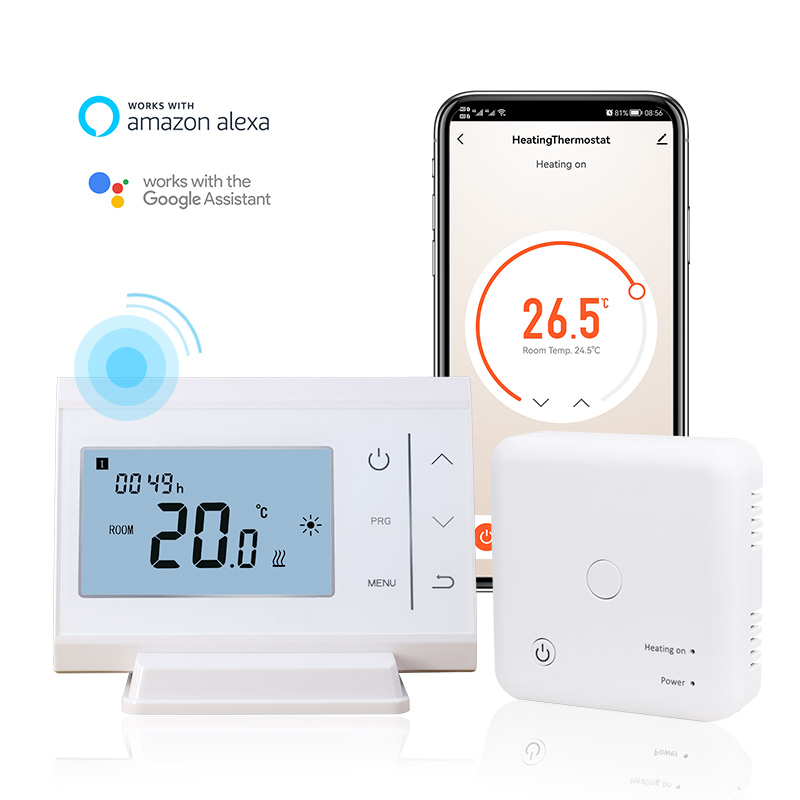
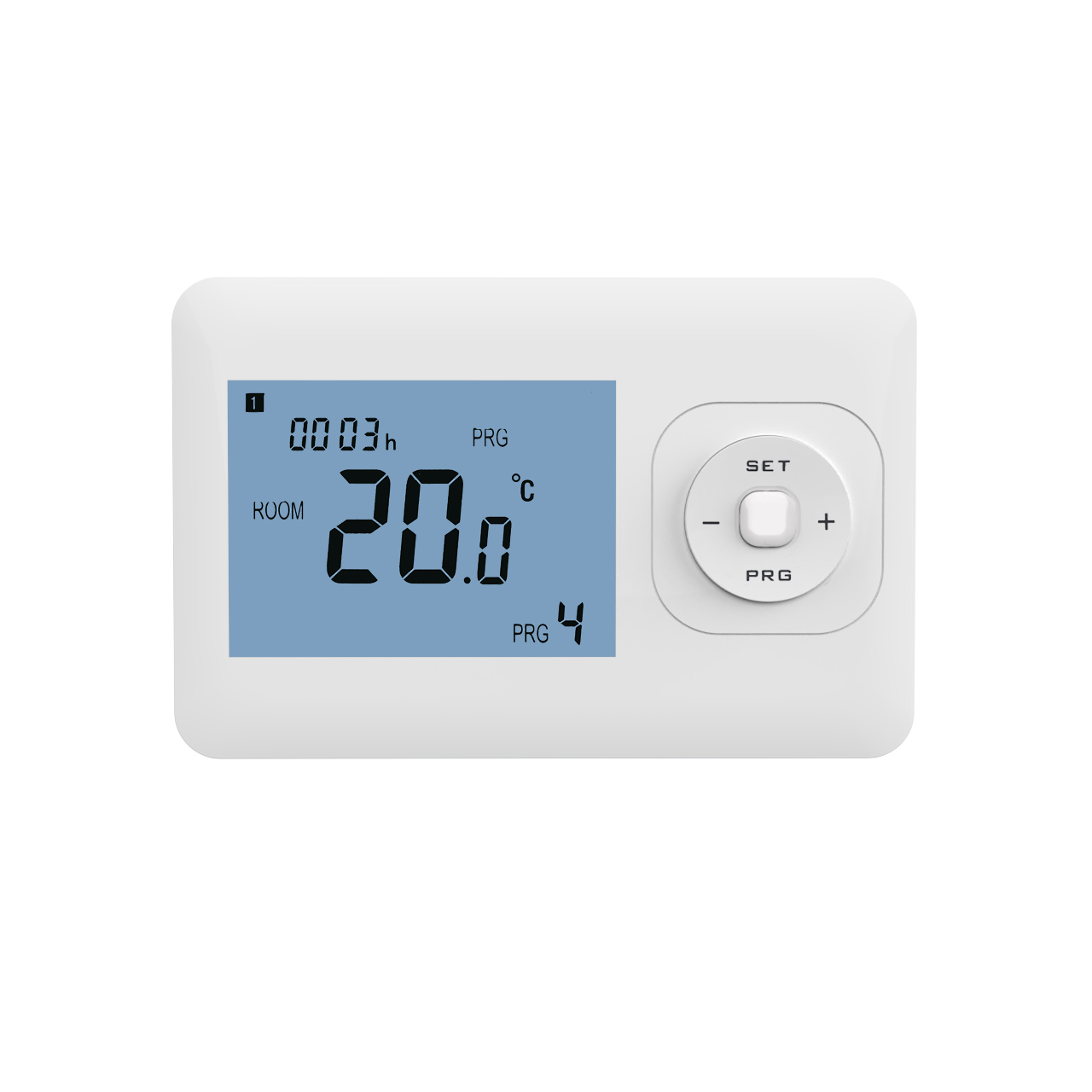
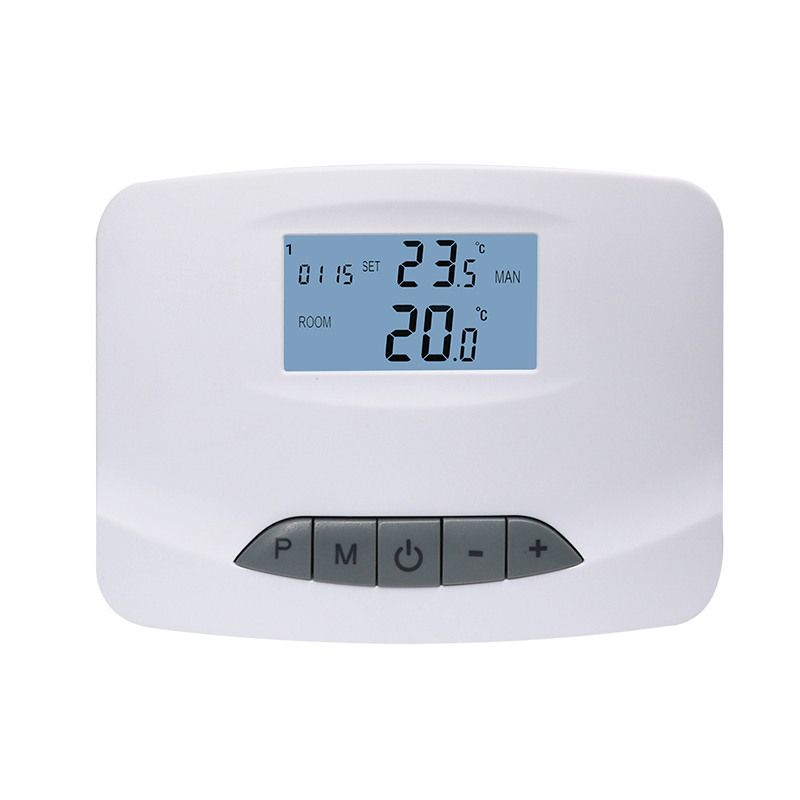
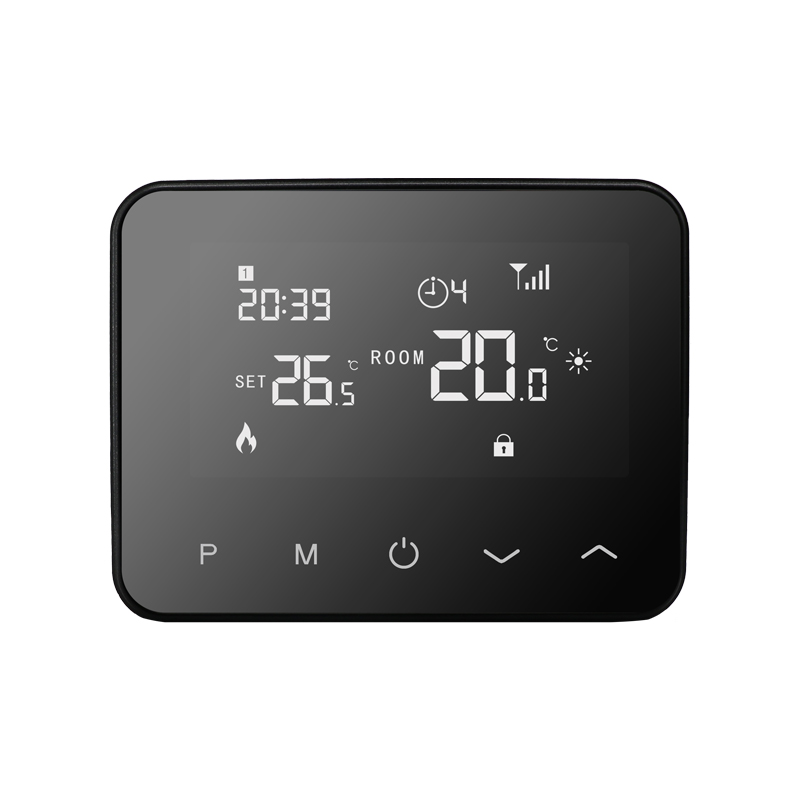
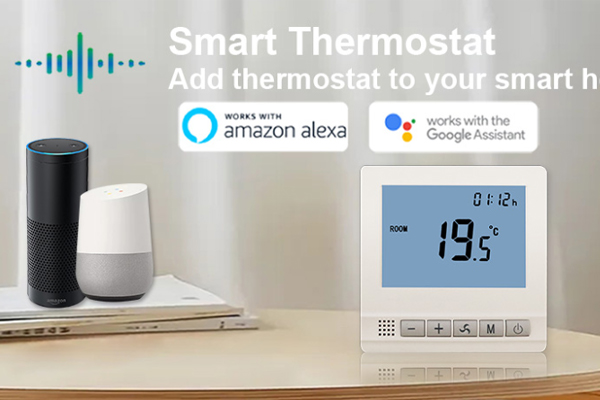

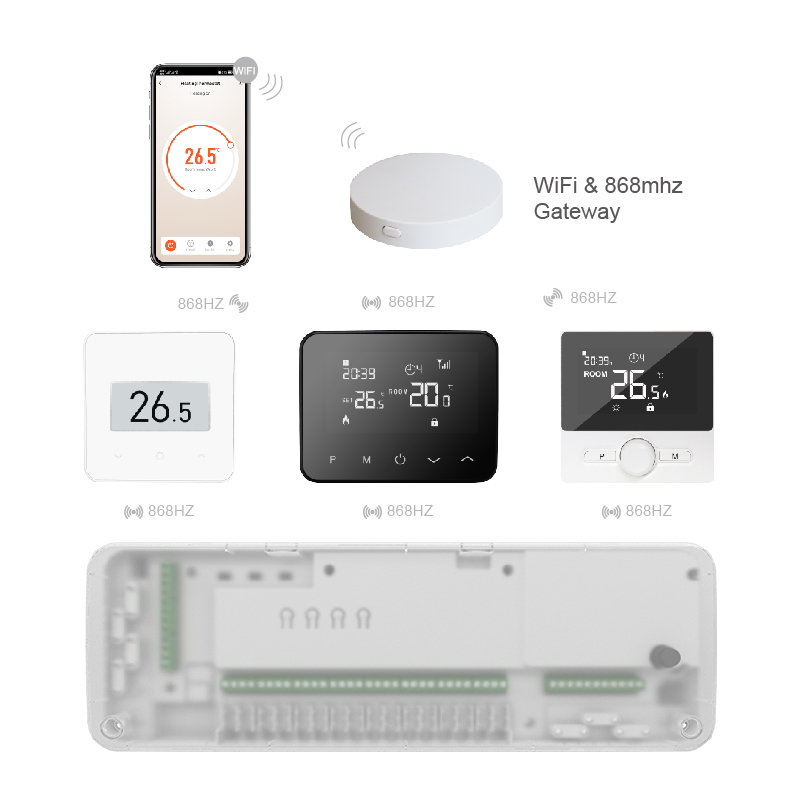

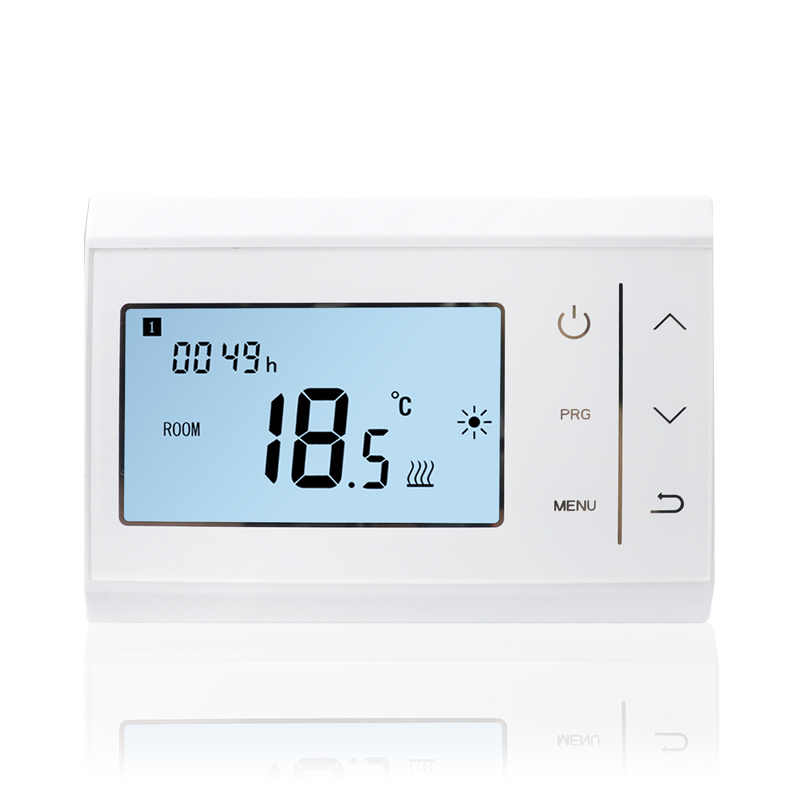
Electric underfloor heating is widely appreciated for its even and comfortable warmth, and the thermostat plays a crucial role in determining overall comfort. Many users find that their homes feel either too warm or not warm enough during use. In most cases, this issue is not caused by the heating system itself, but by improper thermostat settings. Adjusting the electric underfloor heating thermostat correctly can significantly improve comfort while reducing unnecessary energy consumption.
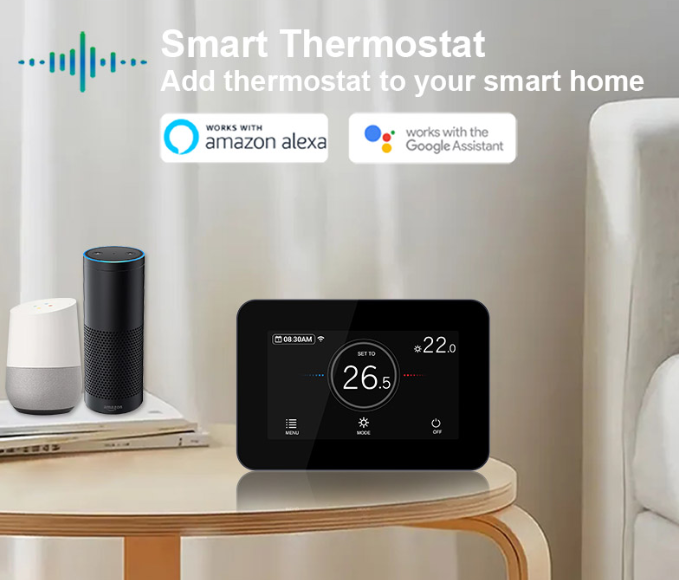
Set a Reasonable Base Temperature Range
A comfortable indoor temperature does not mean setting the thermostat as high as possible. For most living rooms and bedrooms, a temperature range of 20°C to 24°C is generally ideal. Excessively high temperatures can cause discomfort, dryness, and increased electricity usage. When using the system for the first time, it is recommended to start at a lower setting and gradually increase the temperature, allowing both the floor and the body to adapt naturally.
Make Use of Floor and Room Temperature Control
Many electric underfloor heating thermostats support both floor temperature and room temperature control. Floor temperature mainly affects foot comfort, while room temperature determines the overall thermal environment. Combining these two controls helps prevent overheating of the floor or unstable indoor temperatures. In practice, setting the maximum floor temperature between 28°C and 30°C provides warm floors while protecting floor materials from heat damage.
Adjust Operating Modes Based on Daily Routines
Modern thermostats often include programmable or time-based control functions. Adjusting settings according to daily routines can greatly enhance comfort. For example, heating can be scheduled to start before waking up in the morning, reduced during daytime hours when the house is unoccupied, and restored in the evening. This approach maintains a stable indoor temperature while avoiding prolonged high-load operation.
Avoid Frequent Manual Temperature Changes
Frequently raising or lowering the thermostat setting can cause the heating system to cycle on and off more often, reducing comfort and increasing equipment wear. Electric underfloor heating systems perform best under stable, constant temperature conditions. Once an appropriate temperature range is set, allowing the thermostat to operate automatically usually delivers the best results.
Consider the Impact of Environmental Factors
Indoor insulation quality, room orientation, and outdoor weather conditions all influence heating performance. In poorly insulated spaces, indoor temperatures may rise slowly even with higher thermostat settings. In such cases, improving window sealing or floor insulation may be more effective than simply increasing the temperature setting. Understanding these factors helps achieve better comfort without unnecessary energy use.
Conclusion
Overall, adjusting an electric underfloor heating thermostat is straightforward when its control logic is understood and aligned with daily living habits. By setting a reasonable temperature range, using both floor and room temperature controls, taking advantage of scheduling functions, and avoiding frequent manual adjustments, the system can operate more efficiently and comfortably. Proper thermostat adjustment not only improves indoor comfort but also makes winter heating more energy-efficient and worry-free.