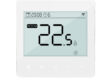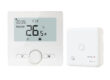
Water-based underfloor heating is widely used in residential and commercial spaces due to its even heating and high comfort level. The addition of a smart thermostat further enhances the user experience and operational management of this system. Compared to traditional control methods, a smart thermostat can more precisely adjust the operating status of the water-based underfloor heating system, making the heating more closely match actual needs. The combination of the two not only improves comfort but also makes the system more efficient and controllable.
More Precise and Stable Operation of Water-Based Underfloor Heating
Water-based underfloor heating relies on hot water circulation for heating, and the system has a certain thermal inertia. A smart thermostat can sense changes in indoor temperature in real time and adjust accordingly based on set targets, making the start and stop of the water-based underfloor heating system more rational.
By precisely controlling water temperature and operating time, indoor temperature fluctuations are significantly reduced, and heat release from the floor is more even. This stable operation helps maintain a consistently comfortable indoor environment, avoiding discomfort caused by excessively high or low temperatures.
Energy Savings from Smart Control
The application of a smart thermostat in a water-based underfloor heating system makes energy utilization more rational. The system can automatically adjust its operating status according to actual temperature requirements, reducing unnecessary continuous heating.
During long-term use, this on-demand heating method effectively reduces energy consumption and avoids energy waste. Simultaneously, reasonable control of operating frequency also helps reduce the operational burden on the water-based underfloor heating system, making overall use more efficient.
Improved User Experience and Management
The intelligent thermostat makes operating the water-based underfloor heating system more intuitive and convenient. Through a clear interface and flexible settings, users can adjust the temperature according to different living scenarios, making heating more aligned with daily routines.
This intelligent management method reduces the inconvenience of frequent manual adjustments, making the water-based underfloor heating system easier to integrate into modern living environments, improving overall living quality and comfort.
Conclusion
Water-based underfloor heating combined with an intelligent thermostat not only improves heating accuracy but also demonstrates significant advantages in energy saving and user experience. Through stable operation, reasonable control, and intelligent management, the water-based underfloor heating system can better meet the demand for both comfort and efficiency. This combination provides a more flexible and reliable solution for modern heating.