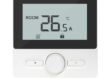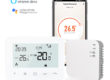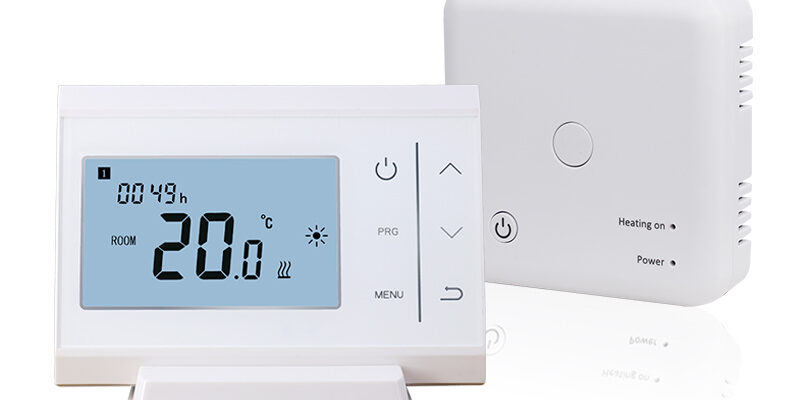
In home heating systems, gas consumption is often a core component of long-term operating costs. Therefore, “Can boiler thermostats save gas?” is one of the most pressing questions for many users when upgrading their equipment. Compared to traditional simple on/off control, modern boiler thermostats typically possess more precise temperature regulation capabilities and more intelligent operating logic. They can dynamically adjust the boiler’s start-up and shutdown frequency and operating intensity based on actual indoor needs, thereby avoiding energy waste.
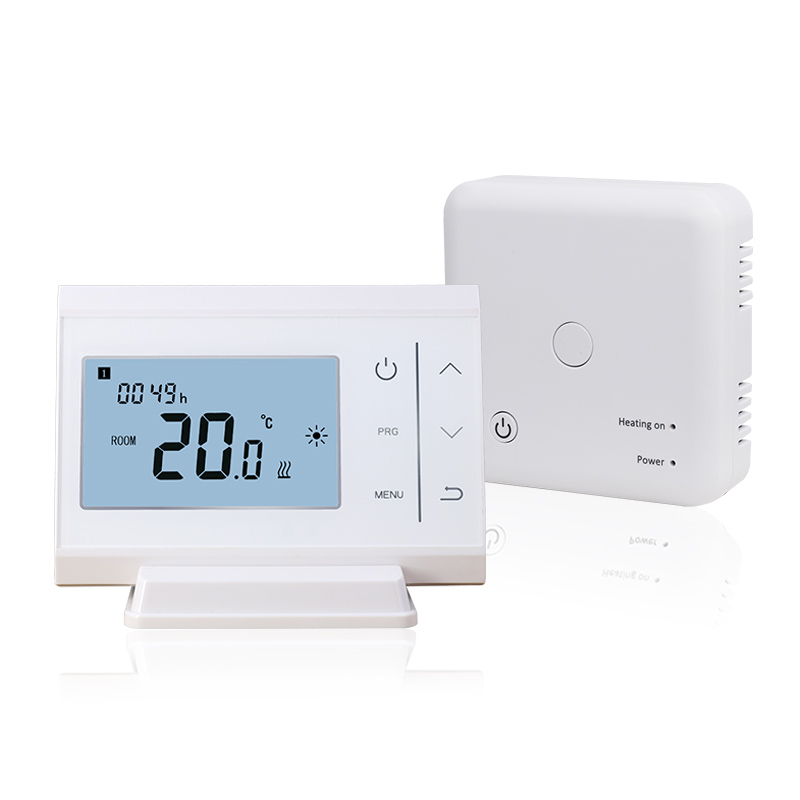
On-Demand Heating Reduces Gas Consumption
Reasonable control of boiler operating time is key to saving gas.
(1) Avoiding Continuous High-Load Operation
Boiler thermostats automatically control their operating status according to the set temperature. Once the room temperature reaches the target, heating is reduced or stopped, reducing unnecessary gas consumption.
(2) Reducing Frequent Manual Adjustment Errors
Traditional manual control is prone to overheating or excessive combustion, while thermostats can stably maintain a reasonable temperature range.
On-demand heating effectively reduces overall gas consumption.
Intelligent Temperature Control Optimizes Combustion Efficiency
More stable temperature control helps improve combustion efficiency.
- Maintaining stable, low-fluctuation temperature: The system avoids large temperature fluctuations, allowing the boiler to operate more smoothly and thus improving combustion efficiency.
- Reducing losses from frequent start-stop cycles: Frequent boiler starts not only consume energy but also increase gas consumption.
Intelligent thermostatic control effectively reduces this.
Time-based control reduces ineffective energy consumption
Time-based control reduces ineffective energy consumption: Adjusting operating time according to lifestyle habits can further save gas. Automatic cooling at night or when not in use reduces heating demand, avoiding unnecessary combustion. Heating cycles are set according to schedules, and temperatures are set for different time periods based on lifestyle, achieving precise heating. Time-based control makes gas use more rational and avoids waste.
Overall system synergy improves efficiency
The boiler thermostat works in conjunction with the system to further optimize energy use.
- Linked with room temperature sensors: Real-time feedback on indoor temperature changes dynamically adjusts boiler output.
- Optimized heat distribution logic: Heat output is more aligned with actual needs, improving overall energy utilization.
System synergy further reduces gas consumption while improving comfort.
Boiler thermostats effectively reduce gas consumption through precise temperature control, intelligent adjustment, and time-of-day management. They don’t simply reduce heating intensity; rather, they employ a more rational operating logic, allowing the boiler to “work efficiently when needed and reduce operation when not.” For households that rely on heating systems long-term, this optimization reduces gas costs while improving overall comfort and system stability—an effective solution that balances energy saving and user experience.