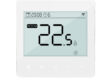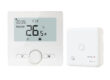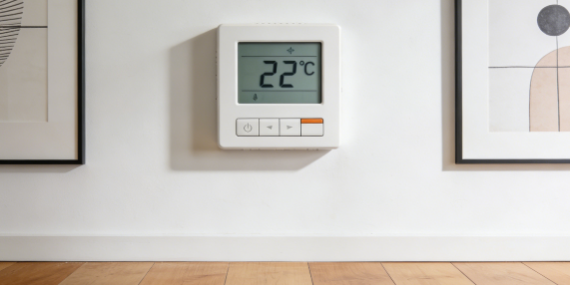
In a home underfloor heating system, the thermostat plays a crucial role in regulating temperature and balancing energy consumption and comfort. Choosing the right thermostat not only affects the stability of indoor comfort but also directly impacts the convenience of daily use and long-term operating costs. Understanding the key selection points is essential to ensuring your underfloor heating system performs at its best, given the various functions and types of products available.
Matching Your Underfloor Heating System Type is Fundamental
Home underfloor heating systems are mainly divided into hydronic and electric systems, each with different requirements for thermostats. Hydronic underfloor heating emphasizes the smooth control of temperature changes, requiring a thermostat with good logical adjustment capabilities. Electric underfloor heating offers faster response times, demanding higher temperature control accuracy and safety protection. When choosing a thermostat, ensure it is compatible with your system to avoid control malfunctions or lag.
Temperature Control Accuracy Determines Comfort
The core of a thermostat lies in its temperature control capability. Higher accuracy results in smaller room temperature fluctuations and a more stable living experience. High-quality thermostats typically maintain temperature fluctuations within a small range, resulting in smoother underfloor heating operation. For families living in such facilities long-term, stable temperatures help reduce discomfort from sudden temperature changes and also contribute to energy efficiency.
Operation Method Affects Daily Use
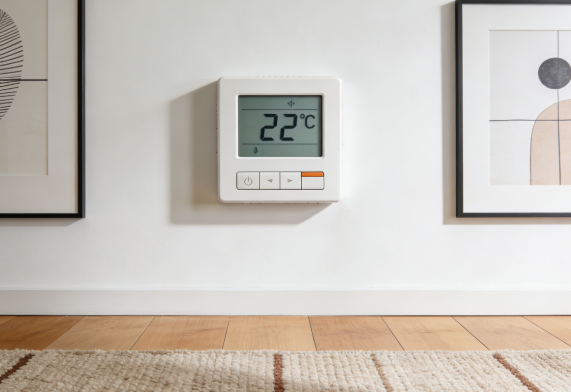
The thermostat’s user interface directly impacts ease of use. Knob-style designs are simple and intuitive, suitable for those seeking ease of use; button or touch-screen interfaces offer richer functionality and clearer information display, ideal for families with more precise temperature control needs. Some thermostats support program settings, allowing users to adjust heating times according to their schedules, reducing unnecessary energy consumption.
Functional Configuration Should Meet Living Needs
Different families have different expectations for thermostat functions. Some prioritize basic temperature control, while others desire features such as timers, locks, or remote control. When choosing a thermostat, consider your actual living situation to avoid insufficient functionality affecting the experience, and avoid increasing costs for features rarely used. Thermostats with high functional adaptability are often more durable and worry-free.
Safety and Stability Cannot Be Ignored
Underfloor heating systems operate for extended periods, placing high demands on the stability of the thermostat. Products equipped with overheat protection and abnormal power failure memory designs ensure greater safety. A stable and reliable thermostat also reduces system failure rates, extends the overall lifespan of the underfloor heating system, and provides continuous heating for the home.
Conclusion
Choosing a thermostat for home underfloor heating requires striking a balance between system compatibility, temperature control performance, user experience, and functional configuration. Only by considering the actual needs of your family can you select a truly suitable product. A suitable thermostat not only makes underfloor heating run more smoothly but also makes the home environment more comfortable and reassuring, adding stability and warmth to daily life.